Big waterfront projects can change how a place feels long before they change every home price. If you are buying, selling, or holding property in San Pedro, it is reasonable to wonder whether the waterfront revitalization will create real estate opportunity, or simply more headlines. The short answer is that the changes are meaningful, but their impact will likely be uneven and highly location-specific. Let’s dive in.
Why the waterfront matters
San Pedro’s waterfront story is larger than one development. The LA Waterfront spans more than 400 acres across San Pedro and Wilmington and is framed by the Port of Los Angeles as a public-access and redevelopment zone focused on open space, public access, and visitor-serving uses.
That matters for real estate because the waterfront is not being repositioned as a single private project. Instead, it is being shaped through layered public planning, infrastructure upgrades, and phased redevelopment. In practical terms, that means the effect on housing is more likely to show up block by block rather than across the entire community at once.
The City of Los Angeles updated the San Pedro Community Plan in 2017 with goals that include preserving a stable community, building on proximity to the Port and waterfront, and retaining a small-town feel. The area is also governed by the San Pedro Specific Plan, the Community Plan Implementation Overlay, and the San Pedro/Port of Los Angeles Dual Coastal Plan Zone.
For buyers and sellers, this planning framework is important. It suggests that future value may depend not just on distance to the water, but also on access patterns, surrounding uses, and how each pocket of San Pedro connects to the shoreline.
West Harbor is the headline project
If there is one project most likely to shape public perception of San Pedro in the near term, it is West Harbor. According to the Port, the project covers 42 acres and is expected to bring restaurants, shopping, fresh markets, office space, a waterfront promenade, and an open-air amphitheater, with opening targeted for 2026.
West Harbor describes itself as a $500 million project with one mile of direct waterfront access and a 6,200-seat amphitheater. Limited operations are already available, but the bigger story for real estate is what this kind of project can do to daily use of the harbor.
A waterfront that draws repeat visits tends to feel different from a waterfront that functions mainly as an industrial edge or occasional destination. Inference based on the project mix suggests West Harbor may improve neighborhood perception, increase foot traffic, and strengthen the appeal of living near the harbor for people who value walkability and access to amenities.
That does not mean every property nearby will suddenly command a premium. It does mean that homes already positioned to benefit from the area’s evolving lifestyle may have a stronger story to tell in the market.
Access improvements could matter as much as retail
New restaurants and public spaces get attention, but access often has the bigger long-term effect on how people use a neighborhood. The San Pedro Promenade Phase II runs along the Main Channel toward West Harbor, and the two promenade phases represent more than $85 million in Port investment.
The Waterfront Connectivity Plan extends across hundreds of acres and nearly eight miles of waterfront. Its stated goals include improving pedestrian, bike, scooter, bus, and car connections and linking the shoreline with surrounding communities.
The Port also began a $130 million SR 47 Interchange Project in 2024. This project reconfigures the Vincent Thomas Bridge, Harbor Boulevard, and Front Street interchange, with the Port estimating completion in December 2026.
For real estate owners, better circulation can be just as valuable as new attractions. Easier access can support stronger day-to-day use, improve convenience, and make nearby properties feel more connected to the waterfront rather than cut off from it.
What could support housing demand
The Port of Los Angeles remains a major economic engine, and that backdrop matters. The Port says it handled 10.2 million TEUs in 2025, has ranked as the No. 1 U.S. container port for 26 consecutive years, and is in a multi-year $2.6 billion infrastructure investment program.
The Port also states that more than 1 million California jobs are related to trade through the Port, and that one in eight jobs across five Southern California counties can be connected to the San Pedro Bay Port Complex. While those numbers do not translate directly into home prices, they do support the case for ongoing regional relevance.
Cruise activity adds another layer. The Port reports that 2025 cruise traffic reached a record 1.6 million passengers on 241 calls, and in January 2026 it selected Pacific Cruise Terminals to develop a new Outer Harbor cruise terminal and redevelop the existing World Cruise Center in San Pedro.
From a real estate perspective, the most careful takeaway is broader demand support. Jobs, visitor traffic, and better public space can help rentals lease faster, support resale interest, and widen the buyer pool for owners who want a property with harbor access and a more active waterfront setting.
Which properties may benefit most
The current market already suggests that not all of San Pedro performs the same way. Redfin reports that in May 2026, Central San Pedro had a median sale price of $737,252, homes sold in 54 days, and the sale-to-list ratio was 97.1%.
In Coastal San Pedro, Redfin reports a median sale price of $849,714 over the last three months, about 35 days on market, and a 100.4% sale-to-list ratio. Realtor.com also points to a more active coastal submarket, describing Coastal San Pedro as hot but balanced, with a median listing price of $819,000 and a median rent of $2,662.
These trackers do not use identical definitions, but they point in the same direction. The coastal submarket is generally more competitive and more expensive than inland San Pedro.
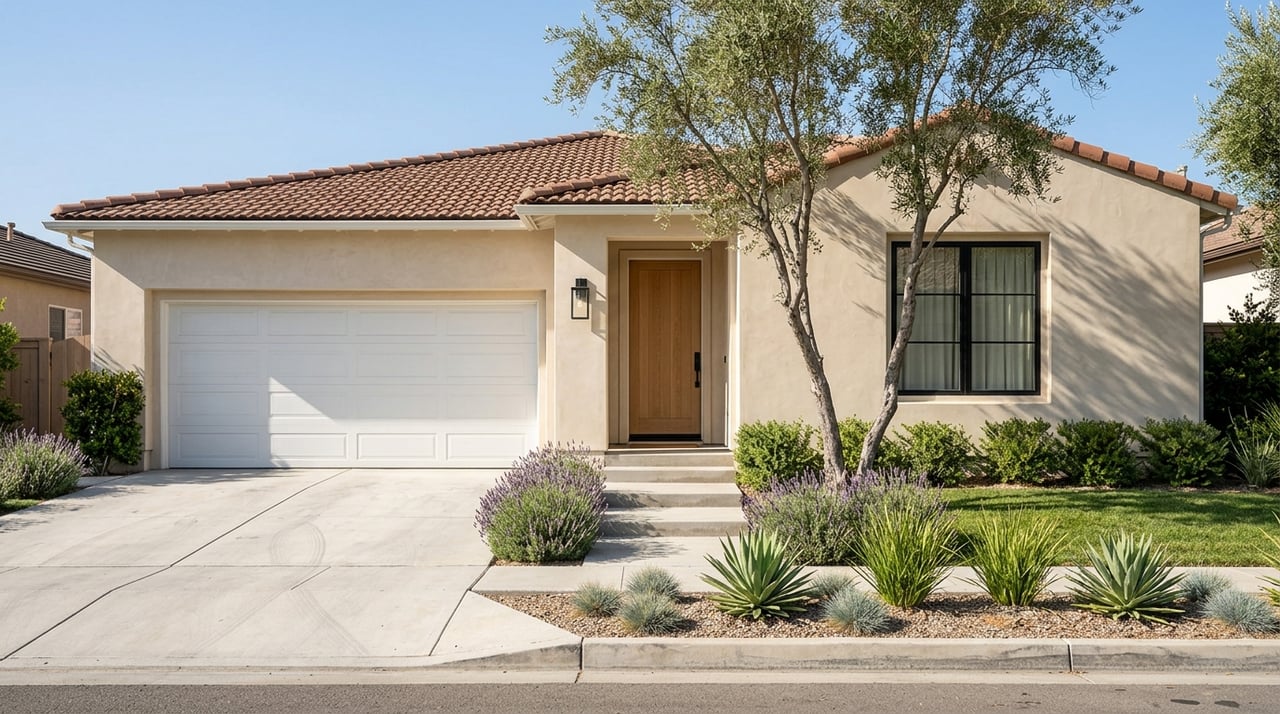
That makes the waterfront revitalization story most relevant to properties that already have location advantages. Homes and units that are closer to the waterfront, easier to reach on foot, or better positioned for views, parking, or updated interiors are the ones most likely to feel the benefit first.
Likely traits that could matter
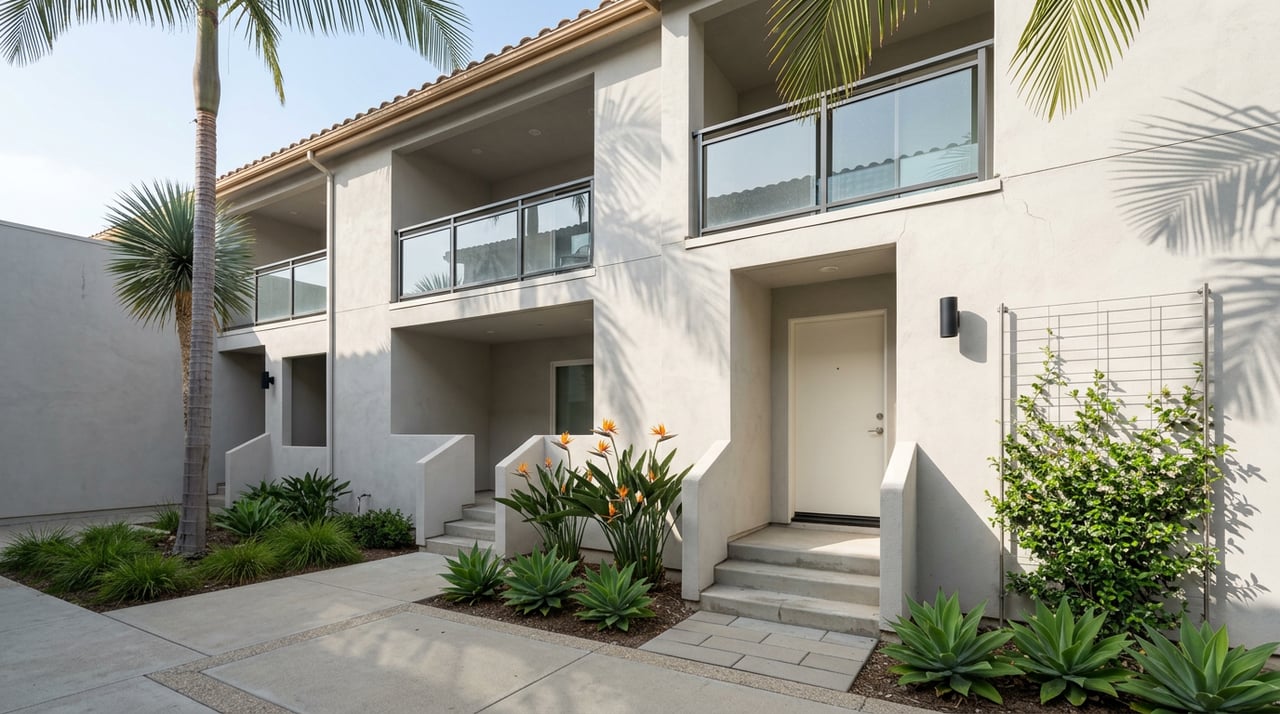
- Walkable access to the promenade or harbor area
- Convenient parking in a market where access can shape daily usability
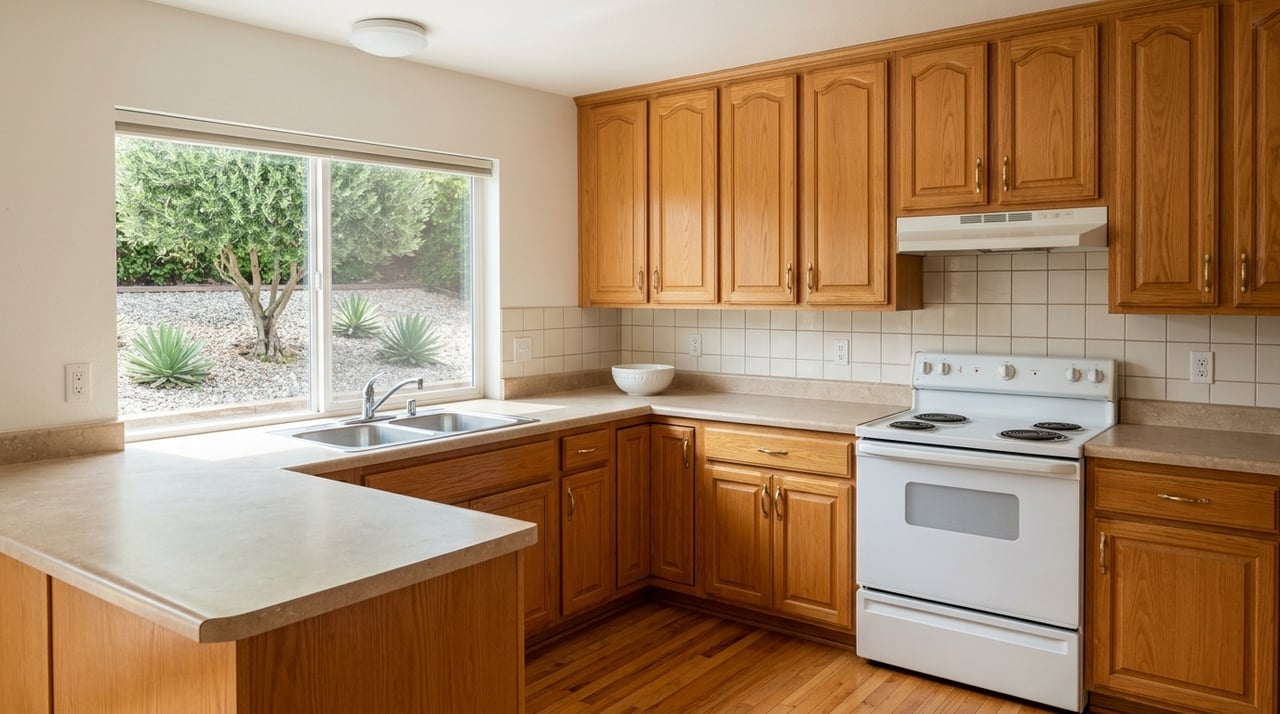
- Renovated interiors that match lifestyle-oriented buyer expectations
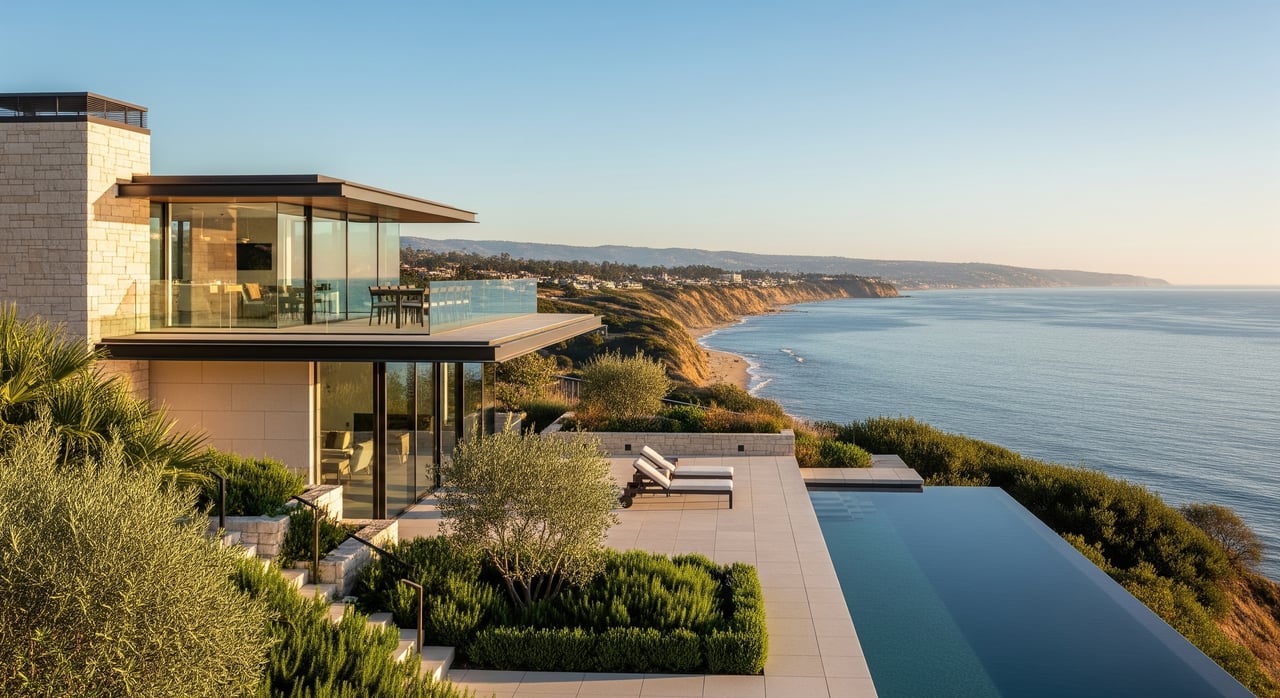
- Coastal or harbor-adjacent positioning
- Strong resale presentation for buyers comparing multiple nearby options
In other words, the projects may amplify existing strengths rather than create value evenly from scratch.
What sellers should keep in mind
If you own property in San Pedro, the waterfront story can strengthen your marketing narrative, but it should be used carefully. Buyers tend to respond best when a home’s location benefits are specific and believable.
That means it is more effective to talk about access, proximity, and usability than to imply guaranteed appreciation. A home near improving promenade connections or within the more active coastal segment may have a clearer case than a property farther inland with less direct benefit from the changes.
Timing also matters. With West Harbor targeted for 2026 and the SR 47 interchange project estimated to finish in December 2026, some sellers may find that buyer perception shifts before all construction is complete, while others may benefit from waiting until more of the waterfront experience is fully visible.
The right strategy depends on your property, your timeline, and how buyers are likely to compare your home to competing inventory.
What buyers should watch closely
If you are considering San Pedro, it helps to look beyond broad headlines. Two homes with similar square footage may offer very different long-term appeal depending on how they connect to the waterfront, how traffic patterns affect the block, and whether the surrounding area feels integrated with the new investment.
You should also pay attention to current market segmentation. Coastal San Pedro is already more competitive than Central San Pedro by the available market data, which means some of the waterfront upside may already be reflected in pricing for the most favorably located properties.
That does not eliminate opportunity. It simply means the best value may come from identifying homes with strong location fundamentals that are not yet fully appreciated by the broader market.
Important limits to the upside
It is just as important to understand what revitalization does not change. San Pedro remains adjacent to a working port, and the Port’s planning and capital projects continue to support maritime, industrial, and public-access uses within the same geography.
That means improved livability may still coexist with freight-related noise, traffic, and access constraints. For some buyers, that tradeoff will be acceptable. For others, it will remain a limiting factor, no matter how attractive the waterfront becomes.
Climate risk also deserves careful attention. Redfin’s hazard data, based on First Street, flags severe flood risk in both Central San Pedro and Coastal San Pedro.
For owners and investors, that is a reminder to weigh waterfront appeal against insurance considerations, maintenance costs, and long-term resilience. The smarter view is not to assume automatic price growth, but to evaluate upside alongside the real constraints that come with a harbor location.
The practical takeaway for San Pedro real estate
San Pedro’s waterfront revitalization is significant because it improves the experience of the harbor, strengthens public access, and adds new reasons for people to spend time in the area. That can support buyer interest, leasing demand, and resale appeal, especially in coastal and walkable pockets.
At the same time, the impact is unlikely to be uniform. The biggest gains are more likely to accrue to properties that already have strong positioning near the waterfront, while planning rules, working-port conditions, and flood risk continue to shape the market.
For both buyers and sellers, the real opportunity is in understanding which blocks, buildings, and property types are most aligned with the changes now underway. If you evaluate San Pedro through that more precise lens, the waterfront story becomes much more useful.
If you are weighing a purchase, sale, or investment decision in the South Bay and want a measured, property-specific perspective, the Mackenbach Group can help you assess the opportunity with local context and thoughtful strategy.
FAQs
What is the main San Pedro waterfront project buyers are watching?
- The main near-term project is West Harbor, a 42-acre waterfront redevelopment with restaurants, shopping, fresh markets, office space, a promenade, and an amphitheater, with opening targeted for 2026.
What does San Pedro waterfront revitalization mean for home values?
- The most supportable takeaway is that revitalization may strengthen demand, resale appeal, and leasing interest for well-located properties, but it does not guarantee price growth across all of San Pedro.
Which San Pedro properties are most likely to benefit from waterfront improvements?
- Properties in Coastal San Pedro and other walkable, harbor-adjacent locations are the most likely to benefit first, especially if they also offer features like parking, views, or updated interiors.
How do San Pedro market conditions differ by area?
- Available market data shows Coastal San Pedro is generally more competitive and more expensive than Central San Pedro, which suggests the waterfront story may have the strongest effect in coastal segments.
What risks should buyers consider near the San Pedro waterfront?
- Buyers should consider severe flood risk flagged in market hazard data, along with the realities of living near a working port, including possible noise, traffic, and access constraints.