Thinking about selling behind the gates in Rolling Hills? Pricing here is not like pricing a typical suburban home. Privacy, acreage, and equestrian features all shift value, and low turnover makes comps scarce. In this guide, you’ll learn how to price with confidence by building a tailored comp set and a clear buyer profile that fits this micro‑market. Let’s dive in.
Why Rolling Hills pricing is different
Rolling Hills is a low‑turnover, gated micro‑market on the Palos Verdes Peninsula. Large lots, extensive privacy buffers, and equestrian uses make each property unique. That means fewer recent sales and wider valuation ranges than you see in higher‑turnover neighborhoods.
Limited inventory can force you to look at older sales and nearby areas for comps. You will likely adjust for time, geography, acreage, equestrian improvements, and privacy features. Utilities and upkeep on larger parcels, wildfire insurance considerations, and zoning or CC&Rs can also affect buyer demand and price sensitivity.
Core value drivers to price right
Privacy and security
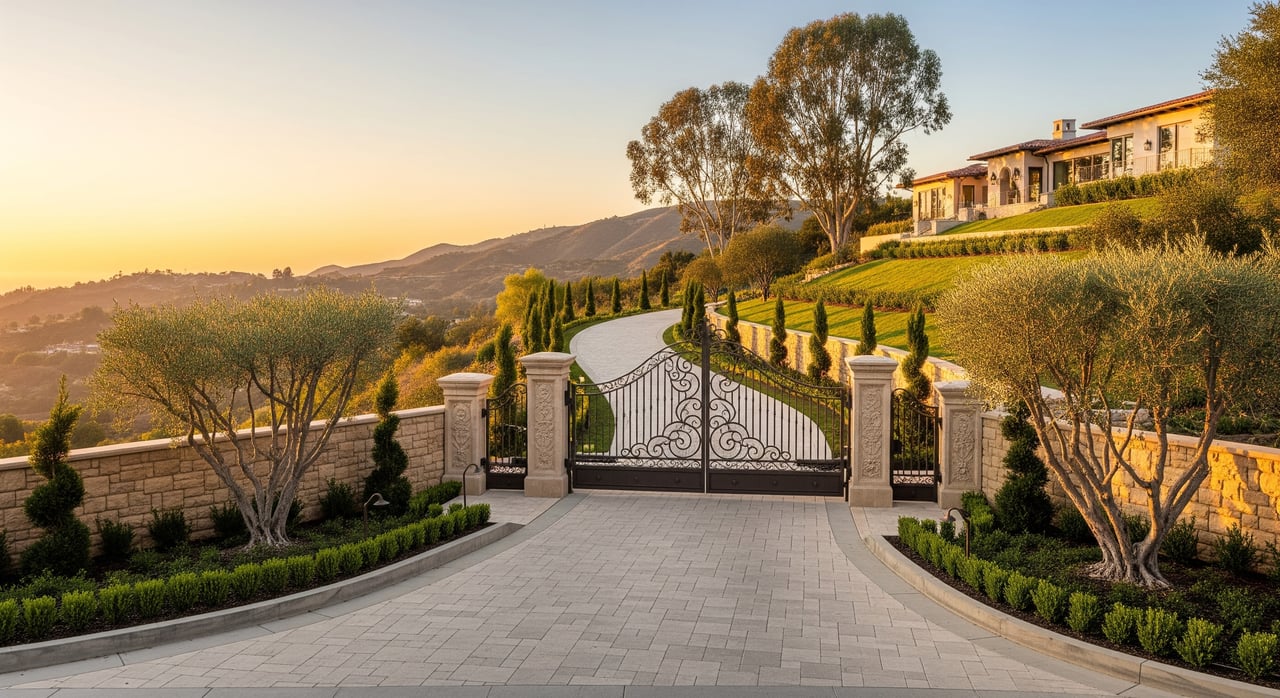
Buyers who want seclusion often pay a scarcity premium for privacy features. Gated entries, long private driveways, and distance from public roads can raise perceived value. When building your comp set, note setbacks, fencing, neighbor proximity, and visibility. If you must compare to non‑gated areas, prepare for meaningful adjustments.
Acreage and usability
More land usually raises total price, but price per acre often drops as size increases. Usable acreage matters more than gross acreage. Flat, fenced, and irrigated areas, plus access for vehicles and equipment, carry more weight than steep or undevelopable sections. Avoid simple per‑acre math for estate lots; it can mislead.
Equestrian improvements
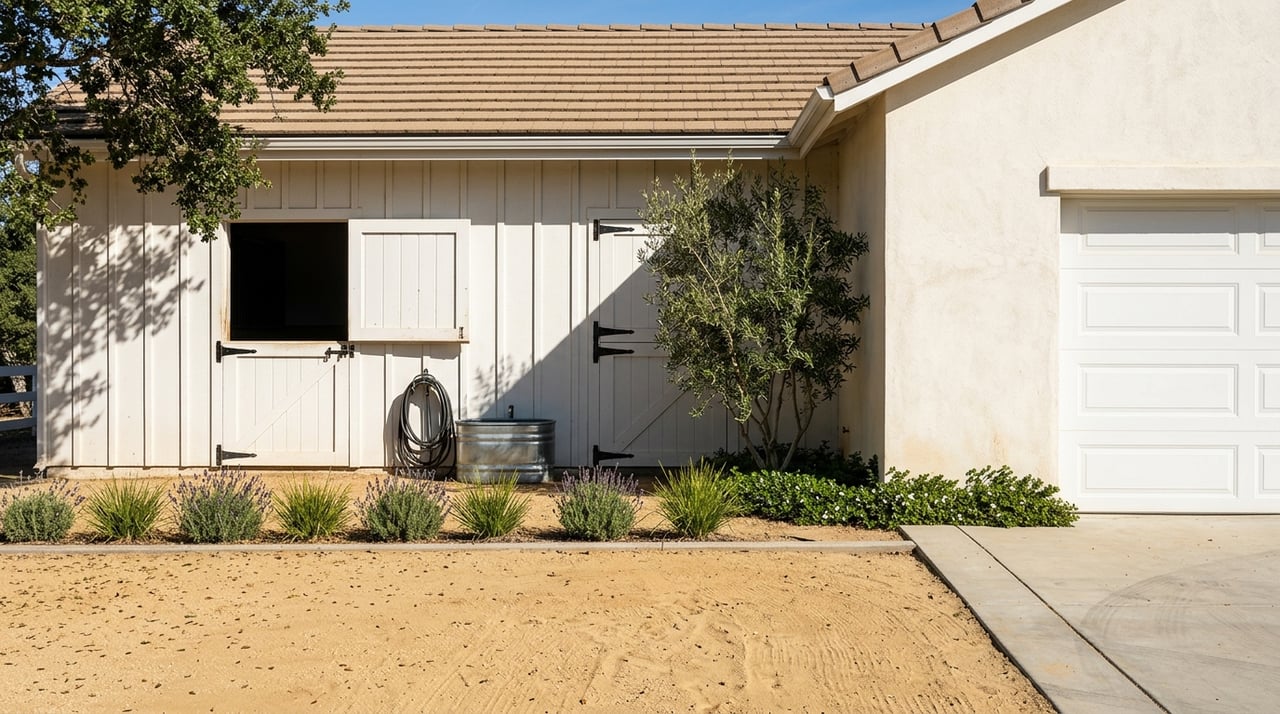
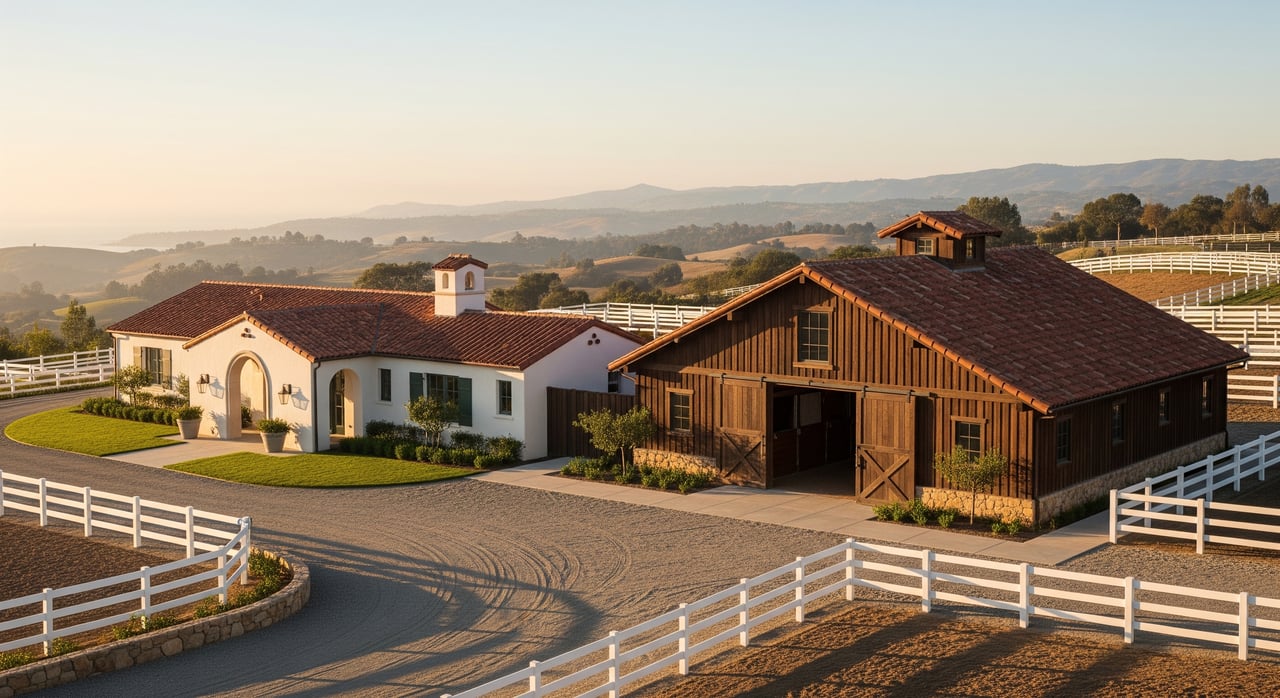
Functional, permitted, and well‑maintained equestrian features drive value for equine buyers. Stalls, tack rooms, wash racks, turnout, arenas, and cross‑fencing should be documented by capacity and condition. For comps, include properties with similar facilities even if other details differ, then adjust for quality and functionality.
Views and buffers
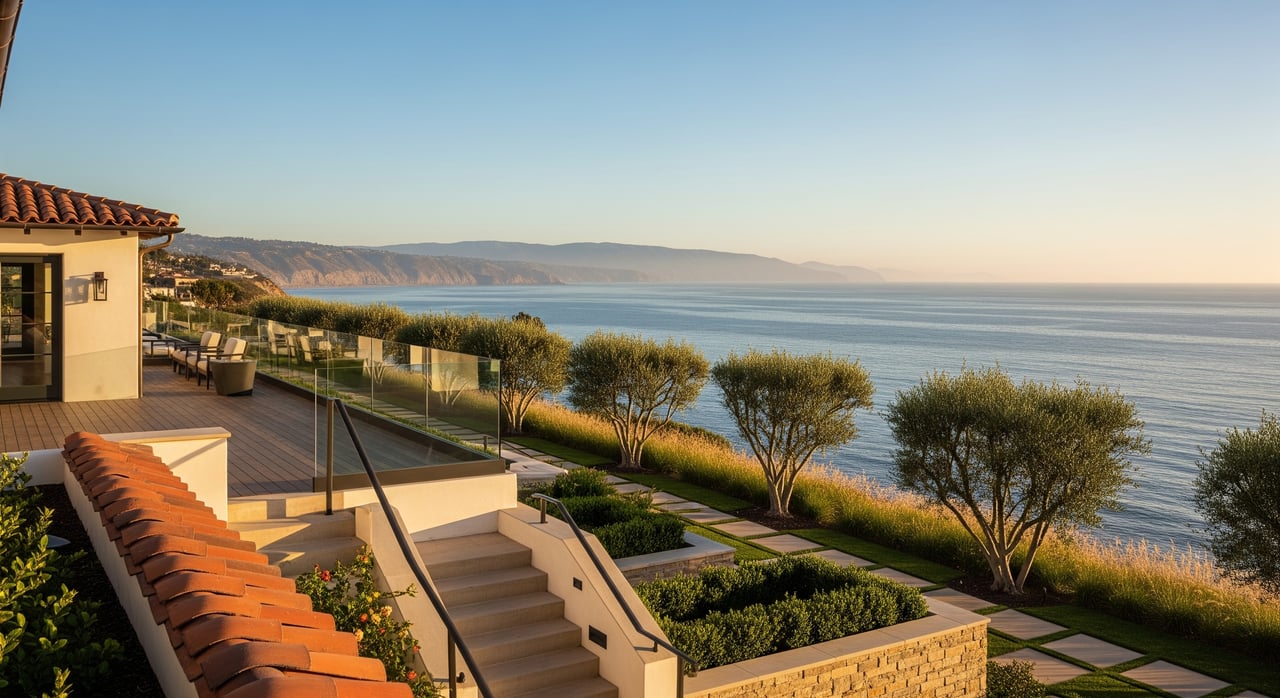
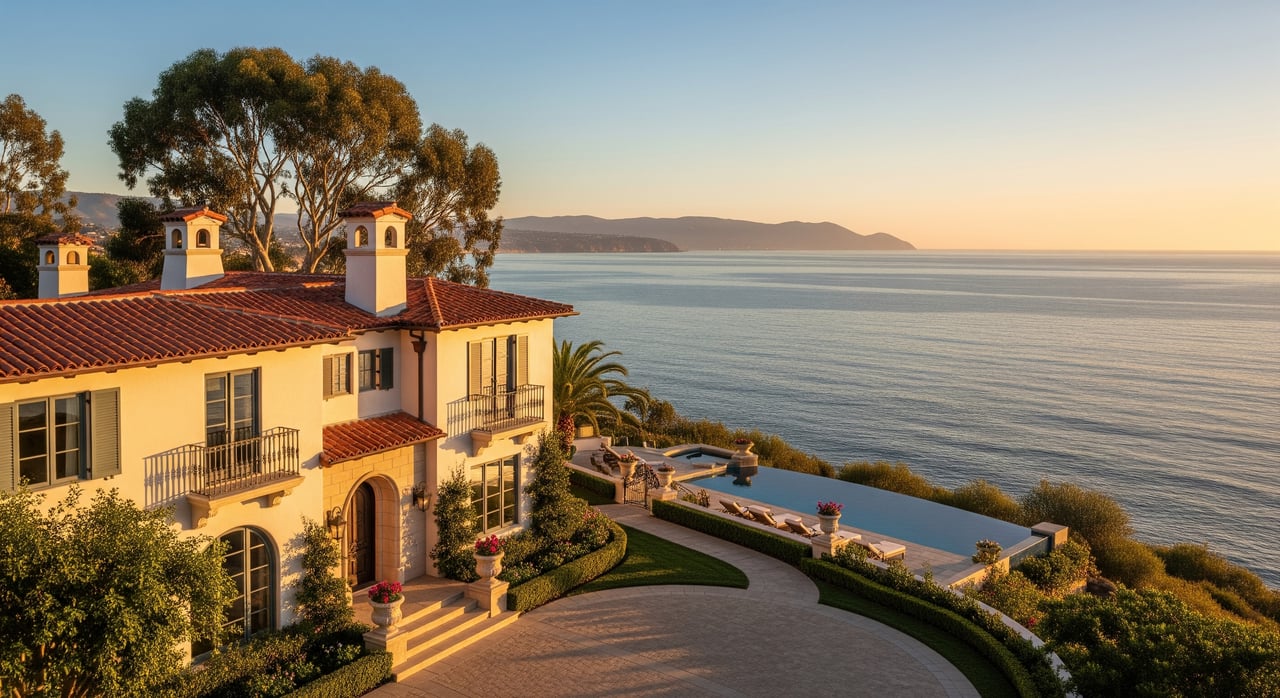
Ocean, city, or rolling‑hill views can shift pricing tiers. So can landscaped privacy buffers and tree lines. Rank views by tier and keep adjustments consistent across comps.
Regulations, insurance, and upkeep
City zoning, CC&Rs, and permitted uses influence value. Wildfire exposure can affect insurance availability and cost. Large parcels often mean higher ongoing expenses for landscaping and fencing. Buyers factor these into offers, so surface them early.
Build a tailored comp set
A tailored comp set is your foundation. Here is a practical approach:
- Start with Rolling Hills sales from the last 24–60 months. Extend the time window if turnover is low, and apply time adjustments based on local price trends.
- Add adjacent gated community sales on the Peninsula with similar lot sizes and equestrian features. Document your geographic adjustments.
- If needed, add sales with matching acreage or equestrian facilities from the broader county, using conservative location adjustments.
- Include active, pending, expired, and known off‑market data to read current demand.
- Quantify adjustments for acreage brackets, stall counts, arenas, views, and privacy tiers using paired sales when available.
- Use price per square foot or per acre only as supporting indicators, not the main tool.
Define your buyer profile
A clear buyer profile helps you set the right price and marketing plan.
- Equestrian buyers: value barns, arenas, turnout, and functional layouts.
- Privacy‑focused households and high‑net‑worth buyers: value seclusion, security, and controlled showings.
- Estate compound seekers: value multi‑structure potential and usable acreage.
- Relocating luxury buyers: may prioritize lifestyle, views, and low visibility.
Document value drivers and deal breakers for each segment. Insurance costs, CC&Rs, or maintenance burdens can narrow the buyer pool. Pricing should reflect both the property’s strengths and the size of the audience that cares about them.
Align marketing with price
Targeted outreach often outperforms broad advertising for gated estates. Networked broker channels, equestrian communities, and luxury buyer lists reach the people most likely to pay for your specific features. Consider private or controlled showings to respect privacy, but weigh that against the need for exposure. Your pricing and showing plan should work together to create urgency without limiting qualified access.
Timing and market conditions
Spring is a traditional window for luxury listings, but scarcity can shift timing. Monitor interest rates, stock market performance, and liquidity in the luxury segment. If you are a trustee or executor, allow extra time for approvals and court or procedural steps. Build these timelines into your pricing and negotiation strategy.
Reduce appraisal and lending risk
Unique properties face appraisal challenges. Get ahead of it:
- Prepare a detailed inventory of equestrian improvements, with photos, permits, utility info, and construction dates.
- Provide a lot survey and a breakdown of usable acreage, setbacks, and easements.
- Summarize CC&Rs and zoning items that affect use or value.
- Share maintenance records and recent upgrades.
- For older comps, explain time adjustments using local luxury trend data.
Pricing moves that stand up
The best strategy blends data with local expertise:
- Anchor list price in your tailored comp set and clearly documented adjustments.
- Present a pricing range to reflect comp scarcity and buyer‑specific premiums for privacy and equestrian features.
- Use a cost approach to support value for significant equestrian improvements.
- Be ready for dual‑track decisions: hold firm for the right buyer while planning for timing or fiduciary constraints.
- Expect enhanced underwriting on unique assets; prepare lenders with your documentation package.
Guidance for trustees and estates
If you are selling as a fiduciary, defensibility matters.
- Obtain a professional appraisal early from someone experienced with equestrian and estate properties.
- Keep clear records of marketing, showings, and offers to support fair market value.
- Confirm any procedural requirements with estate counsel. Tax matters can be complex, so consult your CPA or tax attorney.
- If court confirmation is required, account for timing and its impact on net proceeds.
Quick checklists
Comp set checklist
- Rolling Hills sales with sale date, DOM, lot size, views, privacy notes, and equestrian features.
- Adjacent gated sales with documented location adjustments.
- Cost approach estimates for substantial equestrian improvements.
- Active, pending, expired, and off‑market intel.
- Paired sales to justify adjustments for acreage, stalls, views, and privacy.
Buyer profile checklist
- Top three buyer types for your property.
- Value drivers and deal breakers for each type.
- Targeted channels: equestrian publications or circuits, luxury broker networks, and private lists.
When you want a pricing plan grounded in the realities of Rolling Hills, work with local experts who live this micro‑market. To discuss your property and receive a confidential valuation plan, contact the Mackenbach Group. Request a Private Consultation.
FAQs
Rolling Hills comps: how many?
- Often very few recent, truly comparable sales. Expect a broader time window and geographic reach, plus non‑typical comps and cost approach support.
Arena or barn value: how much?
- It depends on quality, capacity, and buyer profile. Functional, permitted facilities add measurable value for equestrian buyers. Use paired sales and cost‑to‑replace as support.
Pre‑listing appraisal for trustees?
- Yes. It provides a defensible baseline, documents condition, and supports fiduciary duties and pricing decisions.
Price per acre: is it reliable?
- Use it only as one indicator. Usable acreage, views, and private improvements vary widely and can make simple per‑acre math misleading for estate lots.
Time adjustments for older comps?
- Use local luxury market trends to adjust older sales. Document the method and keep the same approach across your comp set.
What helps reduce appraisal risk?
- Provide a full improvements inventory, permits, usable acreage mapping, CC&Rs summary, maintenance records, and clear paired‑sale adjustments.
Privacy features and price impact?
- Seclusion can command a buyer‑specific premium. Adjust comps for gate presence, setbacks, fencing, neighbor distance, and visibility from public roads.