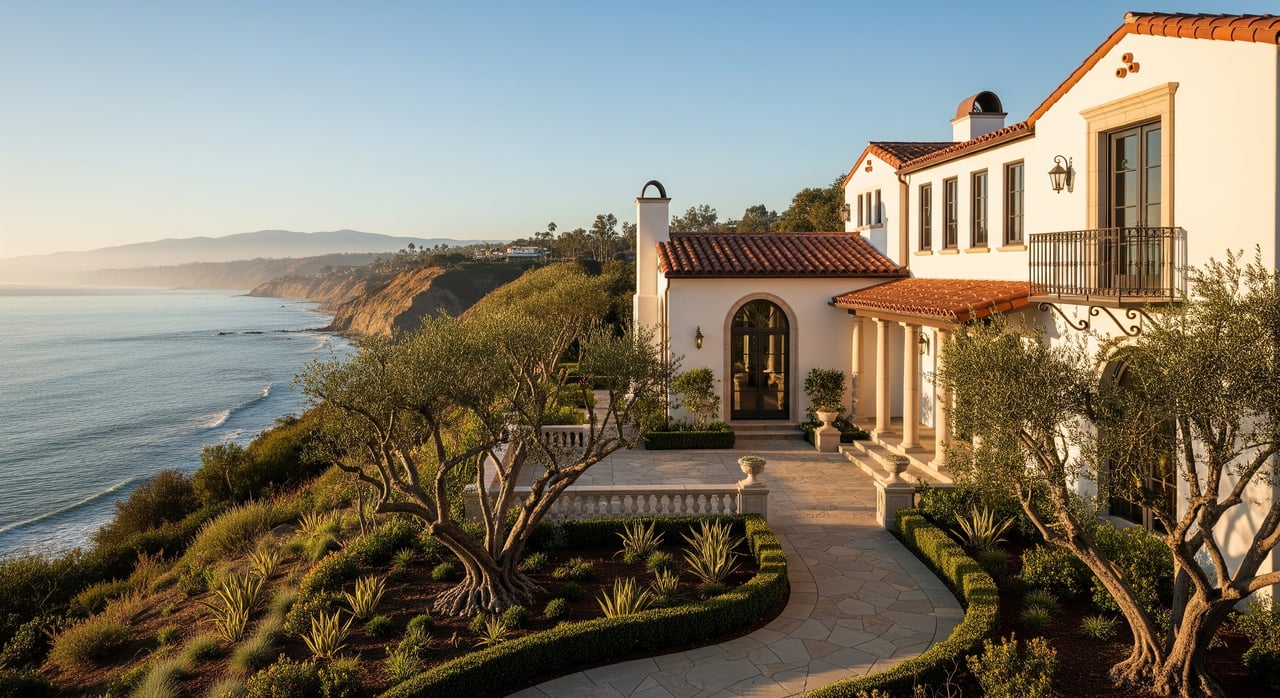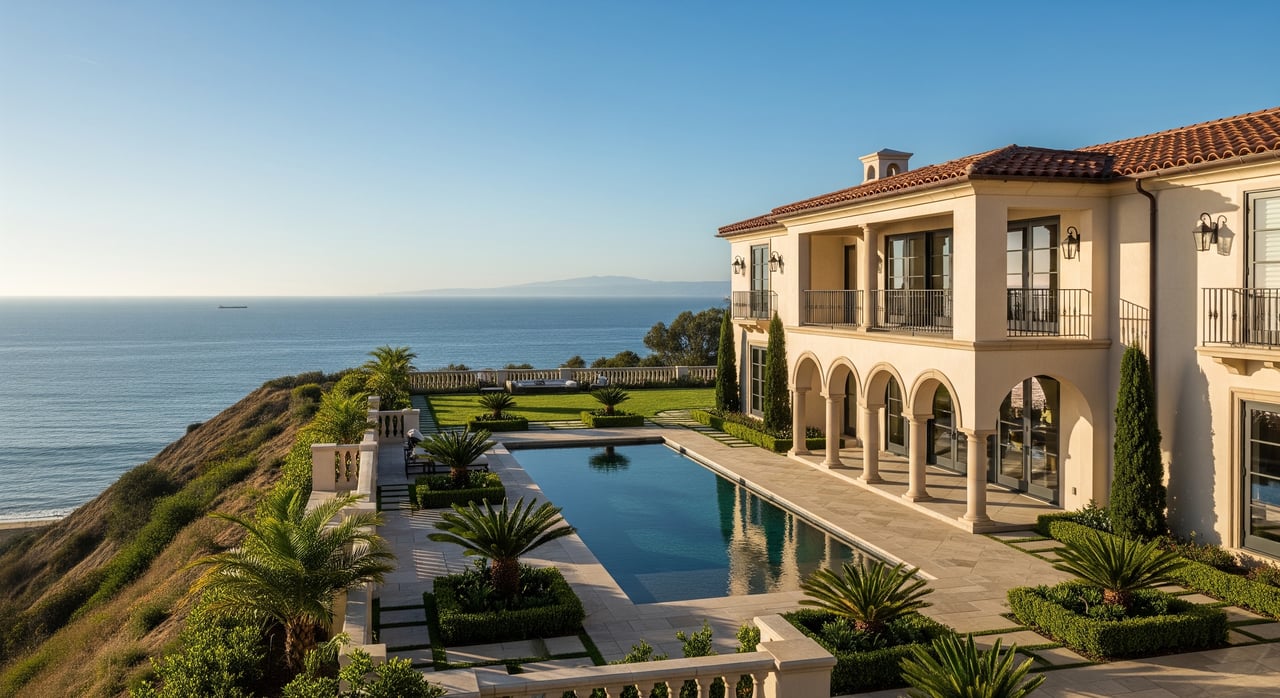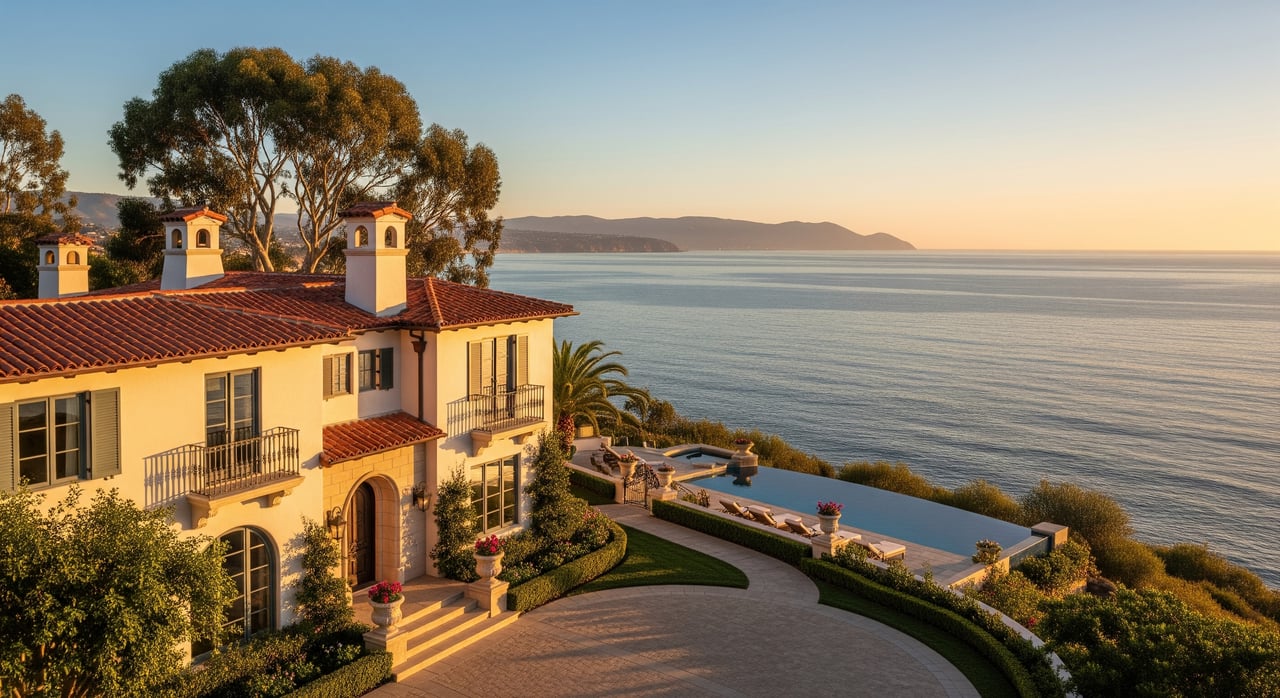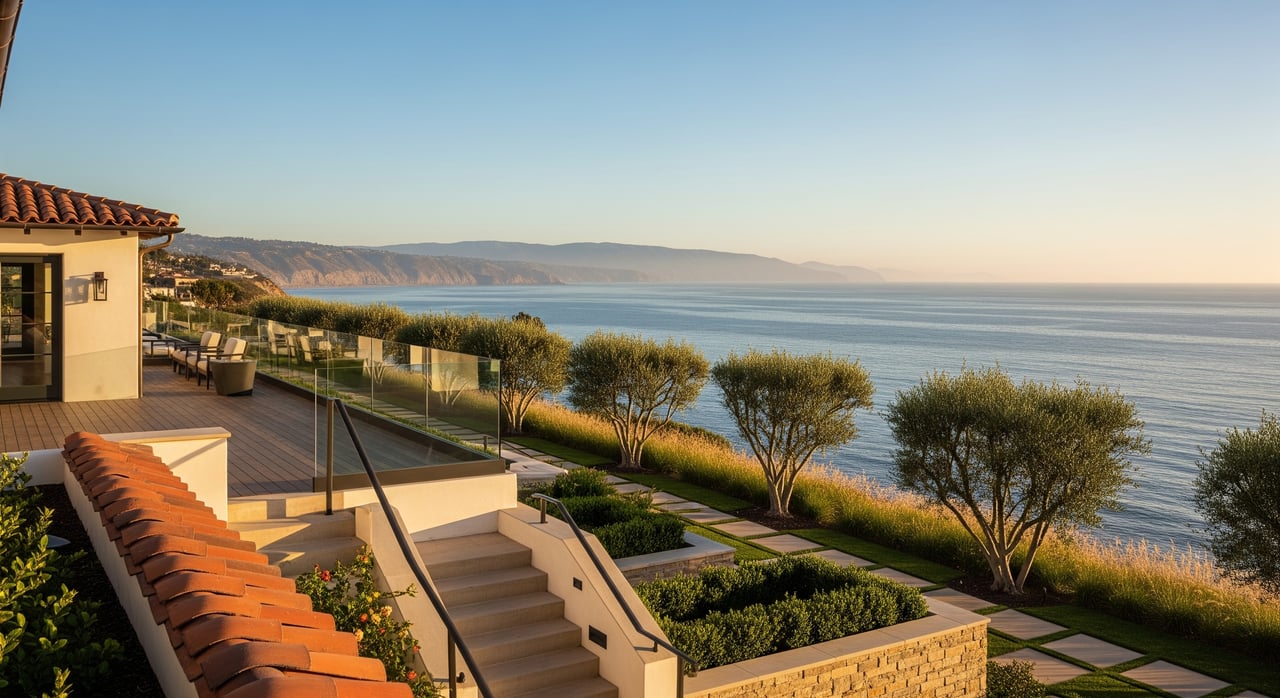
Worried a neighbor’s trees or a second-story addition might change your ocean view in Palos Verdes Estates? You are not alone. Views are a big part of why you live here, and the rules can feel complex when you plan a remodel or new landscaping. In this guide, you will learn how local ordinances, design review, and private documents shape what is possible, plus the steps to move forward with confidence. Let’s dive in.
What “view ordinances” mean in PVE
There is no automatic legal right to a view. In California, you usually need a recorded easement or covenant to guarantee a view across a neighbor’s property. Without one, outcomes depend on the City’s municipal code, design review standards, and any private restrictions tied to your lot. If you believe you have view rights, the exact wording in your title documents matters.
City rules that matter
Palos Verdes Estates regulates building height, setbacks, tree and vegetation work, and exterior design through its municipal code and design review process. For most exterior changes, you can expect City planning staff or a Design Review Board to look at height, massing, materials, and landscaping to see how your project fits the neighborhood and whether it unreasonably impacts nearby sightlines. If your property is in the coastal zone or near a bluff, additional coastal and geotechnical standards may apply.
Private documents to check
Your parcel may have recorded view easements, CC&Rs, or neighborhood covenants that are stricter than City rules. These can govern tree heights, allowable materials, or where you can add square footage. A current preliminary title report is the best way to see what is recorded against your property.
How rules affect remodels and additions
Height and massing decisions
Height limits and setbacks define your building envelope and are central to sightlines from neighboring homes. Architects often use lower roof ridgelines, stepped upper floors, or split-level concepts to reduce perceived bulk. Orientation choices, like where you place a living room or suite, must balance view goals with code limits and privacy.
Hillside and bluff constraints
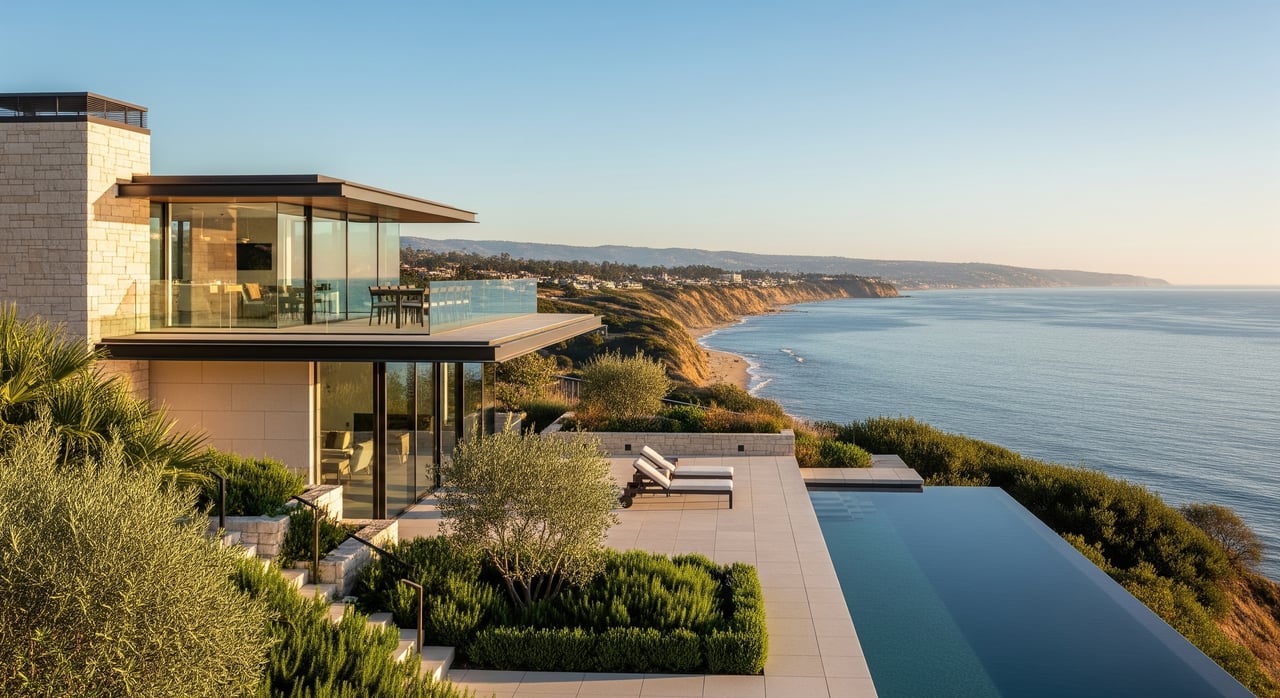
On sloped or bluff-top sites, grading rules, stability standards, and coastal setbacks can restrict where you build and how tall you can go. These controls are intended to protect safety and community character. They also influence how you position windows, decks, and outdoor areas to capture views without creating avoidable impacts.
Design review expectations
Most exterior projects go through design review. Reviewers may suggest changes such as roof height adjustments, second-floor step-backs, or alternate materials to reduce bulk. Early concept meetings with staff can surface view concerns before you invest heavily in final drawings.
Landscaping and trees
Permits and arborists
Tree ordinances typically govern removal and major pruning on private property, with permits often required for larger trunks or protected species. If you plan significant pruning or removal, be ready to provide an arborist report and a replacement planting plan. Healthy trees on a neighbor’s lot are rarely ordered removed simply because they affect a view.
Neighbor collaboration
View-related tree issues often resolve best through early, respectful outreach. Written agreements to maintain plant height, choose low-growing species, or follow a seasonal pruning schedule can prevent disputes. The City may require mitigation planting or recorded maintenance conditions as part of an approval.
Permits, documentation, and timelines
What you will likely need
- Architectural plans and elevations showing existing and proposed profiles
- A site topographic survey to illustrate relative elevations and sightlines
- An arborist report if trees are involved
- A geotechnical report for hillside, bluff, or major grading work
- Stormwater and drainage plans for additions and new hardscape
- Photographic simulations or view diagrams that show neighbor perspectives
Typical timelines and costs
Every project is unique, but here are general ranges to help you plan:
- Preliminary research and pre-application: 2 to 6 weeks
- Staff-level design review and building permit intake: 4 to 12 weeks for simpler scopes
- Design Review Board hearings and revisions: 6 to 16 weeks, longer if appeals occur
- Variances or other discretionary approvals: 3 to 6 months or more
- Coastal and geotechnical reviews: can add several months
Professional fees vary by scope, but you might expect ranges such as architect or designer 5,000 to 50,000+, structural or geotechnical engineer 1,000 to 10,000+, arborist report 300 to 1,500, City permits 500 to 10,000+, and landscape or mitigation planting 500 to 10,000+. Treat these as estimates and confirm current City requirements before deciding.
Step-by-step checklist for PVE homeowners
1) Title and document review
- Order a current preliminary title report and review recorded easements, CC&Rs, or covenants that mention views, tree height, or exterior changes.
- If you are in an association, read the HOA rules for design and landscape standards.
2) Confirm municipal and coastal status
- Ask City planning for your zoning designation, height and setback standards, and any special overlays.
- Confirm if your lot is in the coastal zone or near a bluff, which can trigger extra permits.
3) Engage the City early
- Schedule a pre-application meeting to learn about required studies and the likely review path.
- Request design guidelines and the application checklist so you can prepare a complete submittal.
4) Document the site
- Commission a licensed survey with topography and property corners.
- If tree issues are likely, hire an ISA-certified arborist to document species, size, condition, and options.
5) Design and neighbor outreach
- Work with an architect experienced in PVE and hillside design to test lower-profile massing options.
- Share concepts with neighbors and propose mitigation like low-growing planting, recorded maintenance agreements, or sightline diagrams.
6) Submit and iterate
- File complete applications including all required reports and visual simulations.
- Expect feedback and be ready to adjust rooflines, step-backs, or materials to address view and compatibility concerns.
7) Record conditions and maintain
- If the City requires mitigation or maintenance conditions, record them so they remain enforceable.
- For private agreements with neighbors, consider recording to preserve clarity over time.
Common scenarios and practical tips
Planning a second story
Keep plate heights modest and consider a partial second story set back from the primary view corridor. Provide street and neighbor-facing elevations that show how rooflines step down. Photographic simulations from key neighbor vantage points can help reviewers see the intent.
Opening up a view with tree work
If you plan major pruning or removal, start with an arborist report and a replacement plan that favors shorter species. Propose a maintenance schedule so new plantings do not become future issues. Communicate early with adjacent owners to avoid surprises.
Remodeling on a slope
Split levels or terraced additions can add space without creating a tall, continuous wall. Lowering ridgelines and using materials that reduce perceived bulk can be effective during design review.
When to bring in experts
You will benefit from a team familiar with PVE’s process. Architects and landscape designers can shape massing and planting choices to address view and compatibility. Surveyors and geotechnical engineers provide the technical foundation for hillside or coastal sites. Real estate attorneys help interpret recorded easements and CC&Rs when there is a dispute.
If you are weighing a remodel, tree work, or a purchase where views are central, connect with a local advisor who understands both the code and the neighborhood dynamics. The Mackenbach Group offers discreet, full-service guidance on the Peninsula so you can plan with clarity and protect long-term value.
FAQs
Do Palos Verdes Estates homeowners have a legal right to a view?
- Generally no. Unless you have a recorded view easement, covenant, or similar document, there is usually no automatic right to an unobstructed view.
Can I trim my neighbor’s tree to restore my view in PVE?
- You cannot remove or harm a neighbor’s tree, and trimming across the property line can create liability. Consult the City’s rules, speak with the neighbor, and use an arborist and the City process when needed.
How does design review in PVE evaluate view impacts on a remodel?
- Reviewers look at height, massing, and neighborhood fit. They may request step-backs, lowered rooflines, or material changes to reduce bulk and avoid unnecessary view obstruction.
What permits and reports are typical for a coastal or bluff-side project in PVE?
- Expect local coastal development requirements where applicable, geotechnical studies for stability, and standard submittals like architectural plans, surveys, and drainage plans.
How long do approvals in Palos Verdes Estates usually take?
- Simple projects can move in a few weeks after submittal, while DRB hearings, variances, or coastal reviews can extend timelines to several months, especially if appeals occur.
What supports a variance request in PVE if I need one?
- Detailed surveys, visual simulations, arborist and geotechnical reports, and records of neighbor outreach and mitigation proposals help demonstrate practical need and reduced impacts.