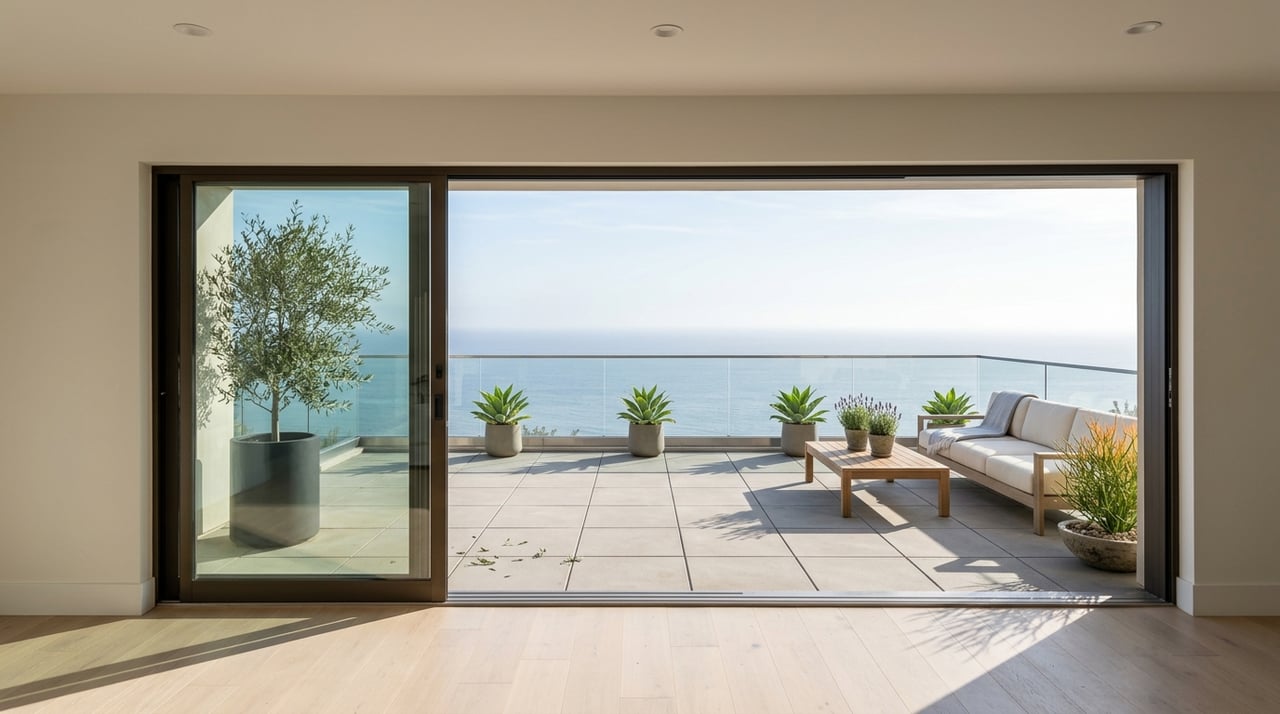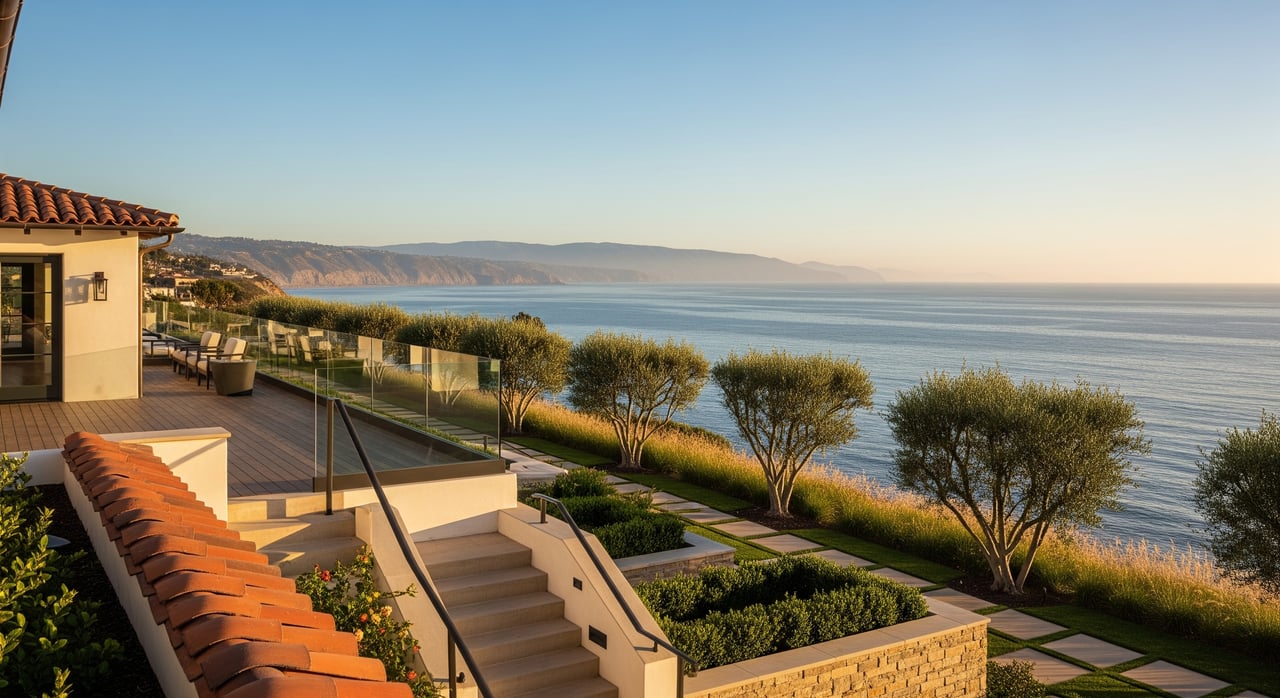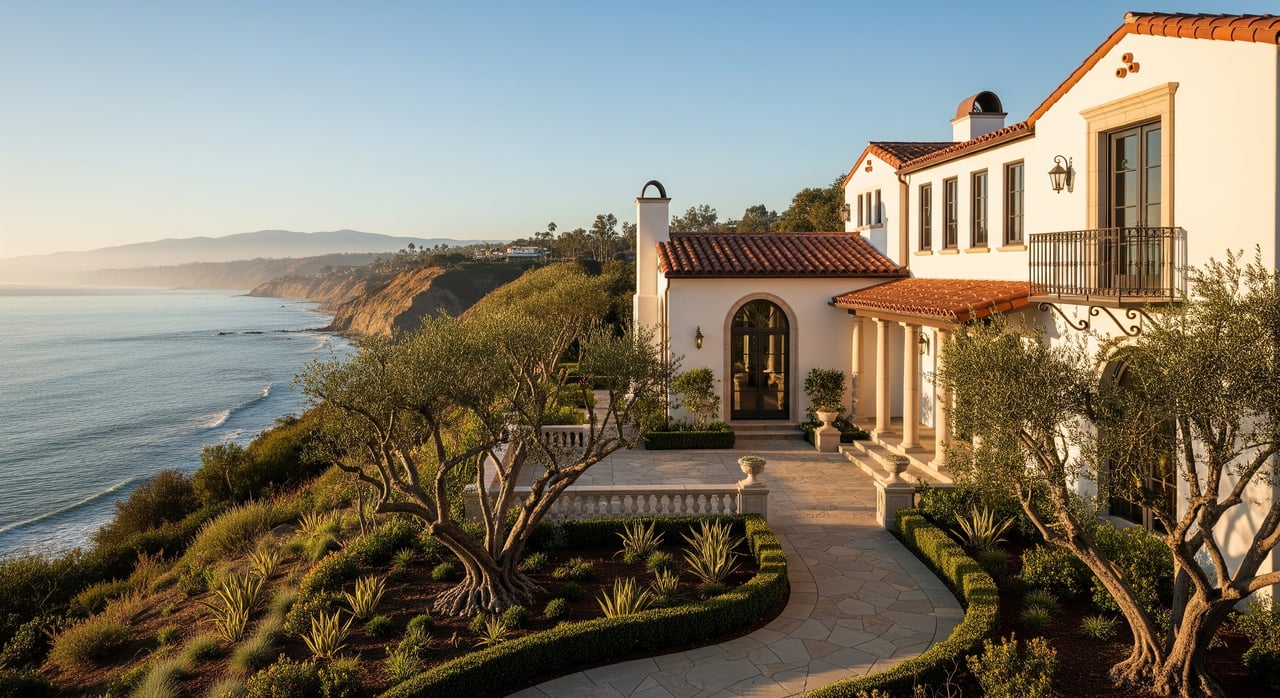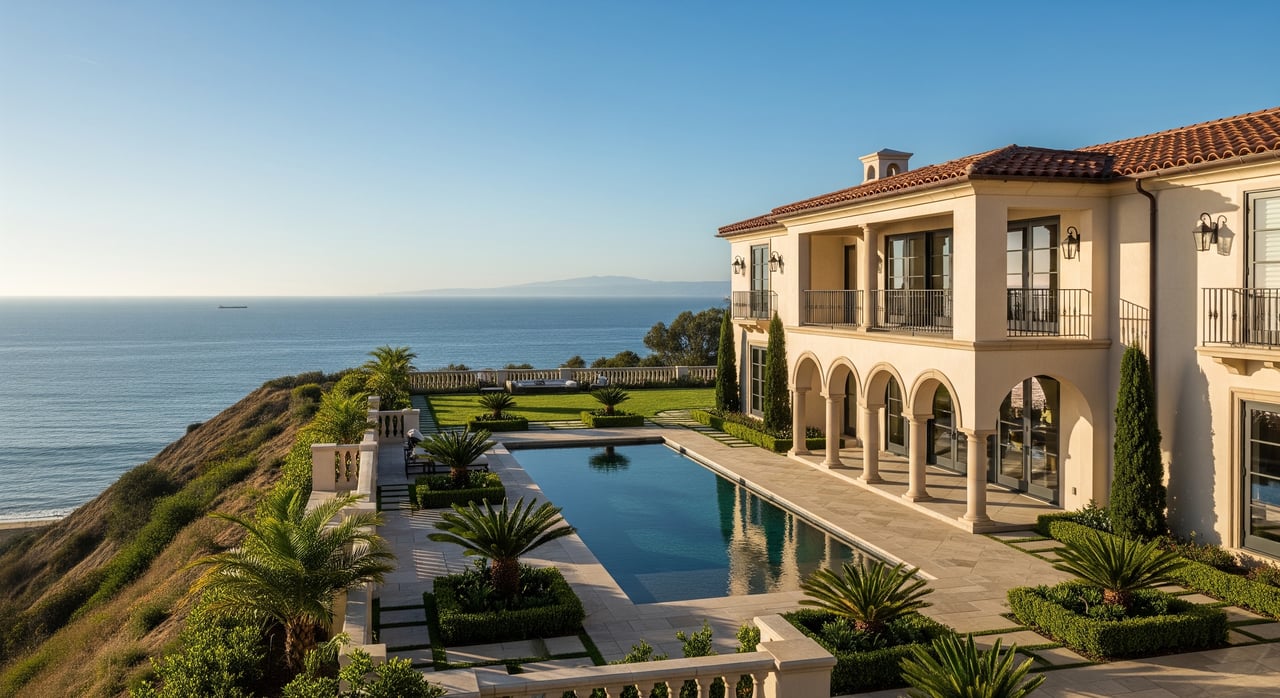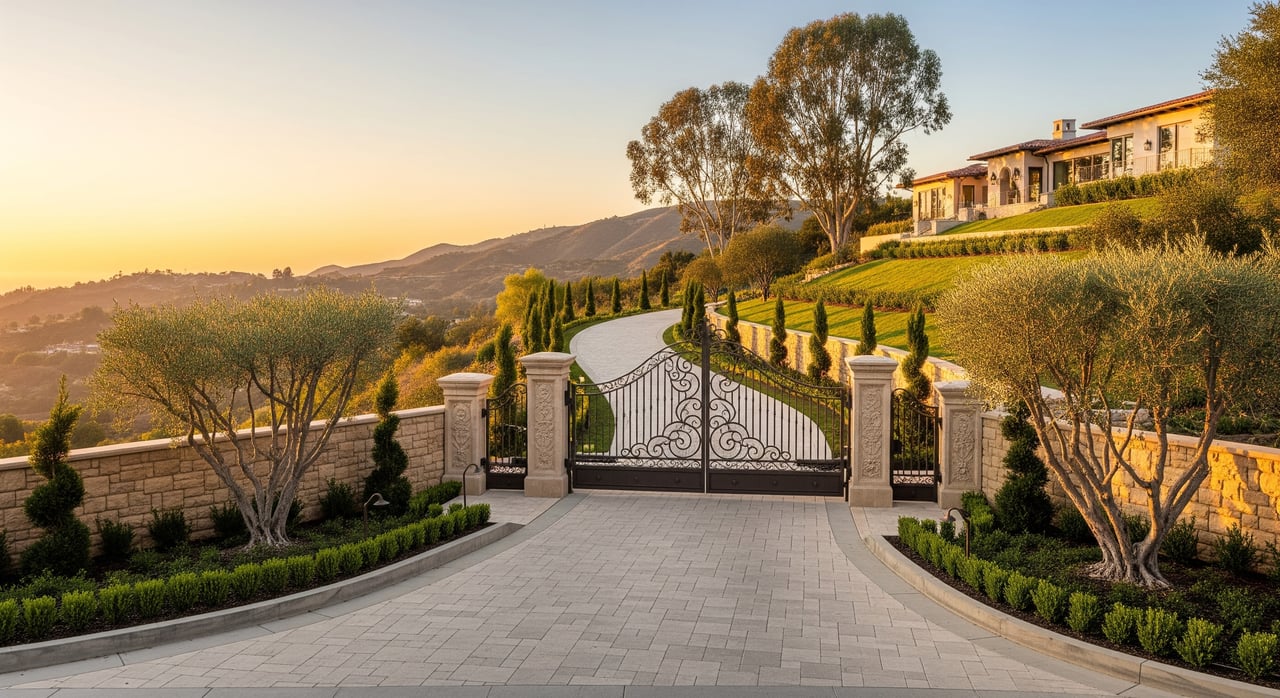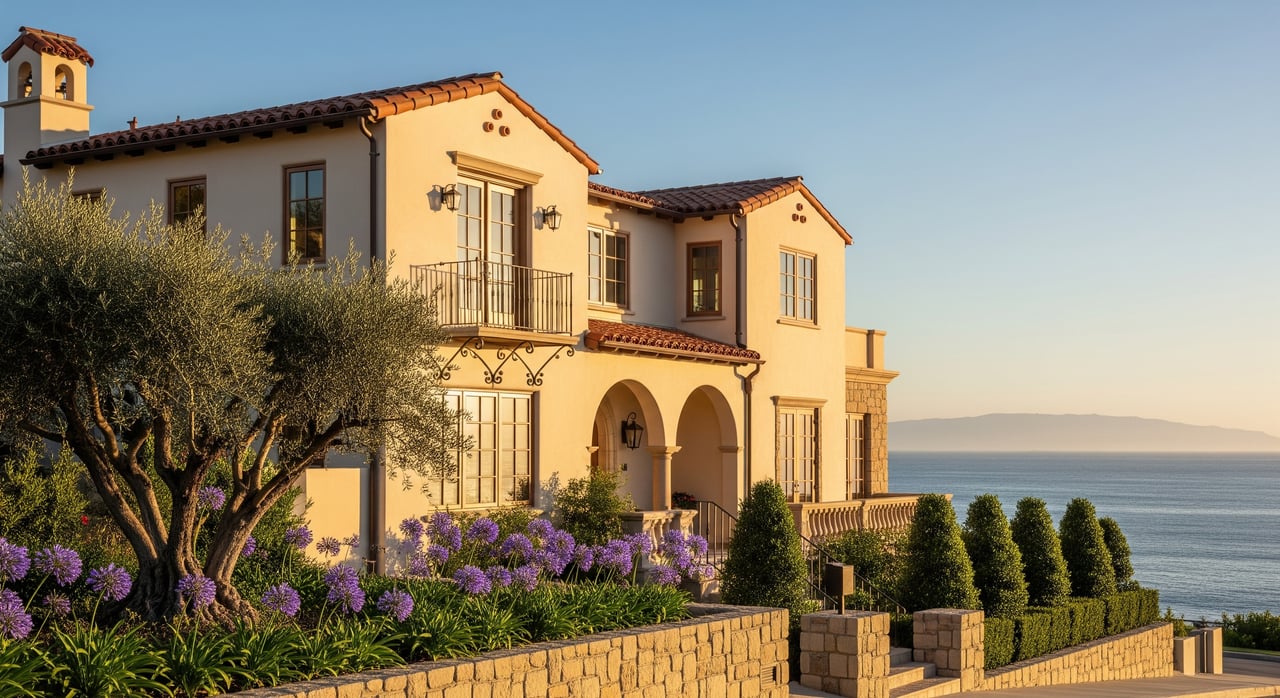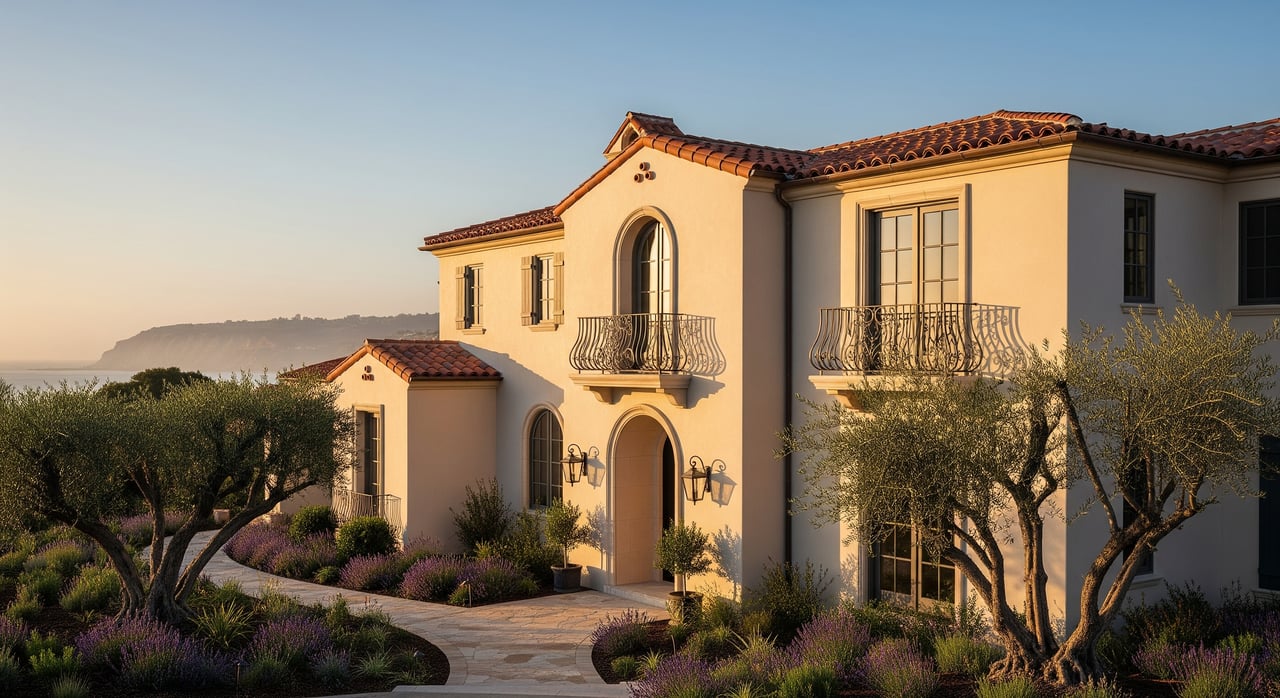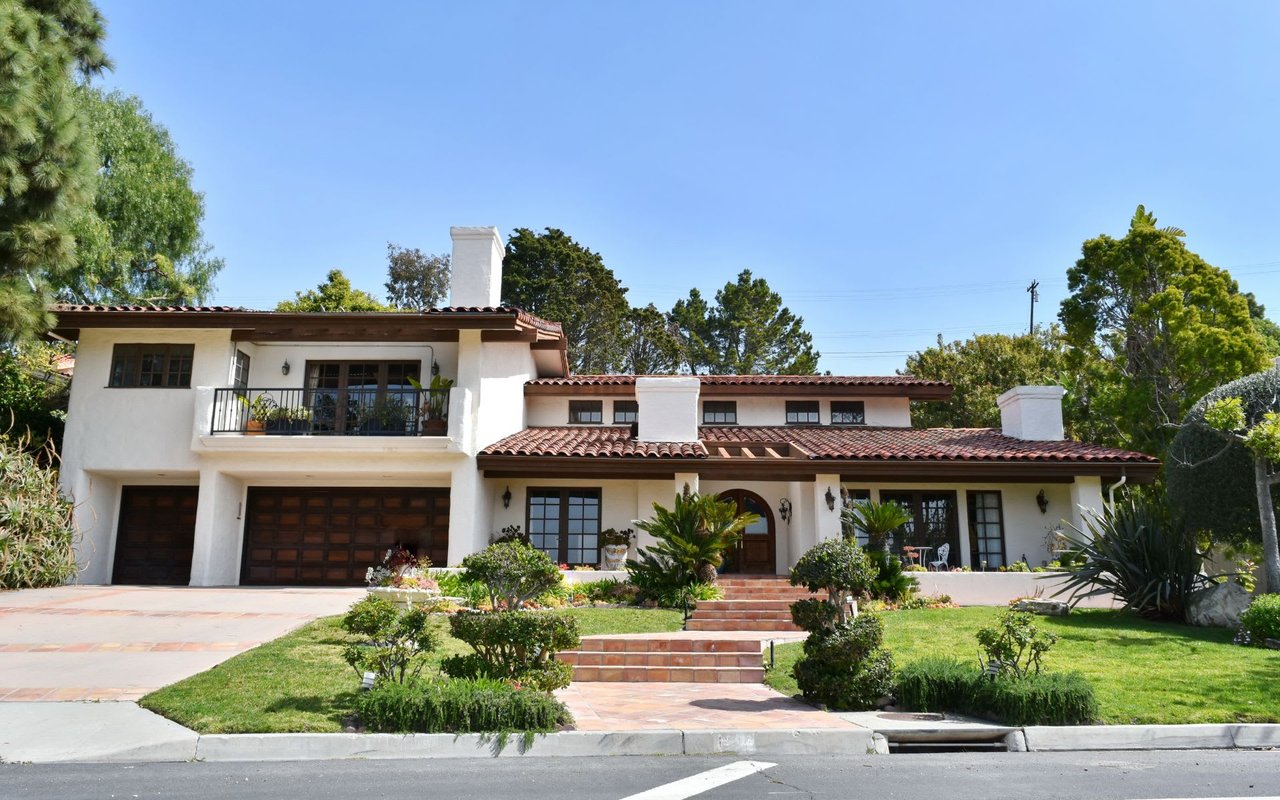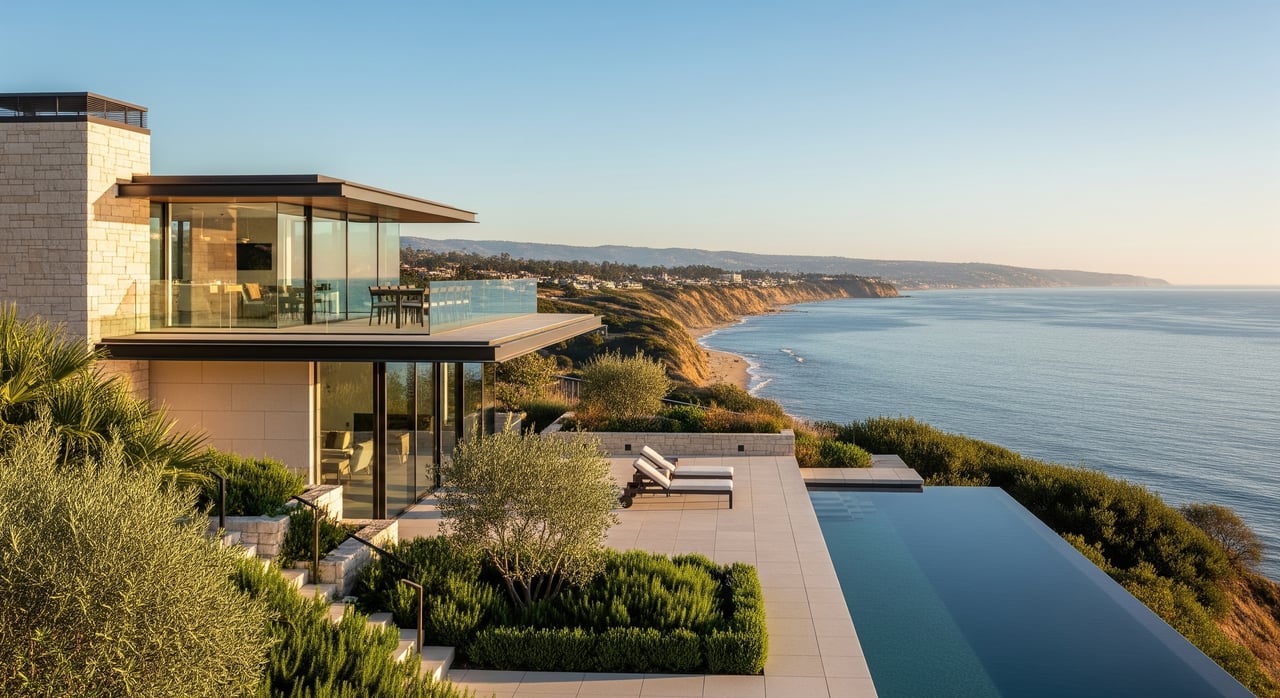
That sweeping ocean panorama is likely a big part of why you are considering a home in Rancho Palos Verdes. The question many buyers ask is whether that view will stay protected over time. RPV’s view preservation framework sets expectations for trees, structures, and neighbor processes that can affect your day-to-day enjoyment and future resale. In this guide, you’ll learn what the ordinance is designed to do, how the process usually works, and the steps you can take to protect your interests. Let’s dive in.
RPV view ordinance basics
View preservation rules exist to balance two private rights: your ability to enjoy a significant view and your neighbor’s right to maintain landscaping and improvements. These ordinances are typically triggered when a property owner alleges that their ocean, canyon, or coastline view has been reduced by vegetation growth or a structure on a nearby lot.
For buyers of premium view homes, the key takeaway is simple: your view may depend on city procedures, neighbor cooperation, and tree protections. That means outcomes are not instant, and maintenance can be ongoing.
How the process usually works
While Rancho Palos Verdes has its own detailed procedures, most view preservation processes include a common sequence:
- Initial application or complaint. The affected owner files a view restoration request with the city or planning department.
- Notice and neighbor dialogue. The neighbor who owns the trees or feature is notified and given a chance to respond. Many ordinances expect good-faith attempts to resolve the issue privately first.
- Inspection and expert input. A site visit and a certified arborist report are often used to document species, health, and the extent of impairment.
- City review and decision. Staff or a hearing body determines whether restoration is warranted and what actions are allowed, such as pruning to a defined sightline or selective removal.
- Limits, mitigation, and appeals. Healthy protected trees may have added protections. Decisions can include replanting requirements and may be appealable.
Key factors that affect your view
Not all view risks are the same. Pay attention to:
- Tree species and growth rate. Fast-growing species like eucalyptus, ficus, and some pines can impact a view faster than you expect.
- Neighbor history and willingness. Past cooperation or disputes can signal how easy or difficult future maintenance may be.
- HOA and CC&Rs. Some neighborhoods apply stricter rules for planting, trimming, and tree removal than the city.
- Municipal limits. Separate tree protection rules and safety considerations can restrict removal or require mitigation.
Timelines, outcomes, and costs
Administrative review and neighbor negotiations often take weeks to months. If appeals or legal issues arise, it can take longer. Planning your purchase with that in mind helps prevent surprises.
Likely remedies often focus on pruning to restore a reasonable view corridor. Complete removal of large, healthy, protected trees is less common without strong justification, mitigation, or replacement.
Costs vary. Applicants often pay application and arborist fees. Trimming, removal, and mitigation costs may be assigned by the decision-maker or guided by the ordinance. Build a budget buffer for professional reports and seasonal maintenance.
Due diligence checklist for buyers
Use this list before you write an offer and during escrow.
Documents and records
- Title report: Look for any recorded view easements or agreements affecting vegetation and views.
- Seller disclosures: Ask about past or pending view complaints, tree permits, and neighbor disputes.
- City records: Request any view restoration applications, decisions, or tree removal permits tied to the property or adjacent parcels.
- HOA docs: Review CC&Rs and architectural rules for landscaping and tree policies.
- Adjacent permits: Check for nearby building or landscaping permits that could affect sightlines.
Inspections and experts
- Certified arborist: Identify species, health, growth patterns, and the likely timeline for encroachment.
- Survey and sightline analysis: Document current view corridors from key areas like the main living room or deck.
- Hillside specialists: If the lot is on a slope, consider an engineer’s opinion on stability and erosion.
Questions for the seller or listing agent
- Have any view restoration complaints been filed on this or neighboring parcels? What was the outcome?
- Are there protected trees or recorded tree easements on surrounding lots?
- Any history of neighbor disputes involving trimming or landscaping?
- Are there recent or pending permits nearby for additions, new construction, or tree work?
- Do HOA rules limit pruning or removal that the city might otherwise allow?
Contract protections
- Include a targeted contingency for arborist and municipal review of view issues.
- Consider escrow holdbacks or credits to cover anticipated trimming or mitigation.
- Require copies of all permits, decisions, and agreements related to views or tree work.
Buyer scenarios and responses
Trees next door already block the ocean view
Set expectations with an arborist report and a record check of similar local decisions. A pruning-based solution is often feasible. Plan for time, possible mitigation, and shared costs depending on the decision.
A permitted addition might affect your sightline
Verify permits, height, and setbacks on the adjacent project. If approvals are valid, the view ordinance may offer limited relief. Adjust your valuation or negotiate credits accordingly.
HOA rules appear stricter than the city’s
Obtain the HOA’s current policies and any variance history. Expect that HOA rules can control what work is allowed, even if the city would permit more.
Strategies to protect your view
Short-term solutions
- Targeted pruning to restore a defined sightline.
- Selective landscaping on your lot that frames the view without adding height.
- Neighbor cost-sharing for routine trimming to keep growth in check.
Long-term solutions
- Record a view easement that sets height limits and maintenance rules.
- Create a written maintenance agreement that defines pruning schedules and responsibilities.
- In rare cases, negotiate for easement rights or a small boundary adjustment if appropriate.
Financial strategies
- Negotiate seller credits for expected arborist, trimming, or mitigation costs.
- Add a contingency that allows cancellation or price adjustments if restoration is denied or costly.
- Price the property with a realistic view risk premium if outcomes are uncertain.
Next steps and local resources
For the most current process, forms, and definitions, contact the City of Rancho Palos Verdes Planning and Building Department and review the municipal code terms for view preservation, view restoration, and tree protection. For recorded easements and covenants, consult Los Angeles County property records.
When your search turns serious, line up a certified arborist familiar with coastal species, and consider a local real estate attorney for view easement and ordinance questions. A surveyor or architect can help document sightlines that support negotiations and future maintenance planning.
You do not have to navigate this alone. For strategic guidance, neighbor outreach, and contract protections that reflect local practice, connect with the Mackenbach Group for a private consultation tailored to your specific property and goals.
FAQs
Can the city force my neighbor to trim or remove a tree in RPV?
- The city can authorize remedies through its view process, but outcomes often focus on pruning to restore a reasonable sightline, and protected trees may have added limits or mitigation requirements.
How long does a view restoration typically take in Rancho Palos Verdes?
- Expect weeks to months for applications, inspections, and neighbor negotiations, with longer timelines if appeals or legal issues arise.
Who pays for trimming or removal under the RPV framework?
- Applicants commonly pay application and arborist fees, while trimming or removal costs can be assigned based on the city’s decision and ordinance specifics.
Will a view dispute affect my mortgage or insurance?
- Lenders usually focus on property condition and title; unresolved view issues rarely block financing but can influence valuation or insurability if they overlap with hazard or structural concerns.
How can I protect myself when buying a view home in RPV?
- Use a due diligence plan: title review for view easements, seller disclosures, city records, HOA rules, arborist and sightline reports, and a targeted contingency in your contract.
Do HOA rules override the city’s view ordinance?
- HOAs can enforce stricter standards than the city, so resolving view issues may require HOA approval even if a municipal remedy is available.