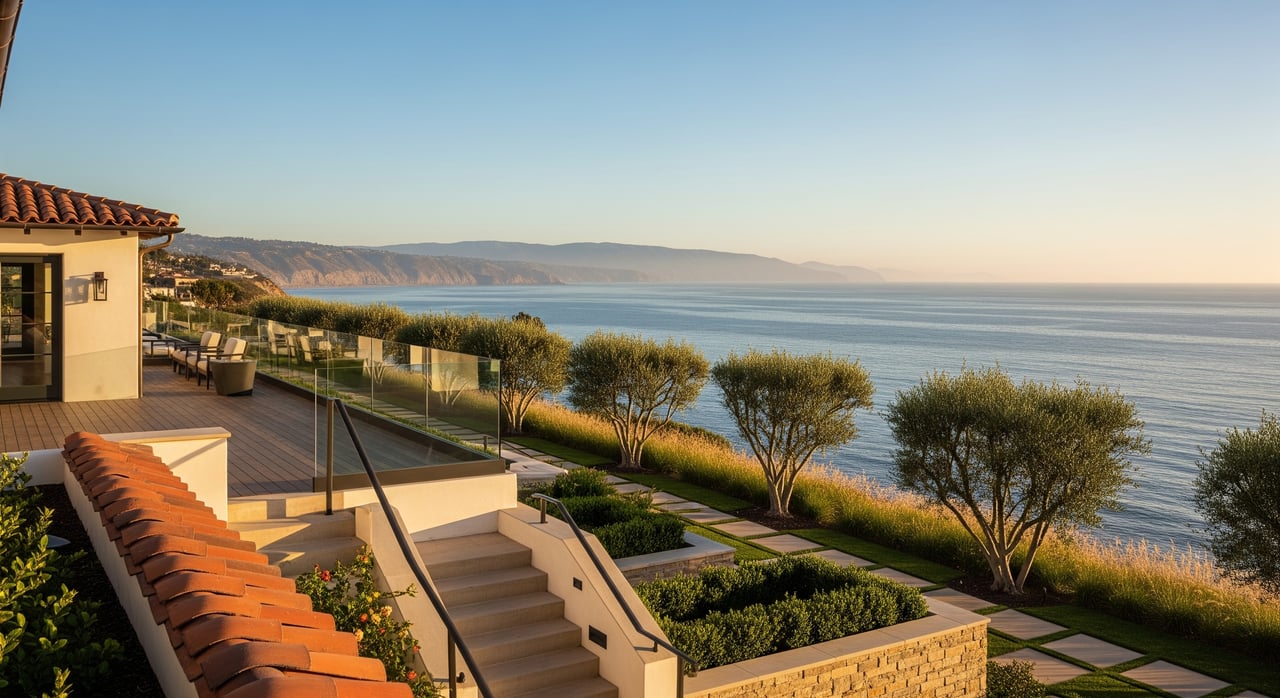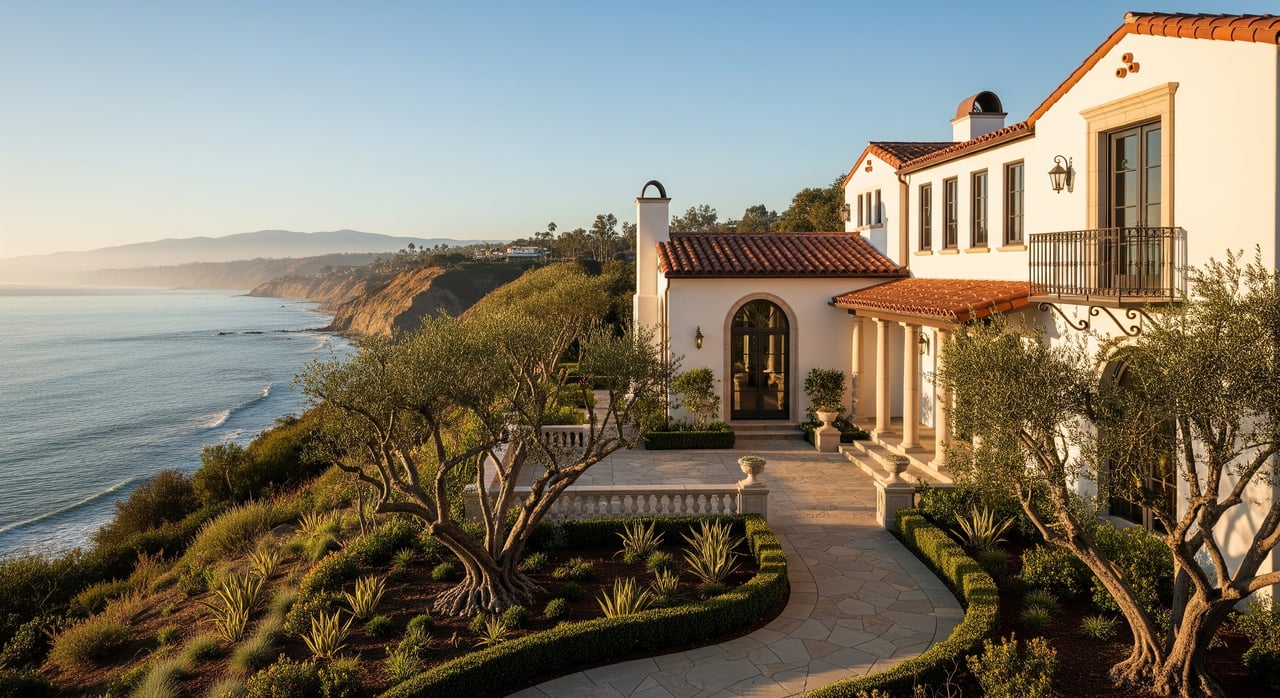
Are you watching the Palos Verdes Estates luxury market and wondering what’s really moving the needle right now? If you are thinking about selling a distinctive home or competing for one, it helps to separate signal from noise. You want clarity on pricing, inventory, timing, and how PVE stacks up against nearby Peninsula cities. In this guide, you’ll learn how the local luxury tier is defined, what current dynamics usually mean for leverage, and how to translate the data into a plan. Let’s dive in.
Defining luxury in Palos Verdes Estates
Luxury in PVE is best defined by recent sales within the city rather than a fixed dollar number. A practical approach is to use the upper quartile or upper decile of closed sale prices. That means the top 25 percent or top 10 percent of recent sales set the luxury threshold, and that threshold shifts as the market moves.
This dynamic definition matters because PVE’s prices vary by season and by small changes in the mix of homes that sell. It also keeps your analysis tied to local context, so you are not applying a countywide number to a city that behaves differently. For sellers, it helps you price within the right cohort. For buyers, it keeps your expectations aligned with what recently closed at the high end.
Price trends at the top end
When you evaluate luxury pricing, look at the 12‑month median and the trailing 3‑month median. The longer window smooths out volatility that often appears in small luxury samples. The shorter window helps you see near‑term movement. Price per square foot is useful for similar product types, but it can mislead when you compare very different lots, view corridors, or architectural styles.
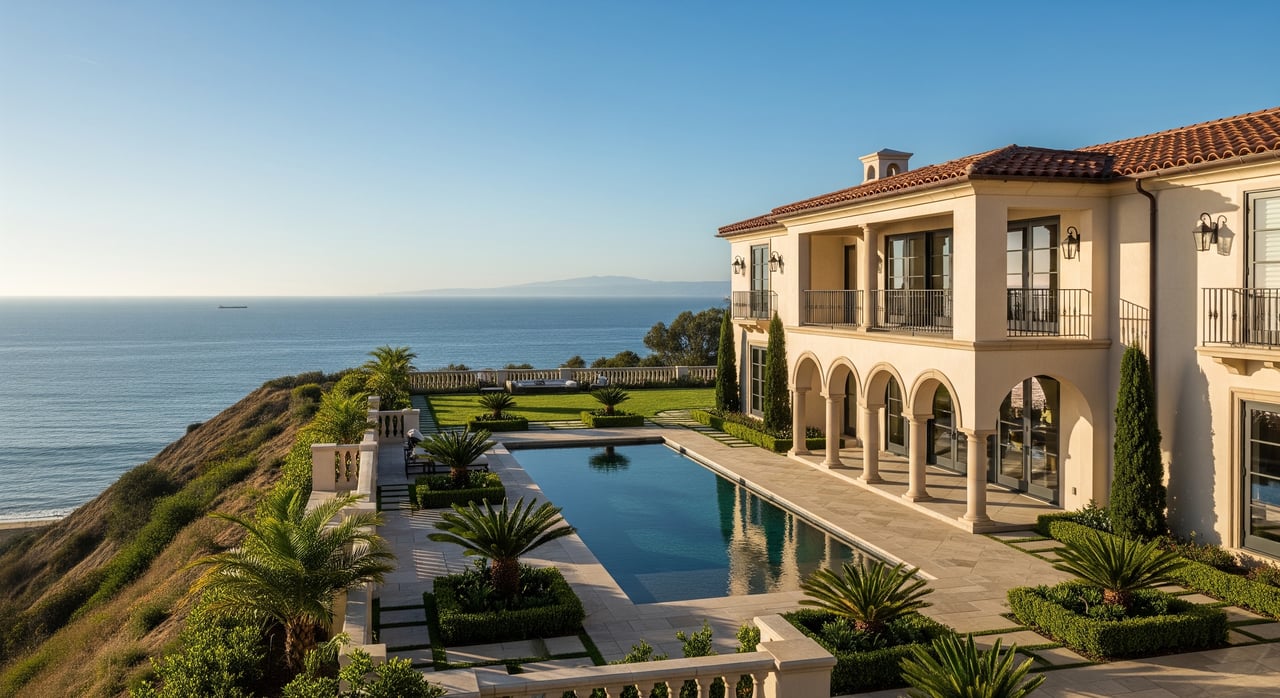
Within PVE, homes with direct ocean vistas or proximity to small neighborhood centers often trade at a premium to interior blocks. Neighborhood context matters. Malaga Cove, Lunada Bay, Valmonte, and Crest each have distinct profiles that influence valuation. Read pricing through that lens, not just through citywide averages.
How to read price per square foot
Use price per square foot to compare apples to apples. Keep view status consistent. Keep lot size bands similar. Adjust for architectural class when possible. For estate‑style properties or homes with large acreage, price per square foot is a blunt tool. In those cases, quality of site, privacy, and unique features can dominate the calculation.
Supply and demand: inventory and months of supply
Months of inventory, or MOI, translates active listings and sales pace into a simple signal. Less than three months often favors sellers. Three to six months is generally balanced. More than six months often favors buyers. In the luxury tier, MOI is typically higher than the overall market, so always compare like to like.
PVE’s supply runs tight for structural reasons. The city’s topography, conserved open space, and established neighborhoods limit expansion. Zoning and design review slow teardown velocity, which preserves character and scarcity. For well‑positioned high‑end properties, this scarcity supports values even when broader markets cool.
Selling speed and pricing execution
Days on market, or DOM, tells you how quickly well‑matched buyers and homes find each other. In PVE’s luxury segment, the median DOM can look steady, but there is often a long tail. Distinctive or mispriced homes can sit, while well‑priced, well‑presented listings can move quickly.
List‑to‑sale price ratio is another key read. Ratios near or above 100 percent suggest strong demand and clean pricing. Ratios that drift lower can signal buyer leverage or initial overpricing. Watch the frequency of price reductions and their size. Several small cuts over time often point to missed pricing at launch, while a calibrated early adjustment can reset momentum.
Sales composition and financing
Luxury deals in PVE often include a high share of cash or jumbo financing. Cash buyers can support pricing in tight supply conditions. Financed buyers are still active, but jumbo loan availability and appraisal sensitivity matter, especially for unique or custom homes.
If you are using financing, plan for longer lead times and detailed appraisal packages that highlight view corridors, lot characteristics, and recent luxury comps. For cash buyers, proof of funds and quick due diligence can give you an edge when competition appears.
Off‑market or pocket listings are part of the local luxury landscape. Not all high‑end activity shows up in the MLS feed, so relationships and targeted outreach matter. If you are selling, that can mean private showings and curated exposure. If you are buying, it can mean early looks at homes that never hit public search portals.
PVE vs neighboring Peninsula markets
When you compare PVE to Rancho Palos Verdes, Rolling Hills, or Rolling Hills Estates, keep product mix in mind. Rolling Hills and parts of Rolling Hills Estates feature larger ranch‑style estates and acreage, which can skew price per square foot comparisons. Rancho Palos Verdes has a wider range of product types and view profiles.
Price comparisons across cities should be view‑ and lot‑adjusted. A buyer expanding search boundaries may find more space per dollar nearby, but must account for differences in neighborhood character, ocean exposure, and zoning. On the flip side, PVE’s design stewardship and scarcity support upper‑tier values over time.
Seasonal and macro influences to watch
Seasonality still matters. Spring often brings more buyer activity and fresh listings. At the luxury level, timing is also shaped by marketing lead time and buyer availability, so a well‑executed launch can work in multiple seasons.
Mortgage rates and the broader economic outlook shape financed demand. Jumbo loan appetite varies by lender and by moment. International interest can ebb and flow with currency strength and global conditions. Local employment and wealth trends, especially among professionals and business owners, are relevant inputs when you gauge demand for the top tier.
What this means if you are selling
A strategic plan anchored in the luxury cohort will set you up for success:
- Price to the cohort. Build a comp set that matches view status, lot size band, and architectural class. Use a wider lookback window if needed, then adjust for current trend.
- Invest in presentation. Consider curb appeal touch‑ups, selective staging, professional photography, and aerials to showcase view and site.
- Anticipate due diligence. A pre‑listing inspection and targeted repairs can reduce friction around contingencies.
- Launch with intent. The first two to four weeks are critical. Track early showings, feedback, and online engagement. If momentum is soft, make a calibrated adjustment rather than multiple small reductions.
- Plan the move. If you are moving within the Peninsula, coordinate timing with tools like rent‑backs, a bridge strategy, or contingent sequencing. Luxury inventory can be thin, so alignment matters.
- Leverage private channels. For distinctive properties, curated broker tours, discreet outreach, and selective digital targeting can surface the right buyer set.
What this means if you are buying
Enter the market prepared and patient:
- Secure jumbo pre‑approval. Work with a local lender experienced in PVE deals. Confirm rate‑lock options and appraisal approaches for unique homes.
- Widen the lens, then refine. Explore adjacent neighborhoods for value per square foot, but adjust for views, lot differences, and stewardship factors.
- Build relationships. Off‑market opportunities often flow through trusted broker networks. Early notice can be the deciding edge.
- Respect the due diligence. Review view easements, slope stability, and permitting history for remodels or ADUs. These items materially affect value and future plans.
- Match your timeline to the market. In low inventory periods, readiness and flexibility can matter more than speed alone.
How to interpret market signals at a glance
- If MOI trends below three months in the luxury tier, sellers usually hold the leverage and clean pricing can produce multiple offers.
- If MOI holds between three and six months, expect more measured negotiations and tighter appraisal reviews.
- If MOI rises above six months, buyers may gain leverage, especially on atypical or mispriced listings.
- If median DOM compresses, urgency is rising. If DOM lengthens and price reductions increase, expect wider negotiation windows.
Work with local expertise you can trust
You deserve advice grounded in on‑the‑ground experience and a marketing plan worthy of your home. Our team blends 35 plus years of neighborhood knowledge with premium digital exposure and relationship‑driven sourcing. We operate with discretion, steward your goals, and tailor every launch to the way luxury buyers actually shop on the Peninsula.
If you are weighing a sale or exploring a move, let’s map your options and timing. Request a Private Consultation with the Mackenbach Group to align data, strategy, and execution.
FAQs
Are prices in the Palos Verdes Estates luxury segment rising or falling?
- Direction varies by season and by micro‑market. Compare the 12‑month median to the trailing 3‑month median for context, and remember that small luxury samples can create short‑term swings.
How long does it take to sell a luxury home in Palos Verdes Estates?
- Median days on market gives a baseline, but well‑priced, well‑presented homes can sell faster while unique or mispriced properties may take longer. Early activity in weeks one to four is the best indicator.
Is inventory tight for high‑end homes in PVE?
- PVE’s design stewardship and limited expansion often keep supply constrained. Luxury MOI is typically higher than overall MOI, so read leverage within the luxury cohort rather than the entire market.
How do mortgage rates affect PVE luxury buyers and sellers?
- Many luxury sales involve cash or jumbo loans. Higher rates can reduce leverage for financed buyers, while cash buyers may support pricing when supply is thin.
Should buyers expect price reductions or bargains in Palos Verdes Estates?
- Price reductions can signal recalibrations, but true bargains are less common at the top end unless a property is atypical or initially mispriced. Condition, view, and lot quality drive outcomes.
Are off‑market and pocket listings a factor in the PVE luxury market?
- Yes, they exist alongside MLS activity. Relationships and targeted outreach can surface opportunities or buyers that never appear on public search portals.