Thinking about repainting the exterior, adding a second story, or building an ADU in Palos Verdes Estates? Before you sketch your dream design, know that two separate approvals often shape what you can build and how long it will take. It can feel complex at first, especially if you are new to the Peninsula’s traditions and private covenants.
By the end of this guide, you will understand how the Palos Verdes Homes Association and the City’s Art Jury work, what changes trigger review, the typical steps and timelines, and how to avoid costly delays. You will also get a practical submission checklist you can use with your architect and contractor. Let’s dive in.
HOA vs. Art Jury in PVE
The Palos Verdes Homes Association and subdivision CC&Rs are private covenants. They can require prior approval for exterior changes, set rules for fences, walls and landscaping, and enforce compliance through fines, liens, or injunctions where allowed by the covenants.
The City’s Art Jury is a formal design review. It evaluates exterior design for architectural compatibility and community character. The Art Jury looks at aesthetics and site design such as colors, materials, massing, rooflines, walls, and landscaping that is visible from the street. It does not replace building permits or check structural or engineering compliance.
Many projects in Palos Verdes Estates require both HOA approval and Art Jury approval. Enforcement is separate. The City enforces the municipal code and building standards, while the HOA enforces private covenants. Plan to secure all required approvals before construction.
Changes that trigger review
Not every project needs Art Jury or HOA review, but many visible exterior changes do. Local practice can vary by scope and visibility. Use the lists below as a starting point and confirm your project’s path with the City and your HOA.
High-likelihood triggers
- Additions or second-story changes that affect massing or setbacks
- New detached structures such as ADUs, garages, or guest houses visible from the street
- Major facade changes, window or door reconfigurations, and alterations to key architectural features
- Exterior paint color changes that are visible from public view
- New roofing materials or modified rooflines and eaves
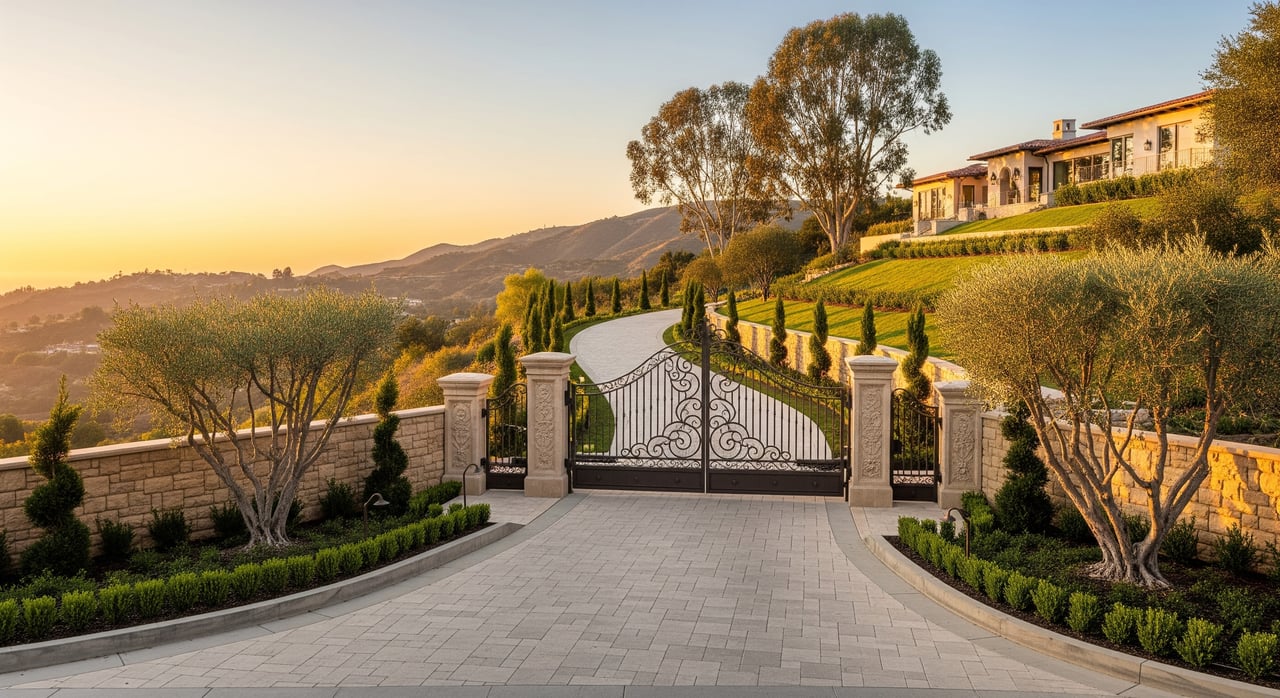
- New fences, retaining walls, block walls, decorative walls, or gates visible from public areas
- Hardscape changes like new driveways, front-yard decks or patios
- Pools, spas, significant landscape grading, and retaining walls
- Solar panels or mechanical equipment when visually prominent
- Demolition of character-defining elements or full-house demolition
- Significant site grading or changes that affect public views
Moderate or conditional triggers
- Window and door replacements when appearance changes, including trim or proportions
- Small additions or conversions with limited visibility
- Minor hardscape or landscape replacements that keep the original design and placement
- Exterior lighting, visible signage, and mailbox changes
Lower-likelihood triggers
- Interior remodels that do not affect the exterior or structural elements
- Routine repairs using like-for-like materials and colors where covenants allow
Approval process and sequence
Most successful PVE projects follow a clear sequence. This keeps your design aligned with both private covenants and City standards and reduces backtracking at permit time.
Recommended order in PVE
- Preliminary review
- Contact City Planning or Art Jury staff and your HOA architectural committee early. A short pre-application conversation often flags design or siting issues before you spend on full drawings.
- Prepare a design package
- Assemble scaled plans and elevations, a site plan with setbacks and grading, material and color samples, and photos of existing conditions. Include neighborhood context photos if requested.
- Submit to HOA and Art Jury
- Some owners submit to the HOA first. Others submit to both at the same time. Check each body’s instructions and meeting schedules and plan around them.
- Review period
- The Art Jury reviews aesthetics and compatibility. Depending on scope, review may occur at a scheduled meeting or administratively. The HOA follows its own procedures under the CC&Rs.
- Comments and revisions
- Expect approval, conditional approval that requires specific changes, or denial. Be ready to revise and resubmit if needed.
- Building permits
- After design approvals, submit to the City’s Building Department for plan check and permit issuance covering structural, electrical, plumbing, and grading.
- Construction and inspections
- Build to the approved plans. Complete inspections as required and comply with any conditions of approval.
- Final sign-off
- Obtain final inspections and approvals from the City. If the HOA requires final documentation, close that loop as well.
After approvals: permits and compliance
The Art Jury focuses on design. You still need building permits and inspections for all technical work. Starting without approvals can lead to stop-work orders, civil penalties, HOA enforcement, and expensive corrective work.
Timelines and fees
Timelines vary by project scope, meeting schedules, and how complete your submittal is. Plan conservative buffers so your contractor and designer can stay in sync.
- Pre-application meeting: 1 to 4 weeks to schedule
- HOA or architectural committee review: 2 to 8 weeks, longer if meetings are monthly or if a full review is required
- Art Jury cycles: often 2 to 8 weeks per cycle; administrative reviews can be faster
- Revisions and resubmittals: add 2 to 6 weeks per round
- Building plan check and permits: 3 to 12 weeks or more depending on complexity and backlog
- Total lead time before construction: 2 to 4 months for smaller visible remodels and 4 to 12 months or more for major additions, grading, retaining walls, or ADUs
California laws affecting ADUs set deadlines and limit some subjective design controls. Objective design review may still apply. Always confirm current ADU rules with City staff.
Expect multiple fees: HOA application fees, Art Jury or design-review fees, City plan check and permit fees, and impact fees if applicable. Some projects require refundable deposits for landscape or site restoration. Fee schedules change, so verify current amounts before you set a budget.
Avoid delays: practical moves
A few proactive steps can save you months and multiple redesigns.
- Start early with both the City and the HOA. Early guidance helps you shape a design that fits standards before you commit to details.
- Request a pre-application meeting. Bring site photos, simple sketches, and a summary of your scope.
- Hire pros with PVE experience. Architects, landscape architects, and contractors familiar with the Art Jury and local covenants know common issues such as rooflines, retaining walls, and view protection.
- Submit complete information. Clear plans, material boards, accurate site dimensions, and context photos speed review.
- Coordinate approvals. Understand whether the HOA prefers separate or simultaneous submittals and align that with your permit plan.
- Anticipate neighbor concerns. For changes that affect privacy or views, thoughtful outreach can reduce objections.
- Build in contingency time. Add buffers for review cycles and for conditions uncovered during construction.
- Keep records. Store all approvals and permits for future buyers and for escrow.
Submission checklist
Use this list to prepare your package and reduce back-and-forth.
- Completed application forms for the HOA and the Art Jury
- Site plan showing property lines, setbacks, existing and proposed structures, and topography or grading
- Floor plans and elevations for existing and proposed conditions
- Roof plan and eave or overhang details
- Material and color samples or boards
- Landscaping plan if you are changing the front yard
- Photos of existing conditions and adjacent properties
- Structural or geotechnical reports when required, such as for retaining walls or slopes
- Permit-ready plan set for the Building Department
- Proof of ownership and any HOA-required owner signatures
Buyers and sellers: protect your sale
Unpermitted or unapproved work can derail a closing in Palos Verdes Estates. Lenders and insurers may raise issues, and buyers often request proof of approvals and permits. You may be required to obtain retroactive permits or remove noncompliant work.
If you plan to sell, gather your Art Jury approvals, HOA approvals, and building permits before you list. If you are buying, request these records during due diligence and ask your inspector to flag visible additions or exterior changes that might need documentation.
Denials, appeals, and enforcement
If your project is denied, read the conditions carefully. HOA appeals run through the HOA’s procedures or board hearings. Art Jury decisions may be appealed to the City’s designated decision-making body, often with short, strict deadlines. Be prompt and precise.
Starting work without approvals risks enforcement. The City can issue stop-work orders, impose penalties, or require restoration to prior conditions. HOAs can enforce covenants through fines, notices of noncompliance, and, where allowed, liens or injunctions. Securing approvals upfront is often far less costly than fixing work after the fact.
Ready to move forward with confidence in Palos Verdes Estates? For discreet guidance, contractor and architect introductions, and a plan that respects local standards, connect with the Mackenbach Group. We combine long-standing Peninsula knowledge with hands-on support so your remodel and your next move stay on track.
FAQs
Does the Art Jury replace building permits in Palos Verdes Estates?
- No. The Art Jury reviews exterior design and compatibility, while building permits and inspections cover structural, electrical, plumbing, and grading.
Can the HOA or Art Jury stop a project that already started in PVE?
- Yes. The City can issue stop-work orders for unpermitted or noncompliant work, and the HOA can enforce covenant violations. Get approvals before you begin.
What happens to unpermitted work when selling a PVE home?
- Unpermitted work can delay or derail escrow, require retroactive permits or removal, and complicate lender and insurance approvals. Sellers should disclose and provide documentation.
Are ADUs in Palos Verdes Estates exempt from Art Jury review?
- Not automatically. State ADU laws limit some subjective controls and set deadlines, but objective local design review may still apply. Confirm current rules with City staff.
How long does PVE design review usually take for a remodel?
- Plan for 2 to 8 weeks per review cycle for the HOA or Art Jury, plus time for revisions. Total pre-construction lead time often ranges from 2 to 12 months depending on scope.
How do I appeal a denial from the HOA or Art Jury in PVE?
- HOA appeals follow HOA procedures or board hearings. Art Jury decisions may be appealed to the City’s decision-making body. Appeal timelines are short, so act quickly.