You can fall in love with an architectural style, but in Palos Verdes Estates the lot often determines how you live day to day. Views, sun, wind, and slope can change everything from morning light in your kitchen to whether your terrace is usable on a breezy afternoon. If you’re weighing Spanish Colonial, ranch, or contemporary homes, understanding how each style interacts with a PVE site will help you choose with confidence. This guide breaks down the tradeoffs so you can build a smart short list. Let’s dive in.
What matters most in PVE
Before you pick a style, look at the site. In PVE, lot orientation, elevation, and view corridors usually shape livability more than the facade.
- South and southwest orientations often capture warm afternoon light and ocean scenes. East-facing lots are cooler in the afternoon and bright in the morning.
- A single mature tree, a neighbor’s second story, or a subtle elevation change can shift sightlines. Small differences can mean a sweeping Catalina view or none at all.
- Visit at different times and seasons. Foggy May Gray or June Gloom mornings and clear winter afternoons reveal how a home actually lives.
Spanish Colonial at a glance
Defining features
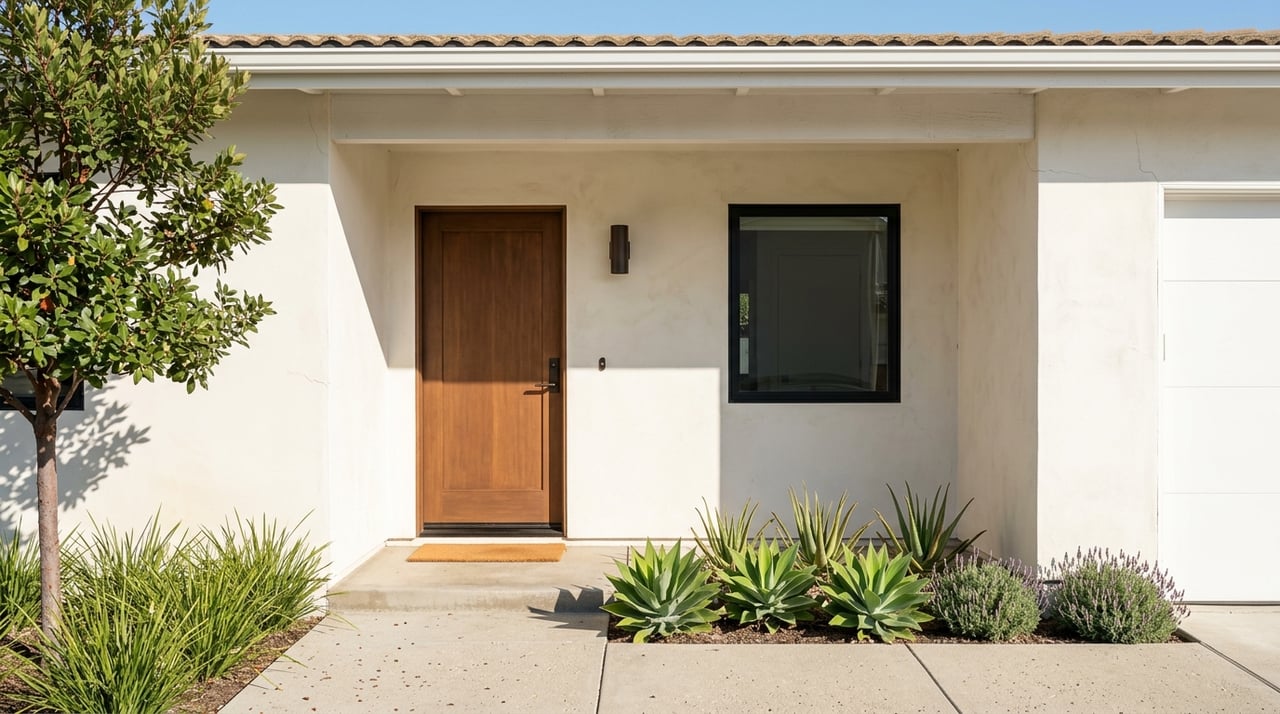
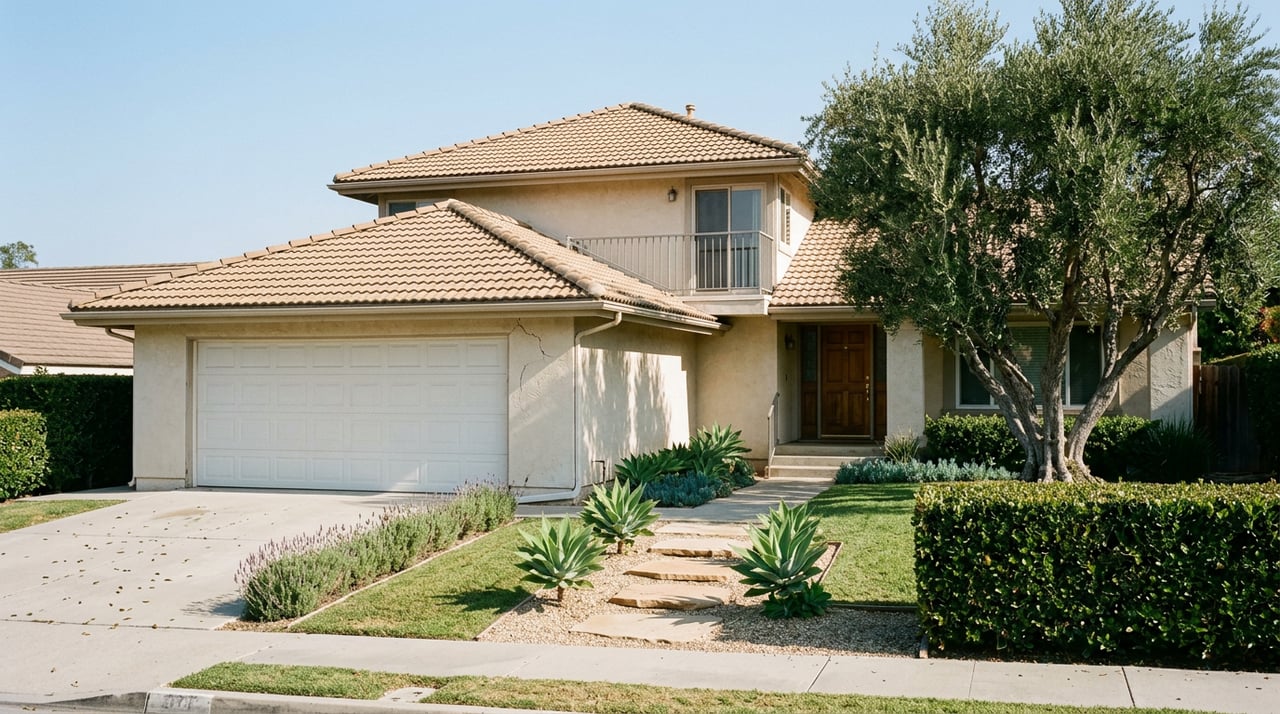
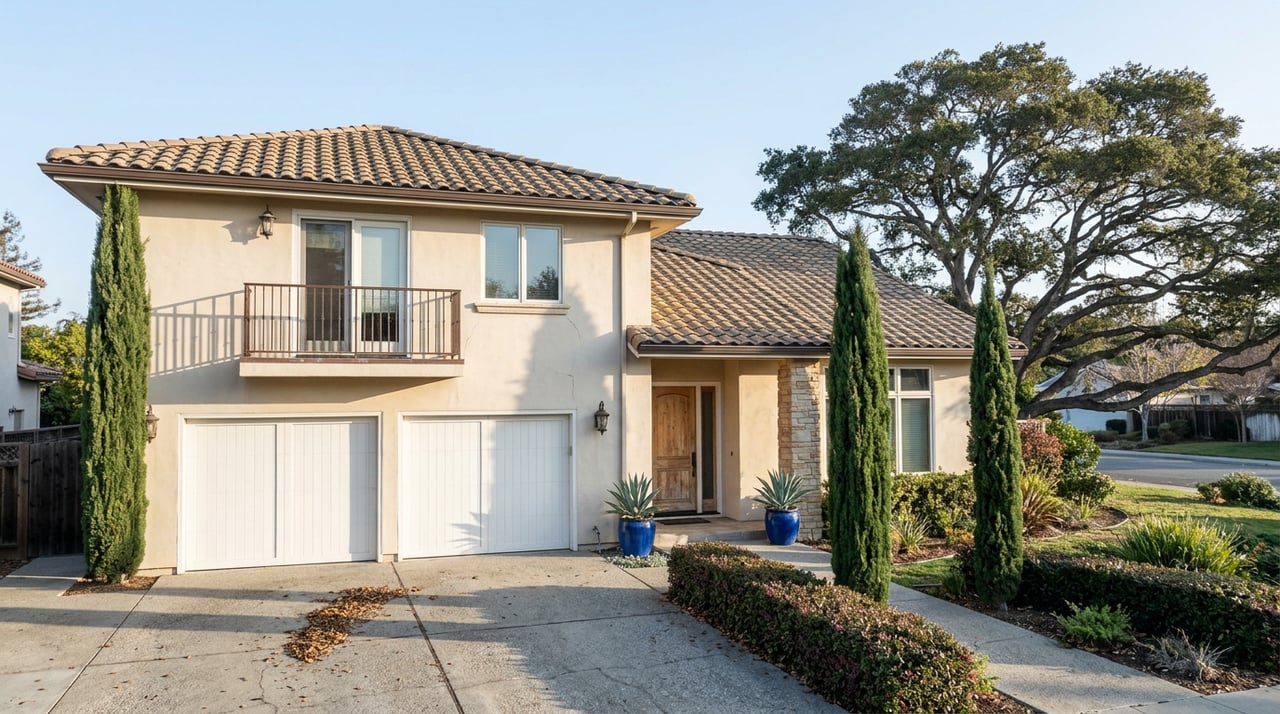
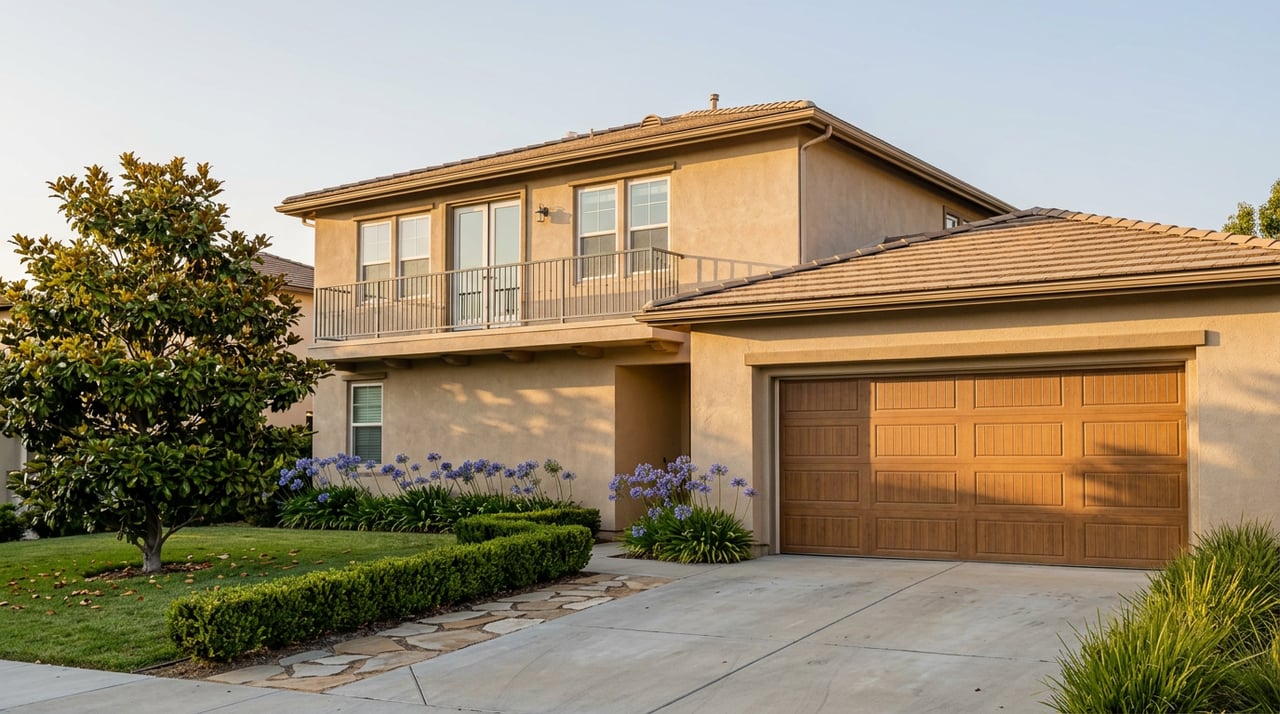
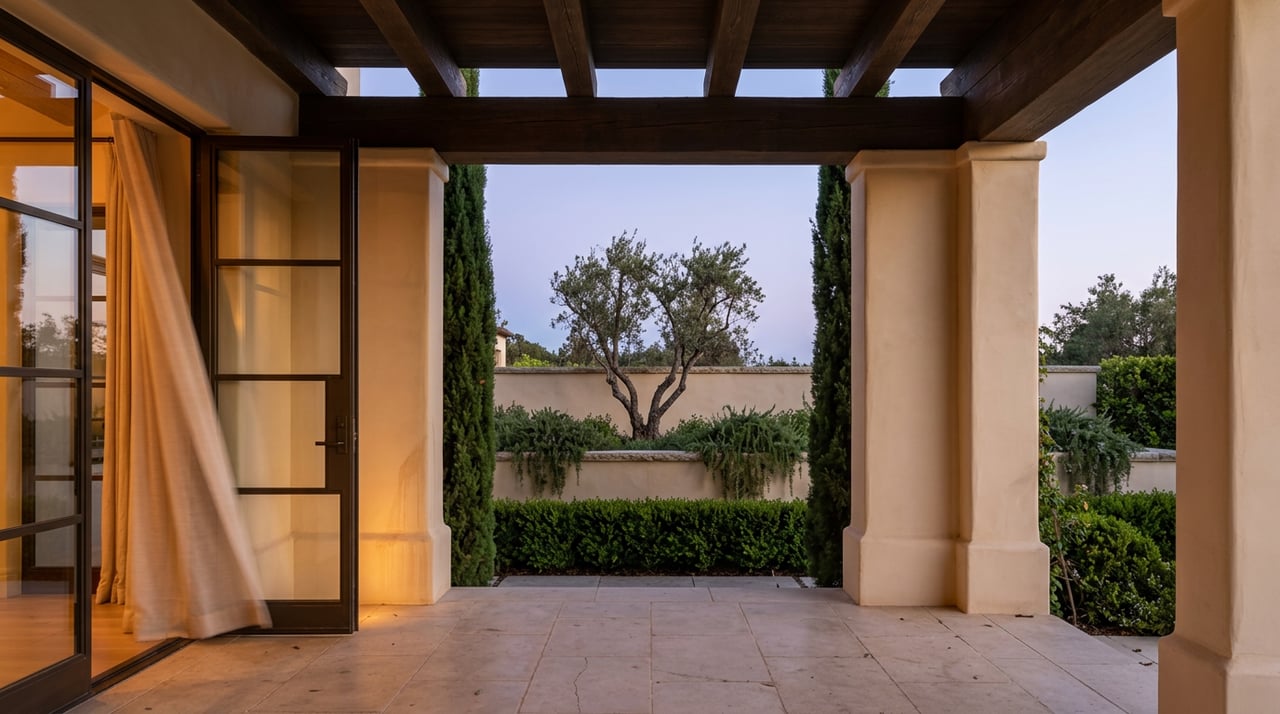
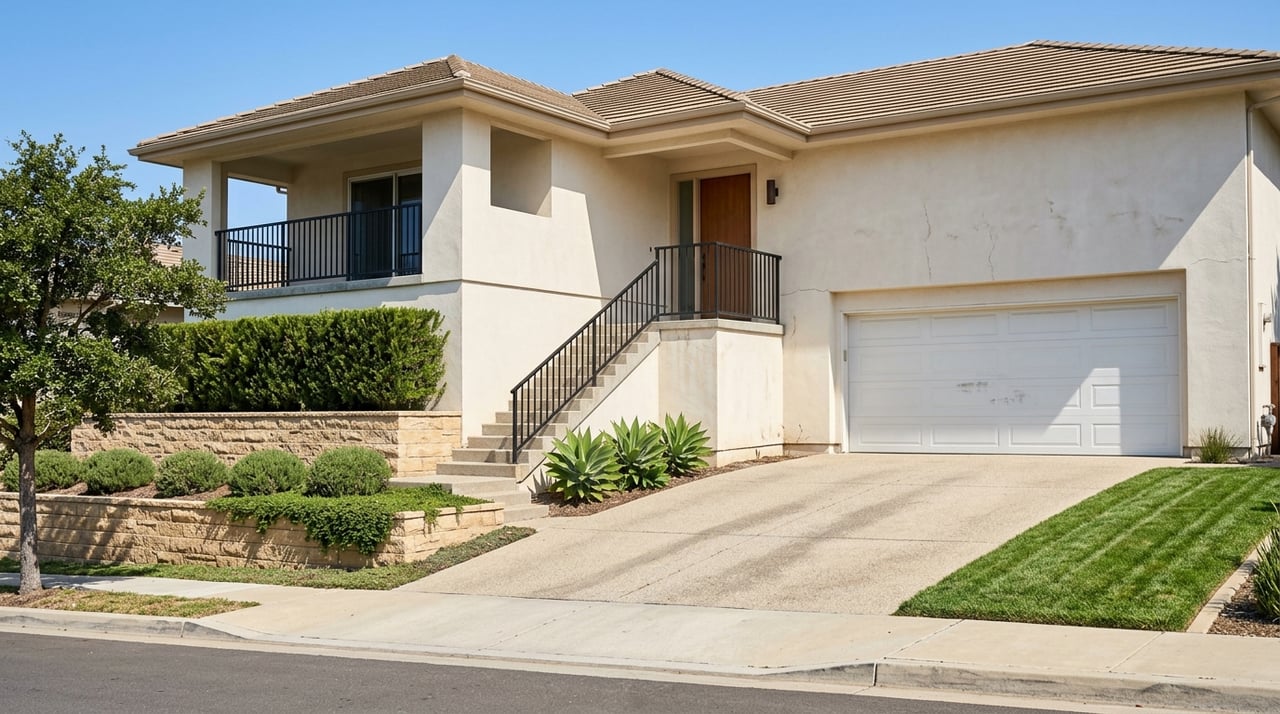
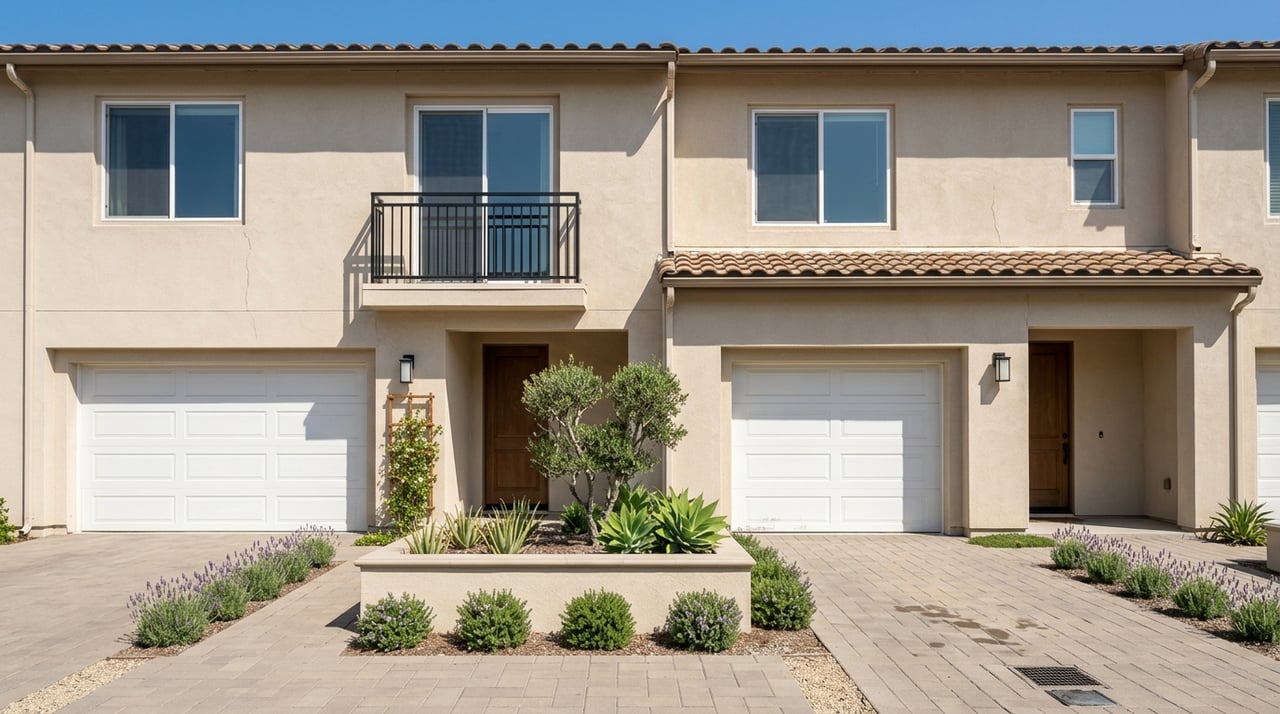
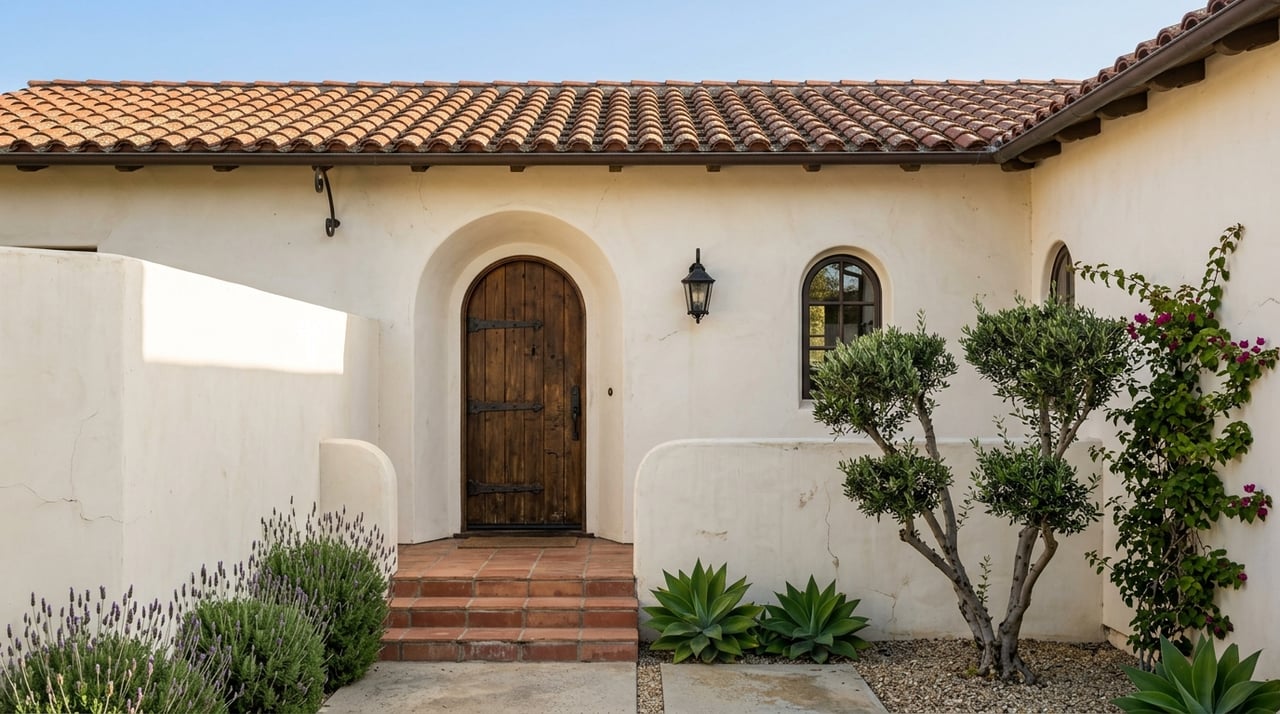
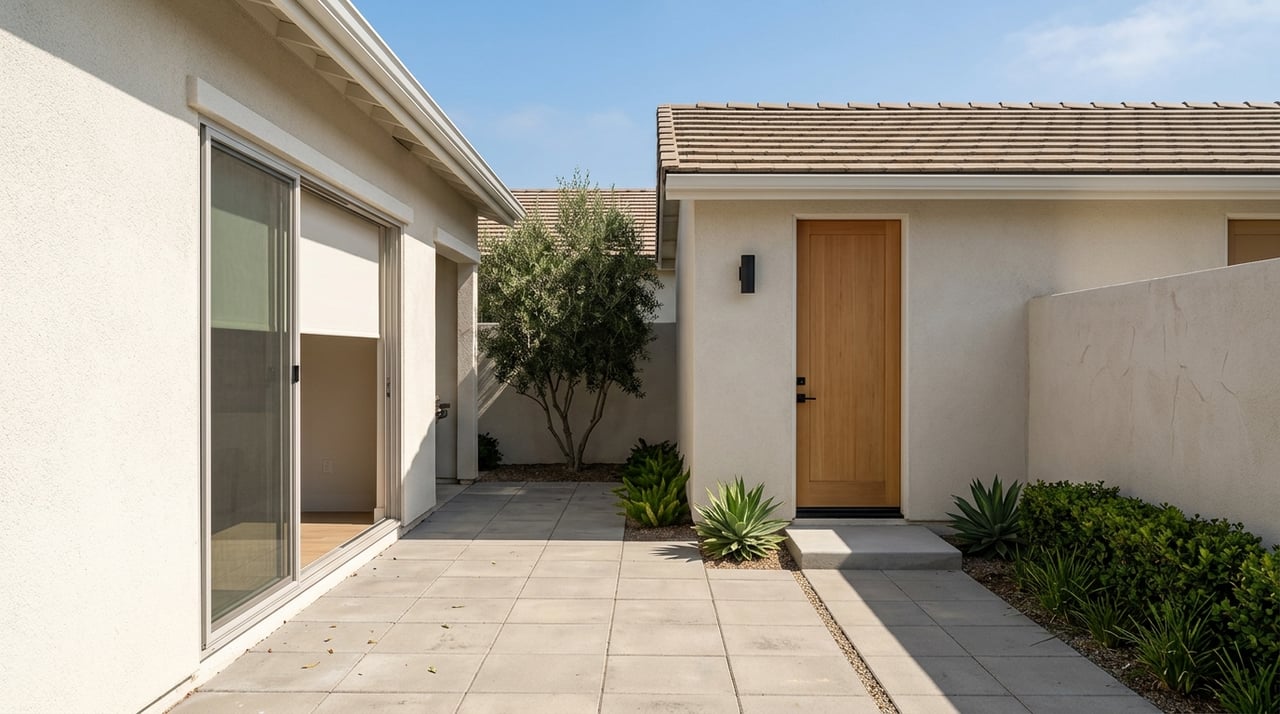
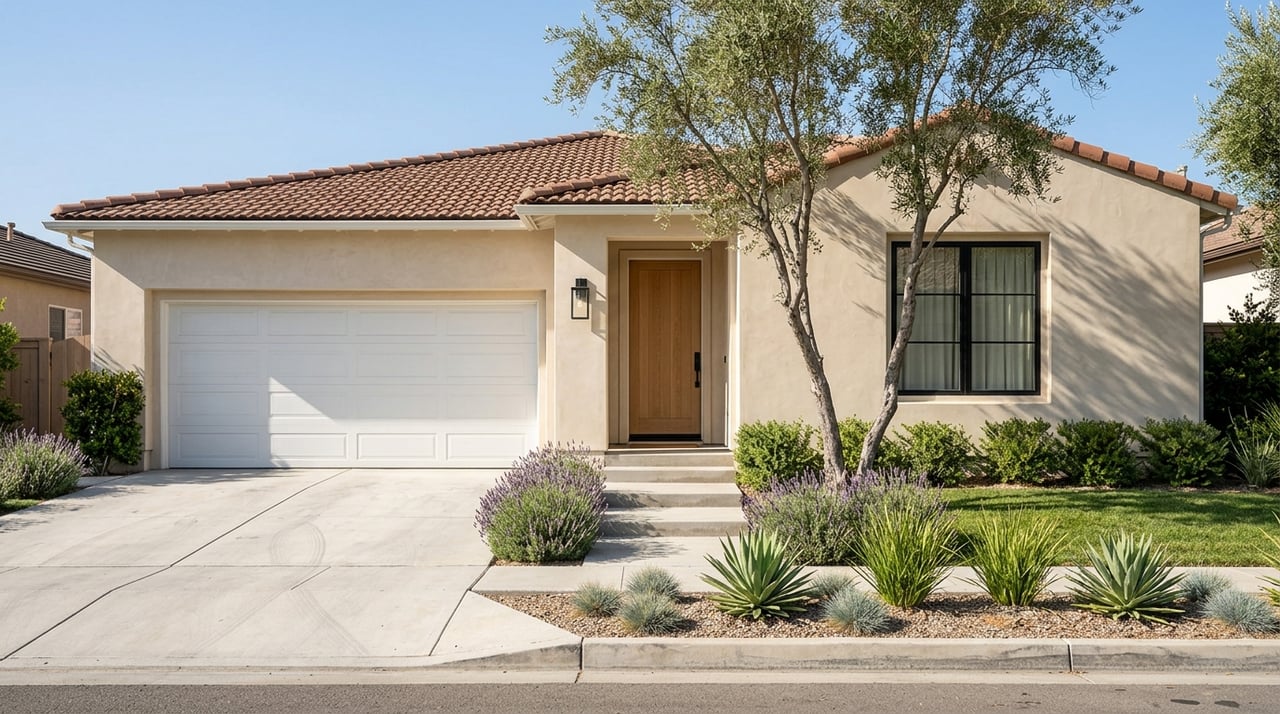
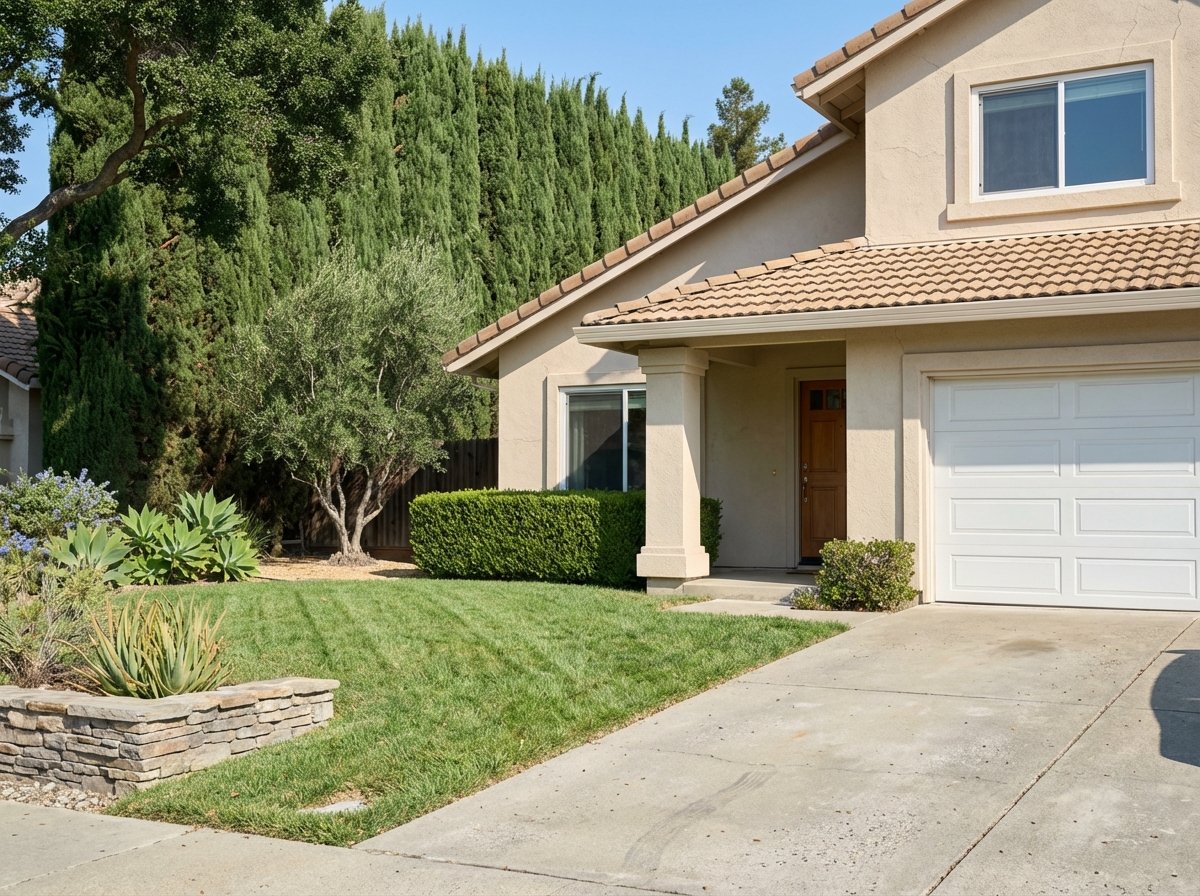
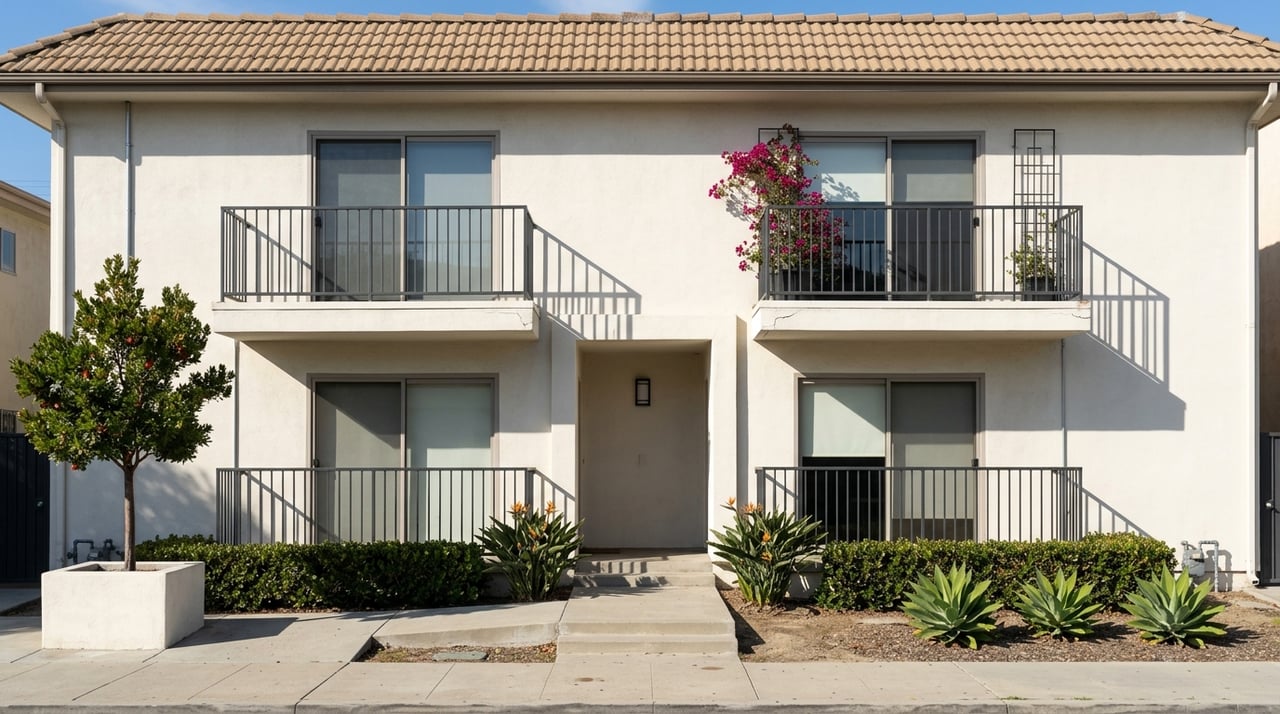
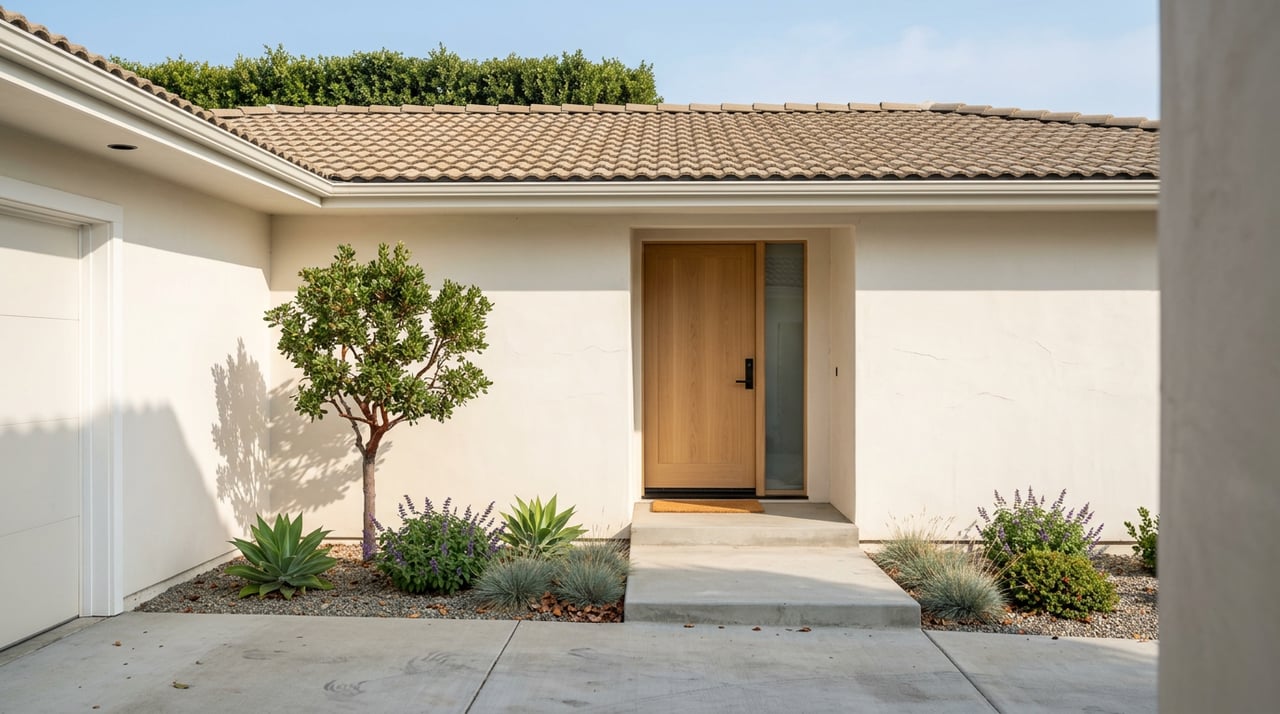
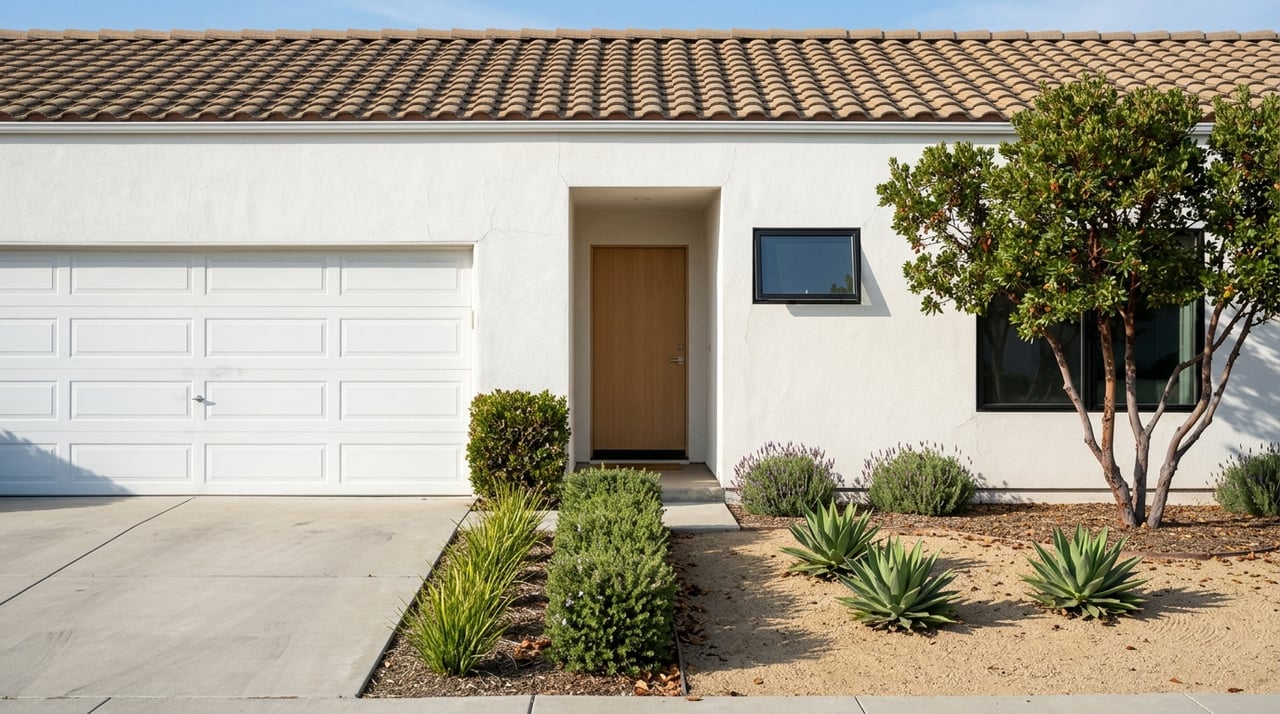
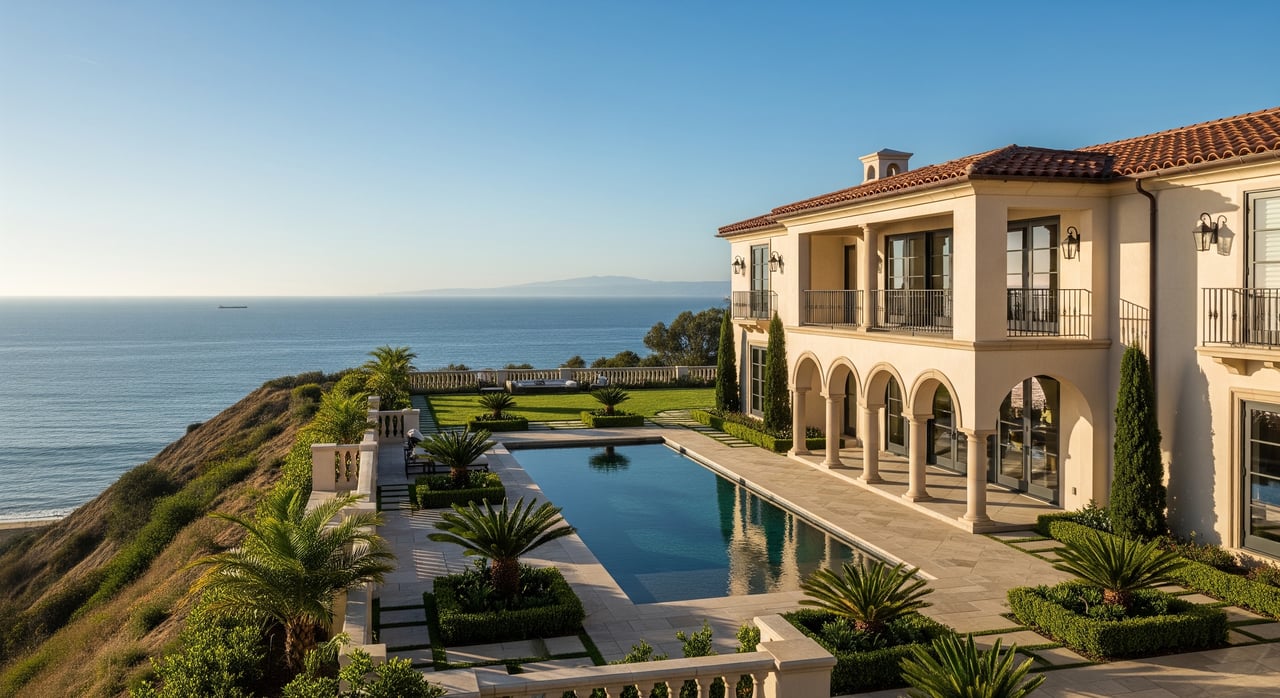
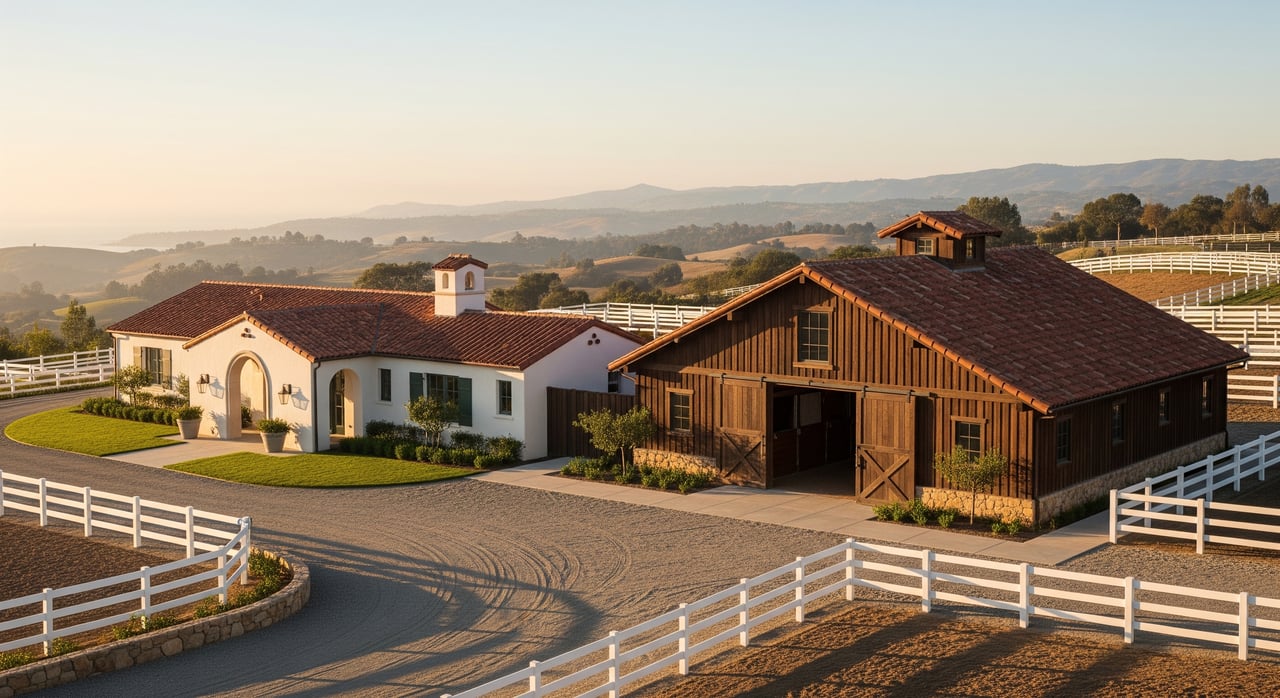
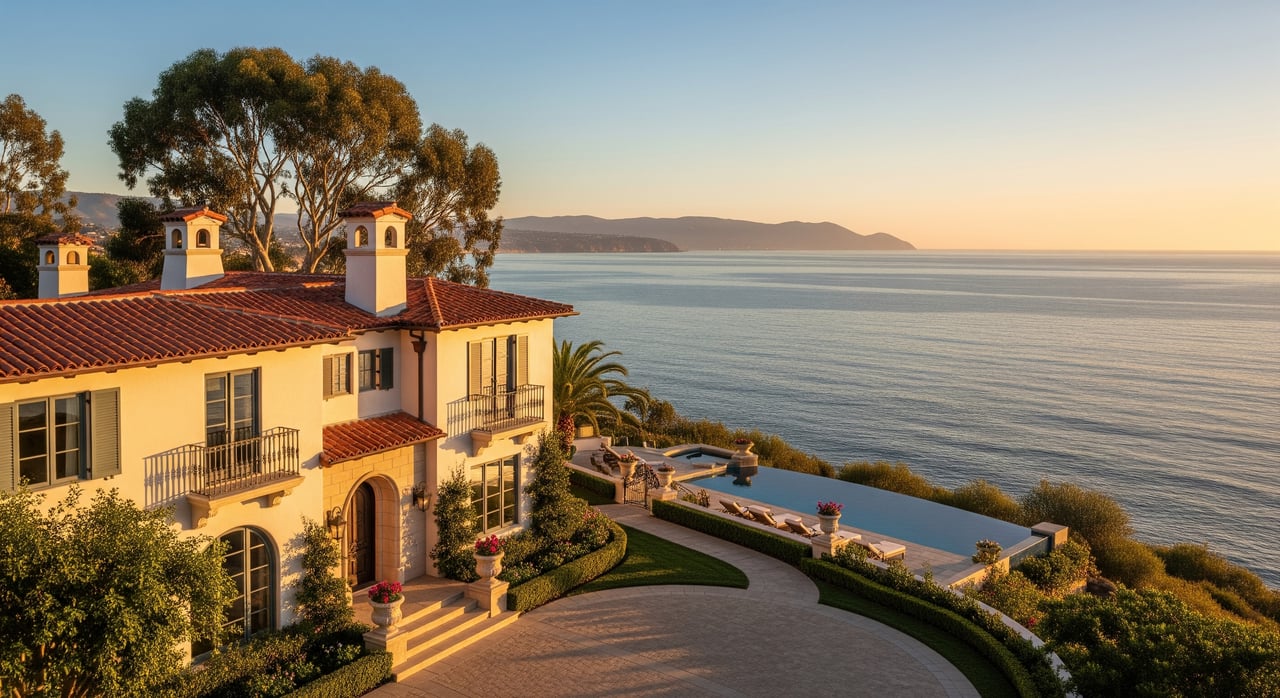
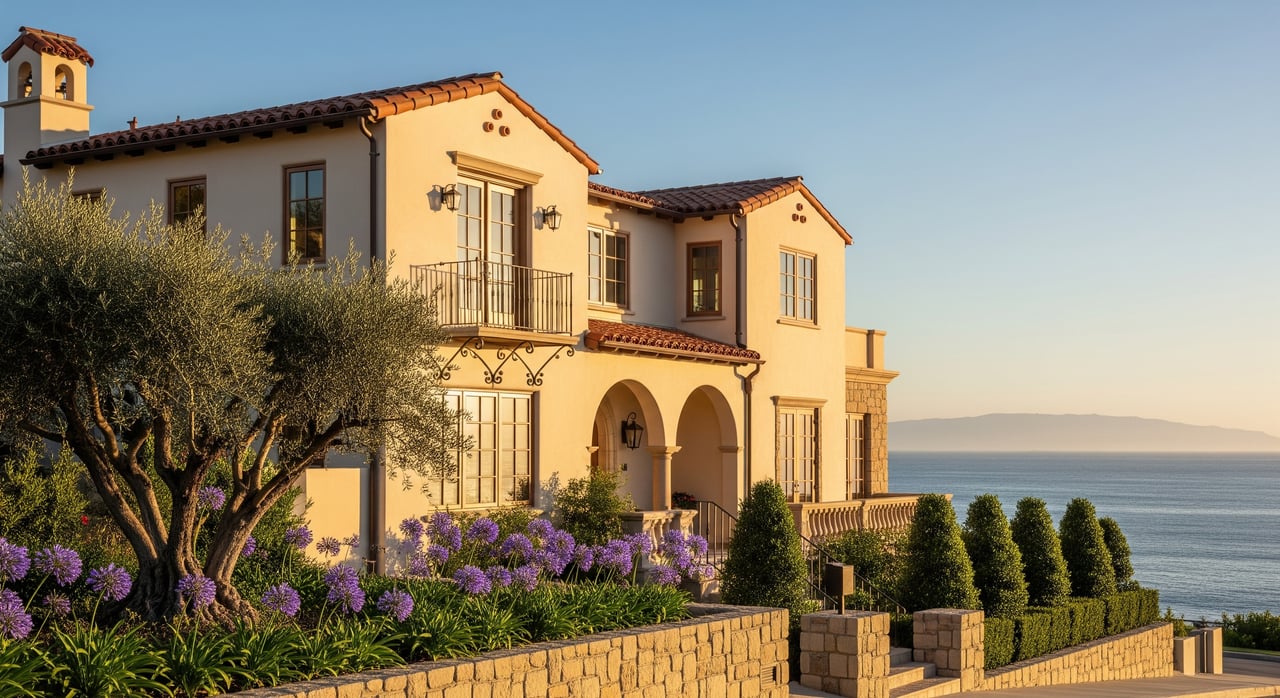
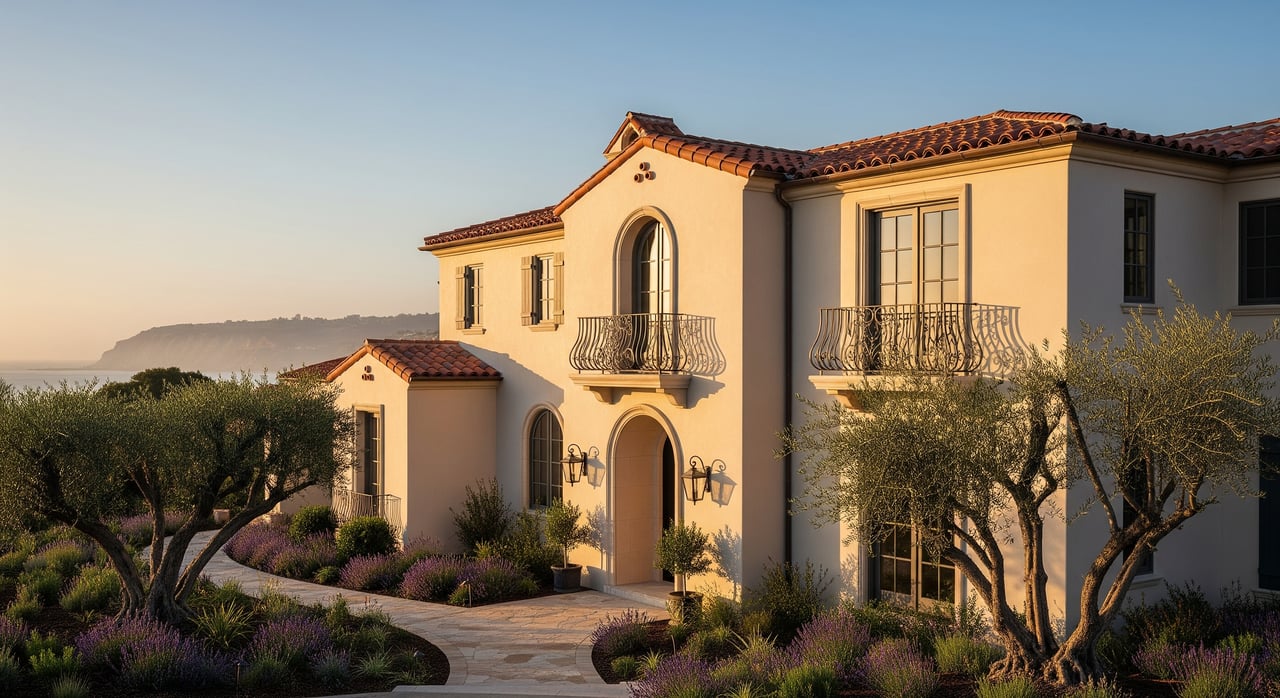
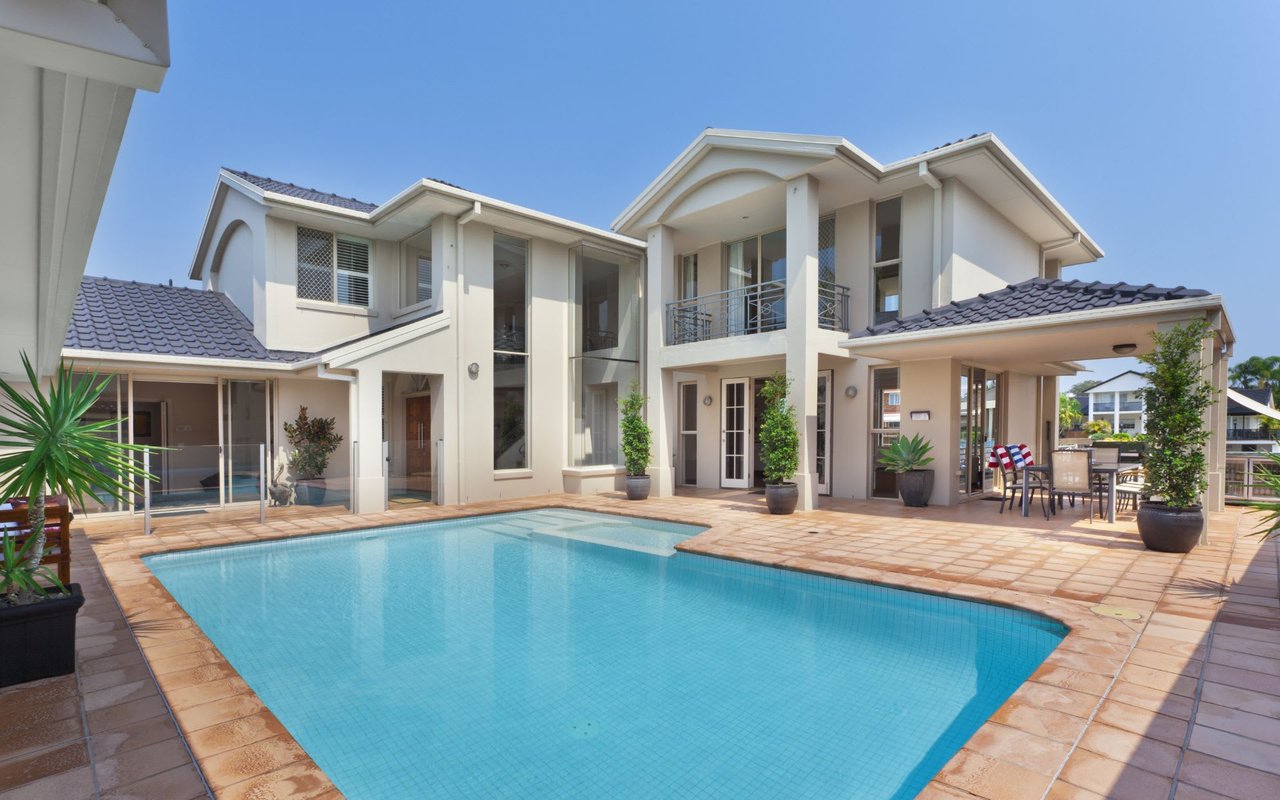
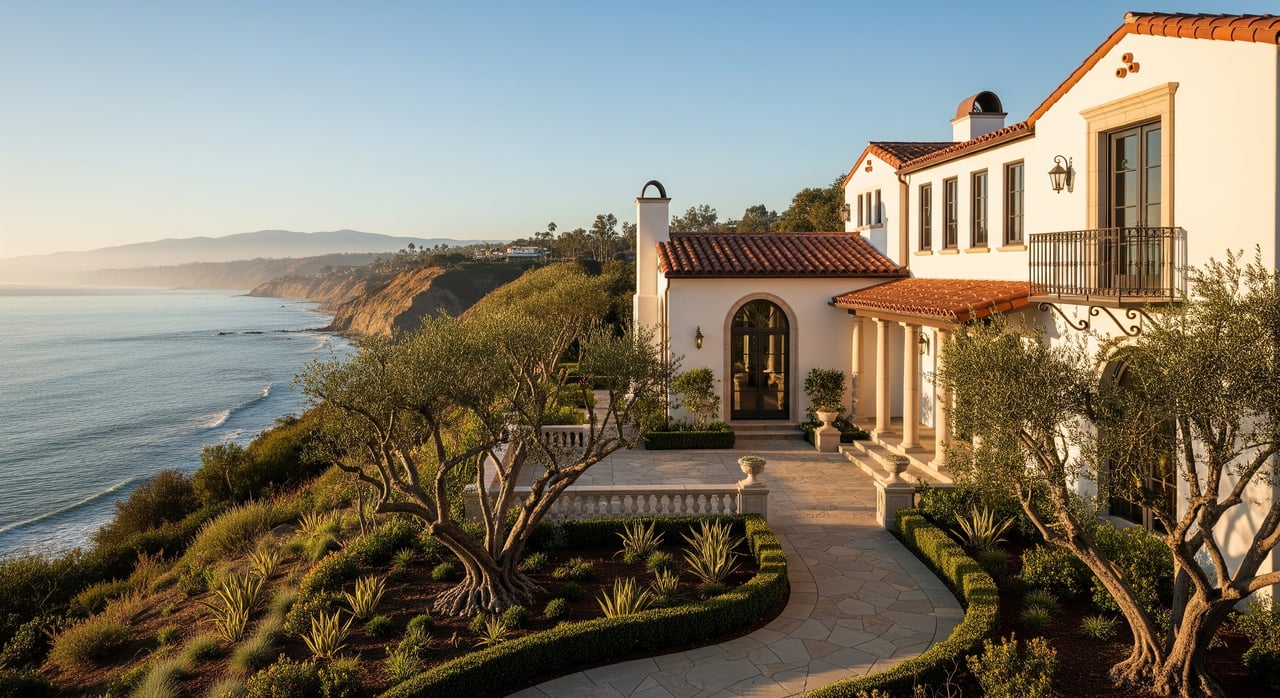
Spanish Colonial homes often include stucco walls, red clay tile roofs, arched openings, and interior courtyards. Windows tend to be smaller to moderate, with wrought-iron details and shaded outdoor rooms.
How it sits on PVE lots
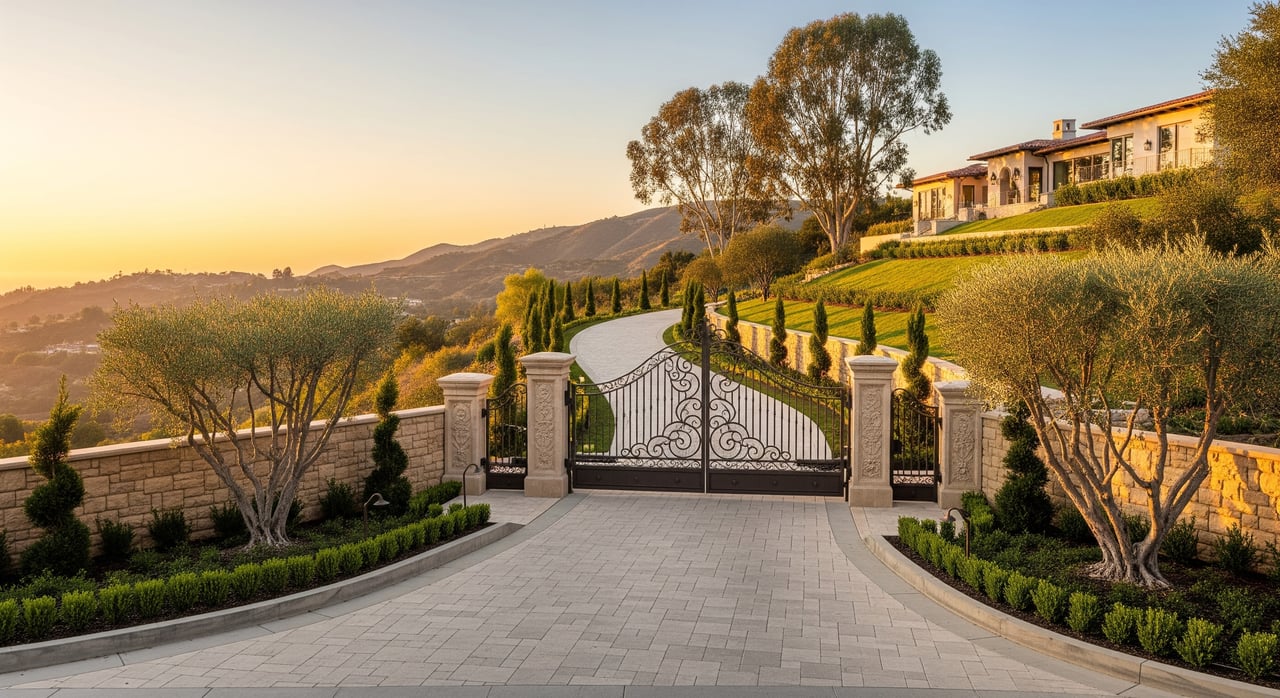
These homes favor privacy and inward-facing courtyards. That fits PVE’s Mediterranean character and many neighborhoods. On ocean-facing lots, original layouts may limit panorama unless remodels opened view-facing rooms or expanded glazing.
Livability pros and tradeoffs
- Pros: Comfortable in the coastal Mediterranean climate, with shaded courtyards and thermal mass that support passive cooling. Strong neighborhood character and a calm, private feel.
- Tradeoffs: Smaller window openings and enclosed plans can soften views and daylight compared with contemporary designs. Outdoor living often centers on sheltered patios rather than cliffside terraces.
Renovation and care
Maximizing views may require enlarging openings or reconfiguring roofs, which means design review and permits. Tile roofs are durable but heavy, so structural capacity matters. Plan for stucco repair and waterproofing as routine maintenance.
Ranch living in PVE
Defining features
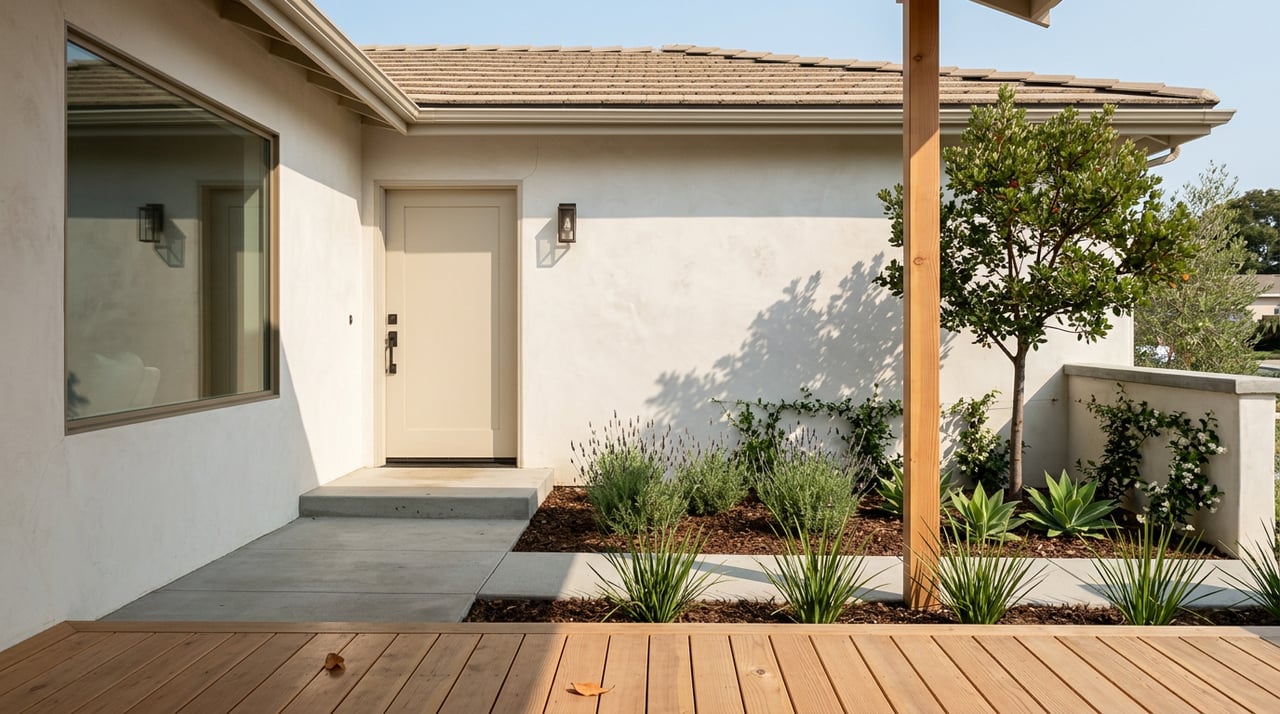
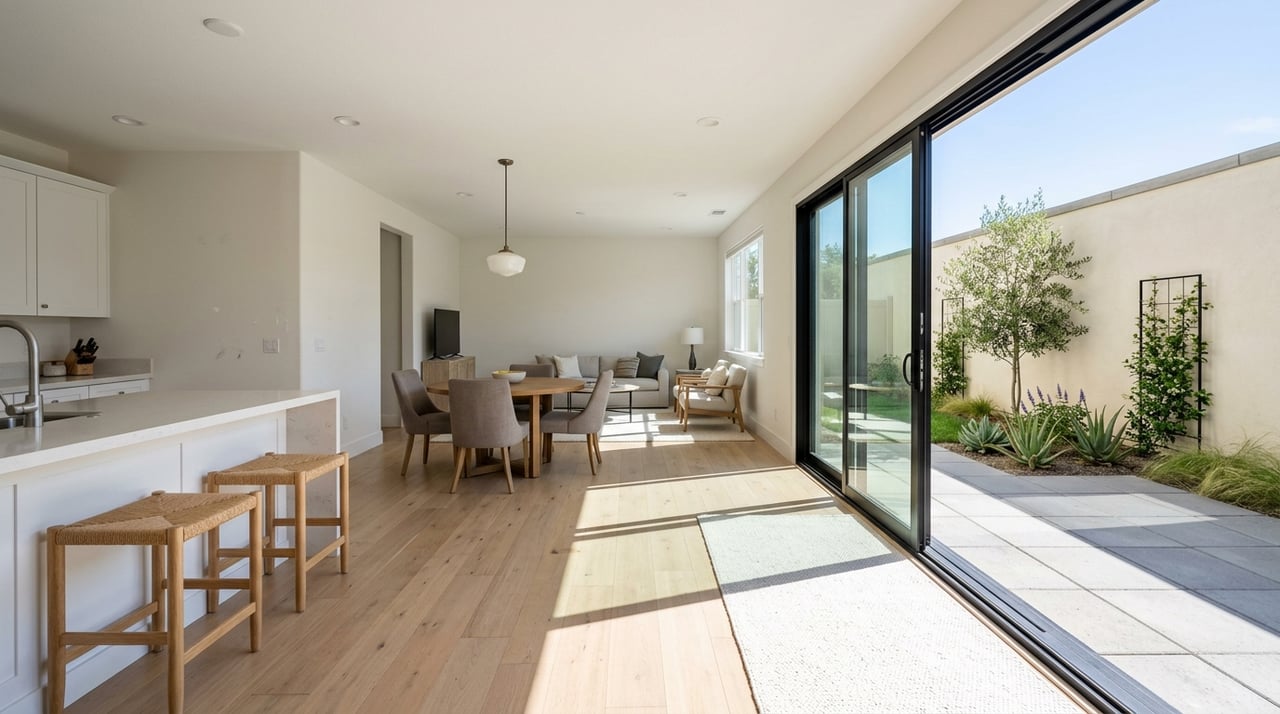
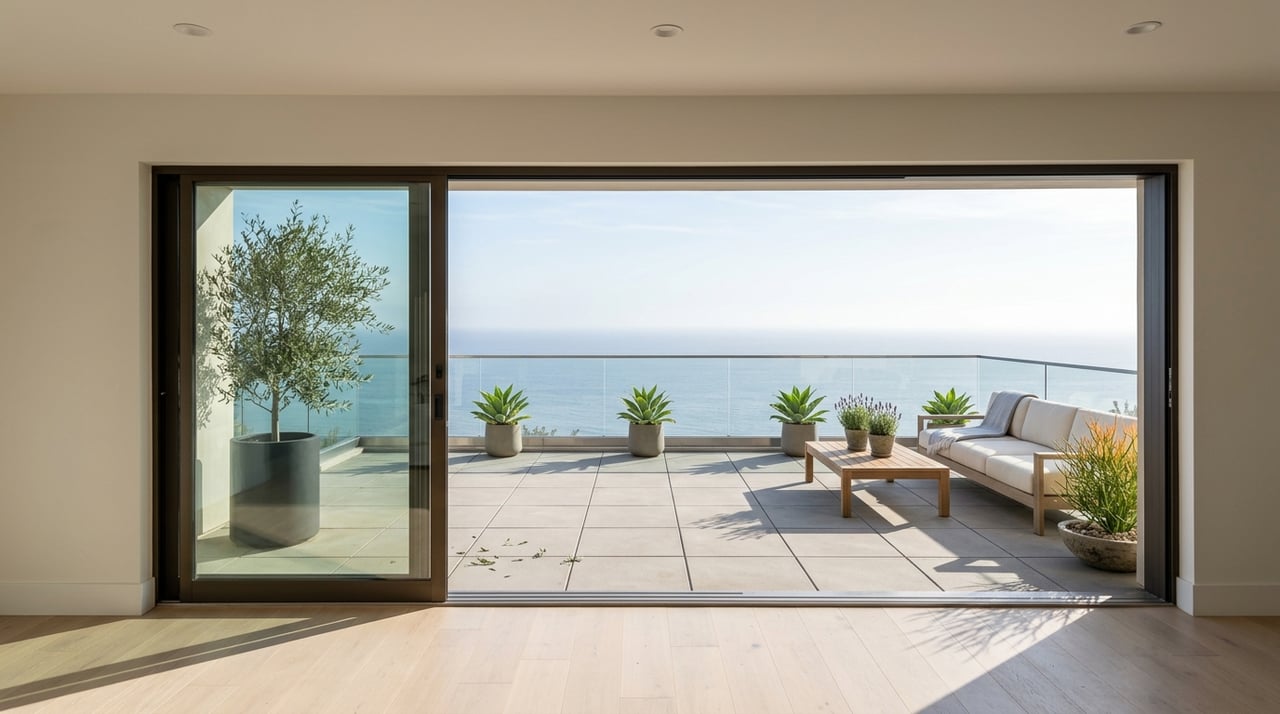
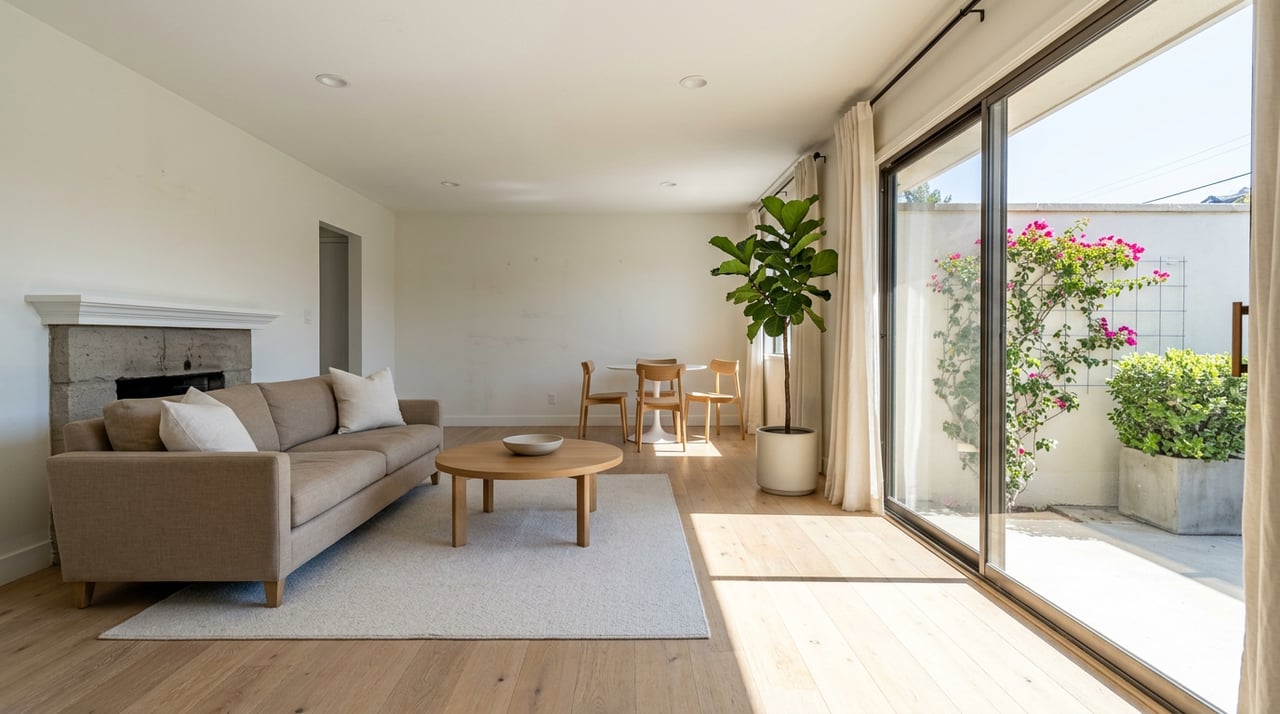
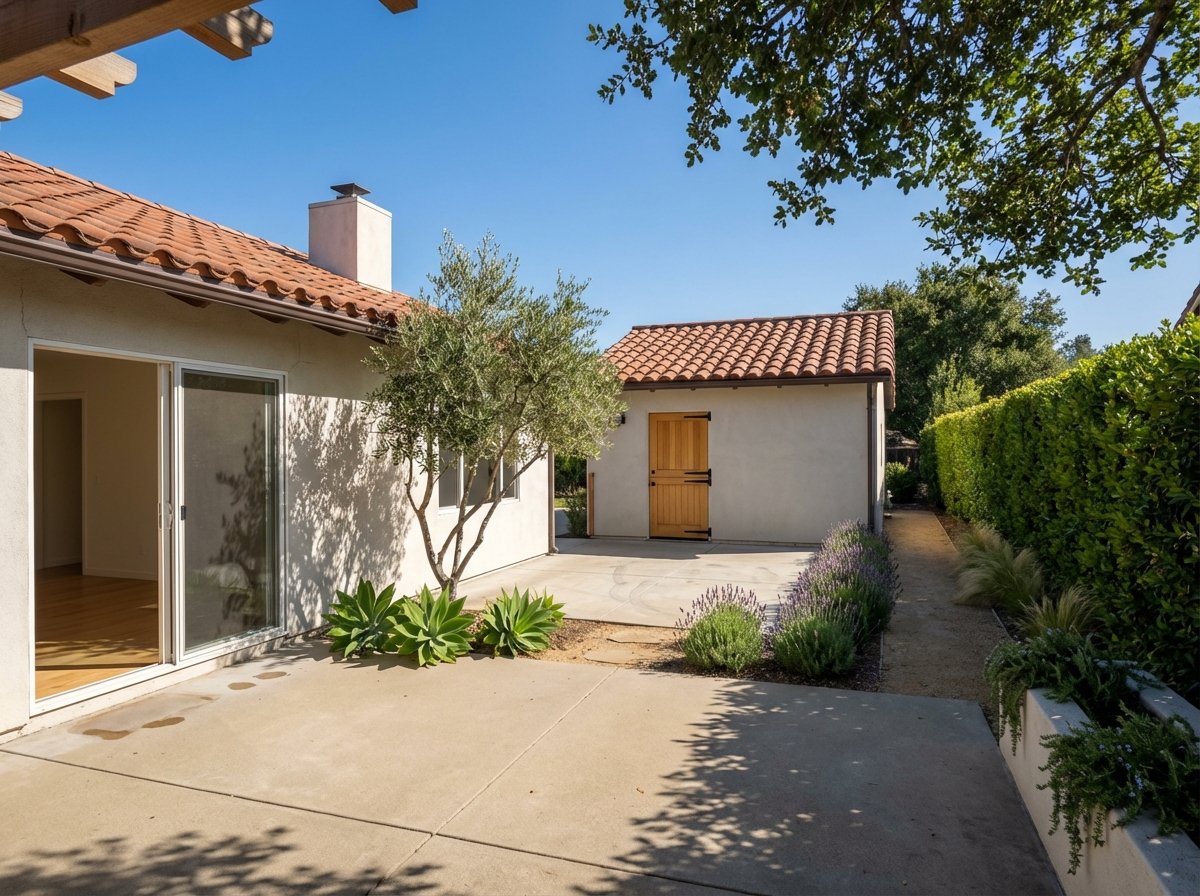
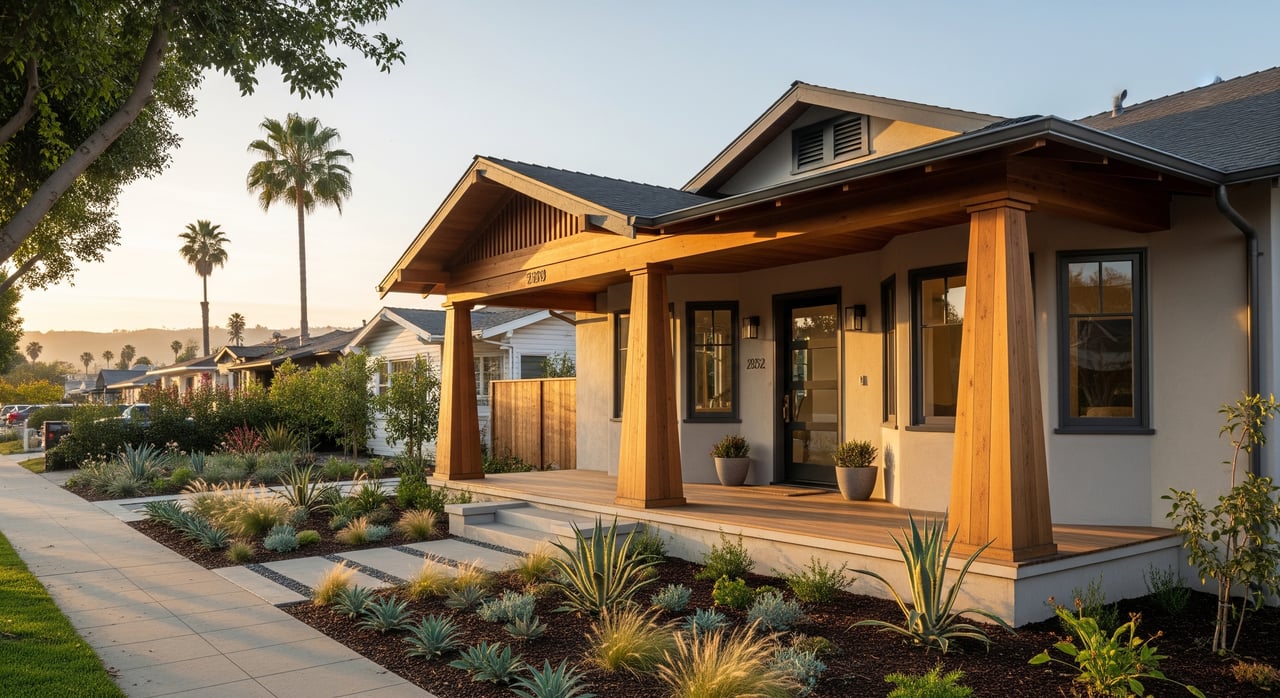
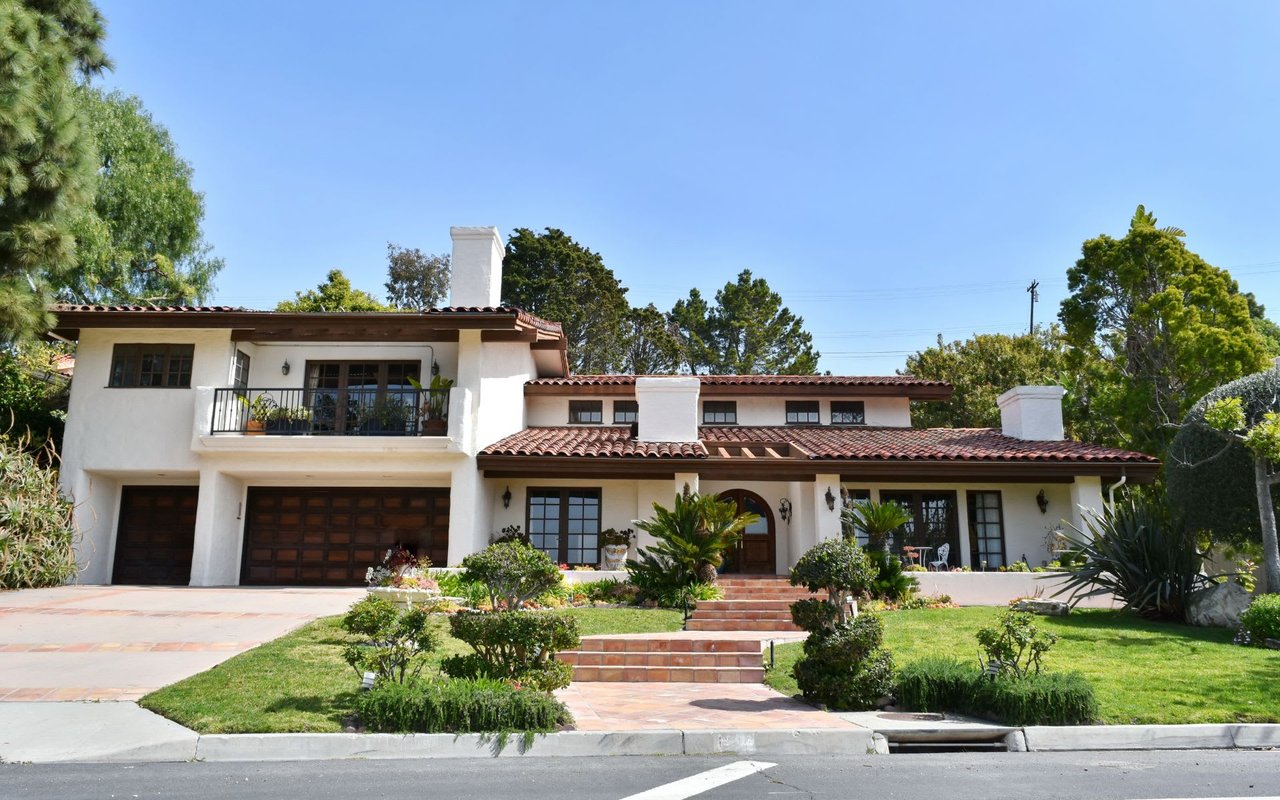
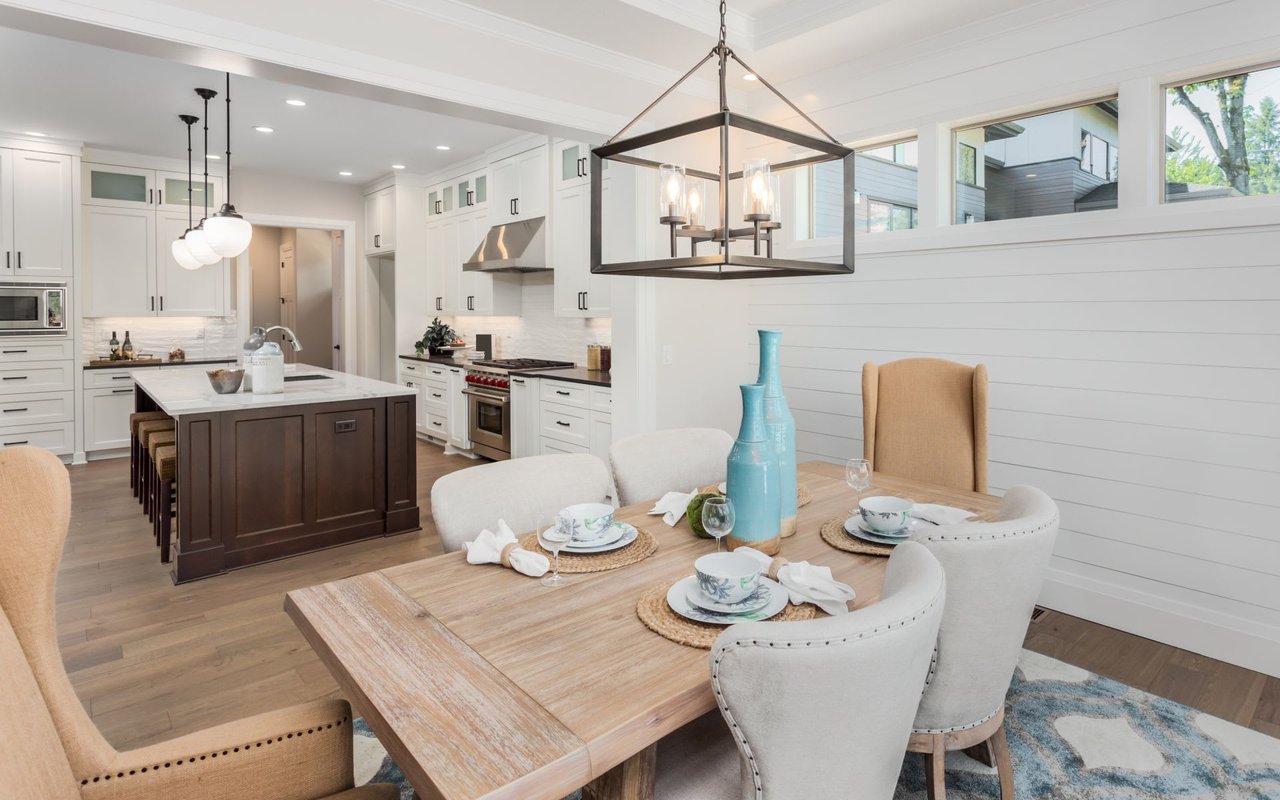
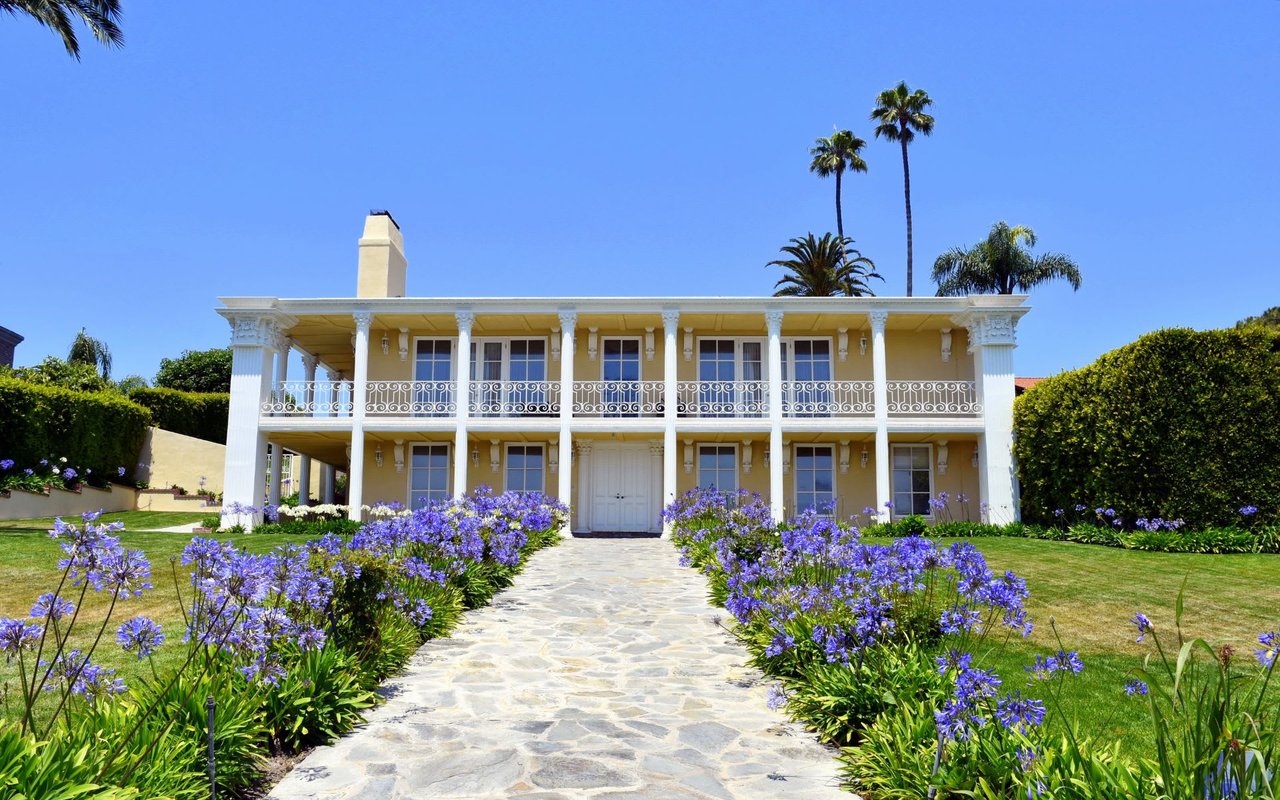
Ranch homes are typically single story with a long, horizontal profile. They often feature open plans and large sliders that connect to patios and yards.
How it sits on PVE lots
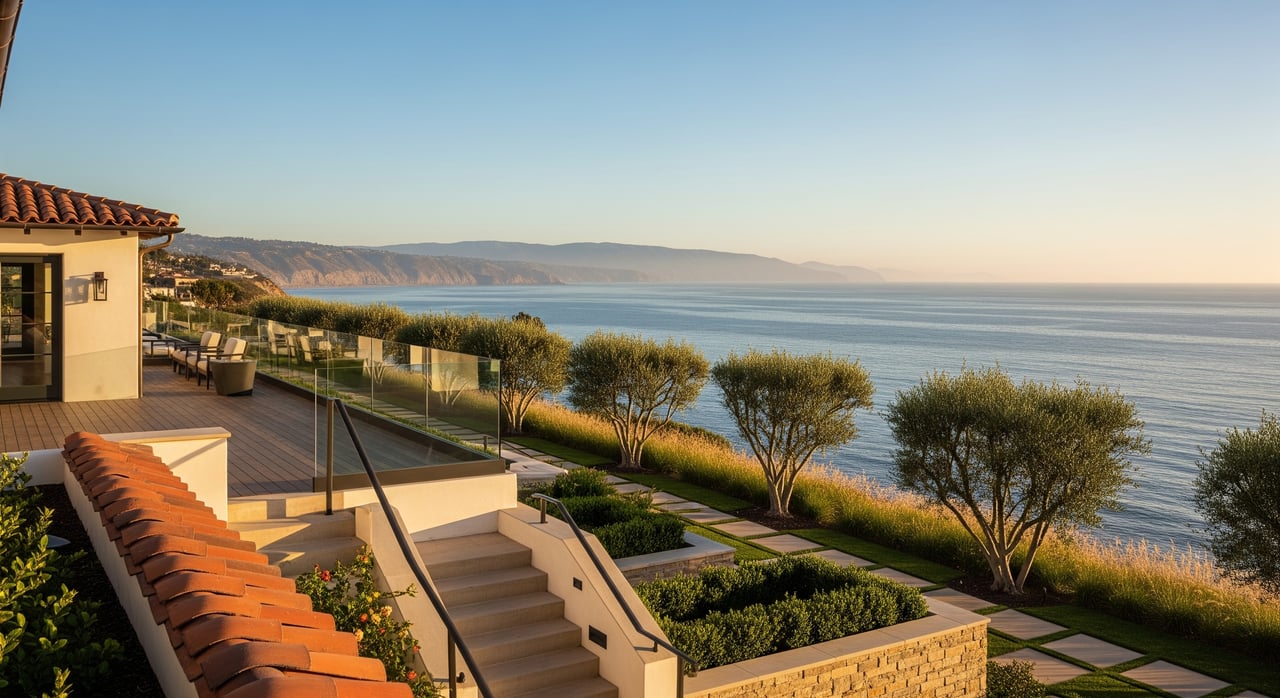
Ranch layouts shine on flat or gently terraced parcels where rooms open to a usable yard. On ocean-facing lots, broad glazing and connected terraces can capitalize on panorama views. The single-level plan is attractive if you value aging in place.
Livability pros and tradeoffs
- Pros: Easy, accessible living on one level. Strong indoor-outdoor flow for entertaining and daily life. Large windows boost light and views.
- Tradeoffs: Big glass areas can raise heat gain and reduce privacy without shading or landscaping. On steeper sites, the footprint may require grading or retaining walls.
Renovation and care
Upgrading windows and doors for energy performance is common. On terraced parcels, inspect foundations, drainage paths, and retaining walls. Address any signs of movement or clogged drains early.
Contemporary homes and views
Defining features
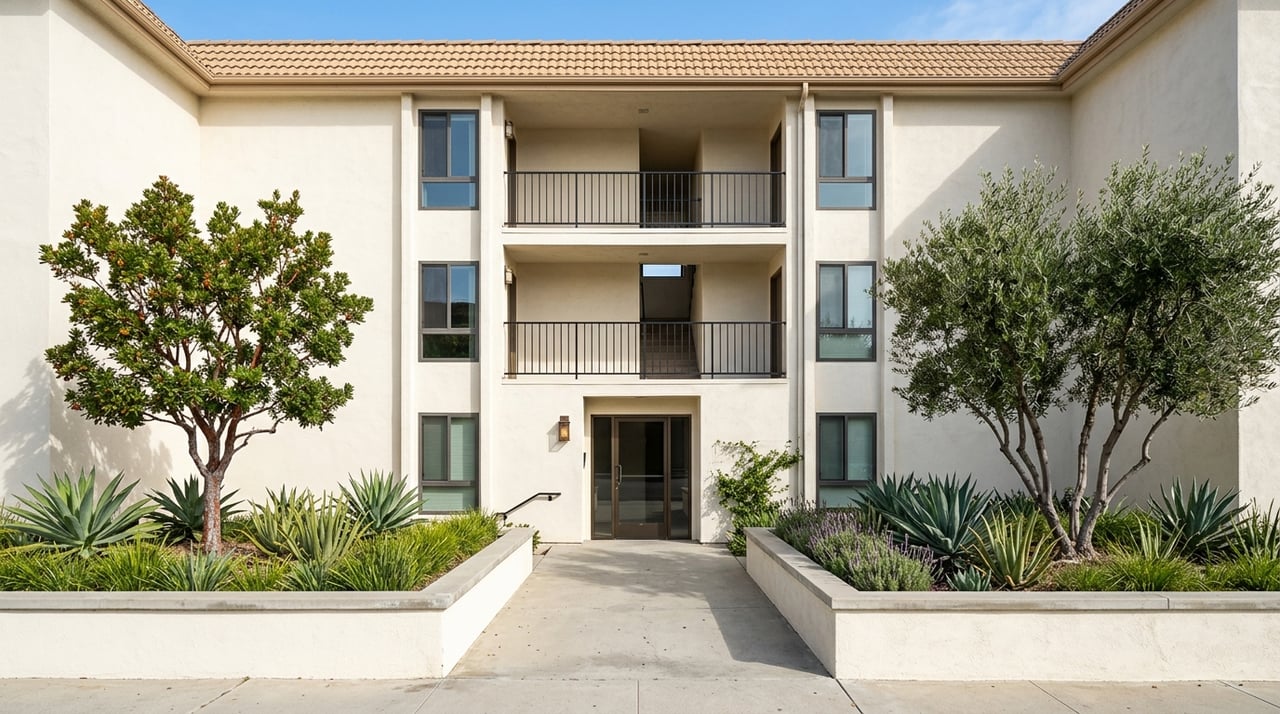
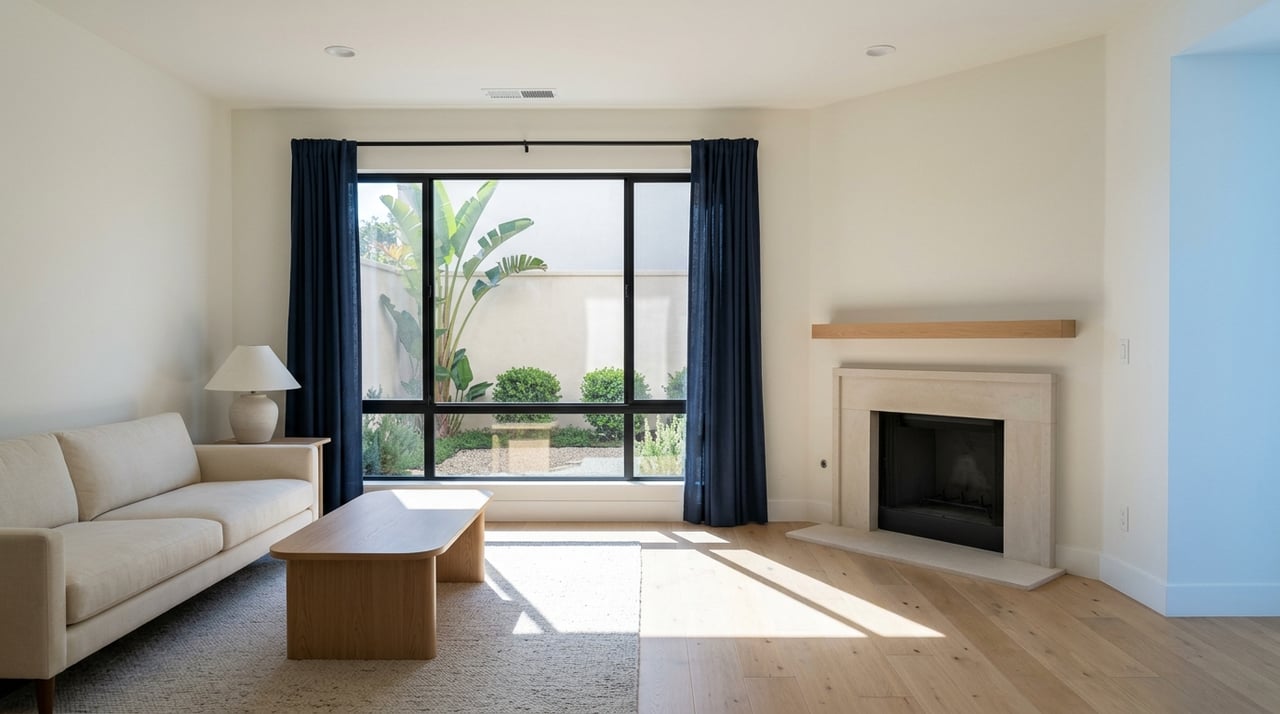
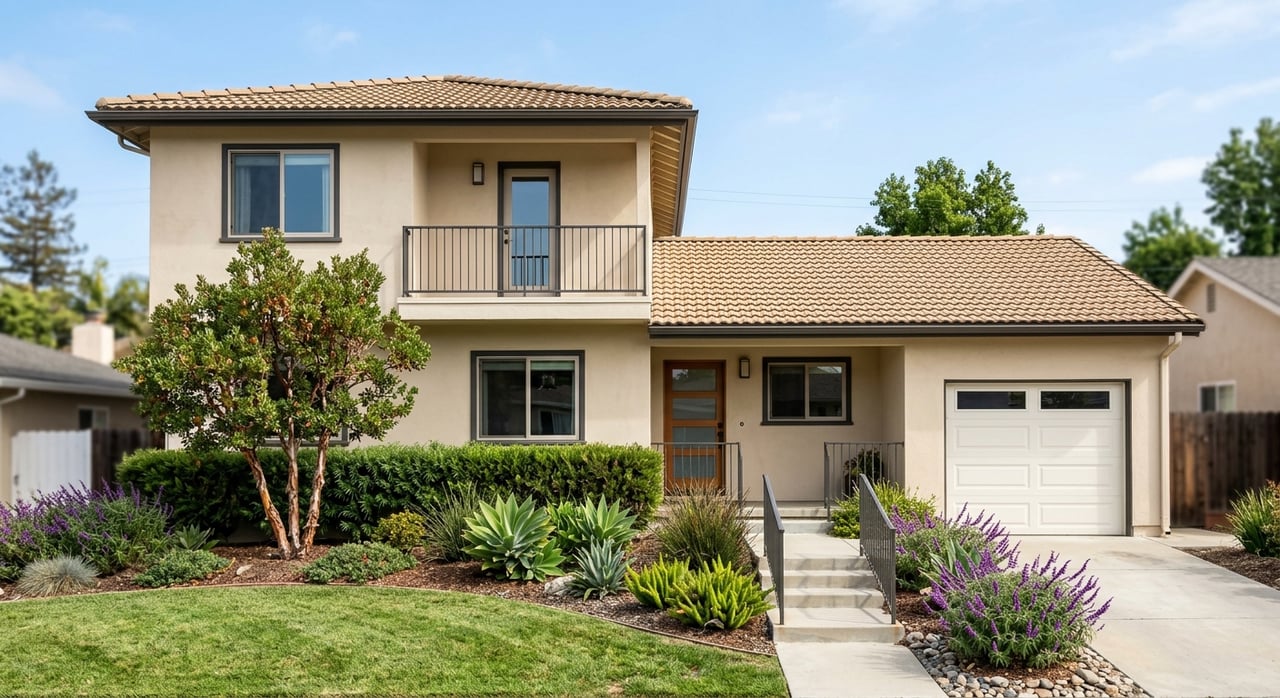
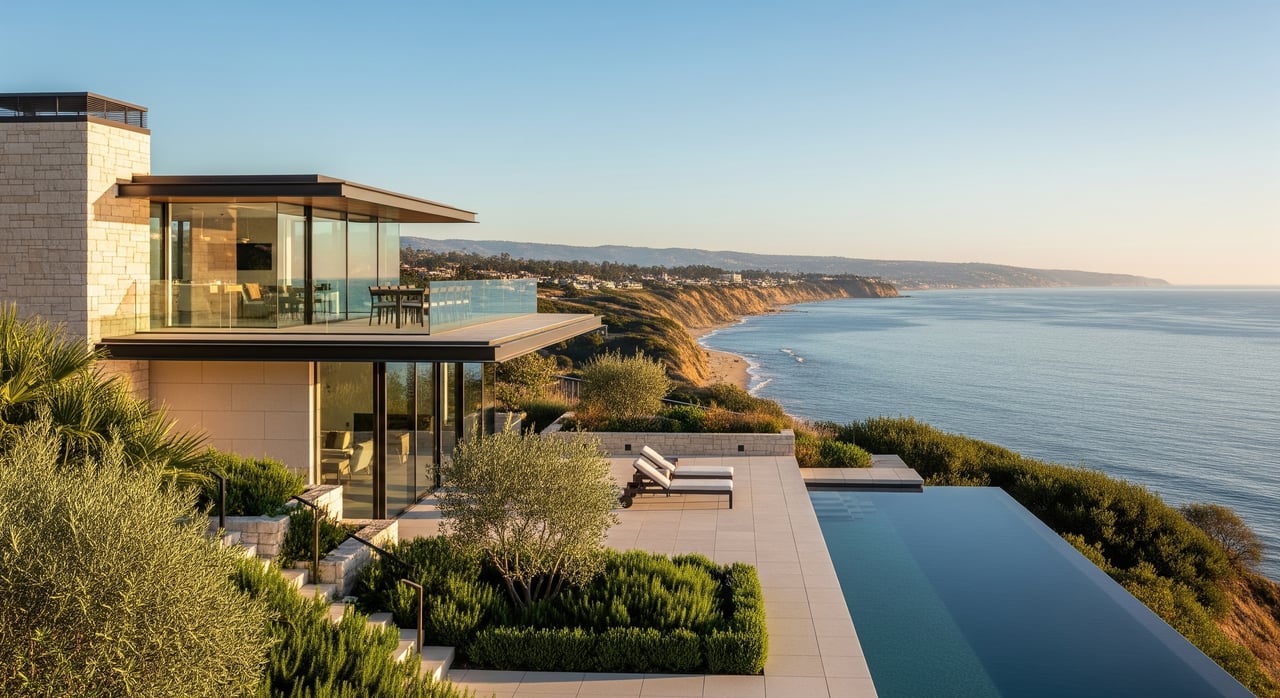
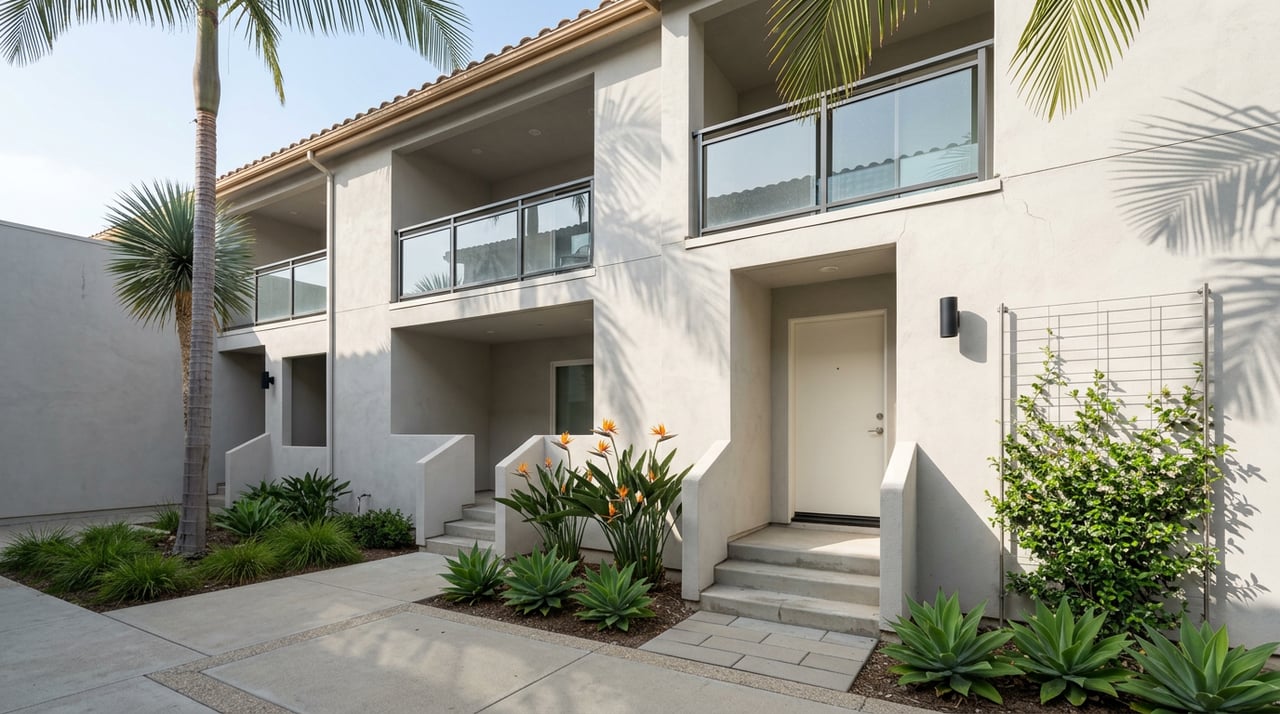
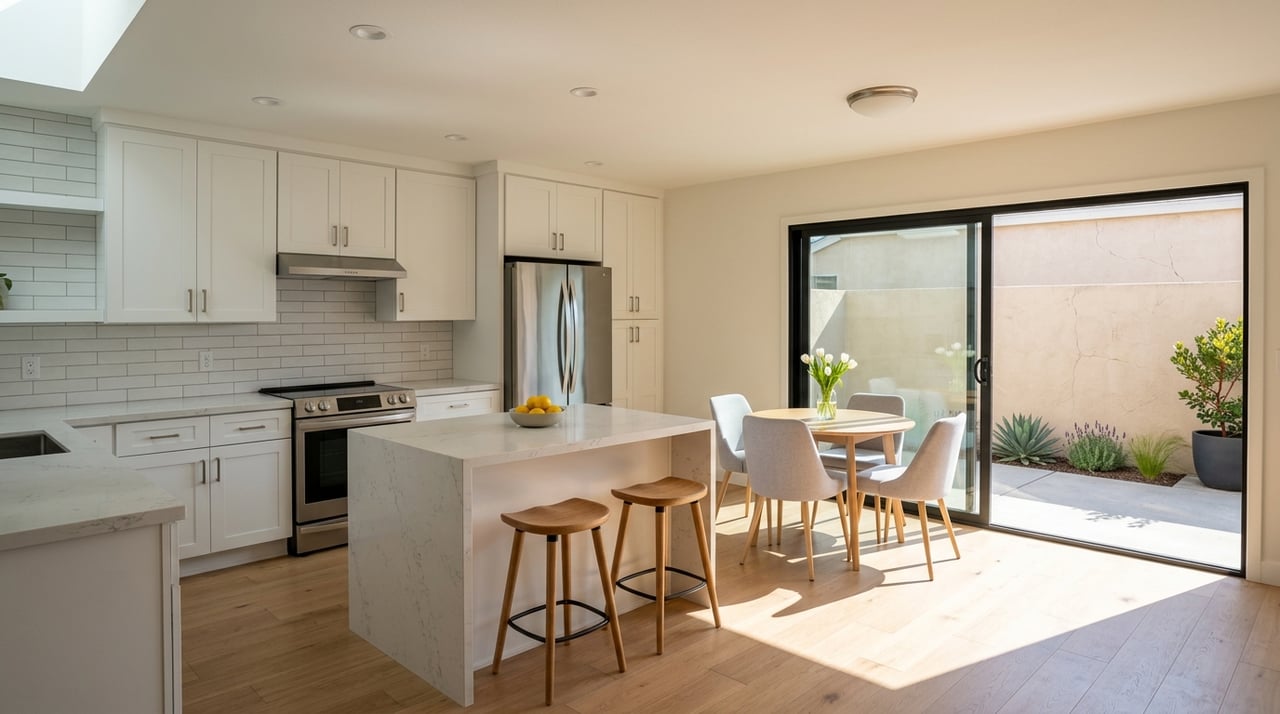
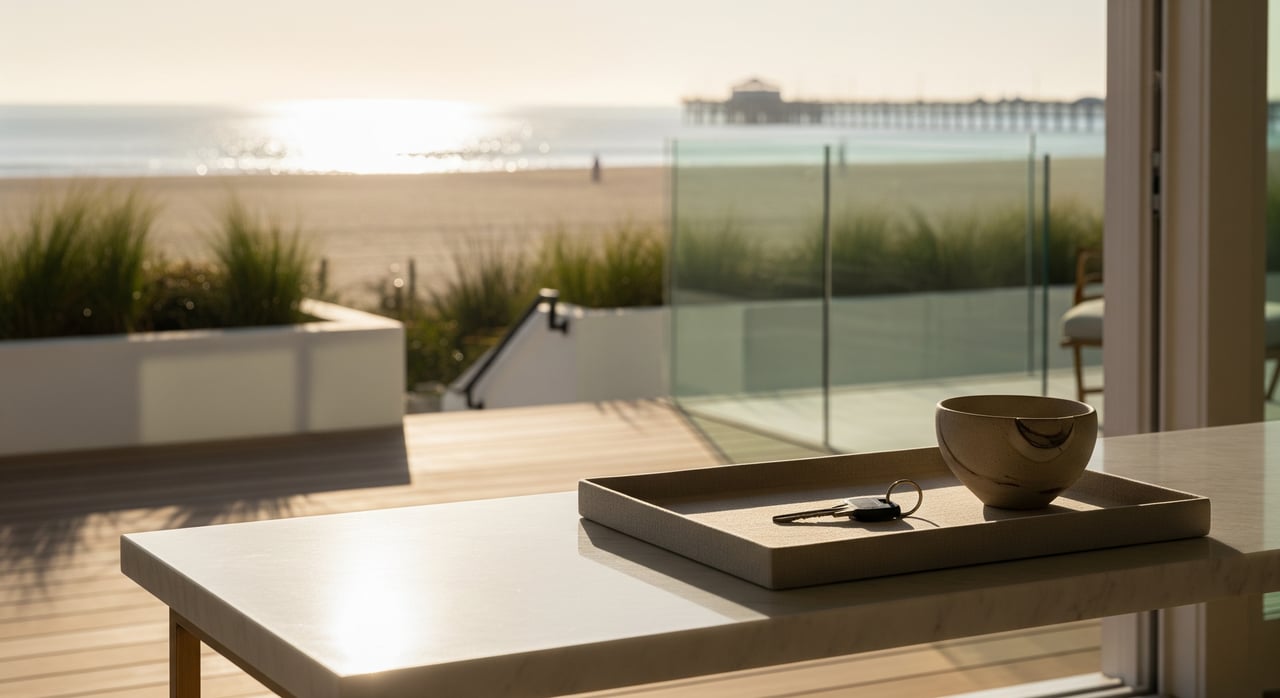
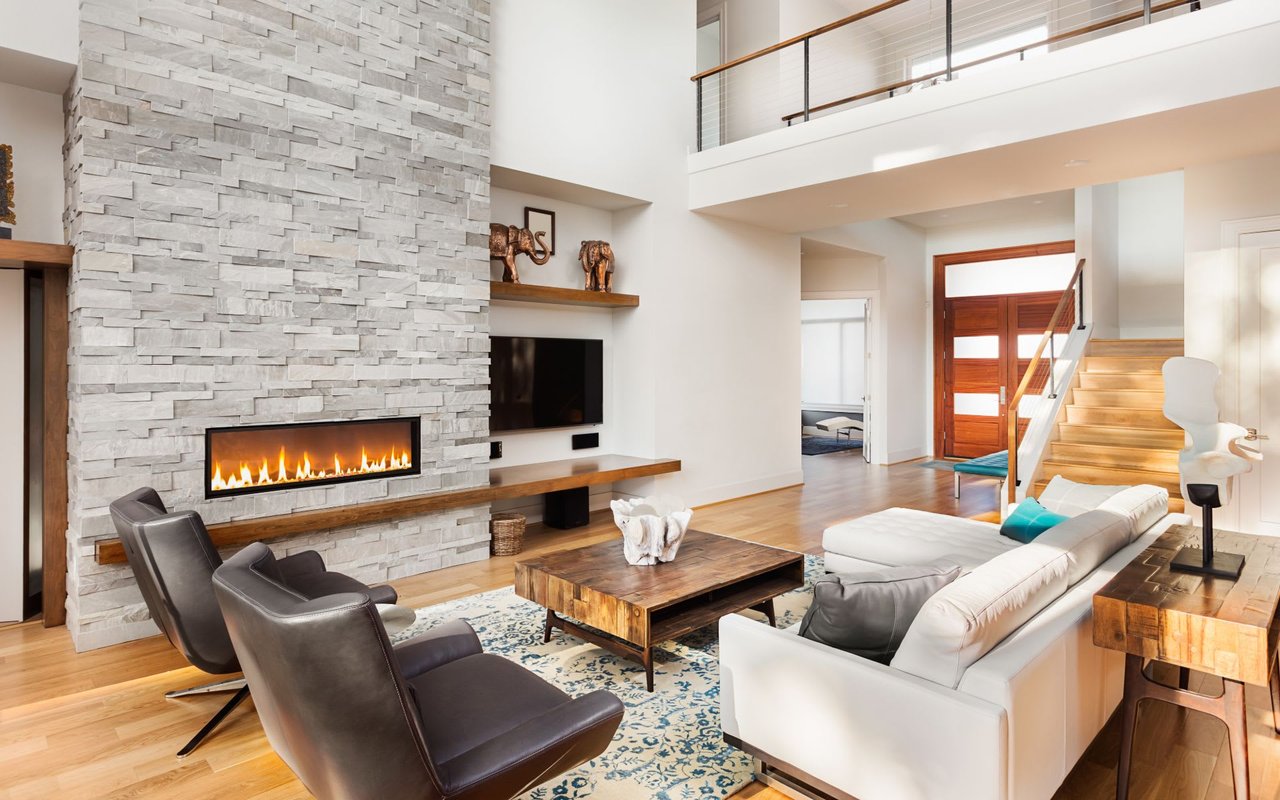
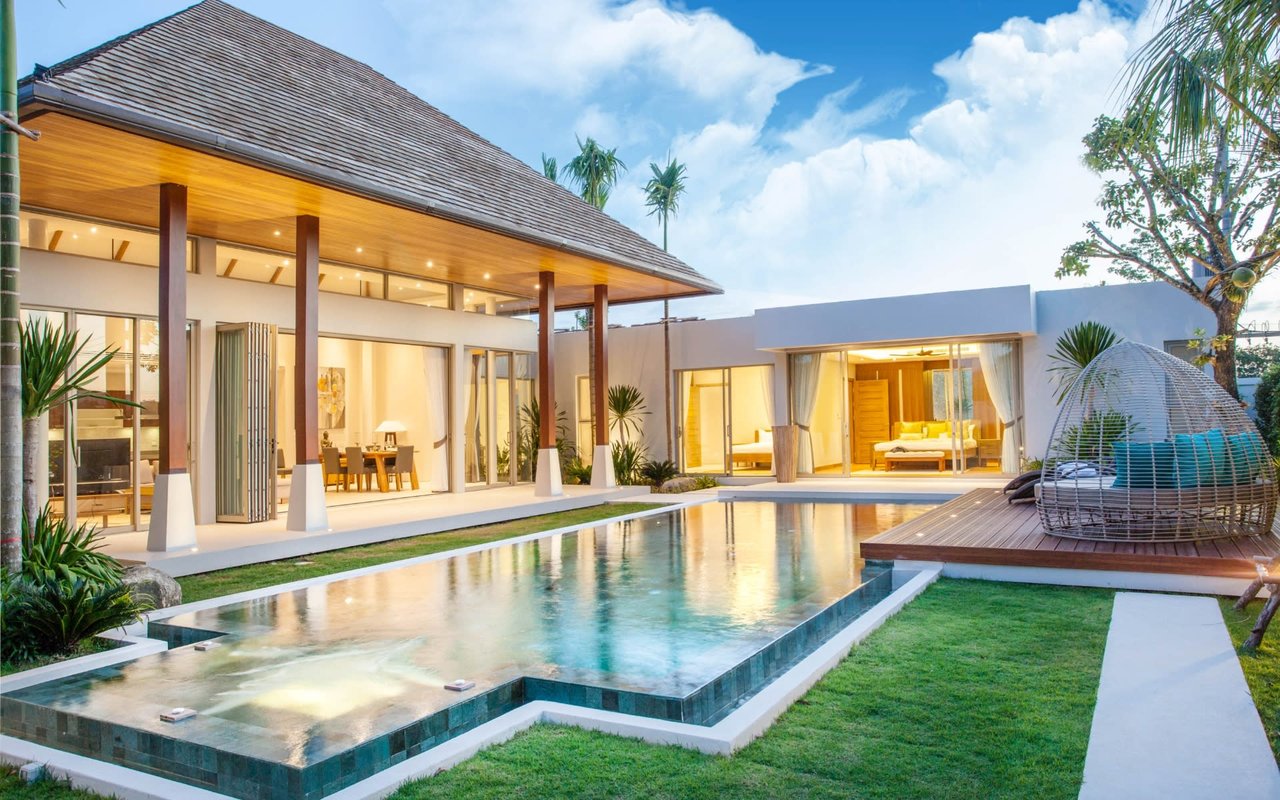
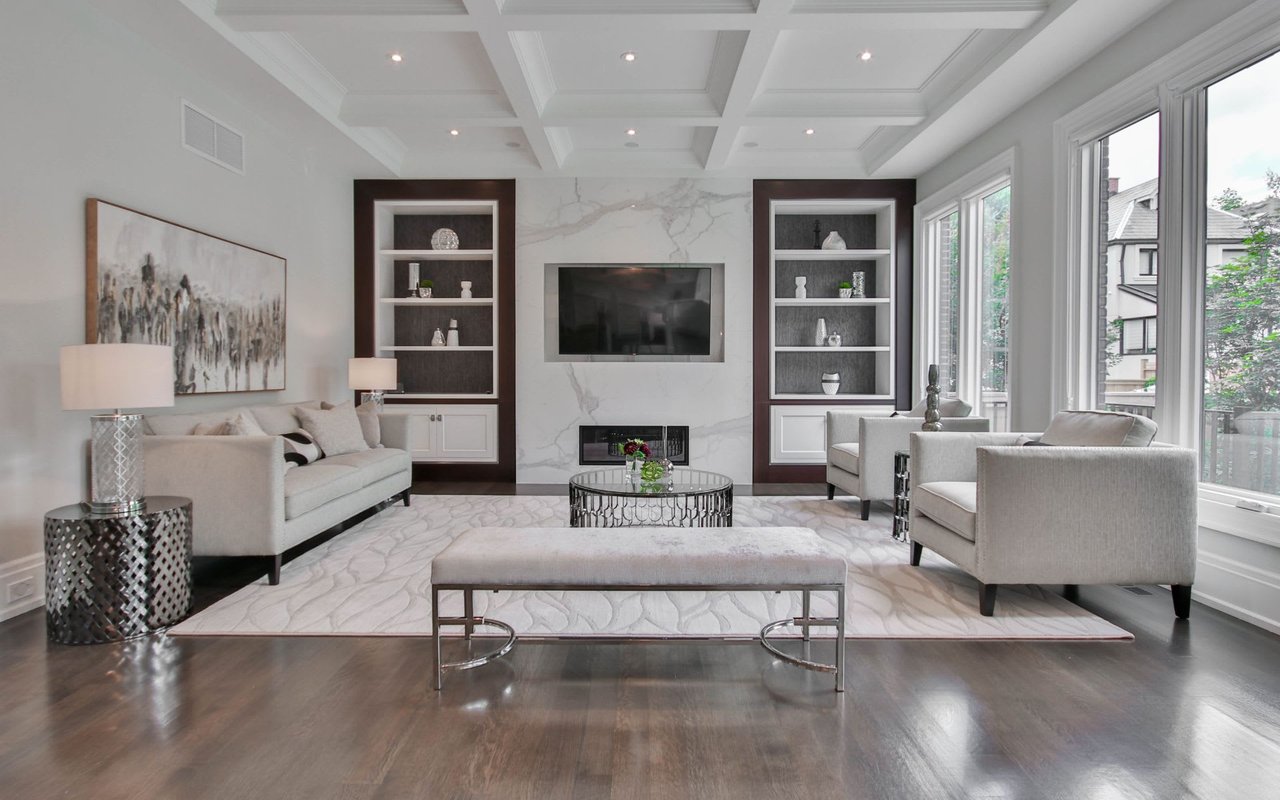
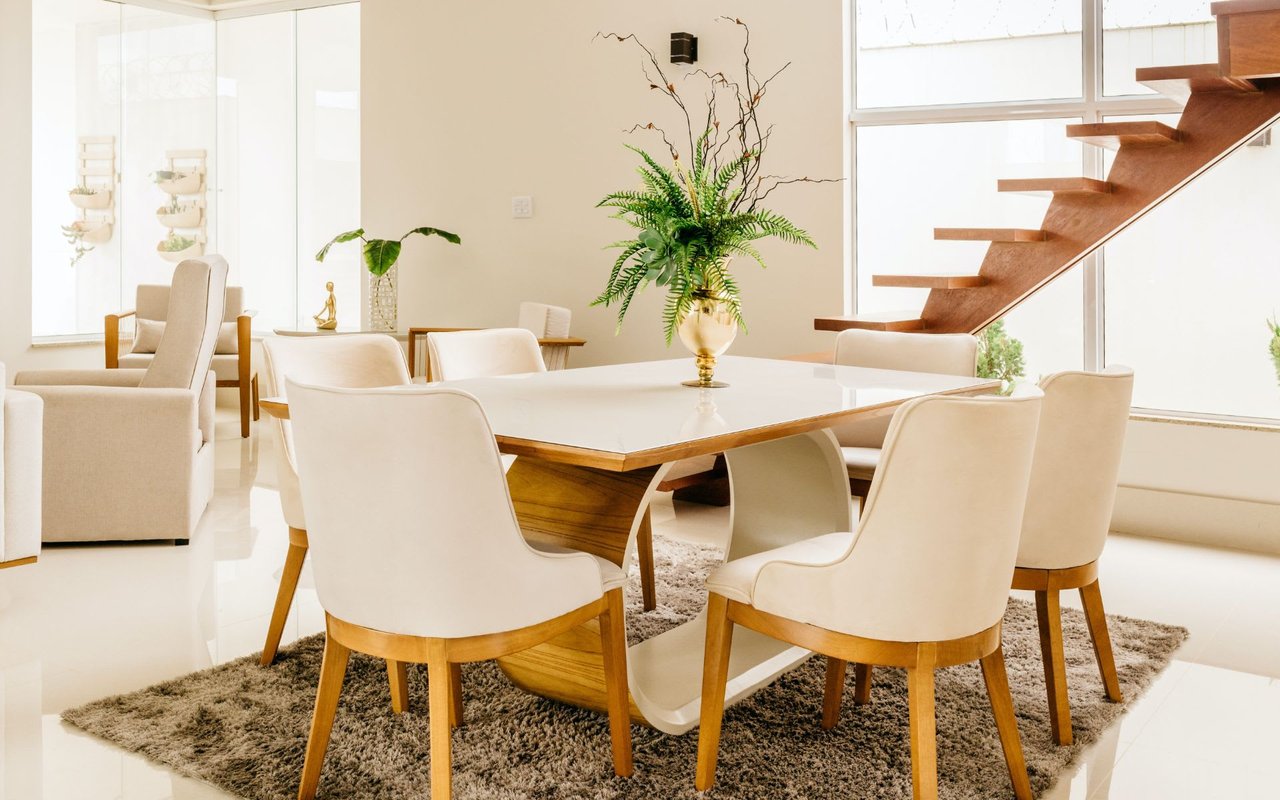
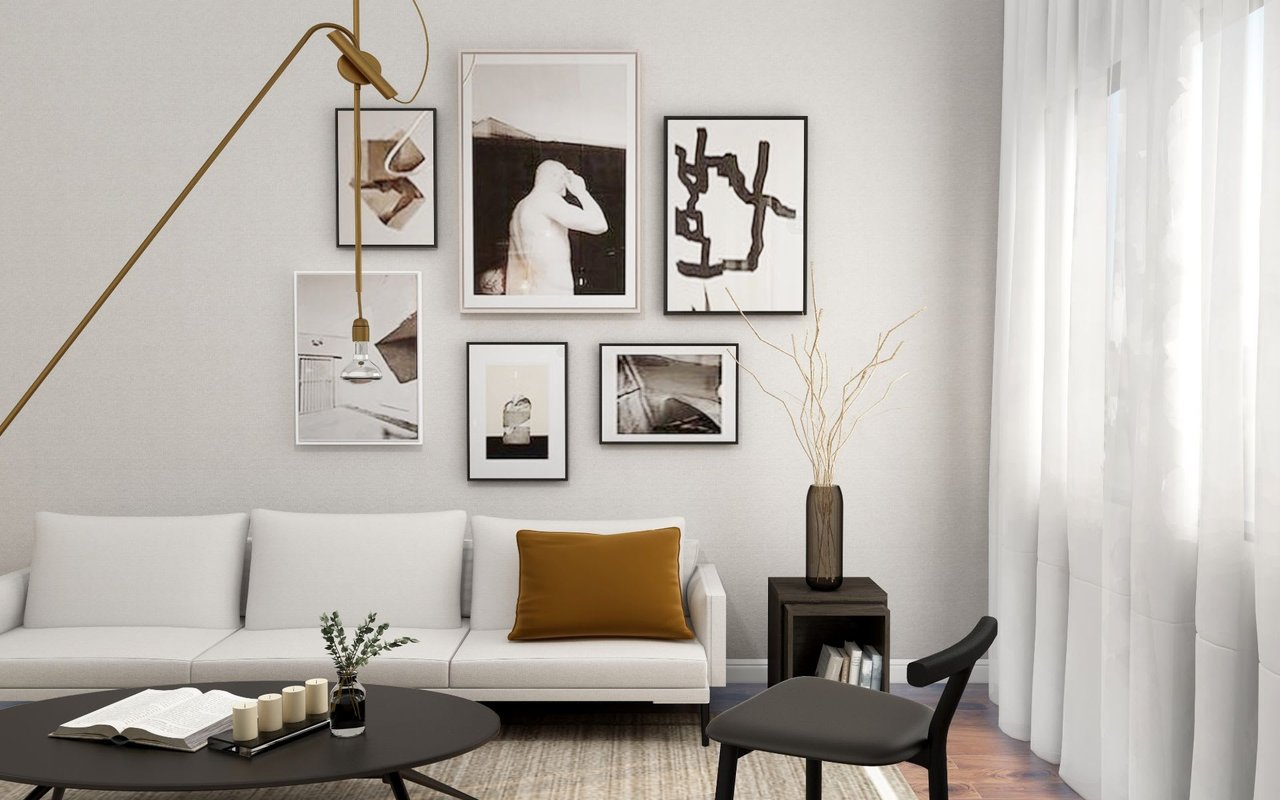
Contemporary homes usually present clean lines, open plans, and large glass walls. Many are multi-level, especially on downslopes, with living spaces placed for maximum sightlines.
How it sits on PVE lots
Modern designs often target ocean and harbor views with expansive glazing and cantilevered terraces. On steep lots, placing main living on an upper level can clear foreground obstructions and widen the view corridor.
Livability pros and tradeoffs
- Pros: Strong connection to views, abundant daylight, and modern amenities. High ceilings and seamless indoor-outdoor flow define daily life.
- Tradeoffs: Extensive glazing needs thoughtful shading and high-performance systems to manage heat and privacy. Flat or low-pitched roofs and specialized materials call for precise waterproofing and drainage.
Renovation and care
Large glass systems, flat roofs, and cantilevers require engineering and professional detailing. Expect design review scrutiny in areas that lean traditional. Plan for regular sealing, roof maintenance, and careful water management on slopes.
Quick style comparison
| Style | Views & Daylight | Indoor-Outdoor Flow | Accessibility | Typical Maintenance | Remodel Complexity |
|---|---|---|---|---|---|
| Spanish Colonial | Moderate unless opened up | Courtyard-focused | Varies by level count | Tile roof, stucco care | Higher for large openings |
| Ranch | Strong with big sliders | Excellent, yard-centric | Strong single-level living | Window/door upgrades; drainage | Moderate on flat sites |
| Contemporary | Maximum with large glazing | Terrace- and view-driven | Varies by multi-level | Glazing, flat roof waterproofing | Higher engineering needs |
Orientation and view corridors
- Southwest exposure can deliver warm afternoon light and classic ocean sunsets. East exposure suits cooler afternoons and bright mornings.
- Elevated or bluff-top sites bring wide views but more wind. Plan terraces and windbreaks for comfort.
- Even small obstructions matter. Study setbacks, easements, and neighbors’ potential expansion to understand how your view could change over time.
Slope, drainage, and structure
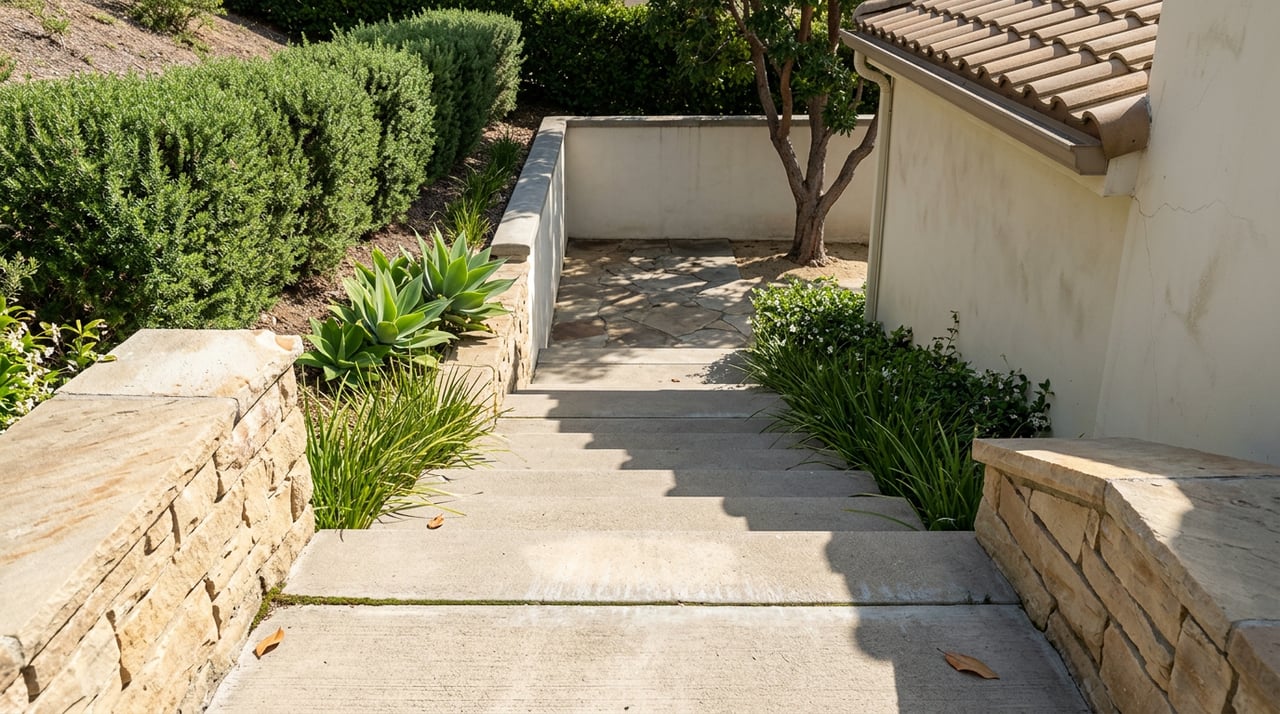
Terraced yards can be beautiful and functional, but they rely on sound drainage and retaining walls. Poor drainage can affect foundations and accelerate slope issues. On hillside or bluff parcels, order a current geotechnical investigation to evaluate soils, bearing capacity, and recommended foundation and drainage systems.
The Peninsula includes areas of historic and active slope movement, with Portuguese Bend being a known regional example. If you are considering a steep or coastal property, factor geotechnical due diligence, structural engineering, and potential insurance impacts into your timeline and budget.
Regulations and permits to expect
- Design review and CC&Rs: Exterior changes such as enlarging windows, adding decks, or altering rooflines often require city review. Some areas also have HOA or private covenants that guide materials and massing.
- Seismic and structural: Older homes may predate current seismic standards. Opening walls for large glazing or adding cantilevers usually requires engineering and permits.
- Coastal and erosion: Bluff-proximate parcels can have special permit conditions and stricter erosion safeguards. Confirm requirements early.
- Energy and solar: Orientation affects solar potential. South to southwest roofs are productive, but tile roofs and design guidelines can influence placement and appearance. Verify local rules before investing.
Energy, microclimate, and comfort
- Daylight and heat: Contemporary glazing needs low-e glass, operable shading, or recessed window placement to reduce heat gain. Spanish Colonial shading can help cooling but may reduce daylight without selective openings.
- Wind and terraces: The ocean brings west-southwest breezes. Shield dining areas and fire features with hedges, walls, or glass wind screens placed out of direct gusts.
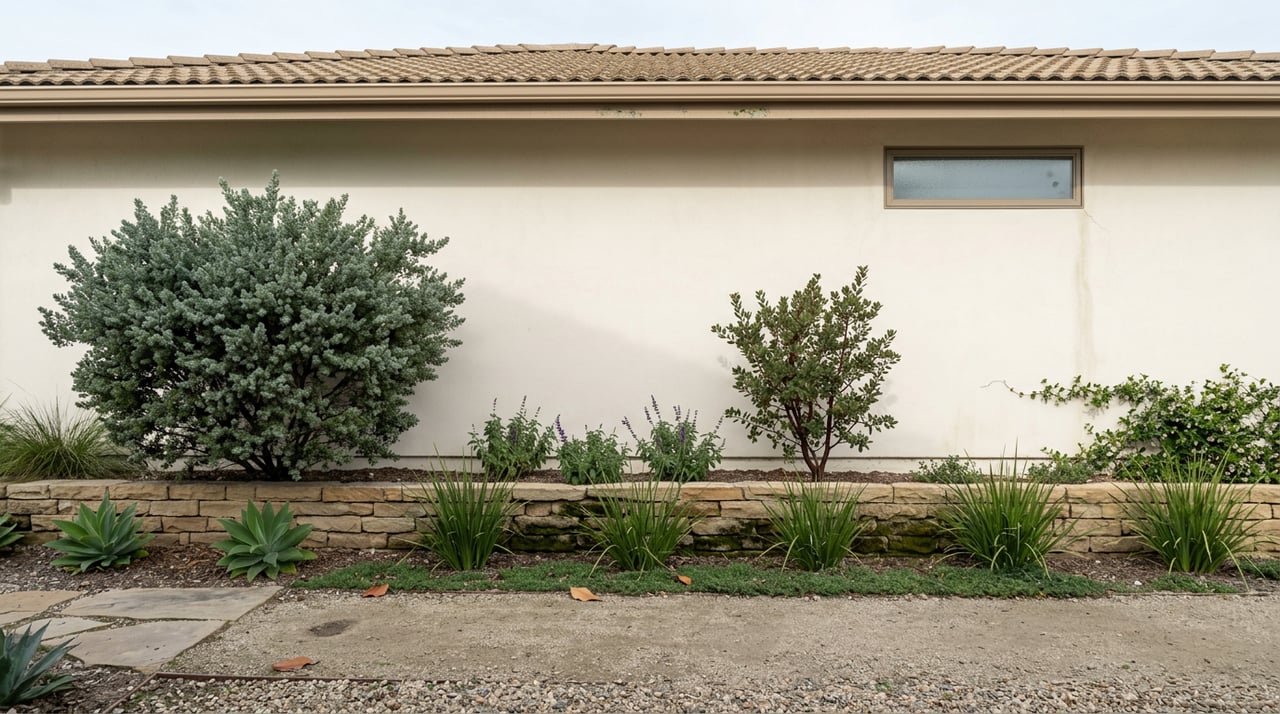
- Landscaping and water: Drought-adapted, deep-rooted plantings support slope stability and lower water use. Choose species suited to salt air and microclimate.
A practical due-diligence walkthrough
Use this checklist as you evaluate a home and its lot:
- Visit at different times and in different weather, including foggy mornings and clear afternoons.
- Confirm school boundaries with the Palos Verdes Peninsula Unified School District if relevant to your plans.
- Review seller disclosures, prior permits, and any available geotechnical or structural reports.
- Order a current geotechnical report for hillside or bluff properties.
- Schedule a full home inspection, pest inspection, and targeted evaluations for roof, HVAC, and sewer.
- Inspect drainage routes, downspouts, and retaining walls. Look for staining, efflorescence, or soil movement.
- Review CC&Rs and HOA documents. Ask the city about design review history for the property and neighborhood.
- Evaluate neighbors’ potential build-out under zoning to understand view risk.
- Consult a local architect or contractor about feasibility and cost if you plan to open walls or expand glazing.
- Check insurance options early for steep or landslide-prone areas.
- If considering solar, assess orientation, roof type, and any appearance guidelines.
Which style fits your priorities
- View-first living: Contemporary or a remodeled ranch often delivers the widest sightlines. Make sure glazing, shading, and privacy solutions are in place.
- Privacy and character: Spanish Colonial offers a serene courtyard lifestyle. Consider selective view openings if panorama is important.
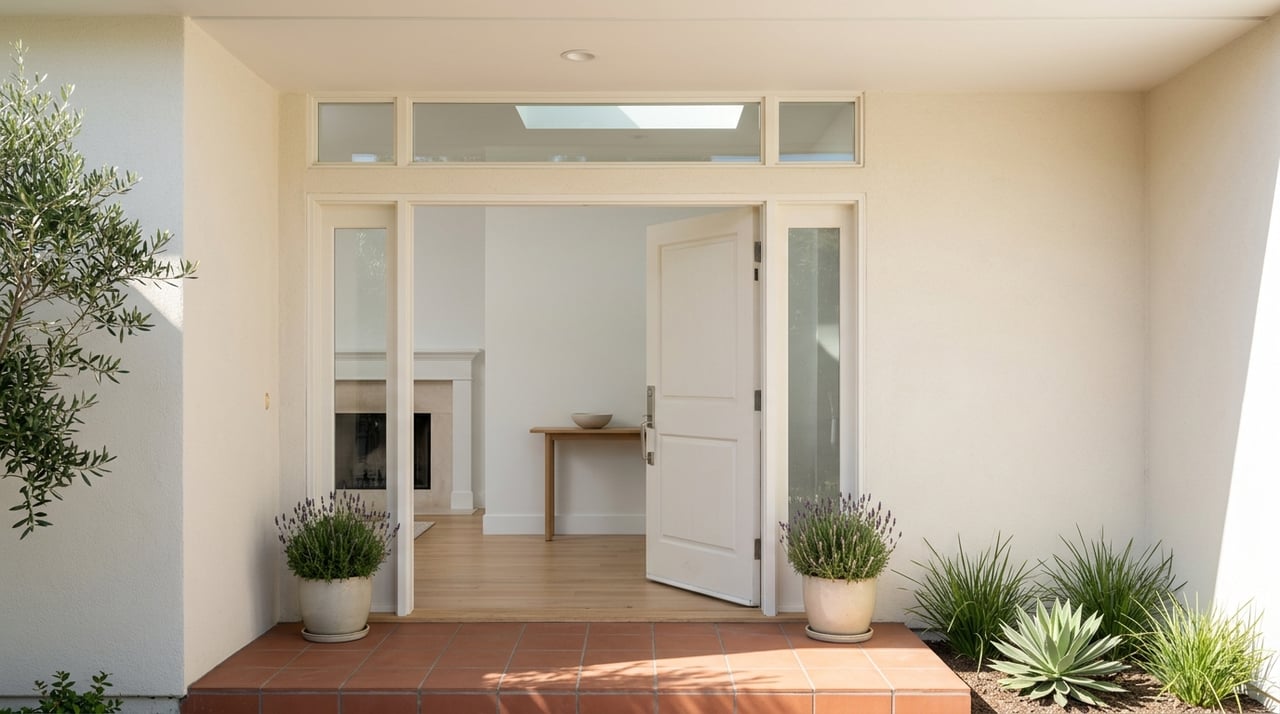
- Single-level ease: Ranch homes suit aging in place and everyday convenience. Verify thresholds, entries, and bathroom layouts.
- Low-drama maintenance: Spanish tile and stucco are durable with periodic care. Contemporary materials need diligent waterproofing and sealants. Ranch homes vary by age and upgrades.
- Ready-to-remodel: Ranch and contemporary frameworks usually accept larger openings more easily than classic Spanish forms, though engineering and permits still apply.
Choosing well in Palos Verdes Estates means aligning style with site. When you match architecture to orientation, slope, and view corridor, you get a home that feels effortless in every season.
If you want a clear plan and local guidance tailored to your goals, reach out to the Mackenbach Group. Our multi-generational team helps you weigh style, site, and permitting so you move forward with confidence.
FAQs
How does style affect resale value in PVE?
- Style plays a role, but view quality, lot orientation, condition, and neighborhood fit often have a larger impact on pricing and demand.
Can a Spanish Colonial be opened for bigger views?
- Yes in many cases, but you should expect structural work, city design review, and roofing or stucco changes to support larger openings.
Are ranch homes better for aging in place?
- Single-level ranch layouts typically make daily living easier; still confirm entry steps, bathroom access, and threshold heights for long-term needs.
Do contemporary homes overheat with large glass walls?
- Without high-performance glazing and shading, cooling loads can rise; mitigate with low-e glass, shades, recessed openings, and landscape screening.
What geotechnical steps should I take on a hillside lot?
- Order a site-specific geotechnical report, inspect drainage and retaining walls, and consult structural engineering before major remodels.
Will wind affect my outdoor living in ocean-view areas?
- Ocean-facing sites can be breezier; plan wind screens, hedge lines, and sheltered seating areas to make terraces comfortable.
What permits are typical for view-focused remodels?
- Enlarged windows, decks, and roof changes usually need permits and design review, with added structural engineering for large openings or cantilevers.