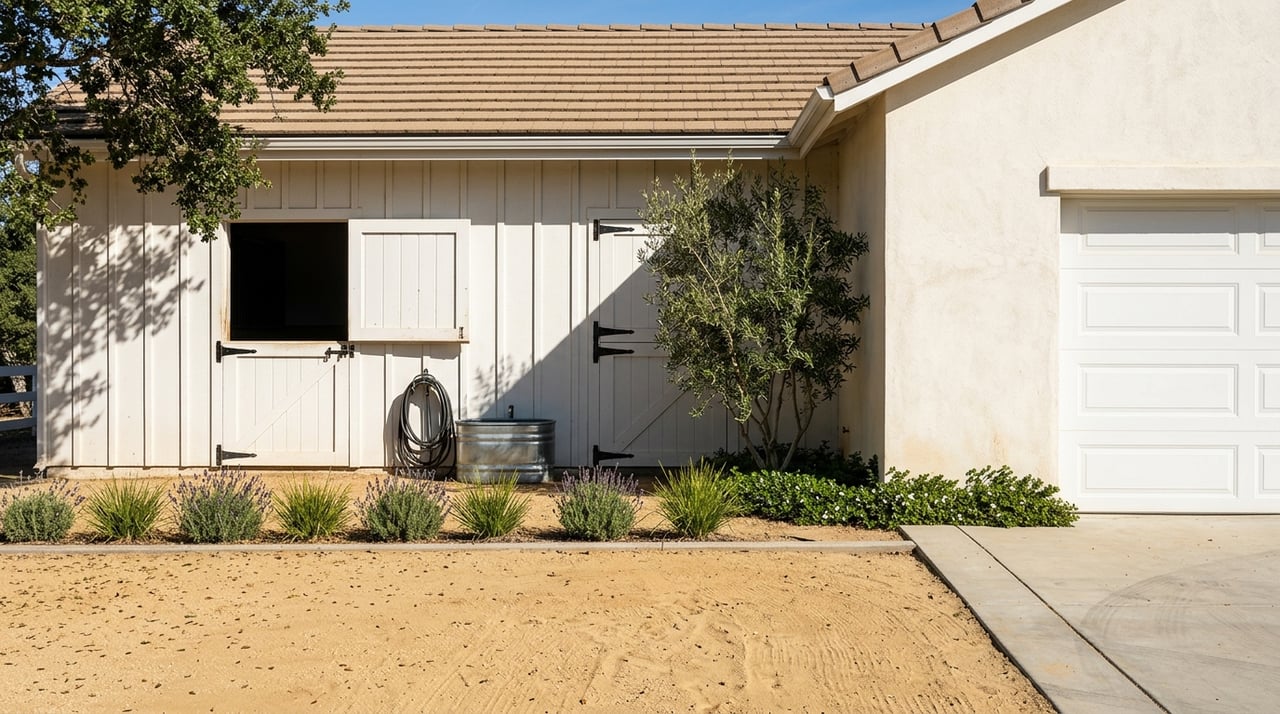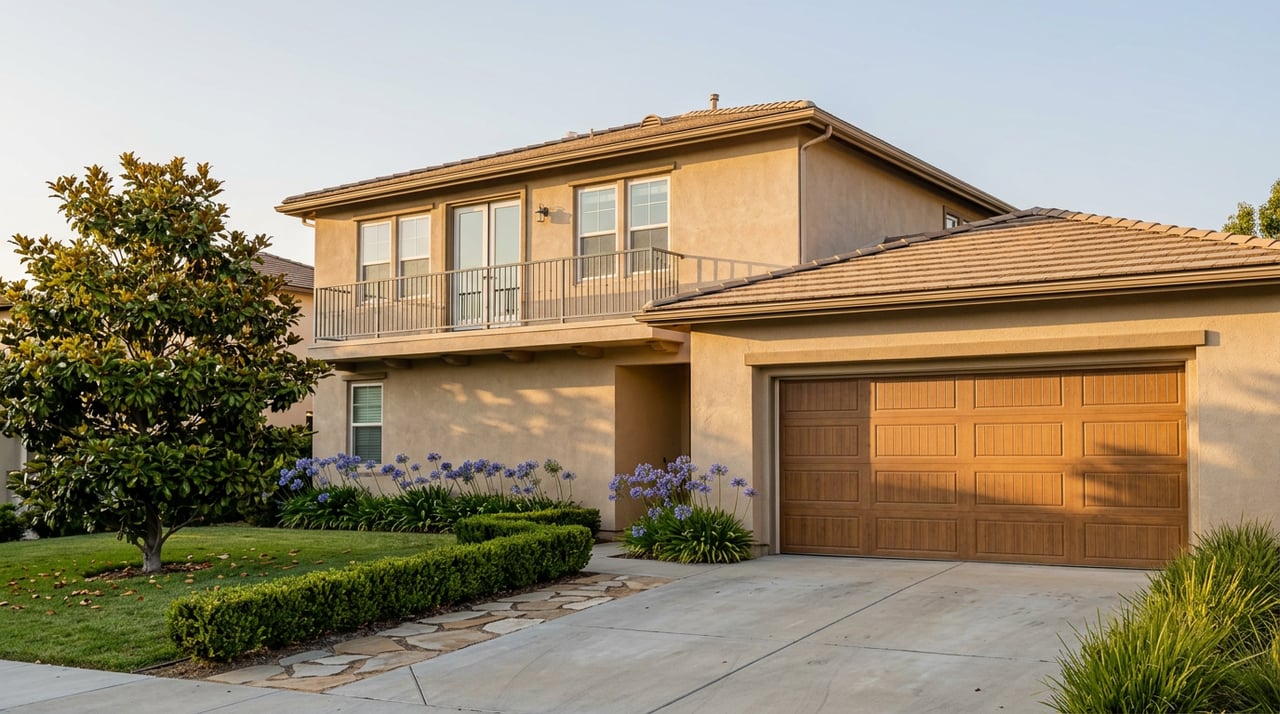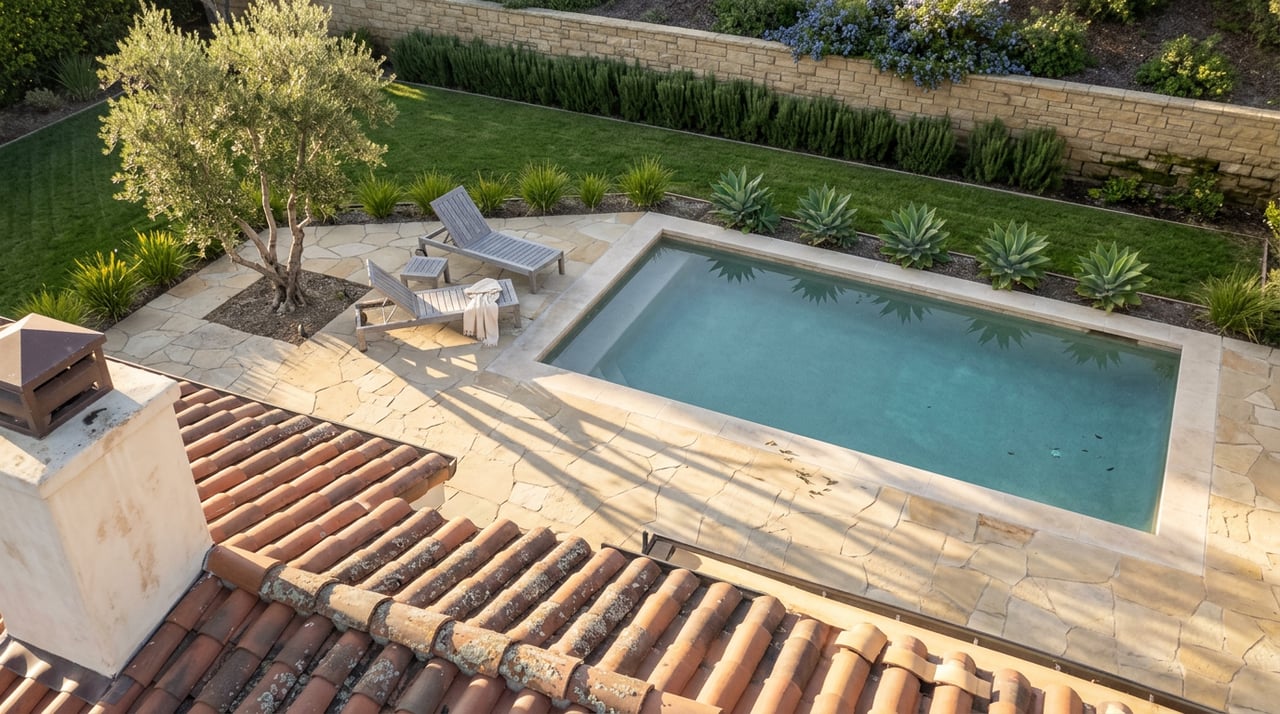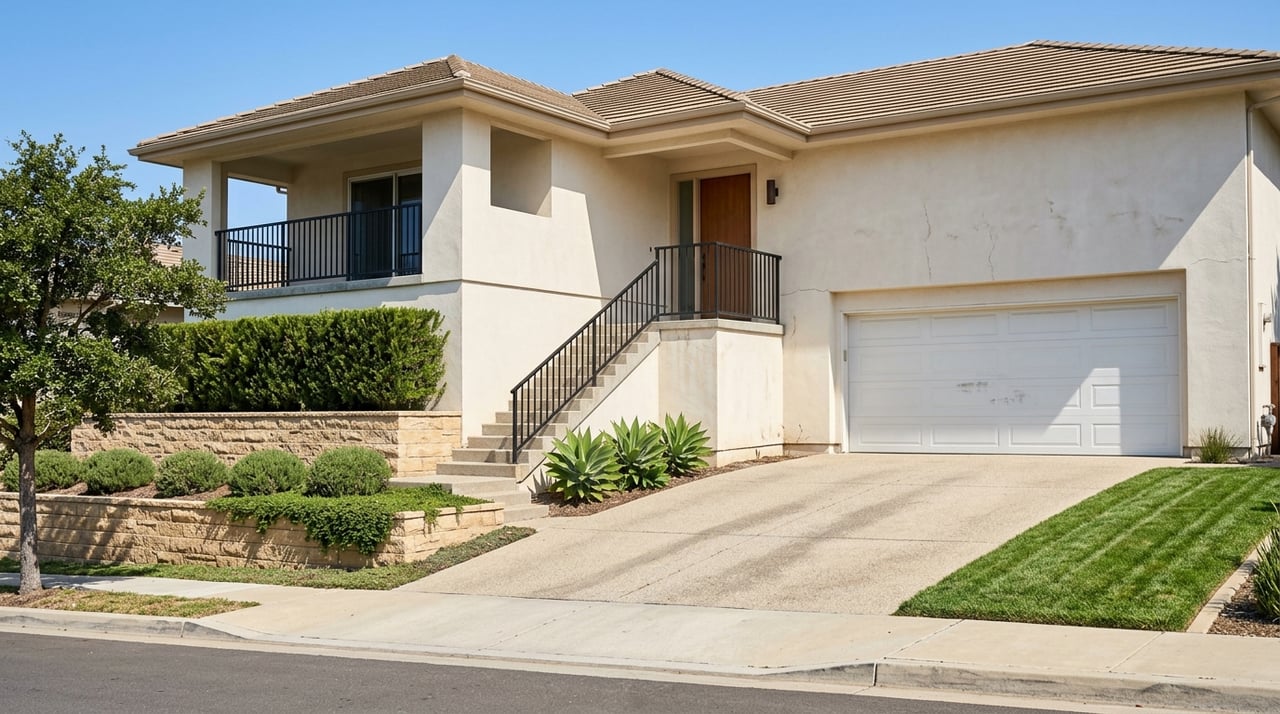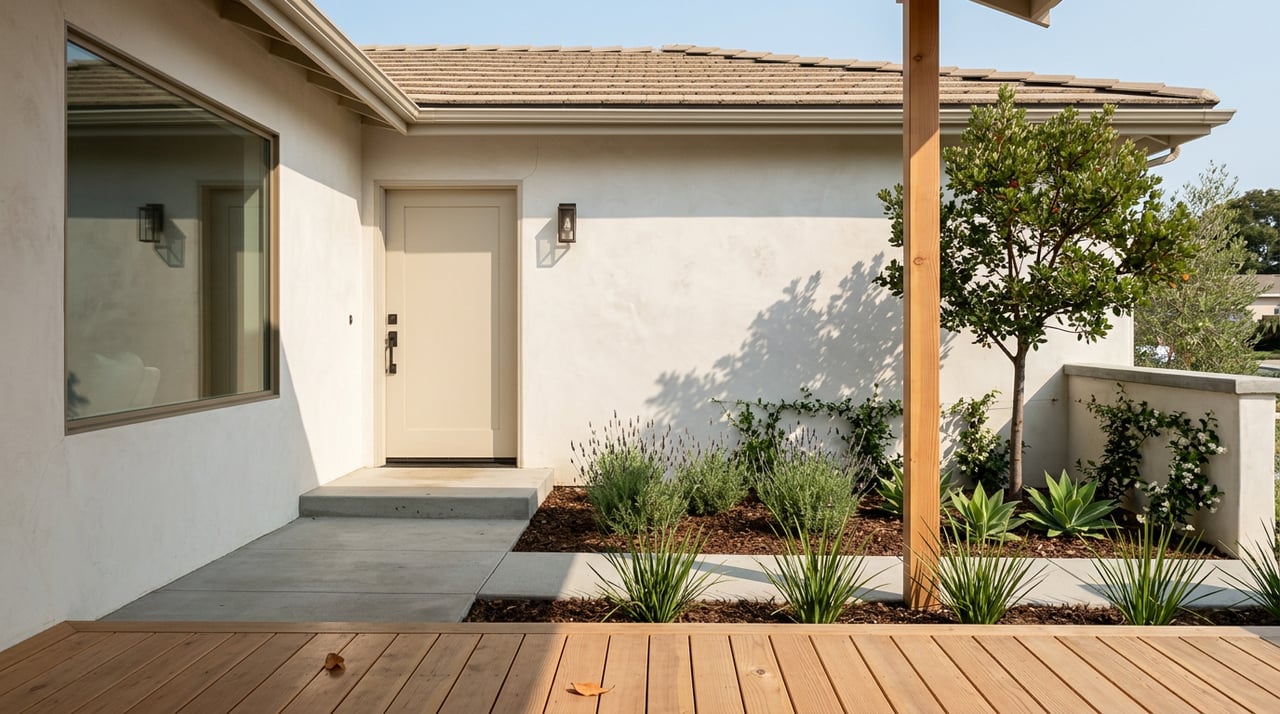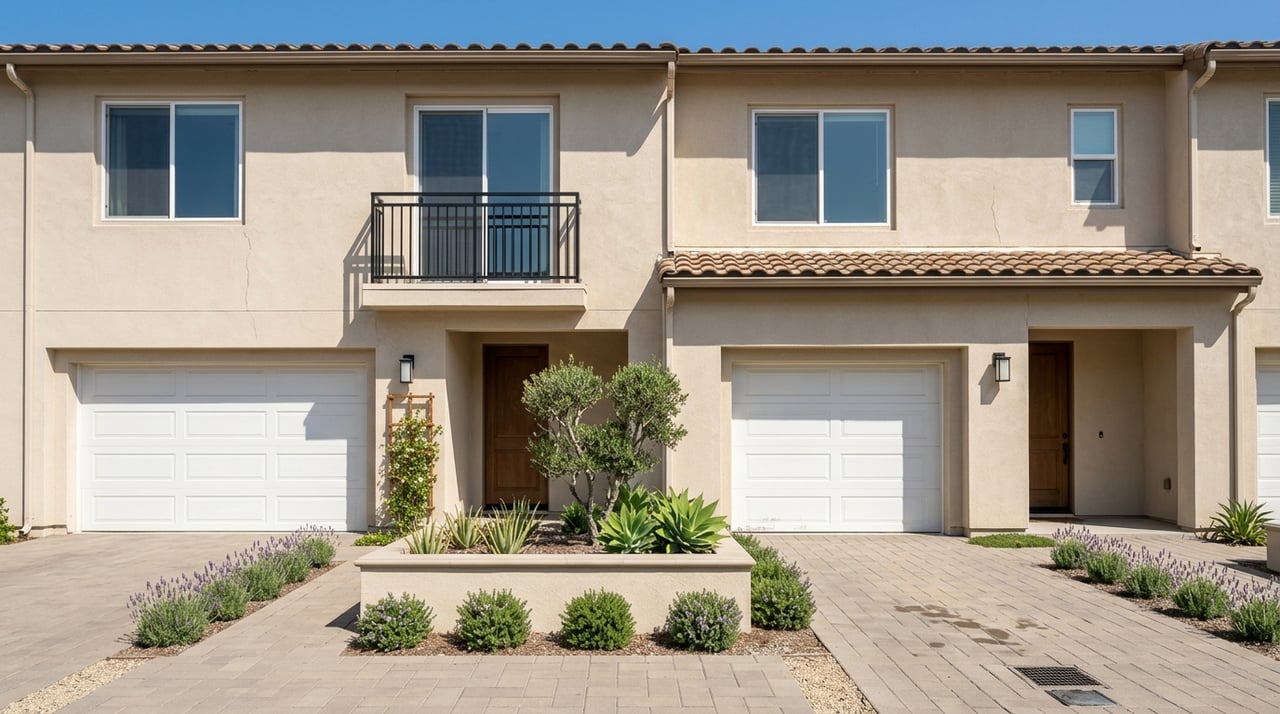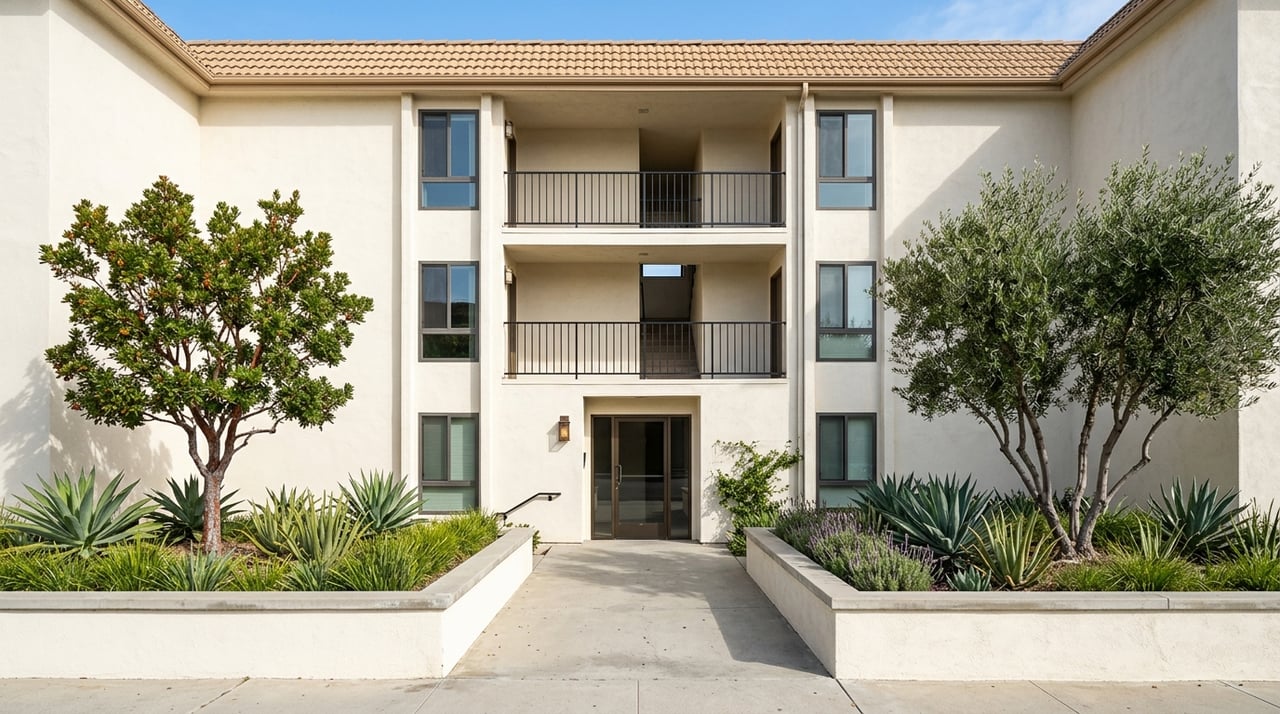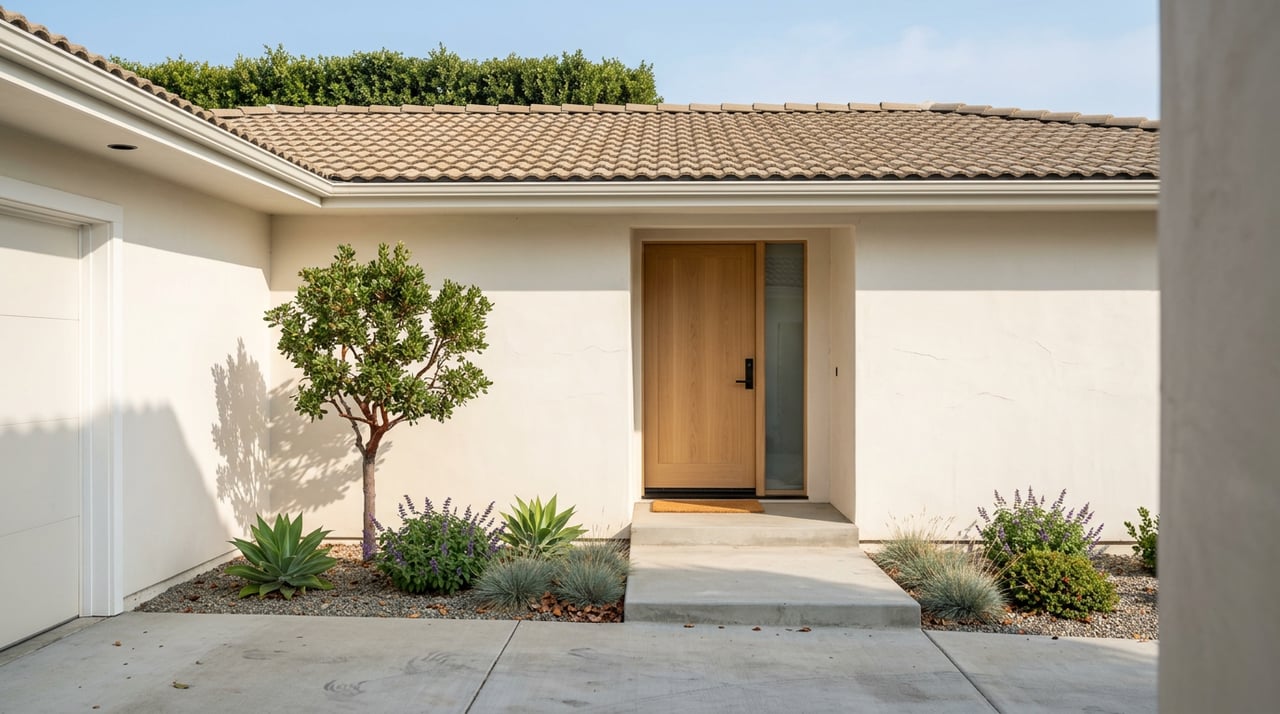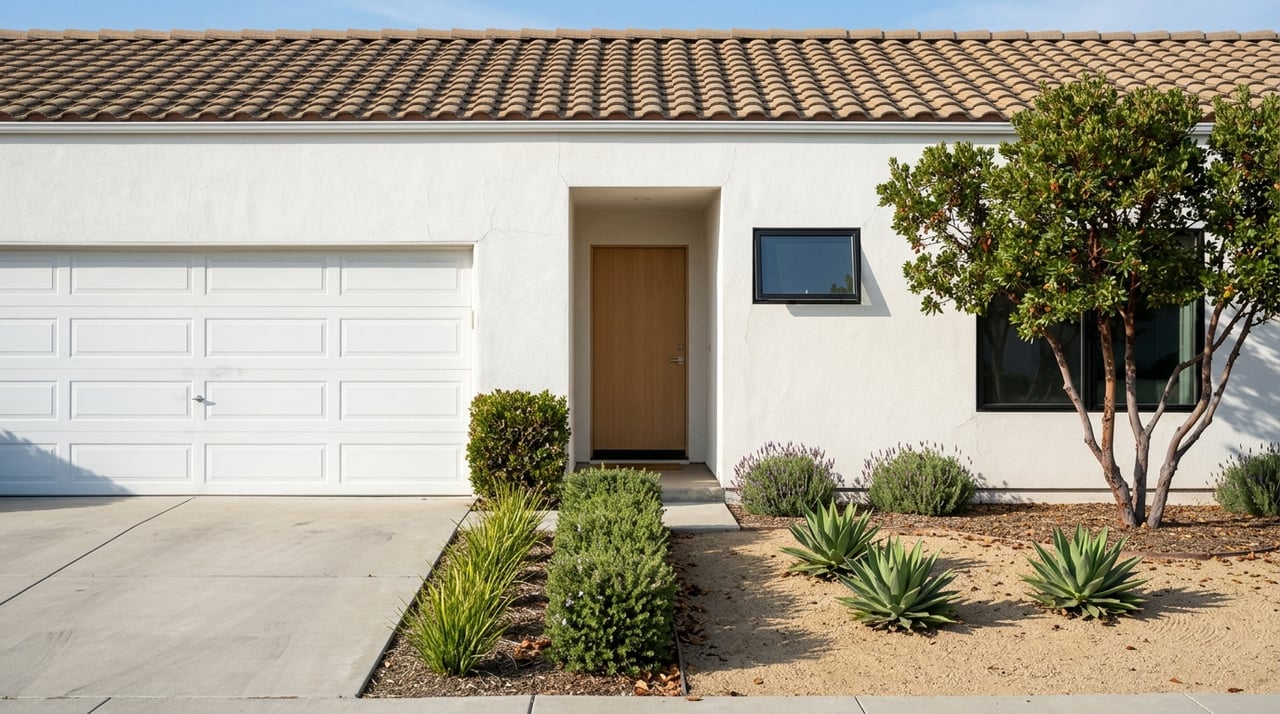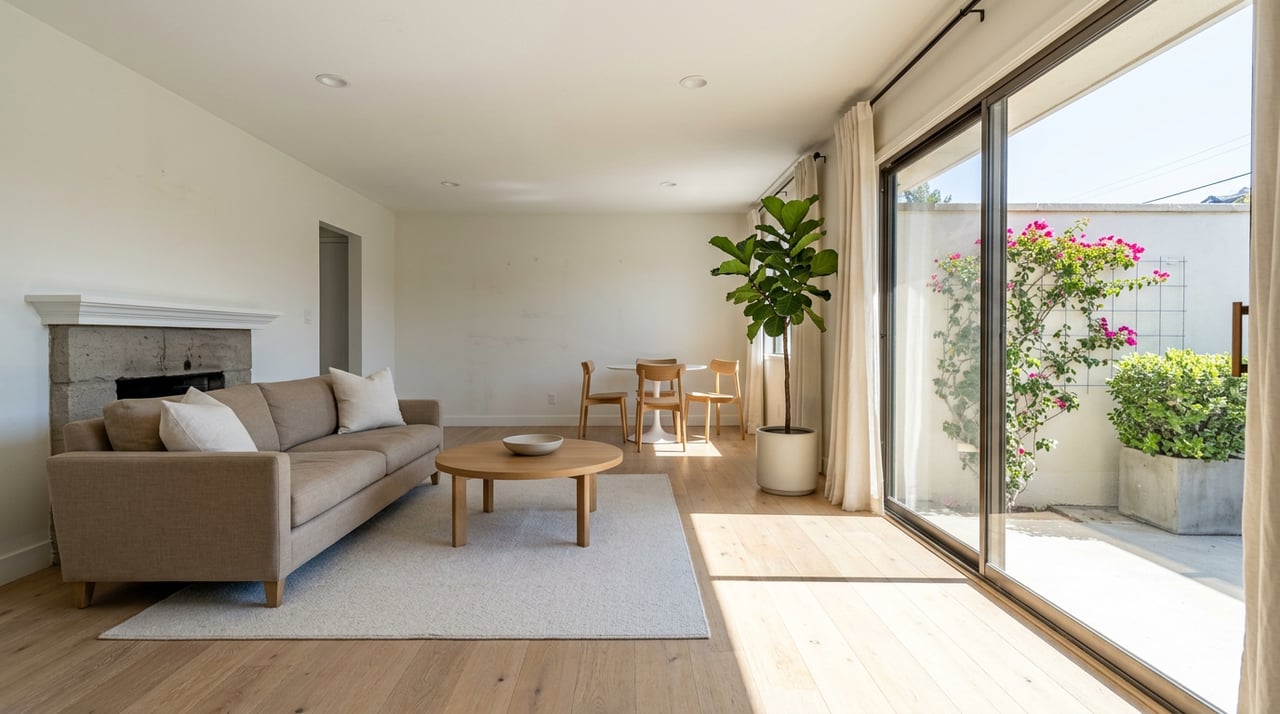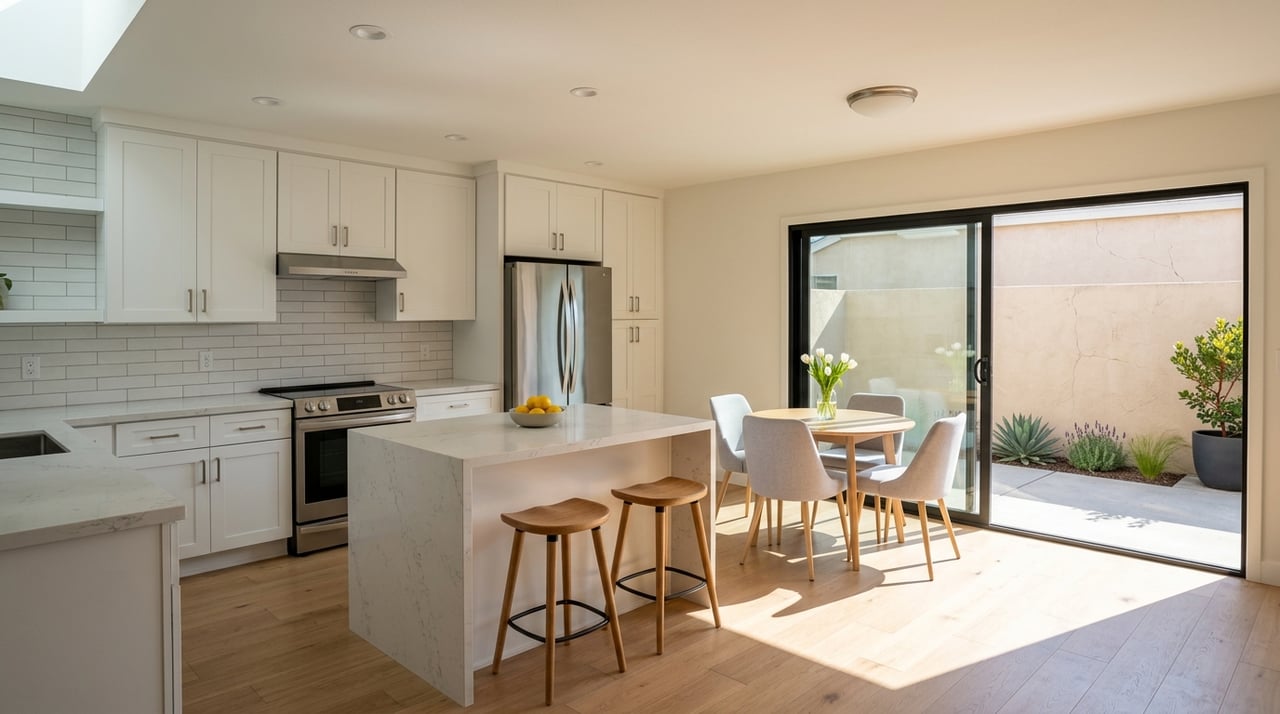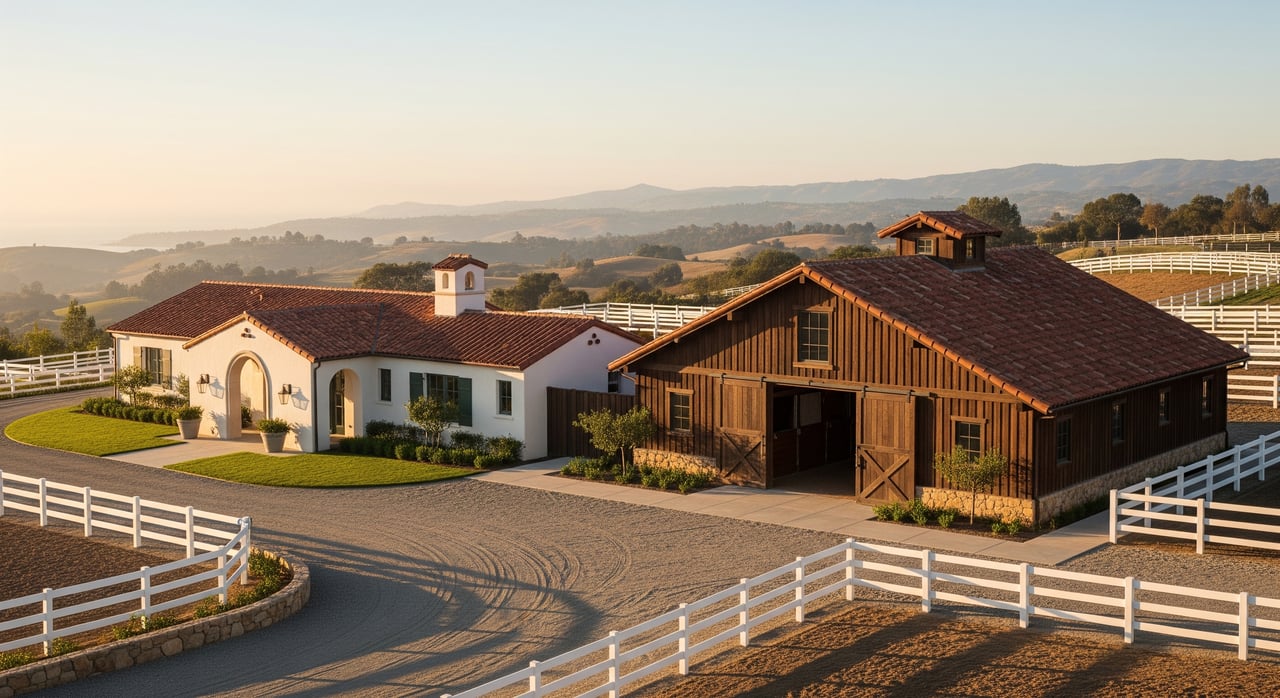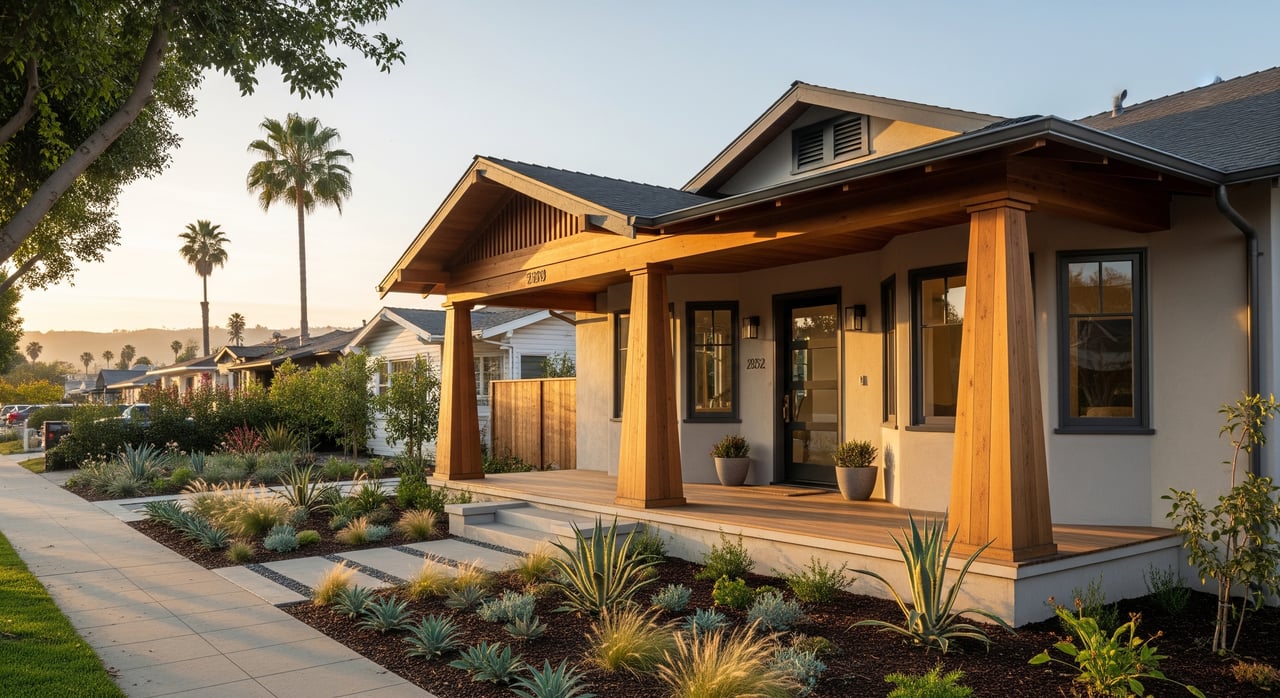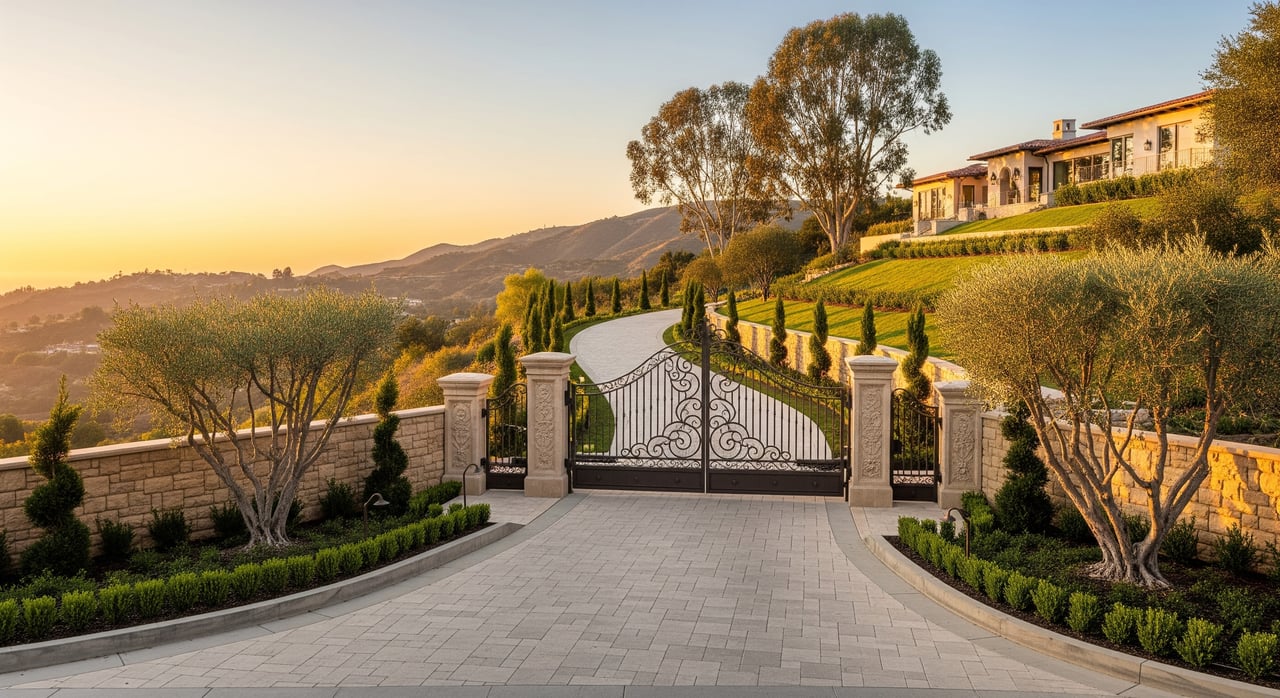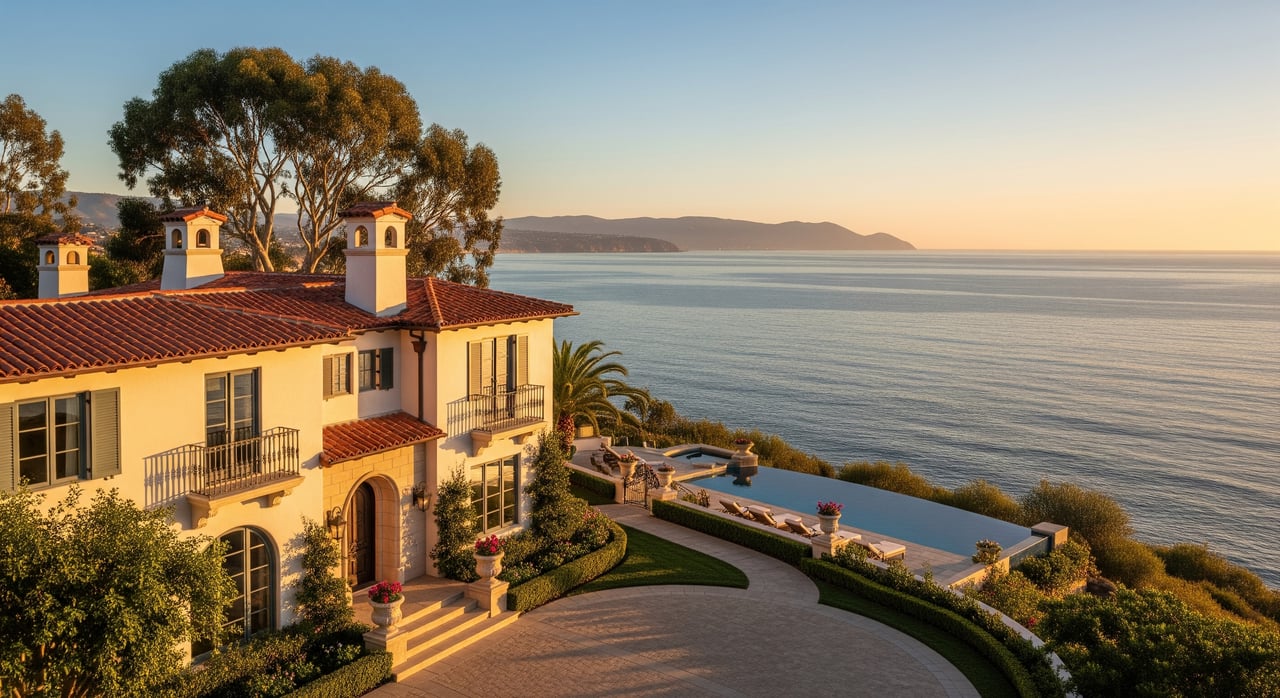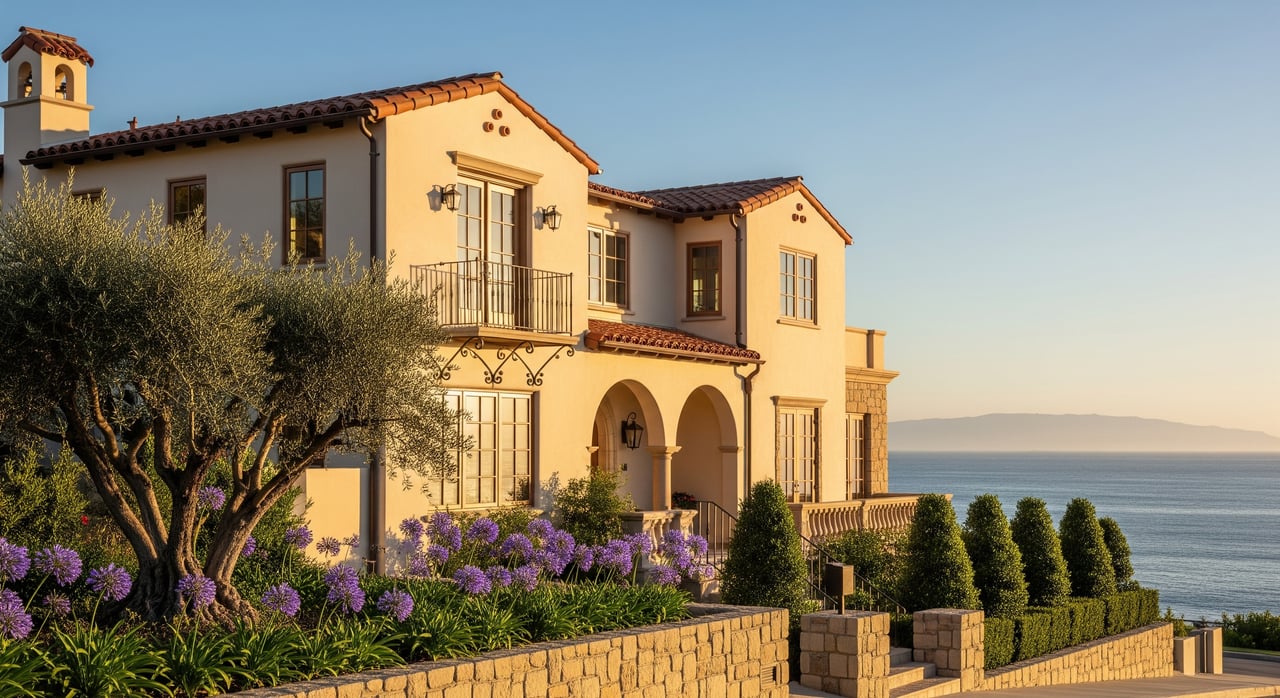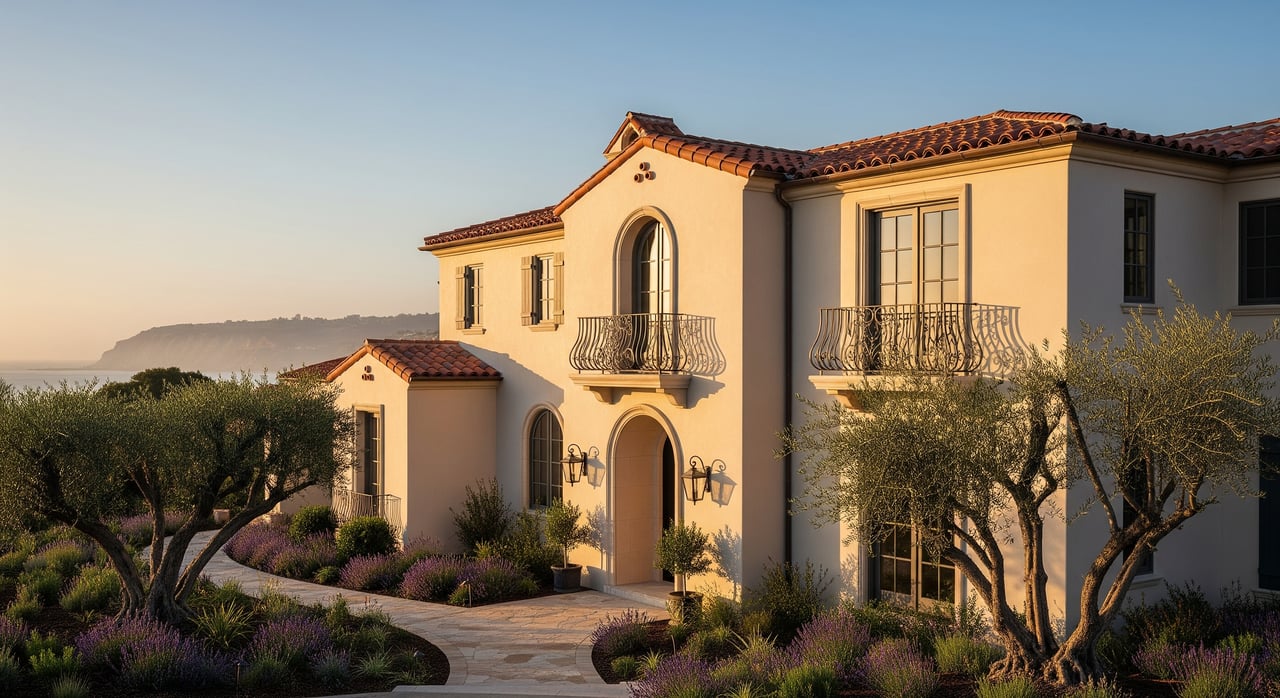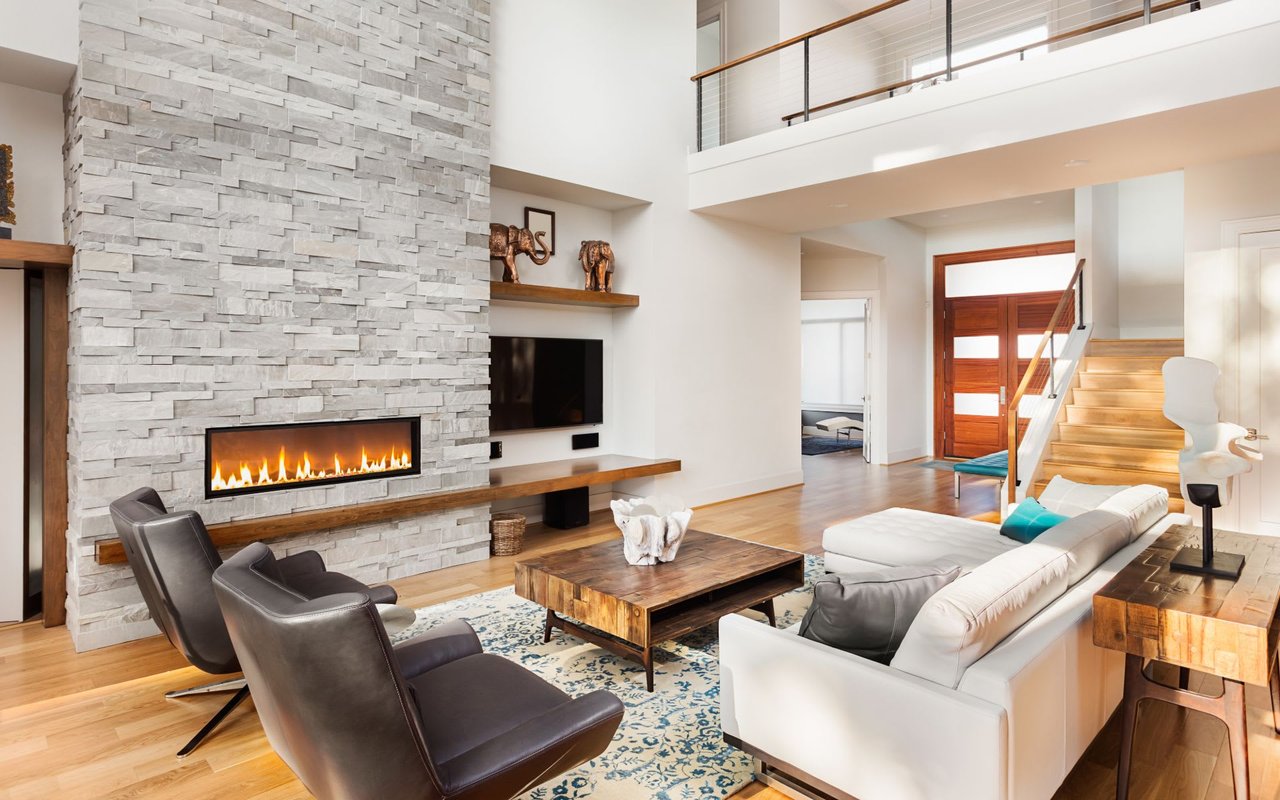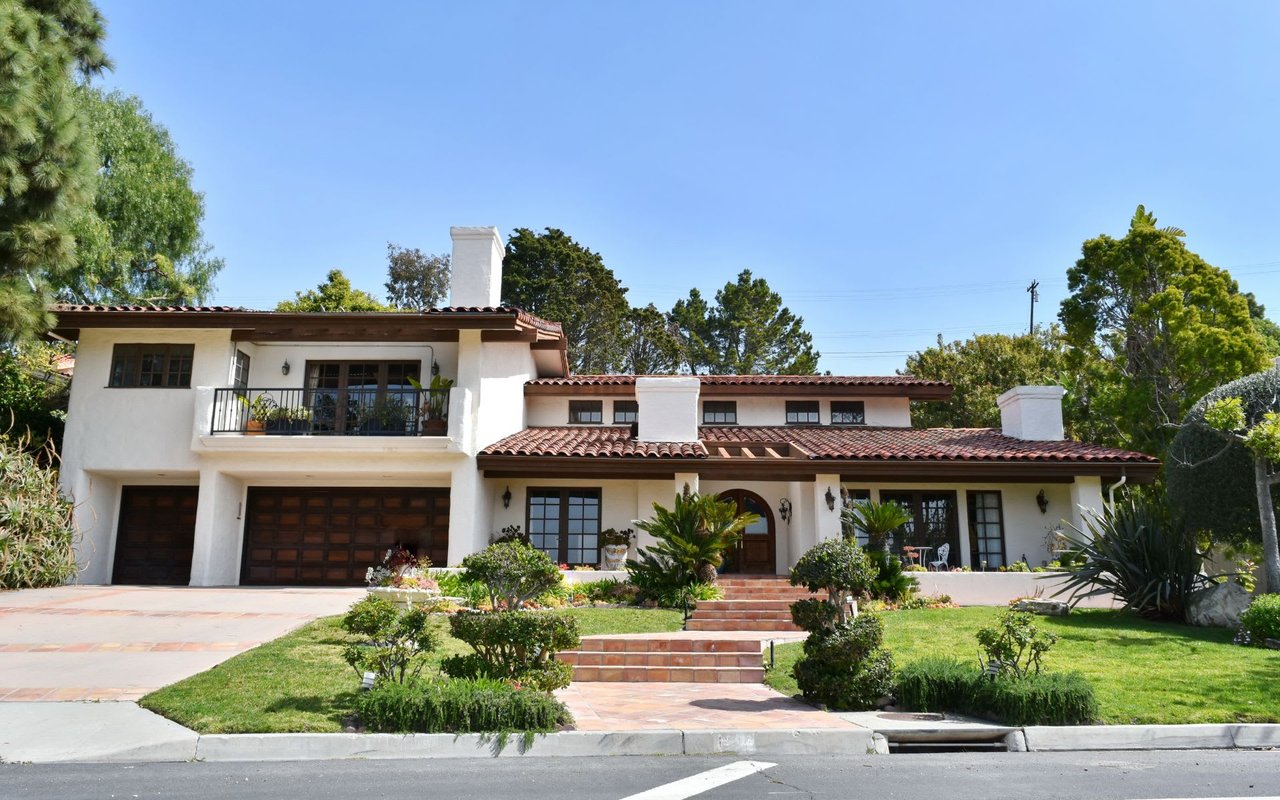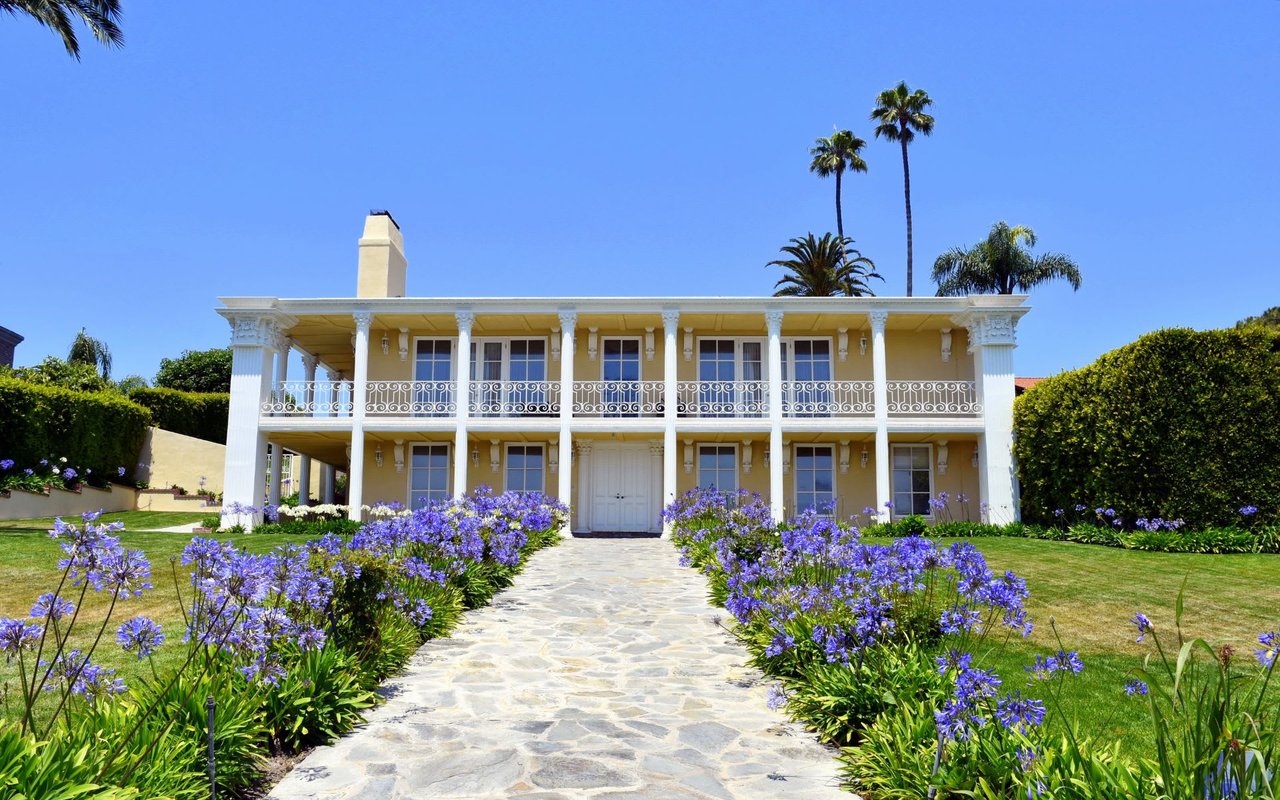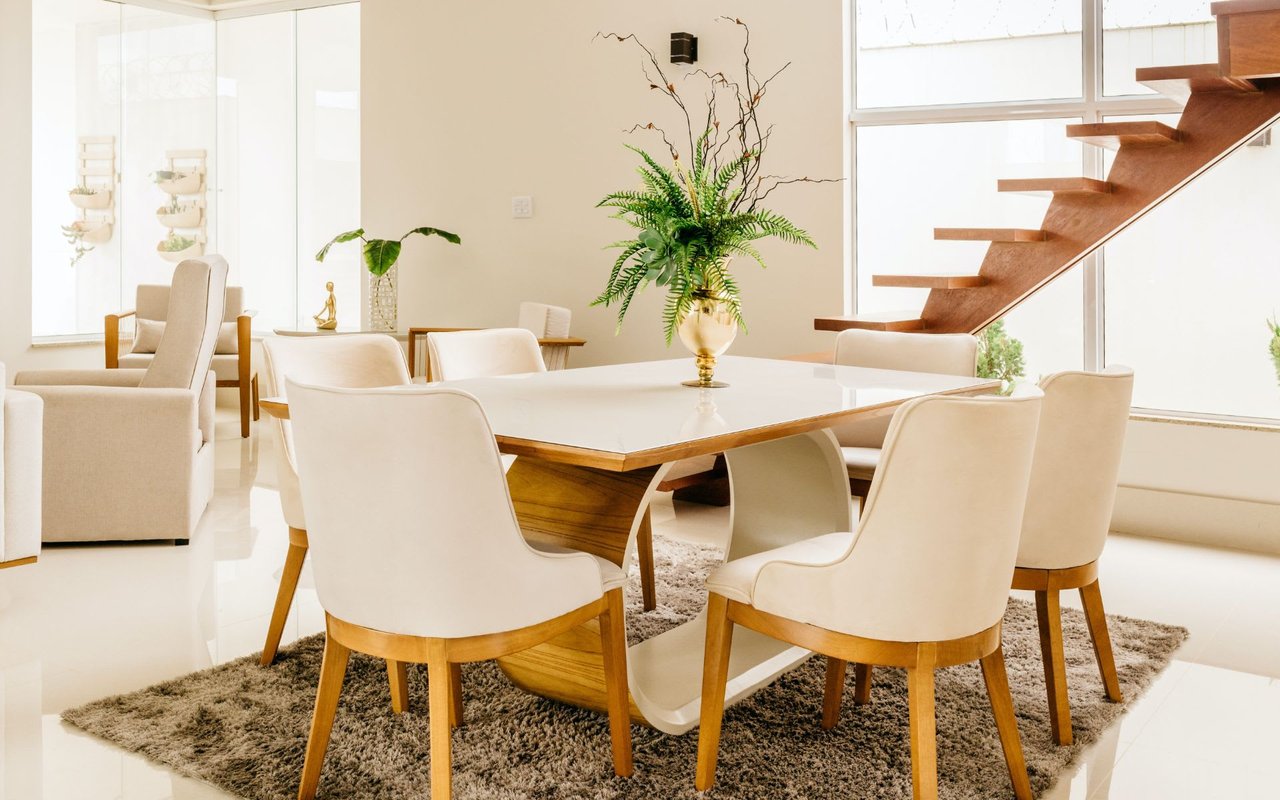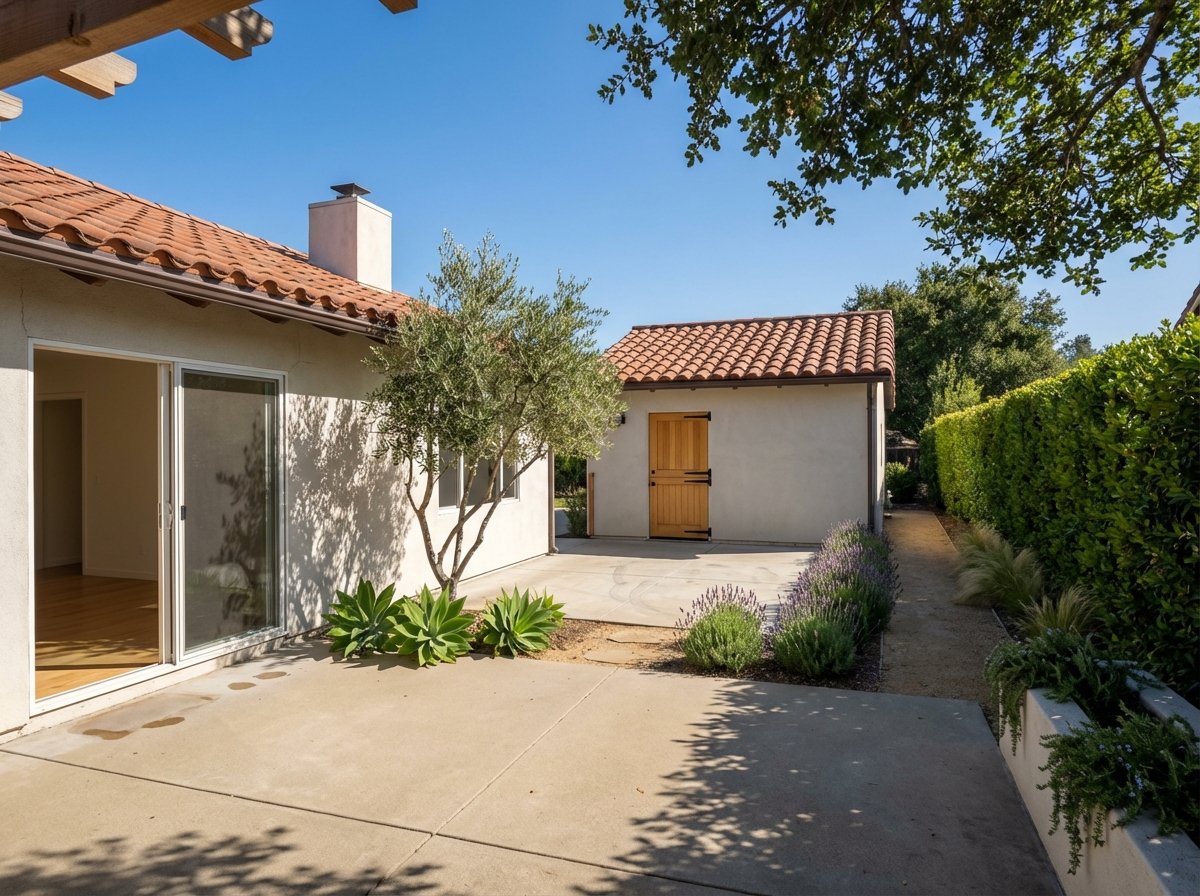
Trying to decide between Rolling Hills and Rolling Hills Estates? You are not alone. These two neighboring cities on the Palos Verdes Peninsula look similar on a map, yet they offer very different lifestyles, rules, and price points. In this guide, you will see how governance, lot sizes, equestrian access, prices, schools, and day-to-day living compare so you can focus your home search with confidence. Let’s dive in.
Two cities, two experiences
Although the names are alike, Rolling Hills and Rolling Hills Estates are separate municipalities with different systems and amenities. Rolling Hills is a private, gated city overseen by the City of Rolling Hills and the Rolling Hills Community Association, or RHCA. The RHCA runs the gates, maintains private roads and bridle trails, and enforces deed restrictions across the community. You can review RHCA’s role and community details on the association’s site at the RHCA general information page.
Rolling Hills Estates is a public city with municipal services, public streets, and city-managed equestrian programs and trails. The city’s planning resources outline neighborhood variety and land-use context on the Rolling Hills Estates planning page.
Governance and rules buyers feel
Rolling Hills: gated and association-led
Inside Rolling Hills, the RHCA operates multiple staffed gates, maintains private roads and nearly 30 miles of bridle trails, and conducts architectural review tied to recorded deed restrictions. That creates a consistent, low-density, equestrian character, along with a strong privacy and security profile. Learn more about community operations at the RHCA general information page.
Zoning is a major driver here. The RA-S zoning districts set minimum lot sizes, commonly 1 to 2 acres, and emphasize one-story residential forms with low lot coverage. You can review the zoning framework in the city’s code summary at Zoneomics. In practice, you should expect large parcels, single-story ranch profiles, and plan checks that include RHCA architectural review.
Rolling Hills Estates: public city, more variety
Rolling Hills Estates has public streets, city-run parks, and municipal equestrian programs. Neighborhoods range from smaller-lot subdivisions to pockets of larger estate areas, plus some attached-home communities. Architectural controls may apply in specific subdivisions through CC&Rs, but there is no citywide association like the RHCA. For land use and neighborhood context, start with the Rolling Hills Estates planning page.
Land use and lot sizes
Rolling Hills: estate-scale lots
If you want acreage, Rolling Hills is designed for it. Zoning sets minimums at roughly 1 or 2 acres depending on the RA-S subzone, with strict setbacks and one-story orientation that keep the landscape open. That is why inventory tends to be ranch-style homes on large parcels. Always confirm utilities, and ask whether a particular lot connects to sewer or uses septic, especially on older or larger sites. Source the zoning framework at Zoneomics and community details at the RHCA general information page.
Rolling Hills Estates: neighborhood mix
In RHE, you will find a wider range of lot sizes. Many single-family parcels are roughly 10,000 to 30,000 plus square feet, with pockets of larger estate lots in select areas and some attached-home options. This variety creates broader price points and more choices for buyers who want space without managing multiple acres. For planning and neighborhood context, see the city’s planning page.
Equestrian lifestyle, two ways
Rolling Hills: private trails inside the gates
Rolling Hills is an equestrian community at its core. The RHCA maintains nearly 30 miles of private bridle trails, riding rings, and related facilities for residents. Trail access is controlled by the association, which uses trail badges, guest rules, and community standards. Explore these details at the RHCA’s page on bridle trails and facilities.
Rolling Hills Estates: city-run access and programs
RHE operates the Peter Weber Equestrian Center, which offers boarding, lessons, and arenas, and the city maintains an extensive public trail network. If you want equestrian access with city programming and public maintenance, this side of the hill may fit better. Learn more at the Peter Weber Equestrian Center page.
Prices and ownership costs
Recent market snapshots show higher sale prices in Rolling Hills due to larger lots, privacy, and limited inventory. City-level medians change often, so use current comps when you are ready to write an offer.
- Rolling Hills Estates: Redfin’s city market page recently showed a median sale price around the low to mid millions, including a snapshot at about 2.284 million in January 2026. See the latest figures on the RHE market page.
- Rolling Hills: Redfin’s city page has shown a much higher typical sale value, with a recent summary near 5.08 million. Sales volume is low, so medians move when a few estates trade. Check the Rolling Hills market page for updates.
What explains the gap? Rolling Hills has 1 to 2 plus acre minimums and one-story rules that cap supply and add a privacy premium. You can see the zoning basis at Zoneomics. RHE offers more product types and a wider distribution of prices, which pulls the median lower.
Other costs to factor in:
- Property taxes: California Proposition 13 sets a base 1 percent levy on assessed value, and Los Angeles County adds voter-approved bonds and local assessments. Effective rates often land around 1.0 to 1.25 percent or more depending on the tax rate area. Review the parcel’s tax bill at the LA County Treasurer and Tax Collector site.
- Association fees: In Rolling Hills, the RHCA collects assessments for community operations, trails, and private roads. In RHE, specific subdivisions may have HOA dues. Always request recorded CC&Rs and, if inside the gates, RHCA documents. Start with the RHCA site.
Schools and boundaries
Both cities are served by the Palos Verdes Peninsula Unified School District. School assignments depend on the exact address and can affect family decisions. Before you write an offer, verify the specific attendance boundaries and any applicable enrollment procedures on the PVPUSD site. Use neutral, fact-based comparisons and confirm details with the district.
Commute and daily life
Both cities sit on the Palos Verdes Peninsula, and travel times vary with traffic and exact origin. Rolling Hills Estates connects to regional arterials like Silver Spur, Hawthorne, and Crenshaw, which tends to simplify daily errands and commuting. Rolling Hills has gated entries and private internal roads, so routing may add a few minutes depending on your gate choice and traffic.
For airport planning, many buyers quote roughly 15 miles to LAX and 30 to 60 minutes depending on time of day. Always check real-time directions before appointments. For city context and services in RHE, see the planning page.
On amenities, RHE offers public parks, the city-run Peter Weber Equestrian Center, and shopping near the Promenade and Silver Spur. Rolling Hills emphasizes privacy, a ranch setting, and association-maintained trails and rings, with most shopping in adjacent cities.
Natural hazards and due diligence
Peninsula buyers routinely review wildfire exposure, brush clearance, and slope or land-movement risk. Both cities publish or link to hazard maps and mitigation plans. Start with the City of Rolling Hills site at rolling-hills.org and consult current Fire Hazard Severity Zone and landslide resources for any specific parcel. These factors can affect insurance, permitting, and holding costs.
Here is a quick due diligence list to request during escrow:
- RHCA deed restrictions and architectural guidelines if in Rolling Hills, plus any current assessments or meeting minutes. See the RHCA site.
- Subdivision CC&Rs and HOA budgets if in RHE where applicable.
- Parcel tax bill and rate breakdown from the LA County Treasurer and Tax Collector.
- Utility status, including sewer versus septic, water line size, and any private easements.
- Any slope, soil, or landslide reports and permit history tied to grading or drainage.
- Equestrian rules that matter to you, such as trail access, boarding options, and ring availability. See RHCA bridle trails and facilities or the Peter Weber Equestrian Center.
Which one fits you?
Choose Rolling Hills if you want maximum privacy, a gated setting, and estate-scale acreage, and you are comfortable with association oversight and higher price points. The tradeoff is fewer public conveniences inside the gates and a more hands-on approach to land stewardship.
Choose Rolling Hills Estates if you want public street access, a broader mix of neighborhoods and prices, and city-run equestrian programs. You still get a semi-rural feel in many areas, but with easier access to daily retail and regional arterials.
No matter where you land, you are buying into a special corner of the Peninsula. If you want help comparing neighborhoods, touring on and off market options, or pressure-testing value with fresh comps, reach out to the Mackenbach Group for a private, no-pressure consult.
FAQs
Are horses allowed in both cities?
- Yes. Rolling Hills is an equestrian community with private bridle trails and RHCA-managed facilities. Rolling Hills Estates operates the public Peter Weber Equestrian Center and maintains municipal trails. See RHCA bridle trails and facilities and the Peter Weber Equestrian Center.
How do lot sizes compare between the two?
- Rolling Hills enforces large lots, commonly 1 to 2 acres or more, based on RA-S zoning. RHE offers a range, often around a quarter to two-thirds of an acre, with some larger estate pockets. Review the zoning basis at Zoneomics and RHE land-use context at the planning page.
What price difference should I expect as a buyer?
- Recent Redfin snapshots show Rolling Hills at a much higher median sale price than RHE, with a recent RHE median near 2.284 million and Rolling Hills near 5.08 million. Small sample sizes in Rolling Hills make medians volatile. Check current data on the RHE market page and Rolling Hills market page.
Are there HOAs or design limits I should know about?
- Rolling Hills properties are subject to RHCA deed restrictions and architectural review that shape design, fencing, and more. In RHE, rules come from city code and any subdivision CC&Rs. Read the RHCA overview of roles at RHCA vs. the City and request recorded CC&Rs during escrow.
What documents should I review before making an offer?
- Ask for RHCA documents if inside the gates, any subdivision CC&Rs, recent HOA or RHCA meeting minutes, the parcel’s current tax bill, utility and sewer status, and any slope or geotechnical reports. Start with the RHCA site and the LA County Treasurer and Tax Collector.