If you are looking for a South Bay income property market with real demand drivers, older value-add inventory, and more approachable entry points than some nearby coastal areas, San Pedro deserves a close look. This is not a plug-and-play multifamily submarket, though. Between rent rules, coastal overlays, older buildings, and port-adjacent considerations, the best opportunities usually go to buyers and sellers who prepare well. Let’s dive in.
Why San Pedro Stands Out
San Pedro sits at the southern edge of Los Angeles beside the Port of Los Angeles, the Pacific Ocean, and Rancho Palos Verdes. It covers about 3,674 acres, and its planning framework is more layered than many inland neighborhoods because it includes the Community Plan Implementation Overlay, a Specific Plan, and the San Pedro / Port of Los Angeles Dual Coastal Plan Zone, according to the City of Los Angeles planning department.
For you as an investor, owner, or fiduciary, that means location alone is not enough. A building’s zoning, entitlement path, and permit history can meaningfully affect value, renovation scope, and exit timing.
San Pedro’s Multifamily Base
San Pedro looks more like a mature renter-supported multifamily market than a newly built coastal enclave. The city’s 2022 profile shows 81,794 residents, 33,312 dwelling units, 56.3% renter occupancy, and 58.0% of units in multi-unit structures, based on the San Pedro community profile.
That same profile also shows an older housing stock. About 20.1% of units were built in 1939 or earlier, 14.5% in the 1950s, and 19.6% in the 1970s. In practical terms, many available properties are duplexes, fourplexes, small apartment buildings, and mixed-use assets that may need renovation, systems upgrades, or stronger day-to-day management.
Port Activity Supports Demand
The Port of Los Angeles remains the biggest economic engine shaping rental demand in San Pedro. The port reports that it handled 10.3 million TEUs in 2024, has ranked as the No. 1 container port in the Western Hemisphere for 26 straight years, and supports 136,000 jobs in Los Angeles and 186,000 jobs across the Los Angeles and Long Beach area, according to the Port of Los Angeles overview.
That matters because it supports a broad renter base tied to logistics, marine services, transportation, and related industries. While every tenant is different, the scale of this employment base helps explain why San Pedro continues to attract attention from apartment and mixed-use investors.
Waterfront Change Adds Long-Term Appeal
Another factor worth watching is the waterfront. West Harbor is described as a 42-acre waterfront district expected to open in 2026, with about 300,000 square feet of retail, dining, and entertainment, a 6,200-seat amphitheater, and one mile of direct waterfront access.
This does not mean overnight rent spikes or instant repositioning success. It does suggest stronger long-term visibility, new amenities, and more reasons for renters, visitors, and business activity to remain focused on San Pedro over time.
What Rental Numbers Show
Current rental data supports the case for ongoing demand. As of March 2026, Apartments.com local rent data for San Pedro shows average rents of $1,906 for a one-bedroom, $2,676 for a two-bedroom, and $3,792 for a three-bedroom.
The research report also notes that Realtor.com showed 207 rentals and a median rent of $2,800, with median rent up 3.86% year over year. Taken together, those figures point to an active rental market where affordability pressure remains real, which can support occupancy and investor interest.
What Properties Look Like Here
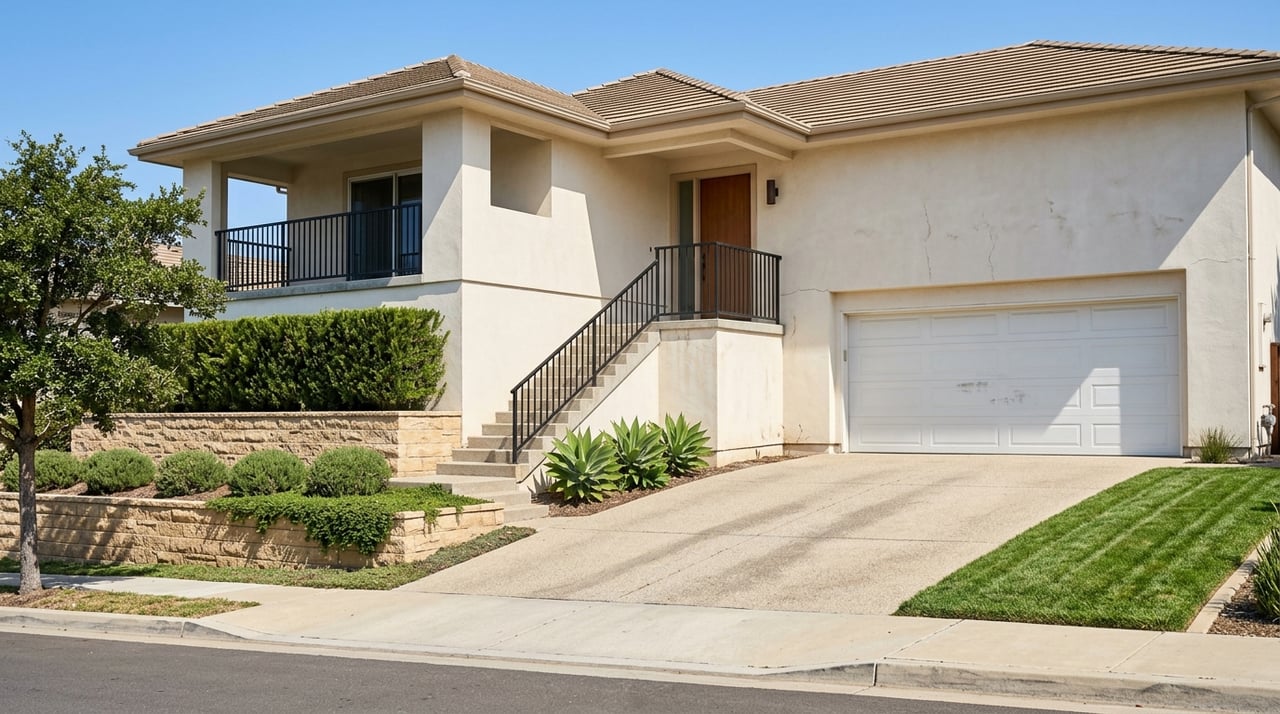
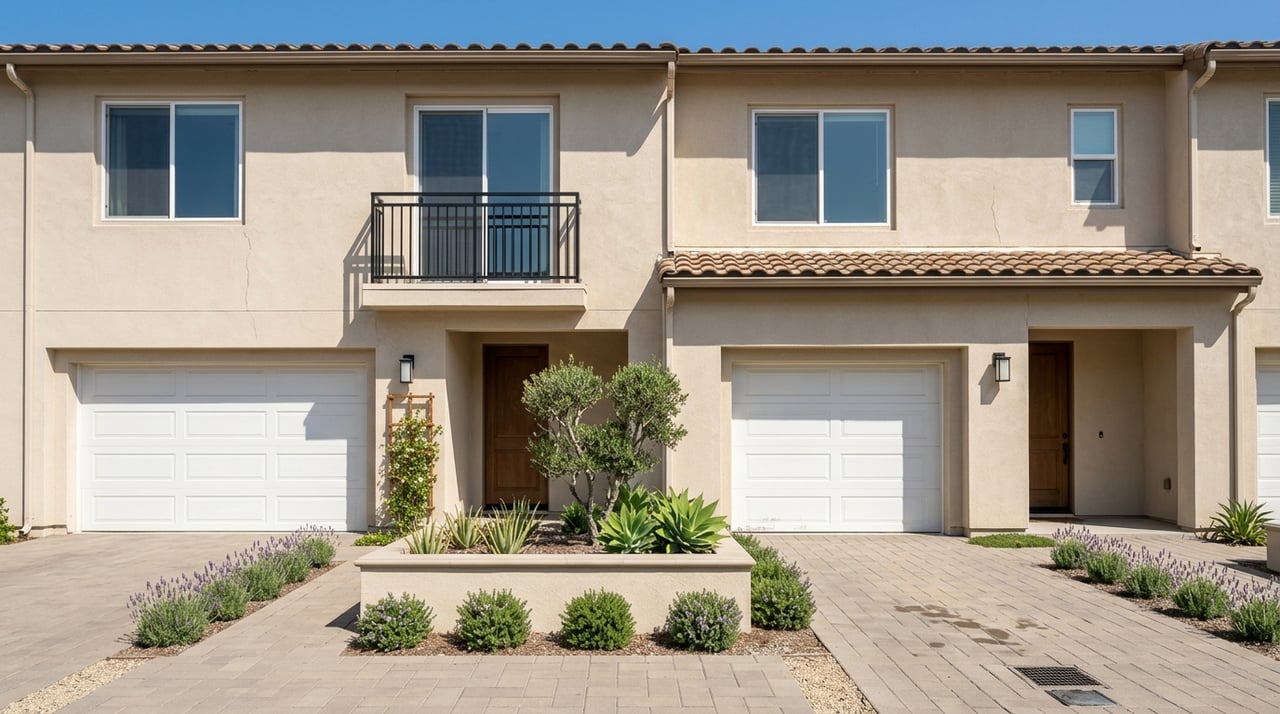
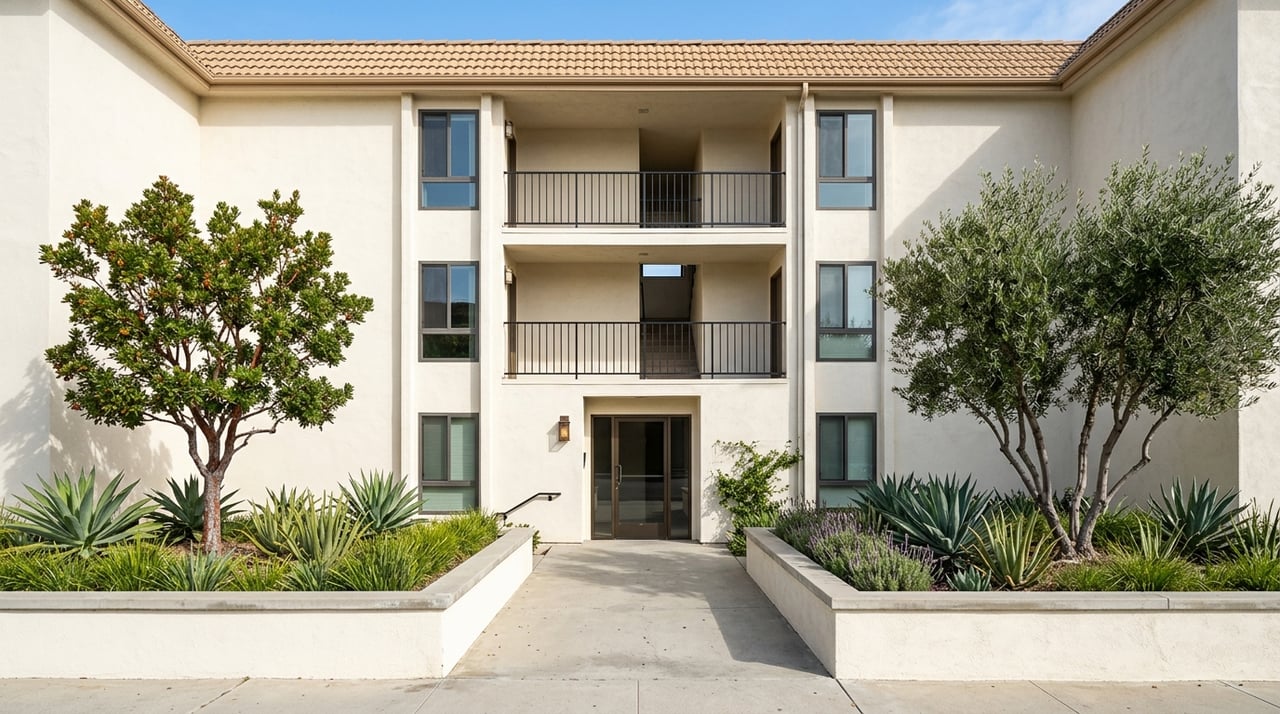
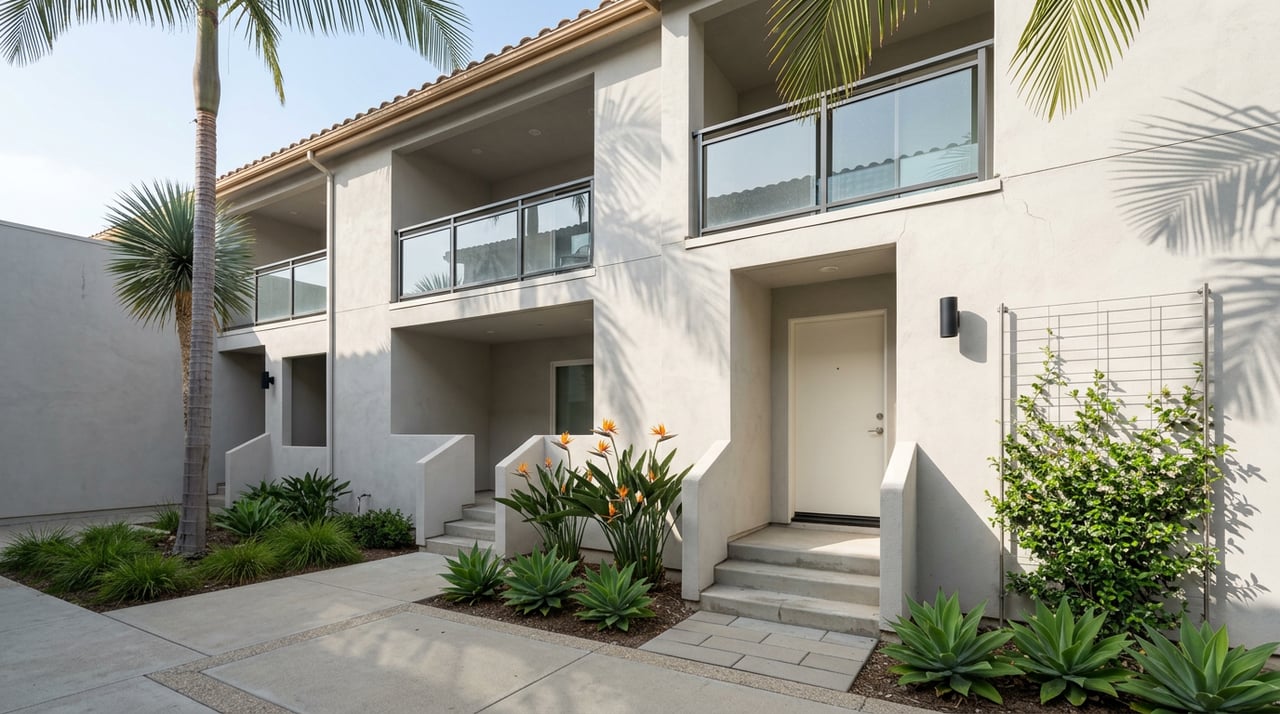
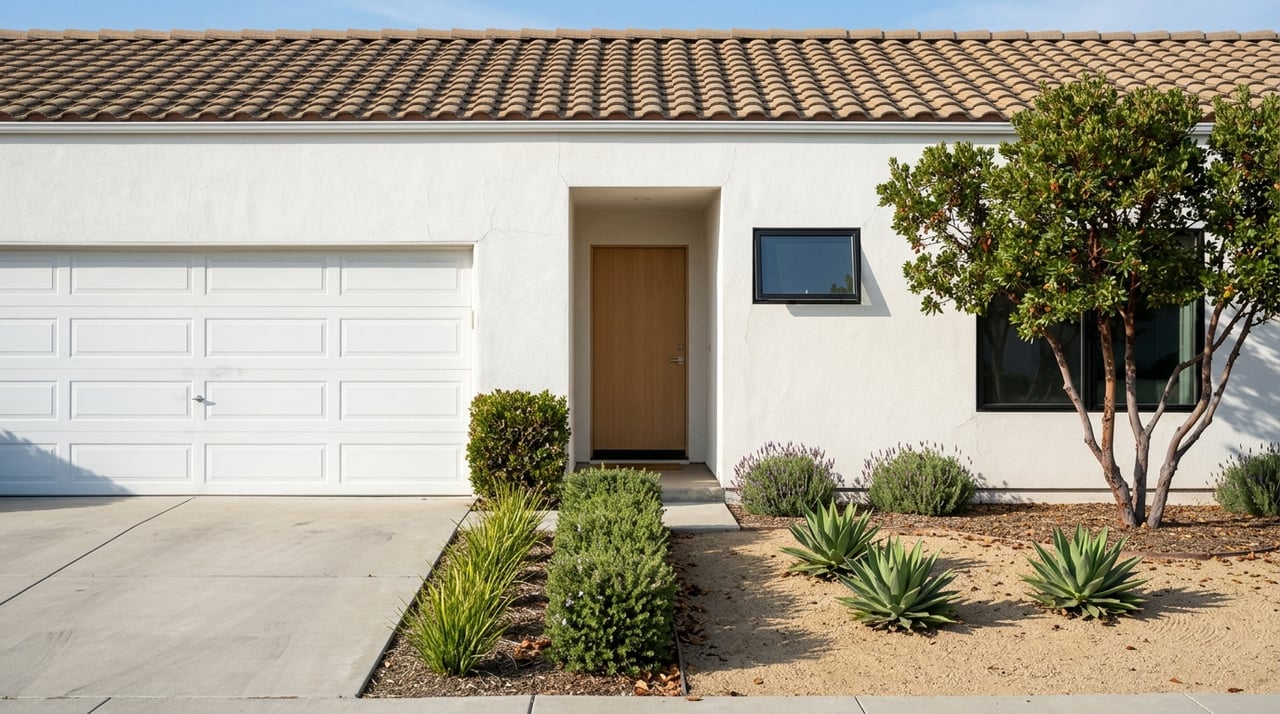
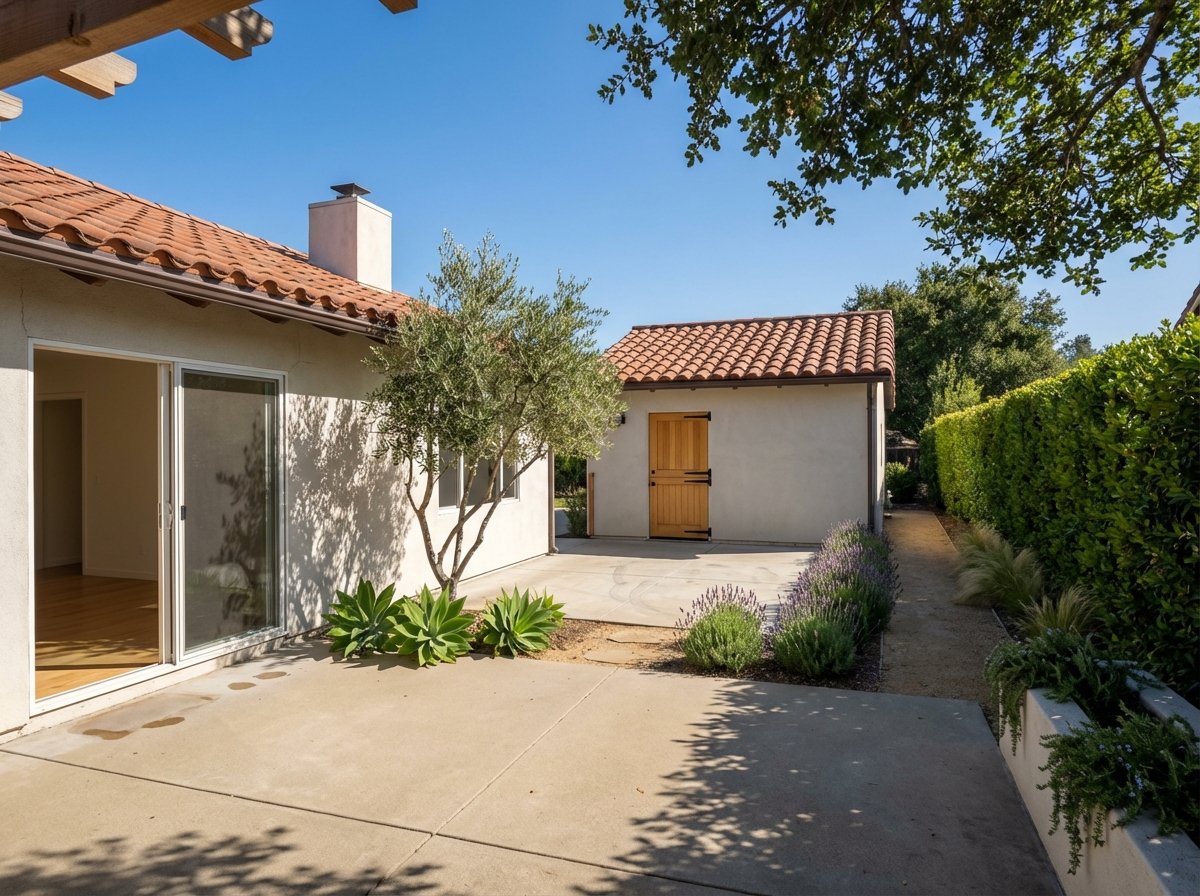
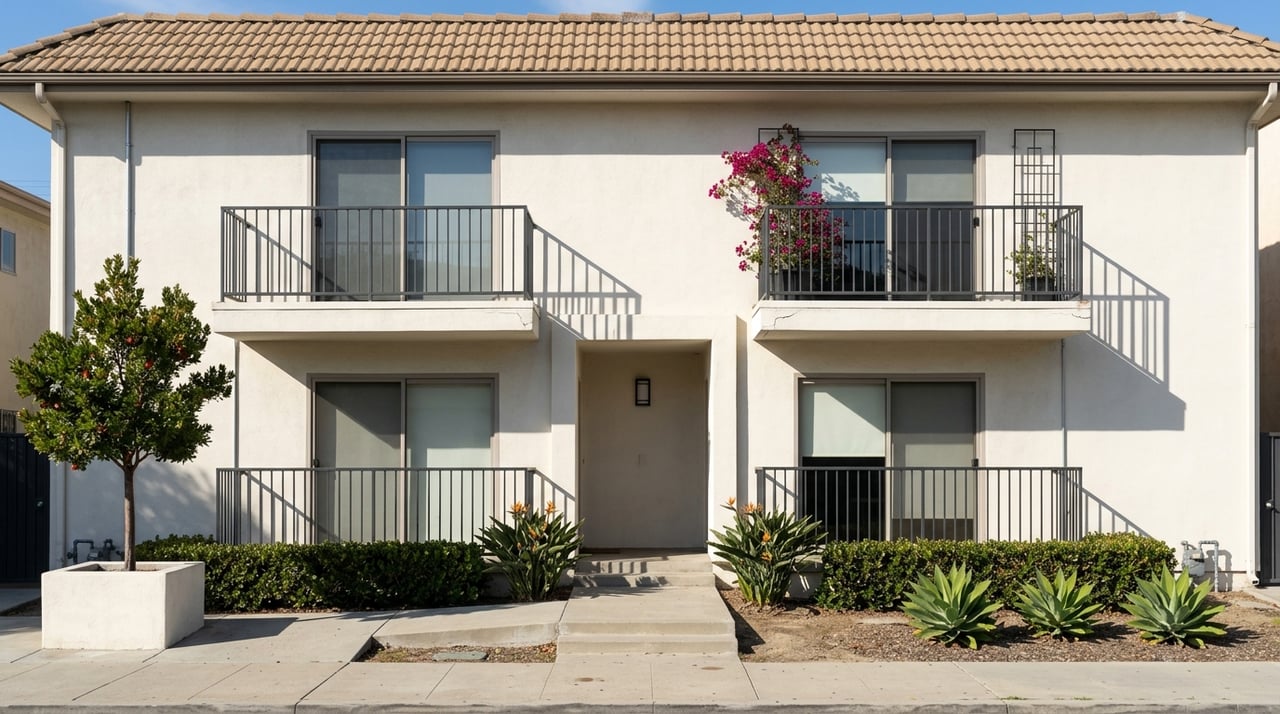
San Pedro is not mainly a market of newly delivered institutional apartment product. It is more commonly a market of older wood-frame buildings, tuck-under parking configurations, smaller walk-up properties, and occasional mixed-use storefront assets.
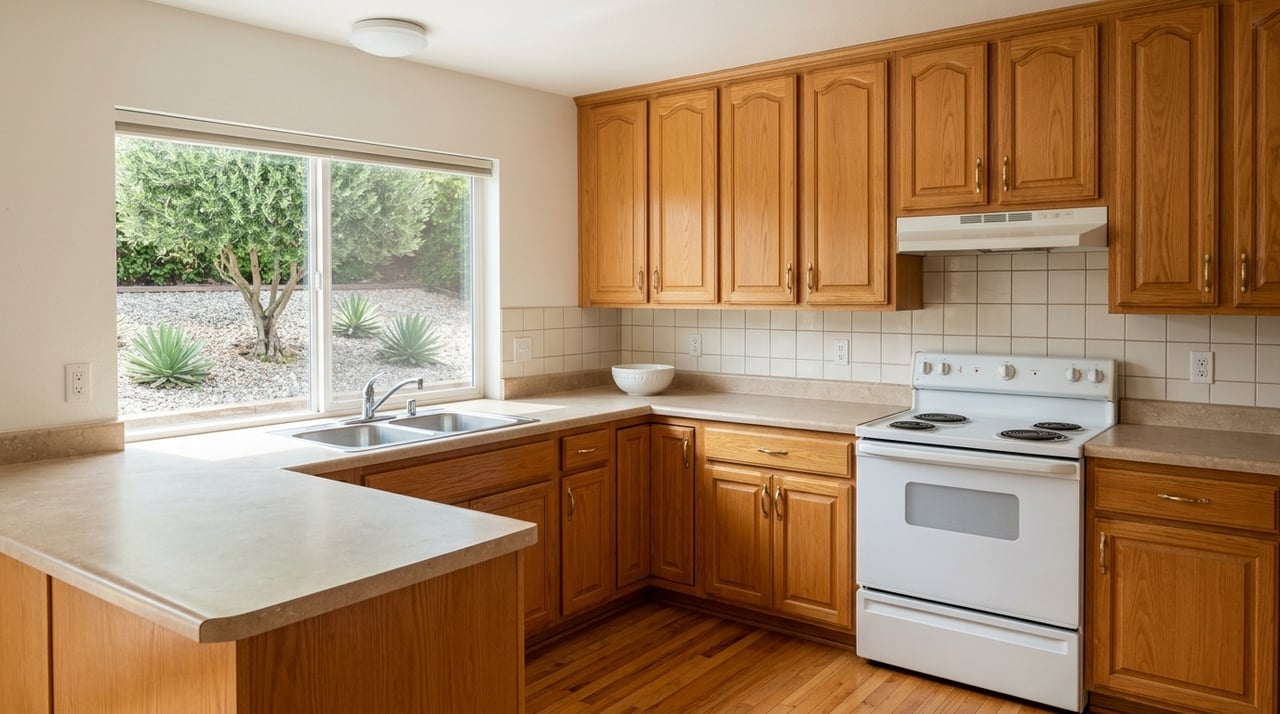
That older profile creates both opportunity and work. You may find more room for operational improvement, renovation, and re-tenanting, but you also need to budget carefully for deferred maintenance, code compliance, and capital improvements.
Cap Rates and Market Positioning
Recent marketed listings in San Pedro show a wide spread in quoted returns. The research report cites offerings that include a 1973 15-unit building marketed at a 4.76% cap rate with an 8.33% pro forma cap rate, a 1930s apartment building at 4.32%, a 1934 mixed-use property at a 9.08% pro forma cap rate, and a renovated 10-unit apartment building at a 6.0% in-place cap rate with upside to 7.1% market cap, based on examples from Crexi.
These are asking or pro forma figures, not closed-sale comps, so you should treat them as marketing signals rather than market proof. Still, they reinforce the idea that San Pedro is being positioned as a value-add and mixed-use opportunity set, not as a fully stabilized trophy submarket.
How San Pedro Compares Regionally
Regional reports help put San Pedro in context. A Q1 2025 report from NAI Capital placed South Bay vacancy at 3.9%, average asking rent at $2,001, and average cap rate at 5.2%, while the research report also cites a Lee Associates mid-year 2025 report with South Bay vacancy at 3.2%, effective rent at $1,990, and average cap rate at 5.1%.
Northmarq’s Q2 2025 Los Angeles report, as summarized in the research, put the countywide average cap rate at 5.4%. The takeaway is that San Pedro often sits between tighter, more supply-constrained coastal pricing and the broader South Bay value-add band.
Why It Differs From the Peninsula
Compared with the Palos Verdes Peninsula, San Pedro generally offers a deeper pool of small multifamily inventory and a larger renter base. The research report notes that large apartment transactions on the Peninsula are relatively scarce, and active Rancho Palos Verdes apartment listings showed cap rates roughly in the 3.9% to 4.7% range, based on reporting summarized from Innowave Studio.
For many investors and fiduciaries, that difference matters. San Pedro’s appeal is less about being the lowest-cap-rate market nearby and more about offering older product, demand tied to the port economy, and pricing that can still make value-add strategies possible.
Due Diligence Matters More Here
San Pedro can reward careful underwriting, but it is rarely a market where you want to move on assumptions. Several local factors should be front and center before you buy, sell, or advise on an income property.
Review Rent Stabilization Early
The Los Angeles Housing Department states that rental units in the City of Los Angeles built on or before October 1, 1978 may be subject to the Rent Stabilization Ordinance. LAHD also states that the allowable increase for RSO units is 3% for July 1, 2025 through June 30, 2026, and beginning February 2, 2026, landlords can no longer add a separate utility percentage increase, according to the LAHD RSO rent increase page.
If you are evaluating a building, rent-roll review and registration verification are essential. You want to know which units are RSO-covered, whether annual registrations are current, and how those rules affect your income projections.
Check State Tenant Rules Too
Even when a property is not under the city’s RSO, California law may still apply. The state’s Tenant Protection Act, AB 1482, generally caps annual rent increases at 5% plus CPI, or 10% whichever is lower, and adds just-cause protections for covered tenancies, according to the State of California announcement on AB 1482.
For buyers, sellers, trustees, and estate representatives, it is important to separate RSO coverage from AB 1482 coverage. That distinction can materially shape pricing, marketing strategy, and buyer pool expectations.
Verify Seismic Retrofit Status
Older buildings in San Pedro may fall within Los Angeles retrofit requirements. The LADBS soft-story retrofit program applies to wood-frame buildings with two or more stories, built under pre-1978 code standards, and with ground-floor parking or similar open floor space, though it does not apply to residential buildings with three or fewer units.
That means many small apartment assets should be checked for notices, permits, engineering work, and remaining compliance obligations. Seismic status can affect both near-term capital needs and buyer confidence.
Understand Coastal and Specific Plan Layers
Entitlement risk is a real factor in San Pedro. The San Pedro Specific Plan implements the Local Coastal Program, protects access and views, and governs permits within the coastal zone.
For mixed-use repositioning, additions, or redevelopment ideas, these planning layers may affect massing, access, parking, design, and timeline. If your business plan depends on changes to the property, early planning review is especially important.
Weigh Port Proximity Carefully
Port-adjacent location can create both opportunity and exposure. The Port of Los Angeles notes its ongoing air-quality efforts and annual emissions tracking under the San Pedro Bay Ports Clean Air Action Plan on its air quality page.
From an investment standpoint, that means you should evaluate air quality, noise, traffic circulation, and tenant sensitivity along with the upside of being near major employment and future waterfront activity. In other words, port proximity is not just a marketing story. It is a real underwriting variable.
Who San Pedro Fits Best
San Pedro can make sense for several types of clients. Private investors may be drawn to older assets with operational upside. Trust and estate representatives may value a market with steady renter demand and a broad buyer pool for small multifamily and mixed-use properties.
It can also appeal to owners deciding whether to hold, improve, or sell an inherited or long-held building. In each case, the key is to approach the asset with clear data, careful compliance review, and a realistic plan for execution.
If you are weighing a San Pedro multifamily or port-proximate property, thoughtful guidance matters. The Mackenbach Group brings a stewardship-minded, full-service approach to income property, strategic land, and fiduciary-oriented real estate throughout the Peninsula and select Southern California markets.
FAQs
What makes San Pedro different from other South Bay multifamily markets?
- San Pedro combines an older small multifamily inventory base, a large renter population, port-related employment demand, and more planning overlays than many inland submarkets.
Are San Pedro multifamily properties often subject to rent control?
- Many City of Los Angeles rental units built on or before October 1, 1978 may be subject to the Rent Stabilization Ordinance, so you should verify unit status and registration early in due diligence.
Why do investors look at port-proximate properties in San Pedro?
- Port activity supports a broad local workforce, and waterfront redevelopment may strengthen long-term visibility and amenities, though investors should also evaluate noise, air quality, and circulation impacts.
What building issues should buyers review in San Pedro small apartment properties?
- Common review items include deferred maintenance, older systems, seismic retrofit status, rent regulation coverage, permit history, and any constraints tied to coastal or specific plan rules.
How does San Pedro compare with the Palos Verdes Peninsula for multifamily investing?
- San Pedro generally offers more small multifamily inventory and a larger renter base, while Peninsula apartment opportunities tend to be scarcer and often marketed at lower cap rates.
Who can help with San Pedro multifamily and fiduciary sales strategy?
- A local advisory team with experience in income property, strategic marketing, and fiduciary-oriented transactions, such as the Mackenbach Group, can help you evaluate positioning, pricing, and next steps.