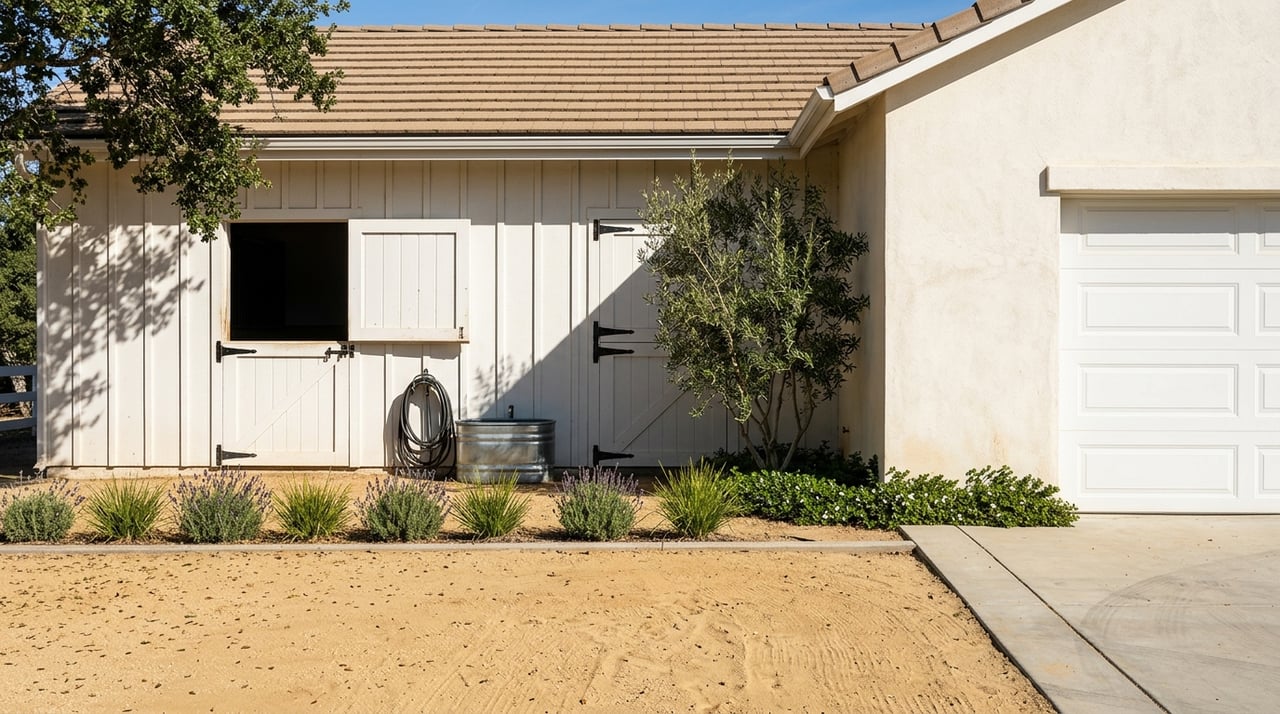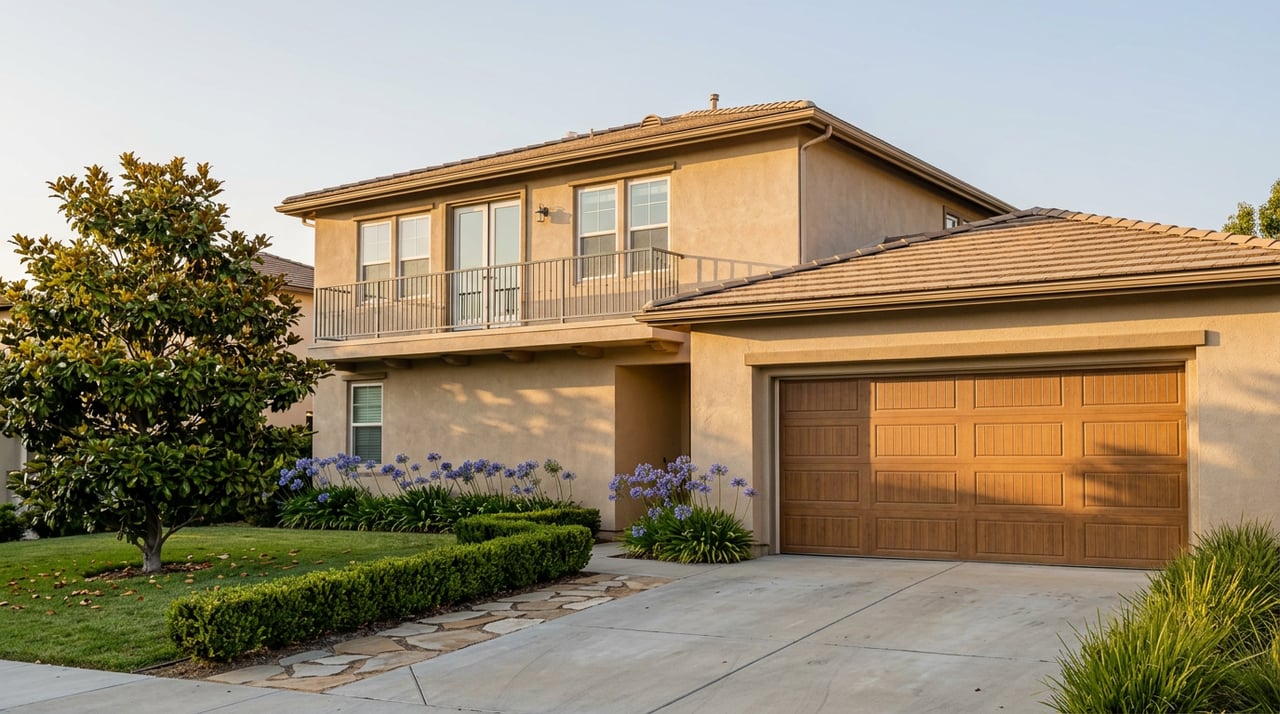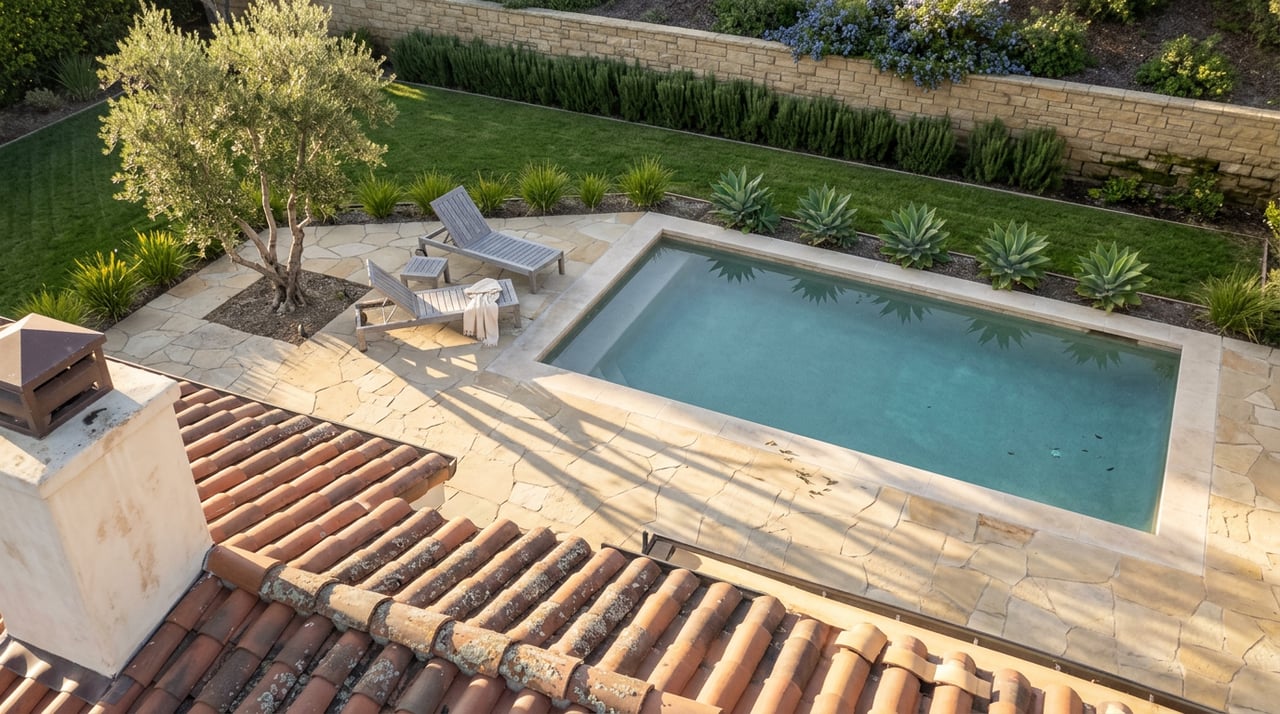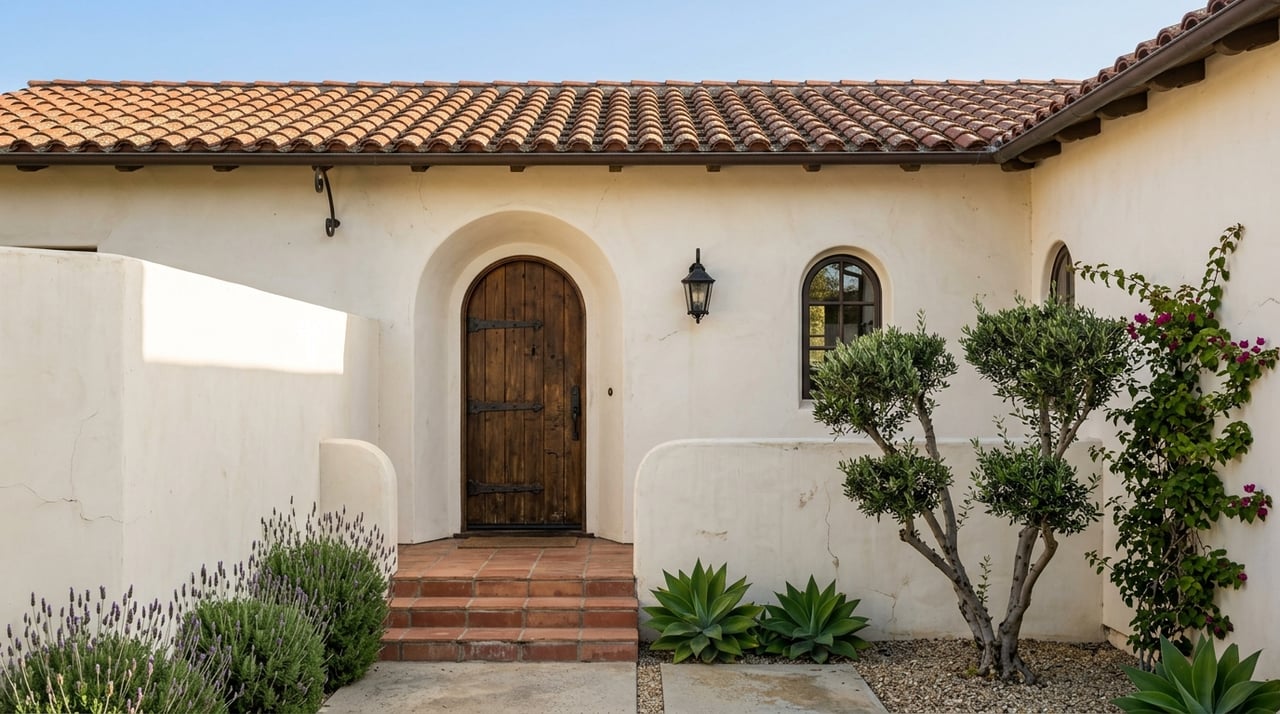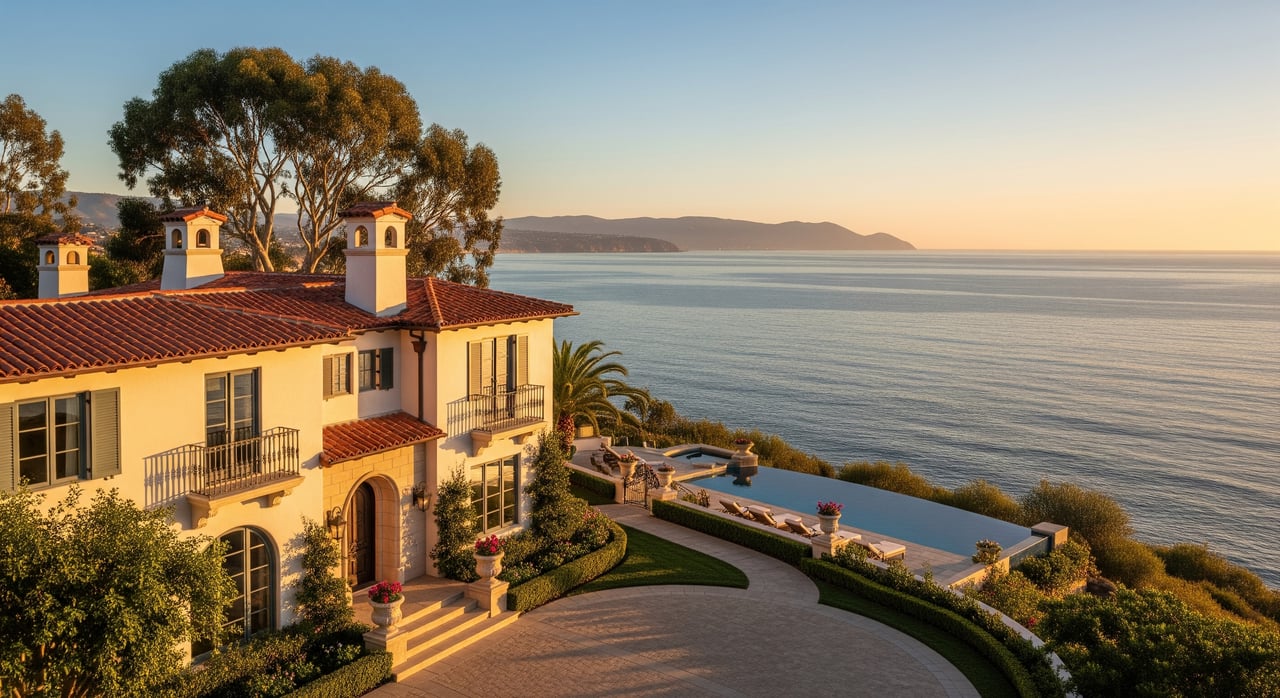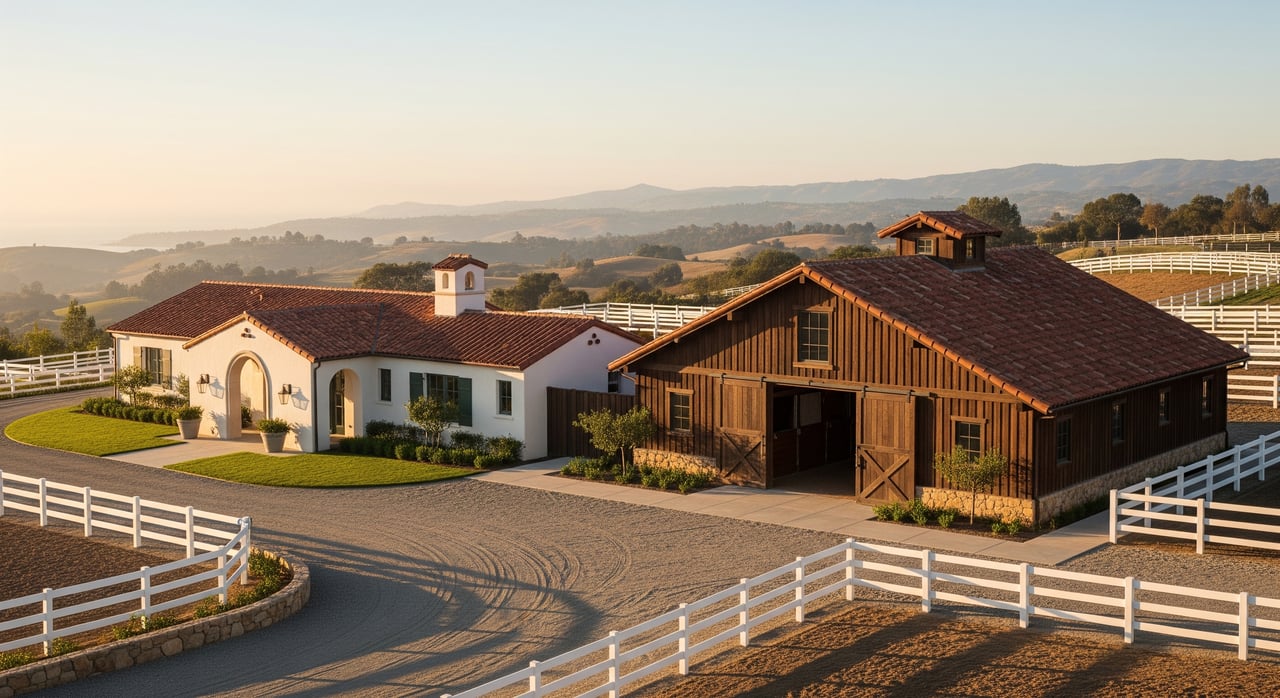
Thinking about selling your Rolling Hills equestrian estate but not sure where to start? You are not alone. These properties are special, and the right prep can unlock a strong price and a smooth sale. In this guide, you will learn how to showcase equine features, verify permits and disclosures, set a smart price, and reach qualified buyers who value the lifestyle. Let’s dive in.
Know your buyer in Rolling Hills
Rolling Hills attracts buyers who prize privacy, acreage, security, and access to trails and services. Many are owner riders who keep a few horses, while some are trainers or buyers seeking a luxury estate with an equestrian lifestyle. You may also see interest from out of area and international buyers who want Los Angeles access with a quieter setting.
Inventory of true equestrian estates is often limited, which can support pricing when your facilities are functional and well documented. Turnkey barns and arenas tend to get stronger responses than properties that need work. Focus your preparation on condition, safety, and proof of maintenance.
Prep equestrian facilities for market
Buyers look closely at the functionality and upkeep of every horse related element. Walk your property with a critical eye and use this checklist to guide your plan.
Barn readiness
- Stall count, dimensions, ventilation, and doors in good working order.
- Tidy tack room and storage. Organized feed and hay areas.
- Fire safety tools visible and maintained, including extinguishers and alarms.
- Electrical systems labeled and in good condition.
Arena and footing
- Confirm arena size and footing type. Note drainage, lights, and whether it is covered.
- Rake and level footing before photos and showings.
- Provide a simple maintenance log that shows recent grooming and repairs.
Paddocks and fencing
- Inspect fencing, gates, and cross fencing for safety and condition.
- Check water access, shade, and shelter in turnouts.
- Mow grass areas and repair any uneven ground.
Pasture and utilities
- Document irrigation and any soil or drainage improvements.
- Identify septic and well locations if applicable.
- Summarize manure management, including contractor or on site plan.
Access, parking, and security
- Confirm smooth access for trailers and deliveries.
- Ensure gates, cameras, and perimeter fencing are functional.
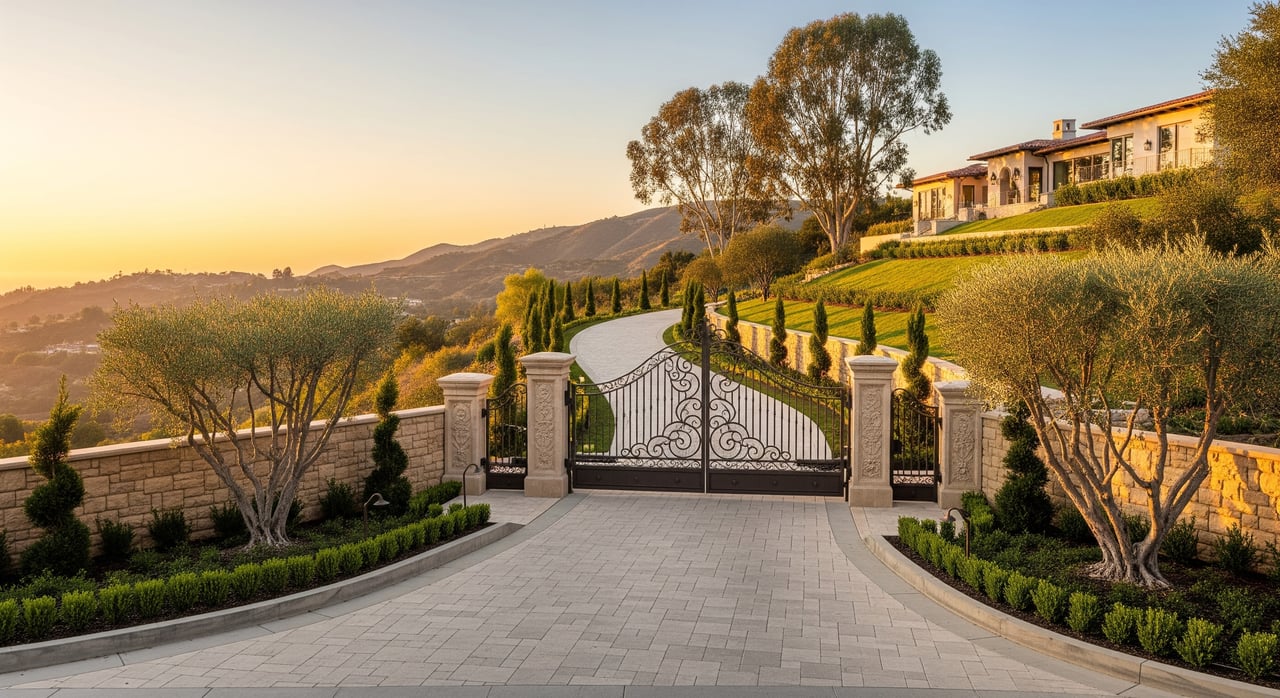
- Highlight privacy features and sightlines that enhance the estate feel.
A clean, neutral scent barn shows best. Remove personal items where possible, refresh bedding, and keep hay stored neatly. Safety always comes first for showings, so plan animal handling and access carefully.
Gather the right documentation
The more organized your records, the easier it is for buyers and appraisers to see value. Assemble a complete package before you list.
- Building plans and permits for barn, arena, outbuildings, and grading work.
- Maintenance records for arena footing, irrigation, barn upgrades, and electrical.
- Septic and well reports if applicable, plus any county health documentation.
- Manure removal contracts or receipts that show regular disposal.
- Insurance history and approximate current premiums.
- Utility bills tied to irrigation, pumps, and general operations.
- Pasture management records such as soil tests or fertilizer applications.
- Zoning and parcel maps, APN, and any easements.
- HOA or property owner documents, including CC&Rs and rules.
- Any conservation or agricultural easements and deed restrictions.
- Preliminary title report that identifies easements or encumbrances.
Consider creating an Equestrian Facility Fact Sheet. Include stall count and sizes, arena specs, fencing types, turnout acreage, water sources, manure plan, and a summary of permits and improvements. This single page helps buyers and appraisers understand the property quickly.
Resolve zoning, permits, and disclosures
Rolling Hills parcels vary, so verify your property’s specifics before going live.
Zoning and use
- Confirm permitted uses, including the number of horses allowed.
- Ask whether boarding, training, or any commercial activity is permitted.
- Verify setbacks for animal structures and any limits on accessory buildings.
- Check for overlays or hillside restrictions that shape development rights.
HOA or gated property rules
- Provide CC&Rs, bylaws, rules, budgets, and recent meeting minutes if applicable.
- Clarify any limits on animals, exterior changes, or use of bridle trails.
- Outline access rights for gates, guest passes, and road maintenance obligations.
California required disclosures
- Complete the Transfer Disclosure Statement and Seller Property Questionnaire.
- Provide a Natural Hazard Disclosure that covers fire, flood, and fault zones.
- Give lead based paint disclosures for homes built before 1978.
- Share well and septic disclosures when applicable.
- Disclose known environmental conditions such as pesticides or fuel tanks.
Wildfire and habitat concerns can be important on the Peninsula. Review local wildfire designations and share any mitigation steps you have taken, including defensible space or hardening improvements. Document permits for grading, arena drainage, or covered arenas. Identify and address unpermitted work before listing to avoid escrow issues.
Price and appraise with equine specifics
Value in Rolling Hills reflects acreage, privacy, views, and the quality of equestrian improvements. Appraisers and buyers look for barns and arenas that are well built, safe, and permitted. Well drained, all weather arenas with lighting and professional construction often carry more market weight than purely cosmetic changes.
Because true equestrian comps are limited, you may need to blend data from several nearby sales and adjust for acreage and facility quality. Paired sales analysis can help estimate the incremental value of a better barn or arena. Support the appraiser with your Facility Fact Sheet, maintenance logs, and any income records if the property has had boarding or training use.
Plan financing and insurance questions
Many buyers of Rolling Hills estates use jumbo loans, and some lenders prefer appraisers who know equestrian properties. If your property includes income producing elements or commercial use, a buyer may explore different financing options with more documentation.
Lenders sometimes discount accessory buildings that are not functional or not permitted. Having permit records and maintenance documentation can support value. Buyers also watch insurance costs related to wildfire or liability, so sharing recent premiums and any mitigation work can help set expectations.
Create standout marketing assets
Luxury equestrian buyers want to see the layout, scale, and functionality quickly. Make it easy for them to visualize how they will use the property.
- Professional photography of interiors, exteriors, barns, arenas, and turnouts.
- Aerial photos and drone video to show acreage, layout, and access to trails.
- Floor plans and a site plan overlay marking barns, paddocks, utilities, and parking.
- A downloadable Equine Facility Pack that includes the site plan, stall and arena specs, service providers, and maintenance records.
Staging cues should be subtle and practical. A neat tack room, fresh bedding in a few stalls, raked arenas, and groomed paths communicate care and readiness. Offer guided tours for serious equestrians so you can explain operations, equipment, and maintenance practices.
Choose targeted outreach channels
Getting in front of the right buyer group matters as much as the listing itself. Use a two track approach that blends broad visibility with precision outreach.
- MLS exposure with a clear description of equine features and permits.
- Premium digital marketing and international syndication through the brokerage network.
- Discreet outreach to local and regional equestrian networks, including trainers and show circuits.
- Specialty equestrian media and classifieds that reach committed horse owners.
- Private broker previews and selective, appointment only showings for high profile buyers.
- Video and drone content to engage out of area prospects who want to see layout and access.
Messaging should highlight functionality, safety, maintenance records, privacy, and proximity to Los Angeles and Peninsula resources. Buyers respond to properties that feel turnkey and well documented.
Time your listing and show safely
Spring and early summer often provide better conditions for equestrian showings, with easier travel and greener grounds. That said, timing depends on local inventory and your goals. A pre list inspection and simple repairs can reduce negotiation friction and help support your price.
For showings, think animal safety and biosecurity first. Use private appointments when animals are present, keep traffic on safe paths, and secure barns as needed. Liability waivers can be useful when buyers walk near horses or equipment.
Negotiation and escrow tips
Serious buyers will ask for details on permits, maintenance, and operating costs early. Share your documentation package upfront to build trust and reduce surprises. If a pre appraisal or pricing consult surfaces questions about an unpermitted structure, address it before going live or price accordingly.
Expect buyers to focus on the arena, barn condition, water systems, and manure management. Clear records, recent service receipts, and a tidy property can keep the focus on value rather than repairs. If a buyer plans commercial use, verify that their intended use aligns with zoning and HOA rules.
Your seller checklist
- Verify zoning, permitted uses, and any HOA rules that affect animals or facilities.
- Gather permits, plans, maintenance logs, septic or well reports, and title documents.
- Complete California disclosures, including natural hazard and lead based paint as applicable.
- Address safety repairs, fencing fixes, arena leveling, and electrical checks.
- Commission professional photos, drone video, and a site plan overlay.
- Produce an Equine Facility Fact Sheet and Equine Facility Pack for buyers and appraisers.
- Consult with an experienced local advisor to set an accurate list price.
Selling an equestrian estate in Rolling Hills is part preparation and part precision marketing. With the right records, polished facilities, and targeted outreach, you can attract qualified buyers who appreciate the lifestyle and the value. If you want a discreet, white glove plan tailored to your property, connect with the Mackenbach Group for a private consultation.
FAQs
What should I fix before listing an equestrian property?
- Focus on safety and functionality first, including fencing, gates, electrical, arena footing, and water systems. Clean and declutter barns and prep a maintenance log.
How do I prove my barn and arena were permitted?
- Compile building permits, final approvals, and plans from the city or county. Include any grading, drainage, or electrical permits tied to equestrian structures.
How many horses can I keep on my Rolling Hills property?
- It depends on your parcel’s zoning and any HOA rules. Verify the permitted number of animals and setbacks for structures before you list.
Will my equestrian improvements increase appraisal value?
- Appraisers consider functionality, condition, and permits. Well built, well maintained barns and arenas often support value more than cosmetic upgrades.
What disclosures are required when selling in California?
- Expect to complete the Transfer Disclosure Statement, Seller Property Questionnaire, Natural Hazard Disclosure, and any required lead based paint, septic, or well disclosures.
When is the best time to market an equestrian estate?
- Spring and early summer often show well, but the right timing depends on local inventory and your goals. Strong prep and documentation can matter more than the month.