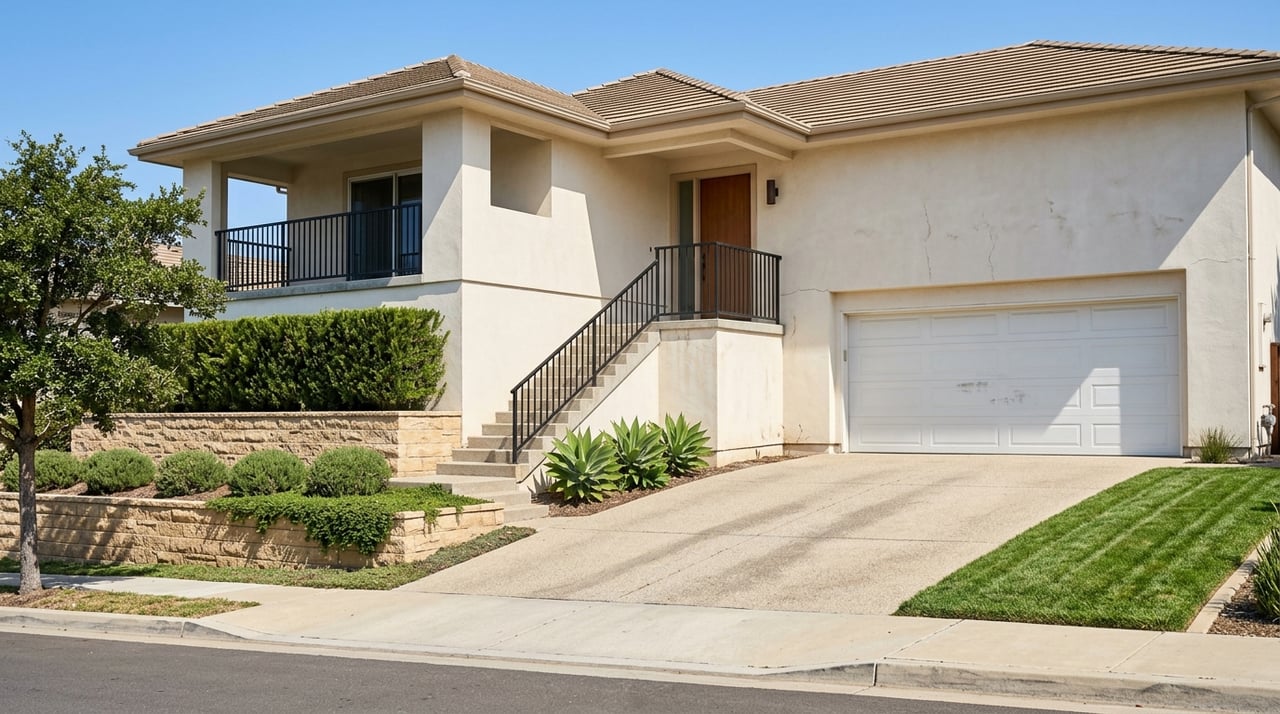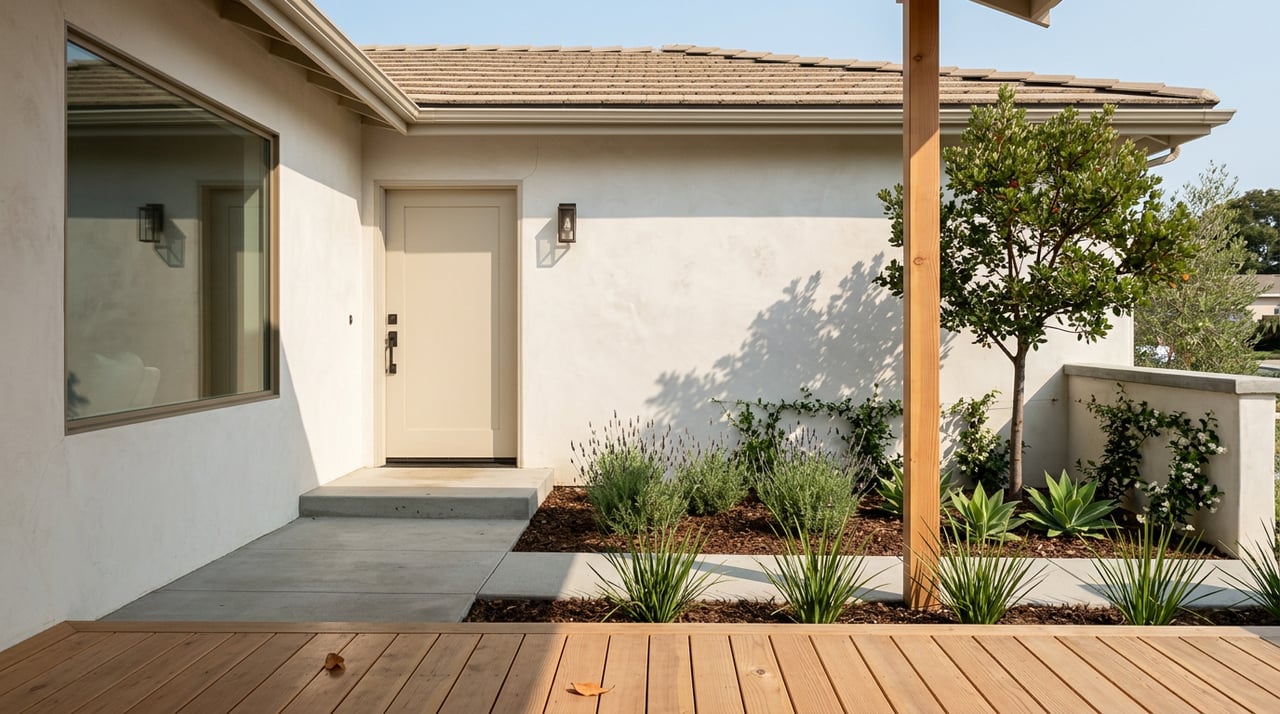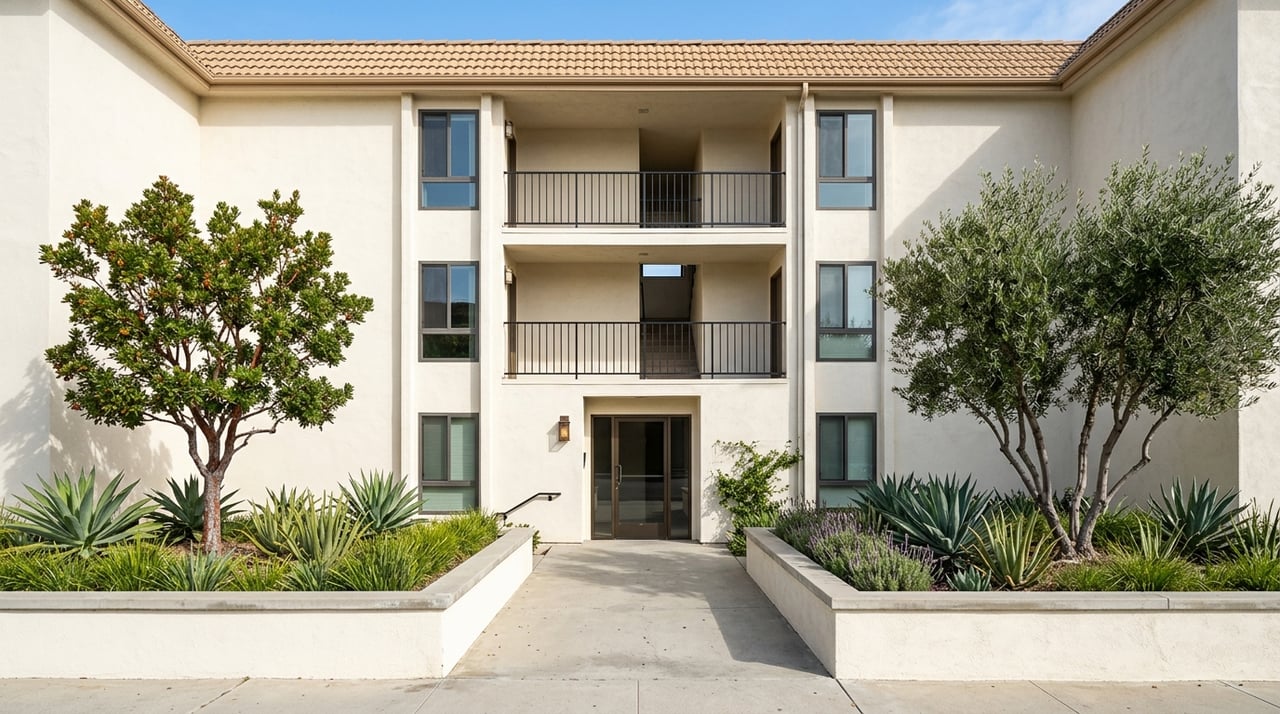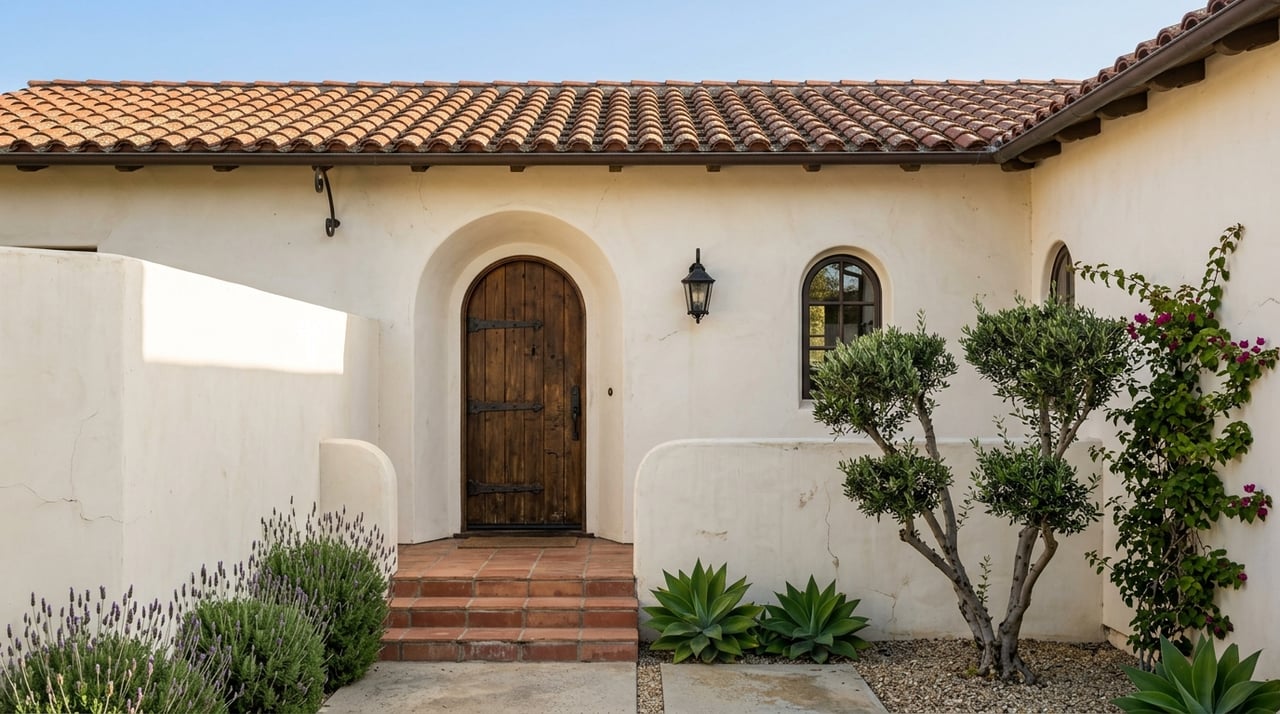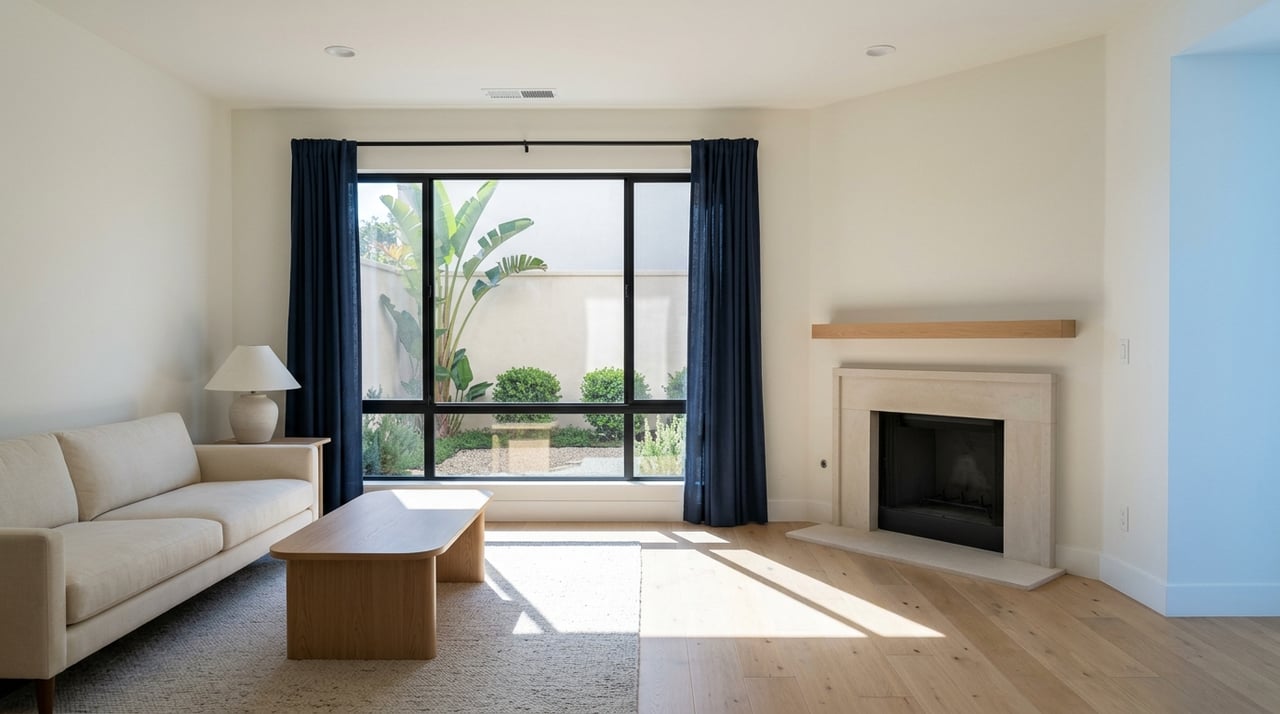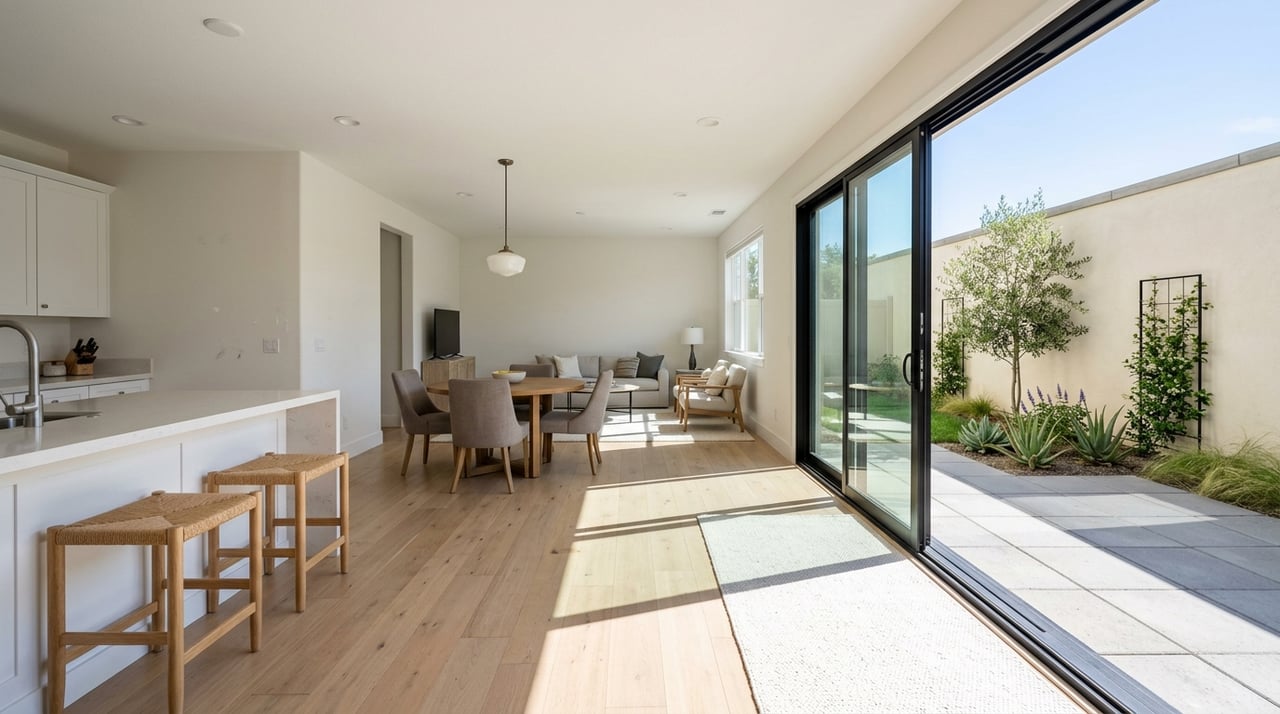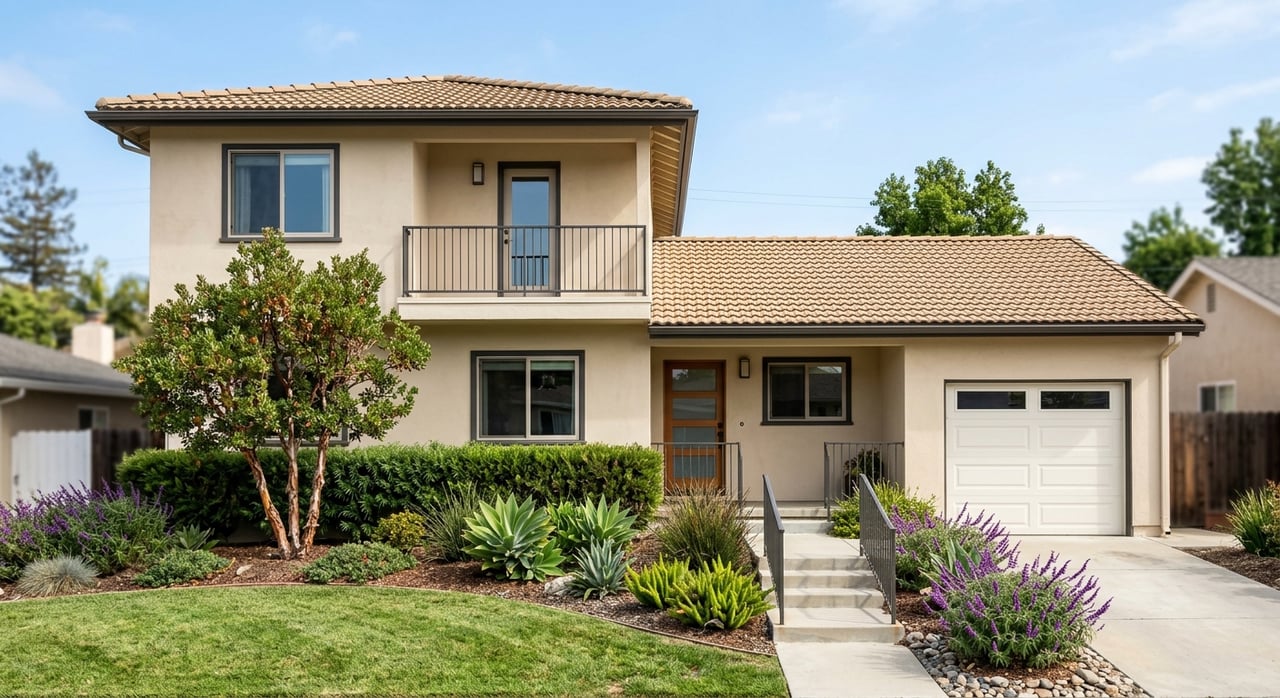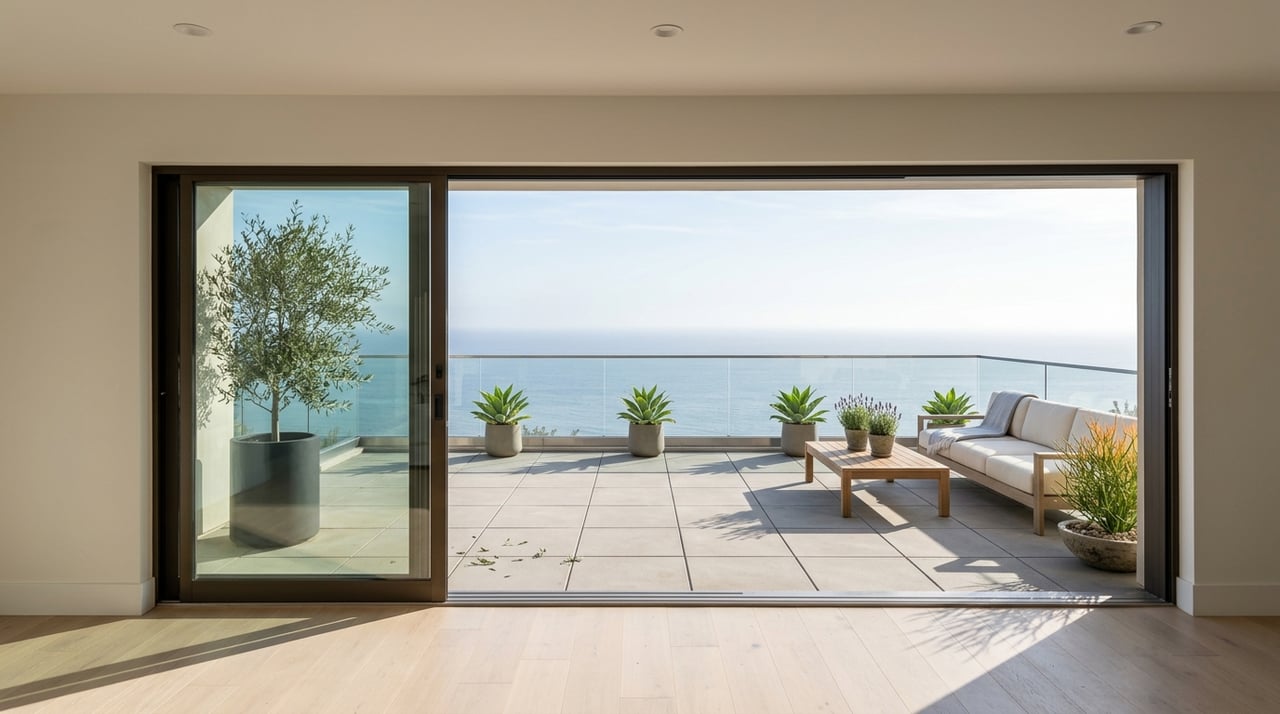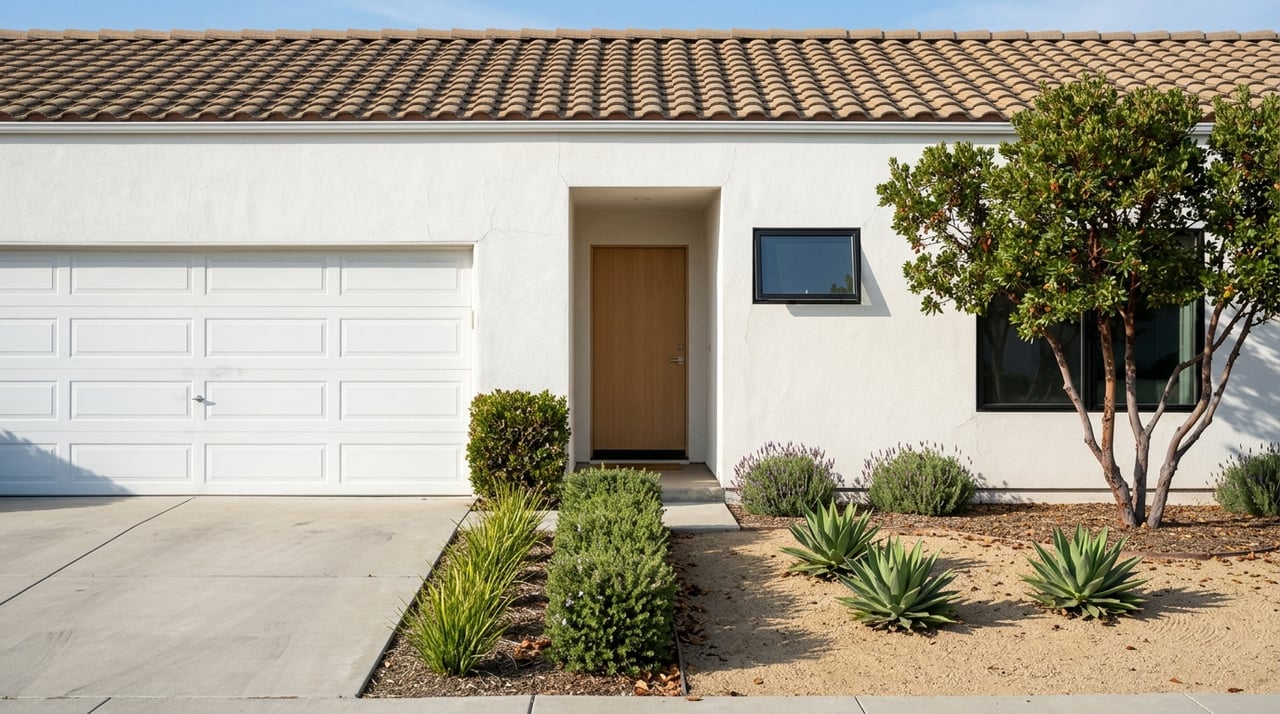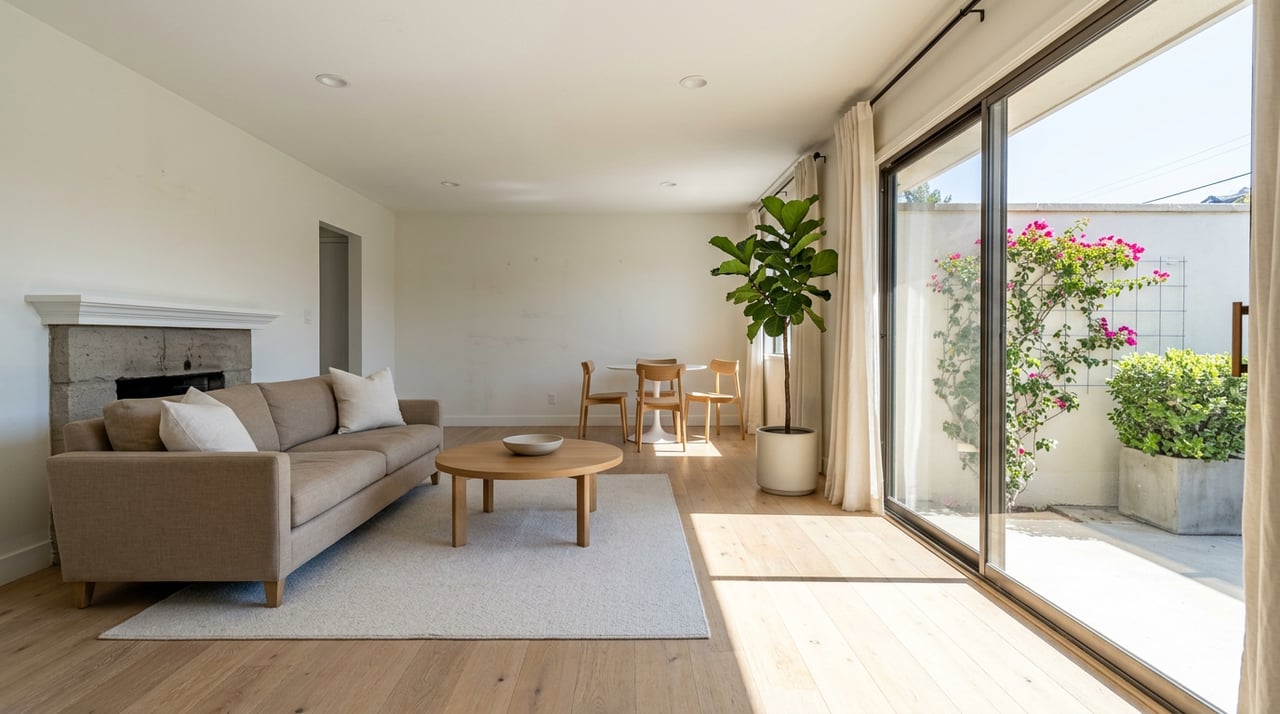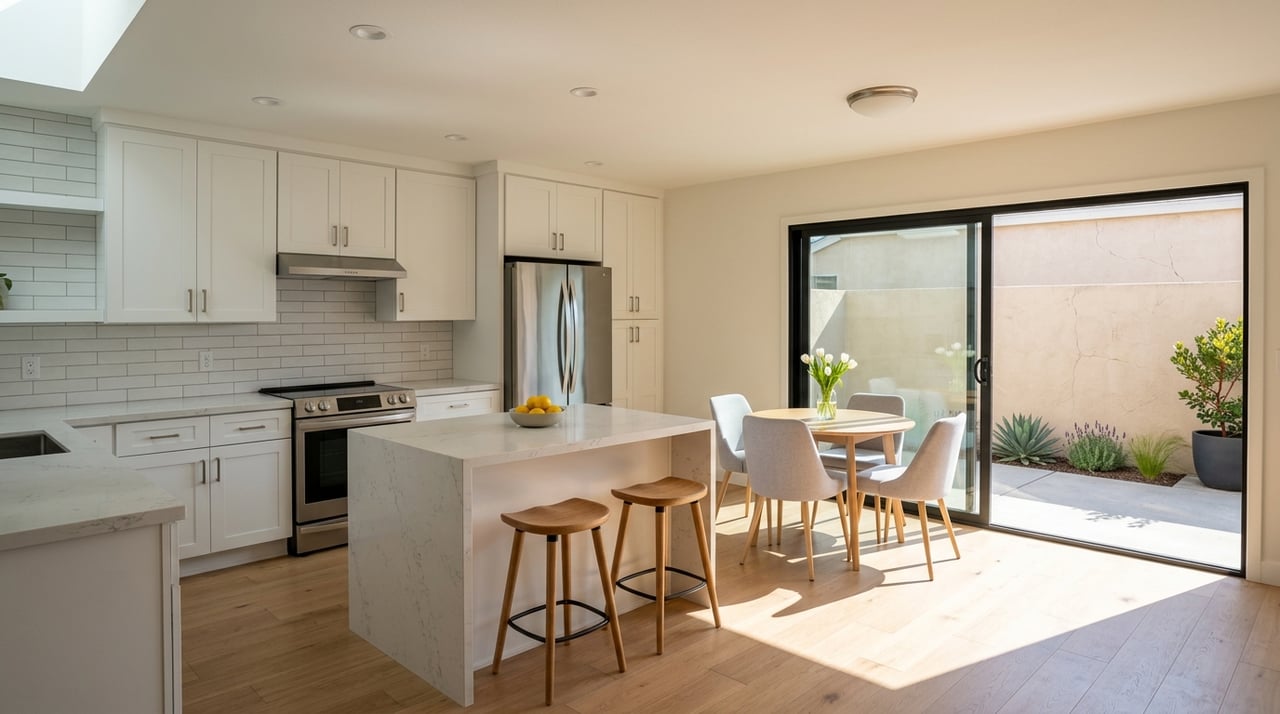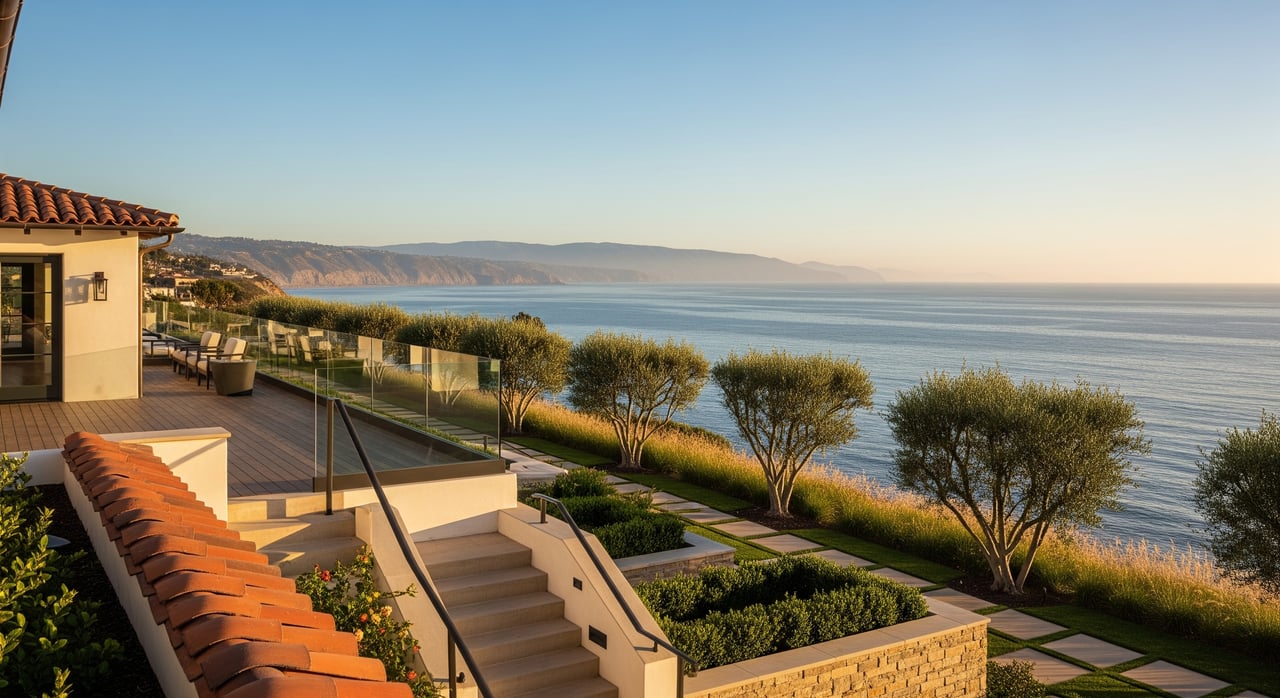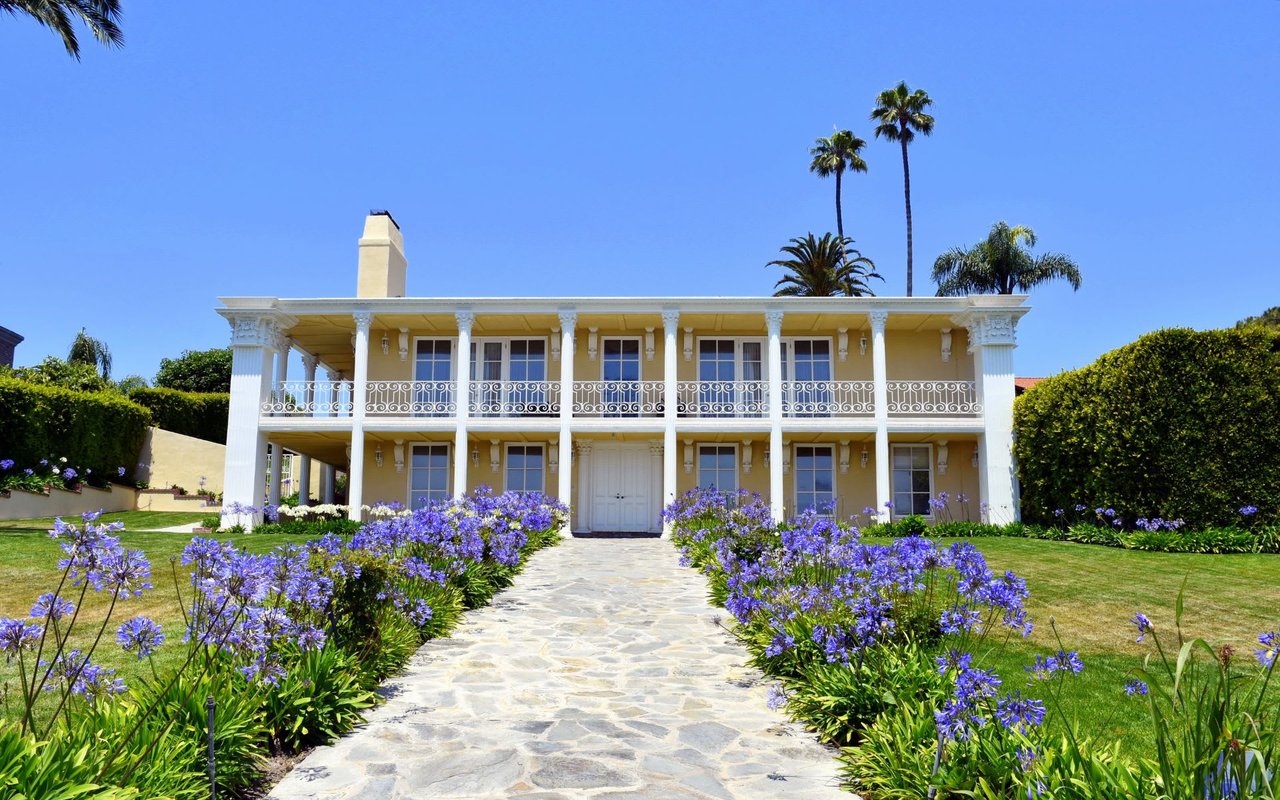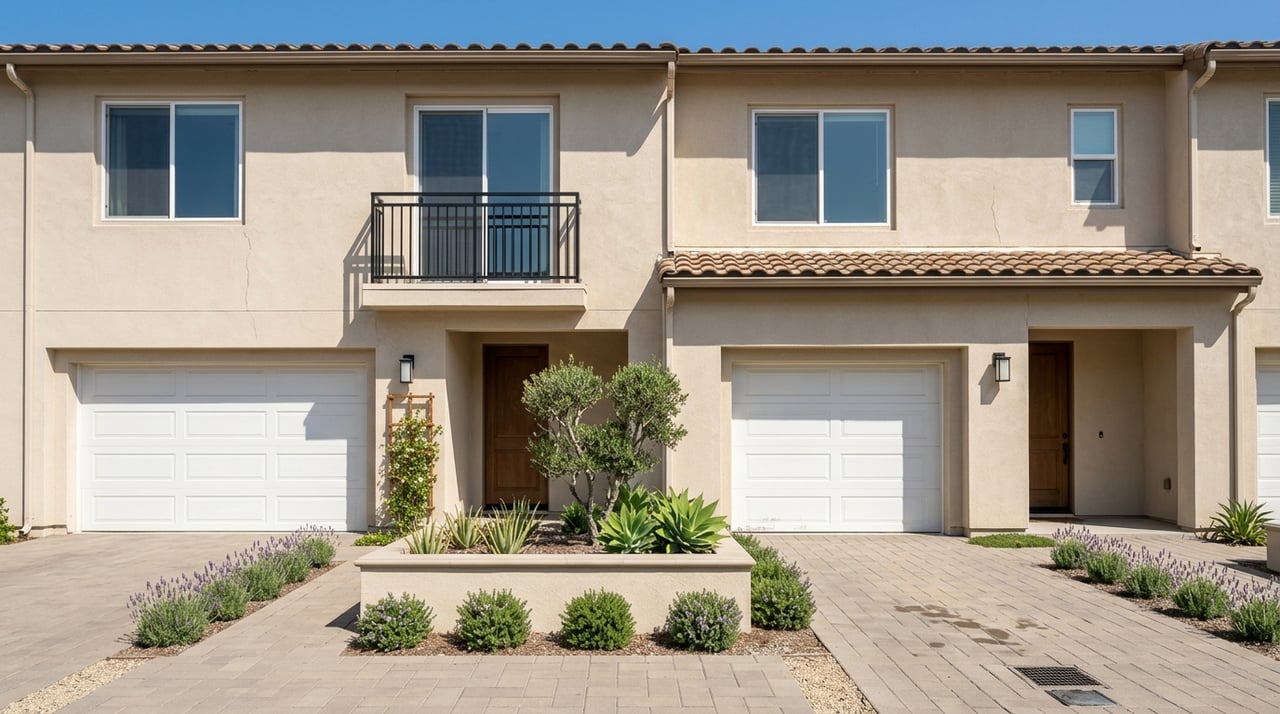
If you want to enjoy Rolling Hills Estates without taking on the upkeep of a larger lot, townhome and condo living deserves a closer look. In a city known for detached homes, attached properties offer a different path into Peninsula life with less exterior maintenance, shared amenities, and often a lower price point than the broader market. That mix can be especially appealing if you are downsizing, buying your first home on the Peninsula, or simply looking for a more lock-and-leave lifestyle. Let’s take a closer look.
Why attached homes stand out here
Rolling Hills Estates is still overwhelmingly a single-family market. The city’s adopted housing element says about 97% of the housing stock is single-family, with only about 3% classified as multi-family or mobile homes.
That matters because condos and townhomes here are not the norm. They represent a relatively scarce segment of the market, which can make them attractive to buyers who want access to the Peninsula in a smaller-footprint home.
Current listing data also helps frame the opportunity. Recent Redfin pages show 33 condos for sale with a median listing price of $829,000 and 5 townhouses for sale with a median listing price of $1.26 million, while the broader citywide median sale price was reported at $1.5 million last month.
In practical terms, attached homes often serve as the lower-maintenance, lower-entry alternative in a market dominated by detached properties. You may give up yard space and some privacy, but you can gain convenience, amenities, and a more manageable ownership experience.
What condo and townhome living looks like
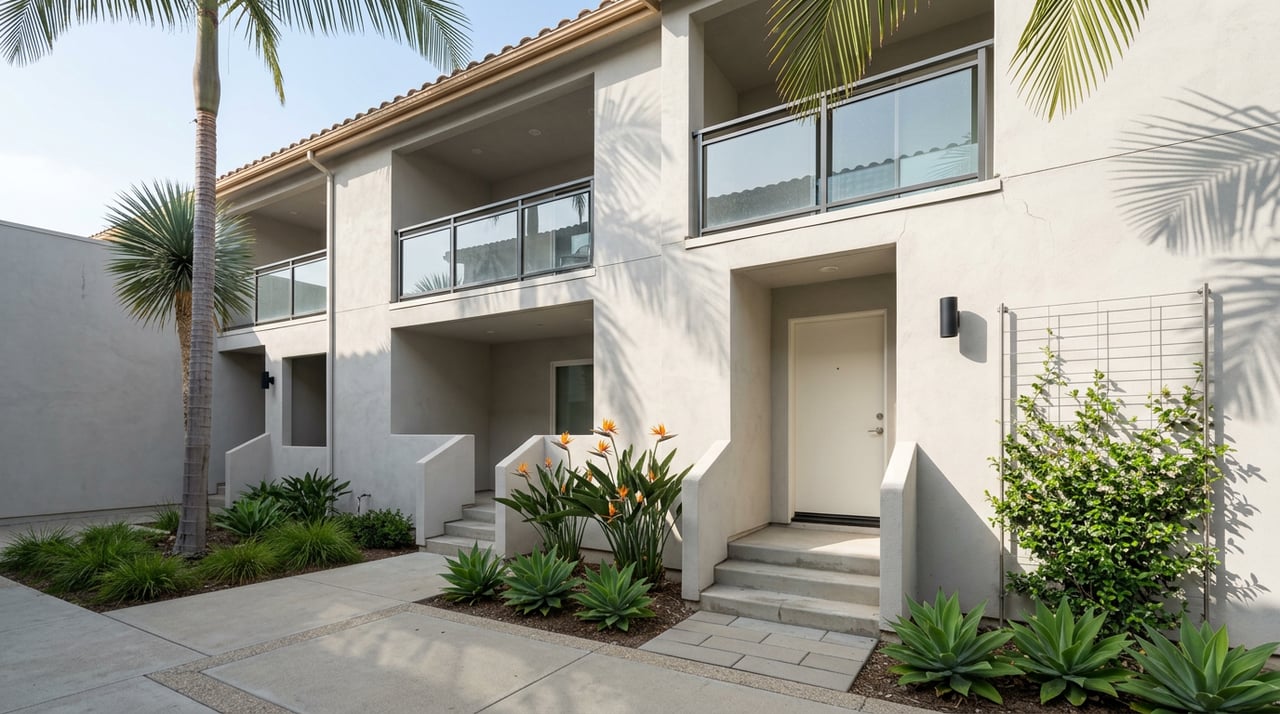
Attached-home living in Rolling Hills Estates is less about high-rise density and more about established communities with a residential feel. Much of the stock dates to the 1970s, with many homes updated over time rather than newly built.
That gives the market a distinct character. Instead of a large pipeline of brand-new projects, you are usually choosing among established communities with mature landscaping, known amenity packages, and floor plans that range from compact condos to sizable view-oriented townhomes.
For many buyers, the appeal comes down to balance. You can still enjoy a Peninsula address and access to local recreation while reducing the day-to-day work that often comes with owning a detached home.
Key attached-home communities
The Terraces
The Terraces is the best-known attached-home community in Rolling Hills Estates. Recent listings describe it as a 24-hour guard-gated community with panoramic city, harbor, and mountain views, along with 5 pools, 2 tennis courts, a clubhouse, greenbelts, and jogging and walking paths.
Homes in The Terraces can suit different needs. Recent examples included a 3-bedroom, 2-bath, 1,590-square-foot single-level plan with a monthly HOA fee of $460, along with larger 2- to 3-bedroom layouts around 1,994 square feet.
A practical advantage here is the direct-entry 2-car garage noted in recent listings. If you want a townhome-style setting with security, views, and resort-style amenities, this community often gets the most attention.
Rolling Hills Park Villas
Rolling Hills Park Villas offers a more recreation-oriented townhome option. A recent listing described about 60 units in the community and highlighted amenities such as pickleball, a pool, spa, playground, tennis, hiking trails, horse trails, onsite property management, controlled access, and guest parking.
One recent home in the community was a 3-bedroom, 3-bath residence with 2,028 square feet. That larger size may appeal if you want attached-home convenience without feeling like you are making too sharp a jump down in space.
This community also provides a useful reminder about monthly costs. The same listing showed layered dues of $498 for the main association plus $189 for a secondary association, so it is important to confirm whether a property has more than one HOA structure.
The Estates
The Estates is the city’s major established condo-and-townhome complex. It offers a broad range of layouts, from a recent 1-bedroom, 1-bath condo at 659 square feet to a 2-bedroom, 2-bath condo at 951 square feet, as well as townhome-style options around 1,722 square feet with 3 bedrooms and 2.5 baths.
Amenities are extensive. Recent listings referenced a pool, spa, tennis, gym, clubhouse, billiards, card room, banquet and meeting rooms, on-site property management, and pet rules.
One especially important detail in this community is what the HOA may cover. A recent listing stated that dues covered water, sewer, trash, gas, exterior maintenance, and hazard insurance, with an HOA fee shown at $420 per month. That kind of coverage can materially change your monthly ownership picture.
How these communities compare
A simple way to think about the main options is this: The Estates is the classic condo choice, The Terraces is the premier guard-gated townhome community, and Rolling Hills Park Villas leans more toward an outdoor- and trail-oriented lifestyle.
Your best fit depends on how you want to live. If you want a more compact entry point, The Estates may be worth close attention. If views, gated access, and townhome-style living are higher priorities, The Terraces may stand out. If outdoor recreation and larger layouts matter most, Rolling Hills Park Villas may be a better match.
Because inventory is limited, it helps to look beyond the headline description and compare the details that shape daily life:
- Floor plan and square footage
- One-level versus multi-level living
- Garage access and guest parking
- Included amenities
- HOA dues and what those dues cover
- Any secondary association fees
- Rules related to pets, parking, and rentals
HOA details to review before you buy
When you buy a condo or townhome in California, you are also buying into an HOA structure. The California Attorney General explains that HOAs operate through rules and guidelines in the CC&Rs, and the California Department of Real Estate points buyers to HOA and reserve-study information as part of their review.
That means your due diligence should go beyond the unit itself. A beautifully updated home can still come with ownership terms, budget conditions, or future costs that you will want to understand before you move forward.
Here are the key items to review:
- CC&Rs and community rules
- Monthly dues and exactly what is included
- Reserve funding and reserve-study information
- History of special assessments
- Pending capital or repair projects
- Parking rules
- Pet rules
- Rental restrictions or limitations
This step matters in Rolling Hills Estates because amenities can vary quite a bit from one community to another. In some cases, higher dues may reflect extensive facilities and services. In others, dues may cover major ownership costs that a detached-home owner would typically pay separately.
Lifestyle and convenience in Rolling Hills Estates
Rolling Hills Estates is not a walk-everywhere environment, but convenience still varies by location. The city identifies a mile-long retail corridor with open-air plazas, a movie theater, an ice rink, specialty restaurants, national retailers, and local merchants, anchored by Peninsula Shopping Center and Promenade on the Peninsula.
If you are comparing attached-home communities, proximity to that commercial corridor can make everyday errands easier. Homes closer to Peninsula Center and Deep Valley Drive may feel more convenient for shopping and dining than properties deeper into the hills.
Still, it is wise to keep expectations grounded. A representative attached-home listing on the city’s northern edge was rated 4.6 out of 10 for walkability and described as car-dependent, with most errands requiring a car.
In other words, attached homes here usually appeal more for lower maintenance than for urban-style walkability. If your priority is simplified ownership first and convenience second, that tradeoff may feel very reasonable.
Recreation adds value to attached living
One of the biggest benefits of living in Rolling Hills Estates is the surrounding recreation network. The city says it maintains seven parks, 25 miles of equestrian trails, and 10 miles of bicycle paths, and it also offers a city tennis club and stables.
George F Canyon Nature Center and the Stein/Hale Nature Trail also add to the outdoor appeal. For condo and townhome owners, these public amenities can help daily life feel bigger than the footprint of the home itself.
That is an important part of the value proposition here. Even if you choose less private outdoor space at home, you still have access to a community known for trails, open space, and an active outdoor lifestyle.
Condo or townhome versus single-family
In Rolling Hills Estates, the comparison with detached homes is especially clear because single-family properties dominate the market. Choosing an attached home usually means accepting a smaller footprint, less private outdoor space, and shared community rules in exchange for easier upkeep and a lower entry point.
For some buyers, that is exactly the goal. Downsizers may prefer one-level living or a more manageable property. Busy professionals may value a lock-and-leave setup. Buyers who want a Peninsula address without taking on the maintenance burden of a larger lot often find this segment especially compelling.
Scarcity also plays a role. Because attached inventory is relatively limited in Rolling Hills Estates, well-positioned homes in established communities can draw strong interest when they come to market.
Who this lifestyle may suit best
Townhome and condo living in Rolling Hills Estates can make sense if you are looking for:
- Lower exterior maintenance
- Shared amenities like pools, tennis, fitness, or club spaces
- A smaller or more manageable footprint
- A lower entry point than many detached homes in the city
- A lock-and-leave option for travel or a busy schedule
- Access to Peninsula recreation and shopping within an established residential setting
It may be less ideal if your top priorities are a large private yard, maximum separation from neighbors, or highly walkable daily living. The right fit comes down to your lifestyle and how you weigh convenience, privacy, cost, and maintenance.
Final thoughts on buying attached homes here
Condos and townhomes in Rolling Hills Estates occupy a small but meaningful niche. They offer a practical way to enjoy Peninsula living in a market where detached homes dominate, and they can deliver real value through reduced upkeep, established amenities, and a more accessible price point.
Because the inventory is limited and each community has its own structure, amenities, and dues, careful comparison matters. When you understand how The Estates, The Terraces, and Rolling Hills Park Villas differ, you can make a more confident decision about which setting best supports the way you want to live.
If you are exploring condos or townhomes in Rolling Hills Estates and want experienced local guidance, Mackenbach Group can help you evaluate communities, compare ownership costs, and identify the right fit for your goals.
FAQs
What is the main appeal of condo living in Rolling Hills Estates?
- Condo living in Rolling Hills Estates can offer a lower-maintenance and often lower-entry alternative to detached homes, along with shared amenities and a smaller, more manageable footprint.
What is the difference between The Terraces and The Estates in Rolling Hills Estates?
- The Terraces is generally known as the premier guard-gated townhome community, while The Estates is the city’s major established condo-and-townhome complex with a wider range of smaller condo layouts.
What should you review before buying a townhome in Rolling Hills Estates?
- You should review the HOA’s CC&Rs, monthly dues, reserve funding, special assessment history, parking rules, pet rules, rental rules, and any pending capital projects.
Are condos and townhomes in Rolling Hills Estates walkable to shopping?
- Walkability depends on the specific community, but homes closer to the Peninsula Center and Promenade corridor may feel more convenient for errands, while much of the city remains car-dependent.
Are HOA dues in Rolling Hills Estates attached-home communities all the same?
- No. HOA dues and what they cover can vary significantly by community, and some properties may have both a master association and a secondary association.
Is attached-home inventory limited in Rolling Hills Estates?
- Yes. The city’s housing stock is overwhelmingly single-family, so condos and townhomes make up a relatively small and more specialized part of the local market.