If the Palos Verdes Peninsula is your long-term goal, jumping straight into that market can feel like a stretch. You may want the location, the lifestyle, and the long-term ownership path, but the numbers in nearby Peninsula cities can make timing difficult. The good news is that Lomita can offer a practical first step, giving you a chance to buy into the broader South Bay-Peninsula area at a lower price point while staying close to where you ultimately want to be. Let’s take a closer look.
Why Lomita fits this strategy
Lomita sits in the southwestern portion of Los Angeles County, bordered by Torrance, the Harbor region, Rolling Hills Estates, and Rancho Palos Verdes. It is about 26 miles south of downtown Los Angeles and roughly 6 miles east of the Pacific Ocean. For buyers focused on the Peninsula, that location matters because you are not moving far away from your target area just to find a more approachable entry point.
Lomita is also a small, established city with about 20,225 residents across just 1.9 square miles. According to city planning documents, future growth is expected to be slow because development opportunities are increasingly limited and the city is nearing buildout. In simple terms, that means Lomita functions more like a mature resale market than a place being reshaped by large waves of new construction.
How Lomita compares on price
For many buyers, the biggest reason to consider Lomita is the price gap between Lomita and nearby Peninsula markets. The U.S. Census Bureau places the median value of owner-occupied housing in Lomita at $831,500. Recent transaction data from Redfin shows a somewhat higher median sale price of $905,458 over the last three months, which still places Lomita below several nearby cities many Peninsula-minded buyers also consider.
Here is how current median owner-occupied values compare:
| City | Median Owner-Occupied Value |
|---|---|
| Lomita | $831,500 |
| Torrance | $1,074,700 |
| Redondo Beach | $1,279,200 |
| Rancho Palos Verdes | $1,609,400 |
| Rolling Hills Estates | $1,692,600 |
| Palos Verdes Estates | $2,000,000+ |
That spread helps explain why Lomita can make sense as a strategic first purchase. You can establish ownership in a location already connected to the South Bay and close to Peninsula destinations, without needing to enter at the highest nearby price tier on day one.
What “strategic first step” really means
A move to Lomita is not about treating a home like a shortcut or a guaranteed financial ladder. It is about buying where you can realistically enter the market while staying close to your long-term geographic goals. If your future plans include Torrance, Rancho Palos Verdes, Rolling Hills Estates, or other Peninsula areas, Lomita can put you nearby now instead of keeping you on the sidelines.
This approach can also help you build experience as an owner in the local market. You learn block-by-block preferences, commuting patterns, renovation realities, and what your budget buys in the broader South Bay. That knowledge can be valuable later if you decide to make a move within the Peninsula area.
What kinds of homes you will find
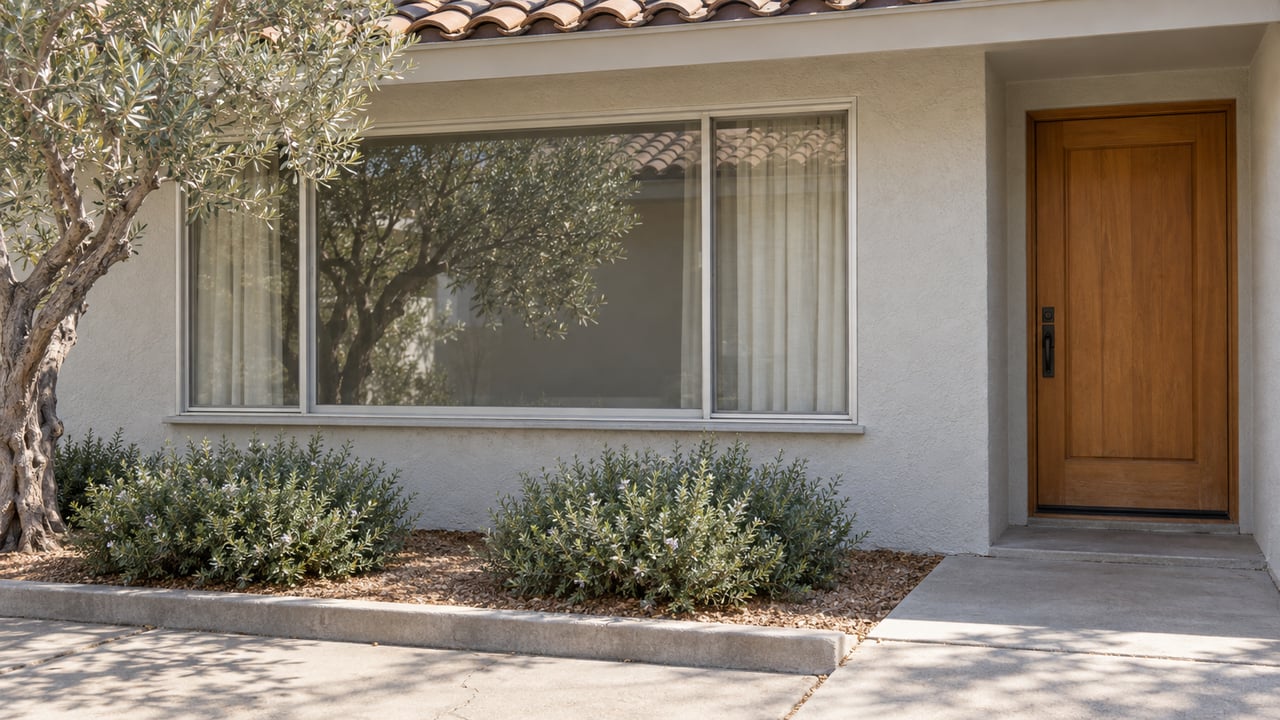
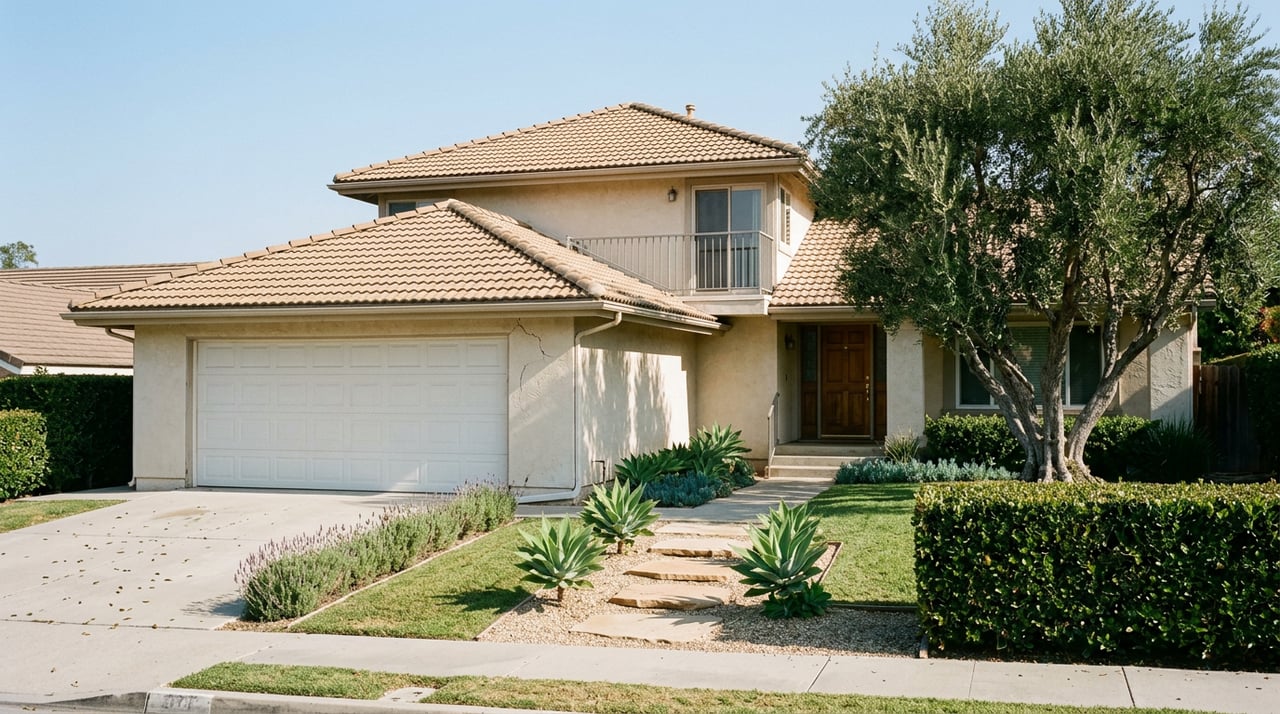
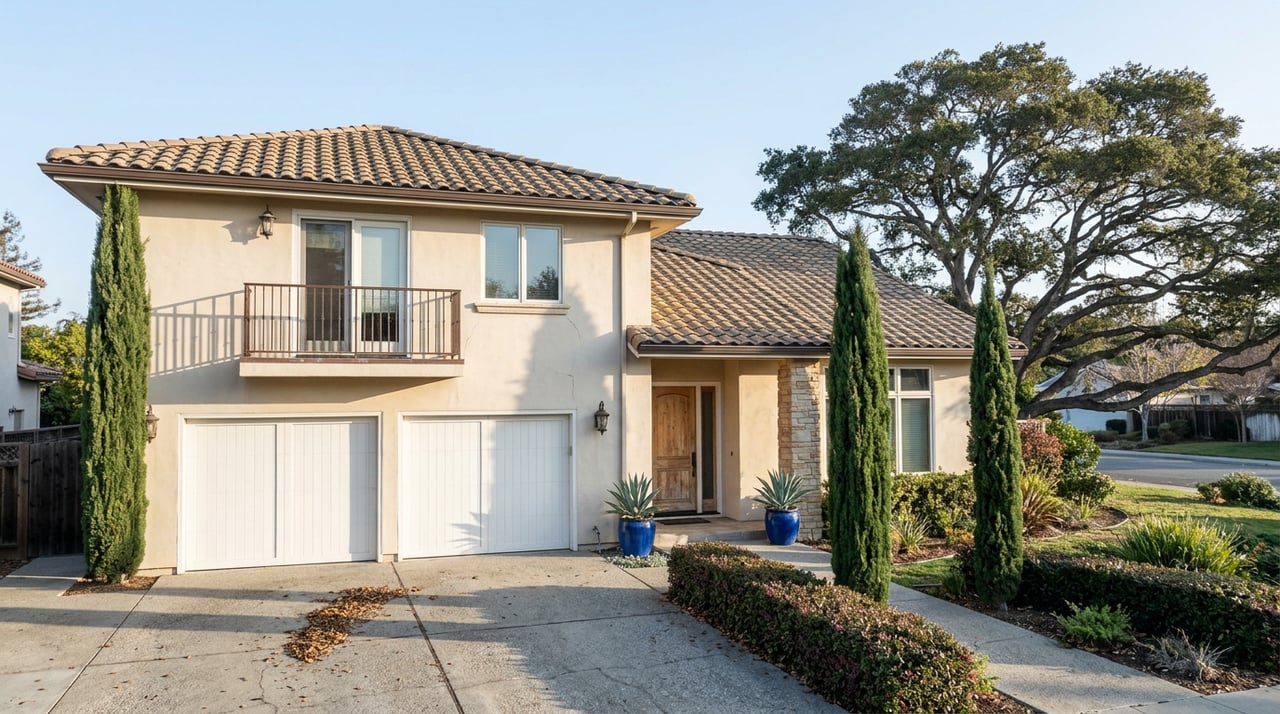
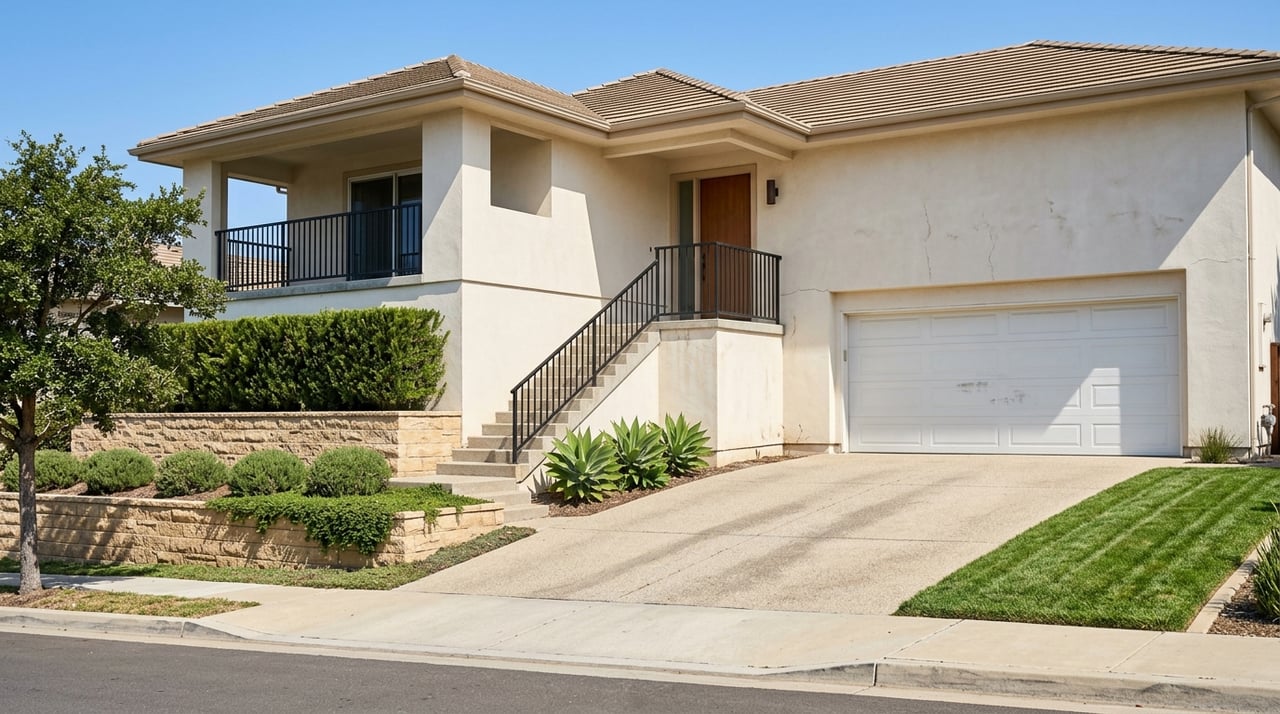
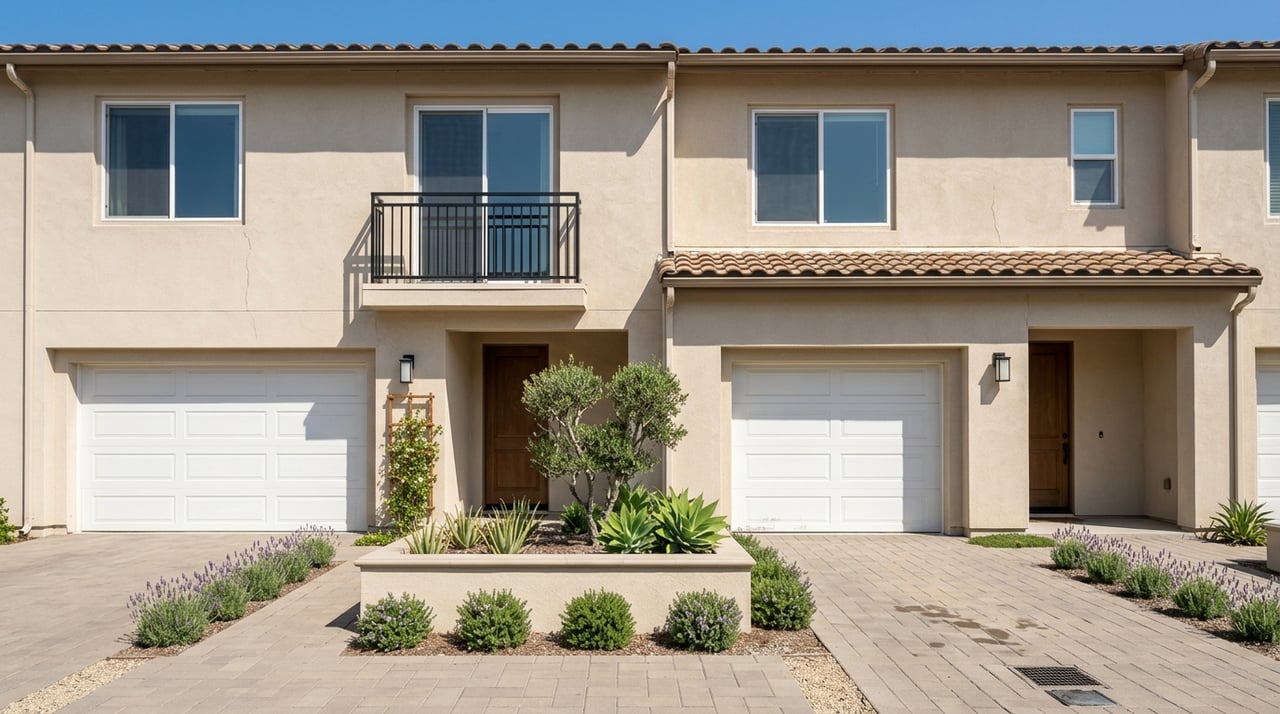
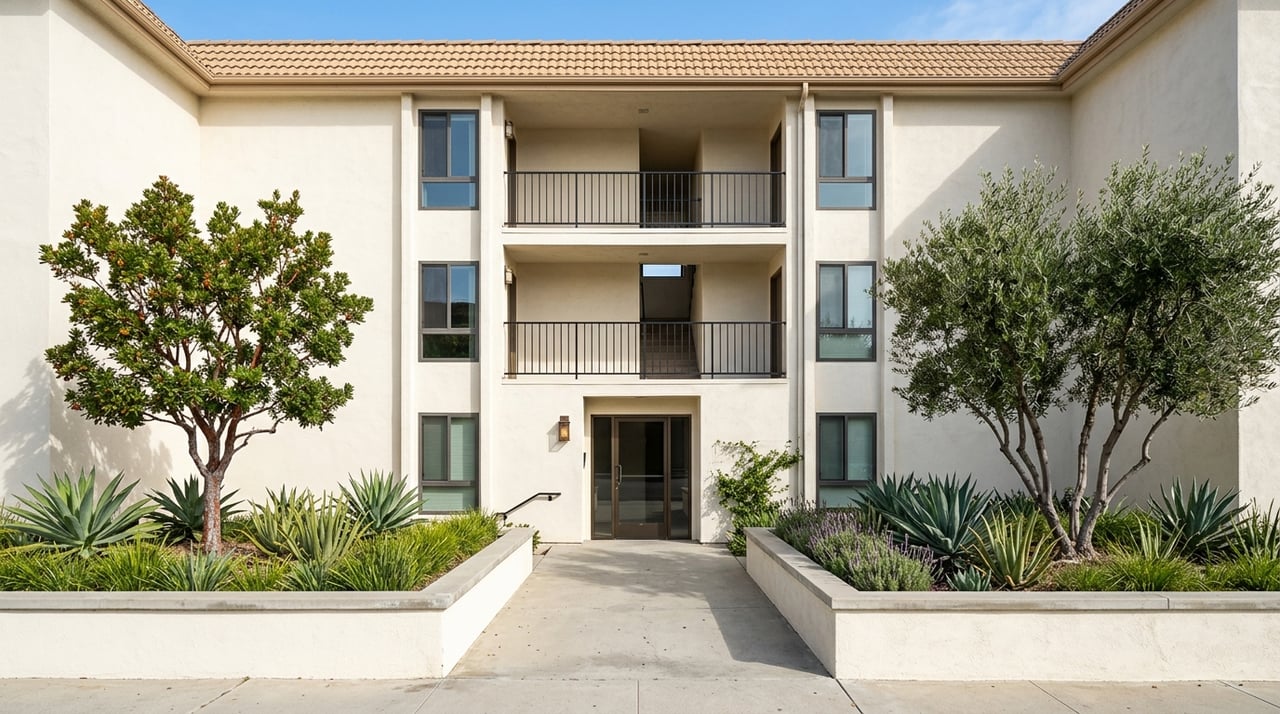
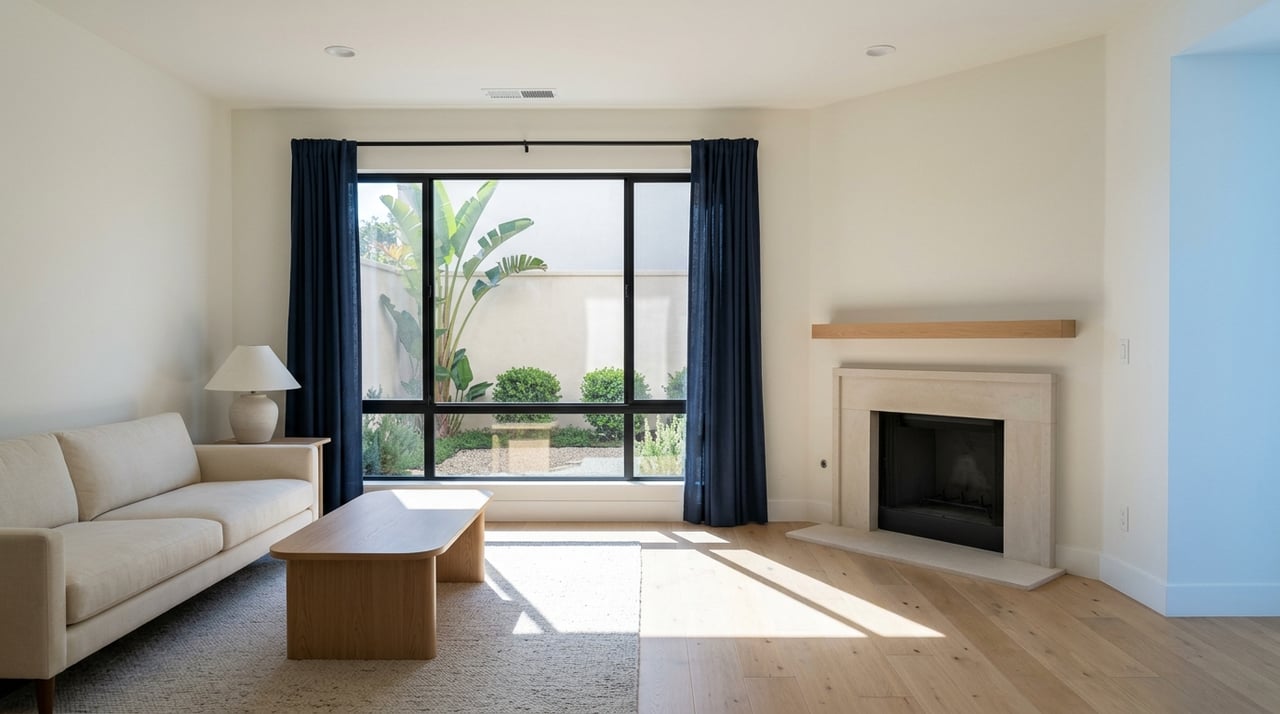
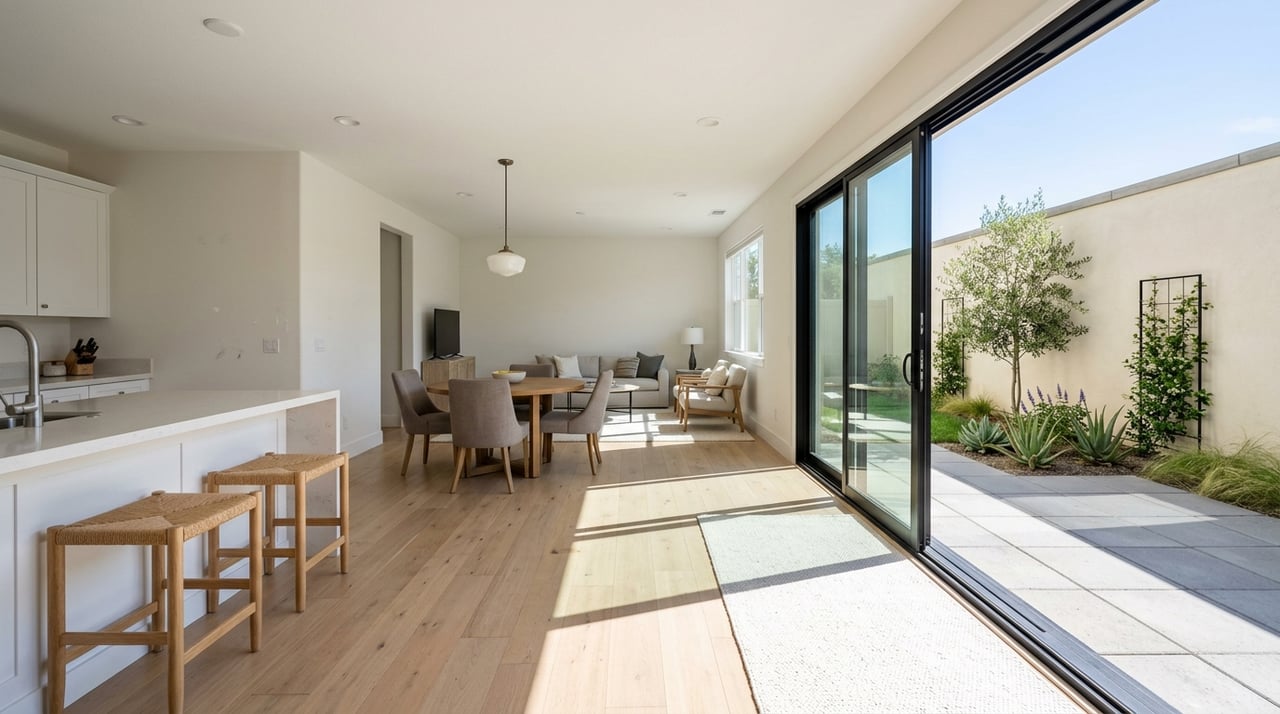
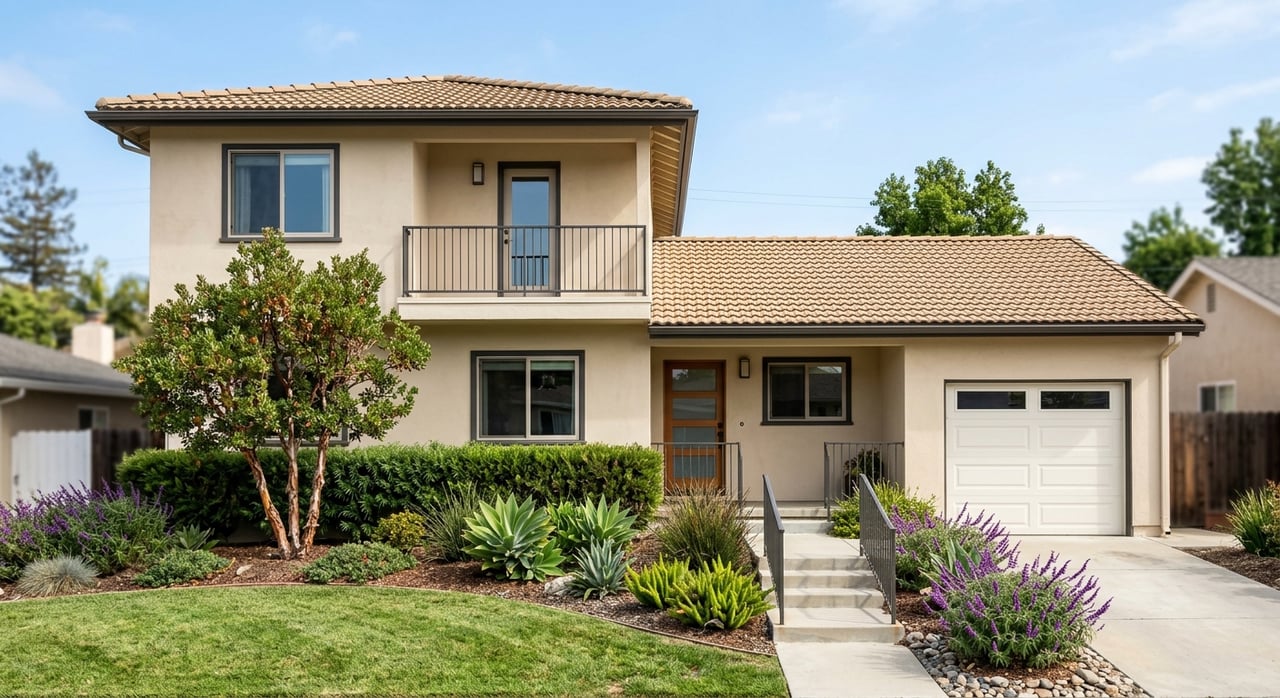
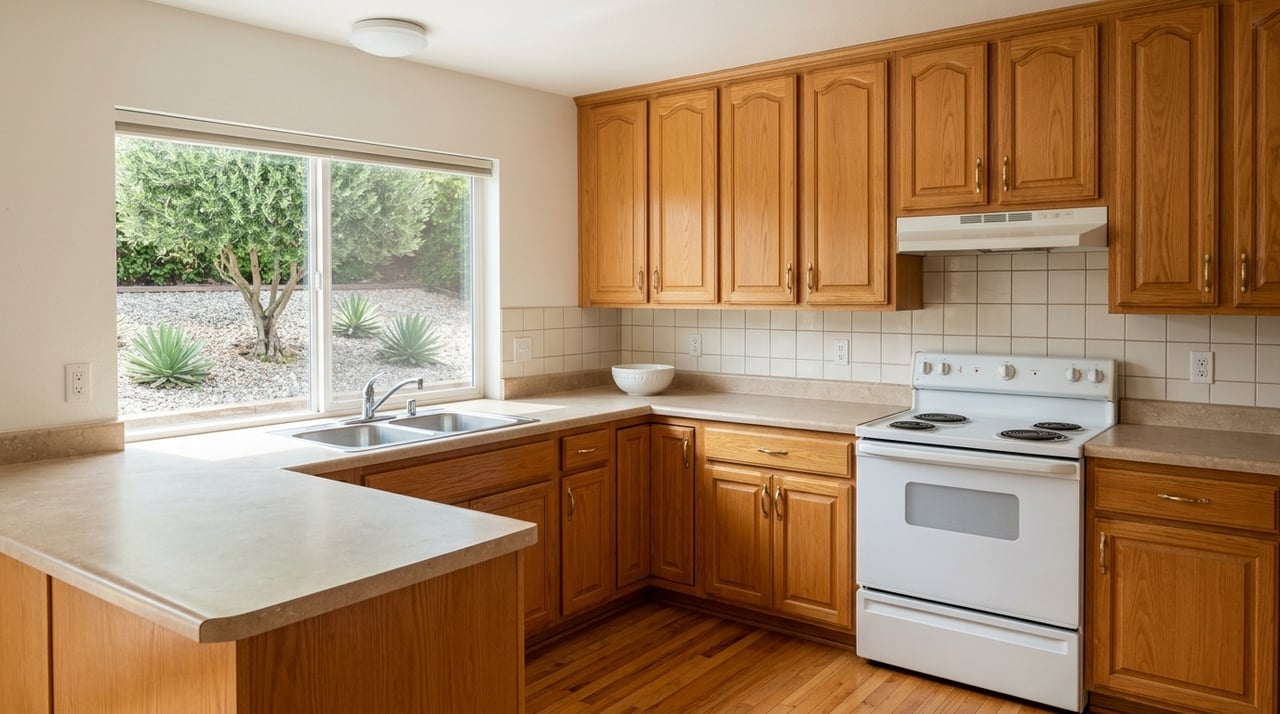
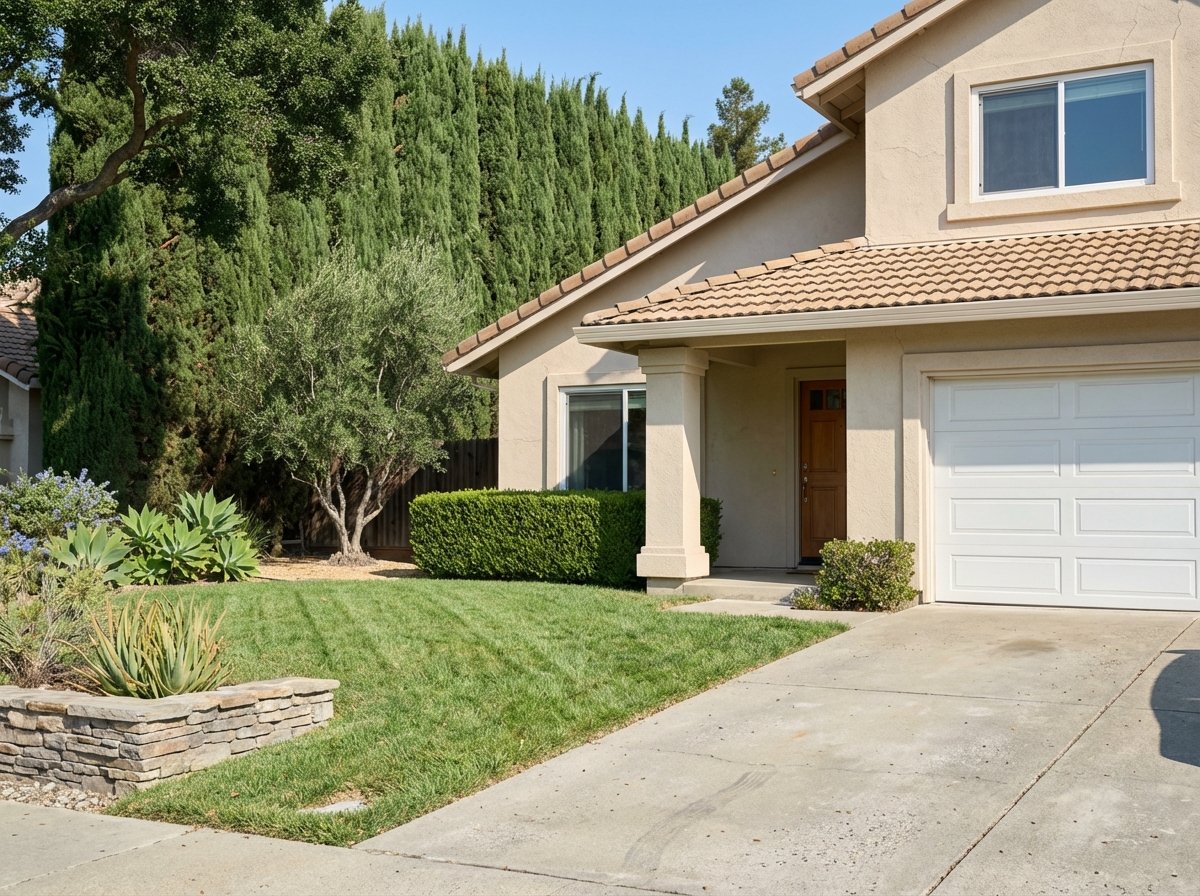
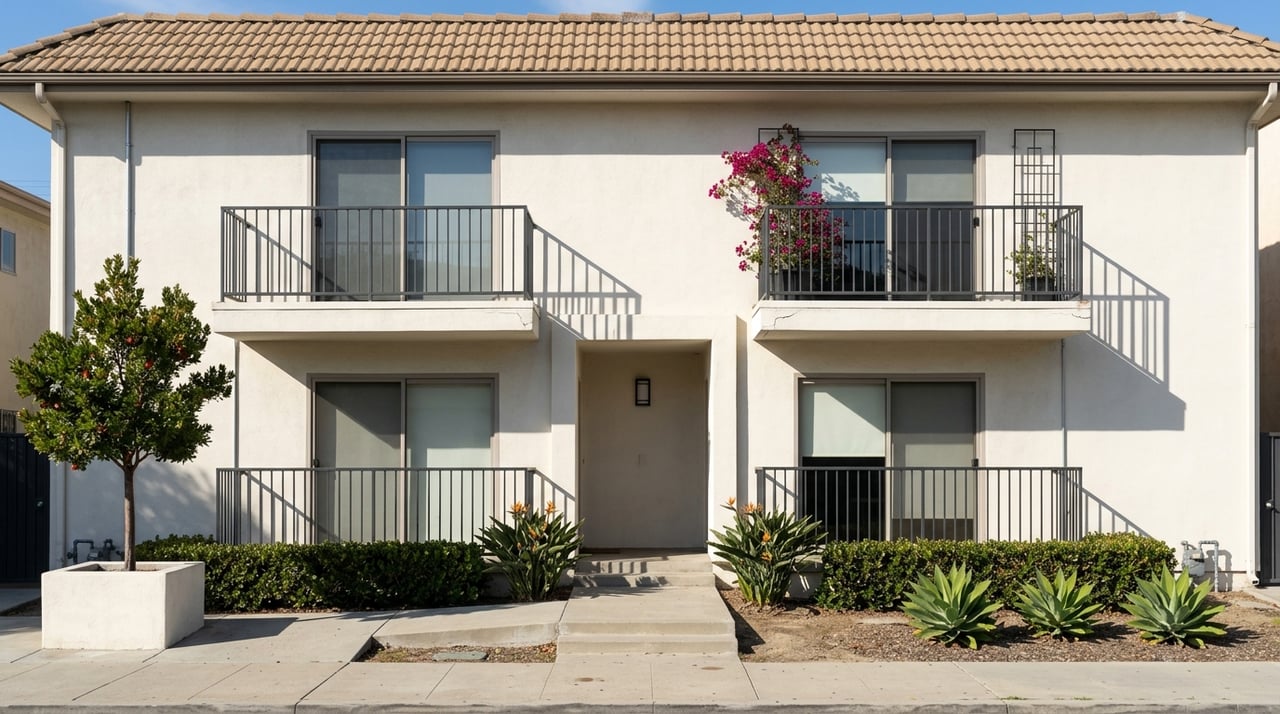
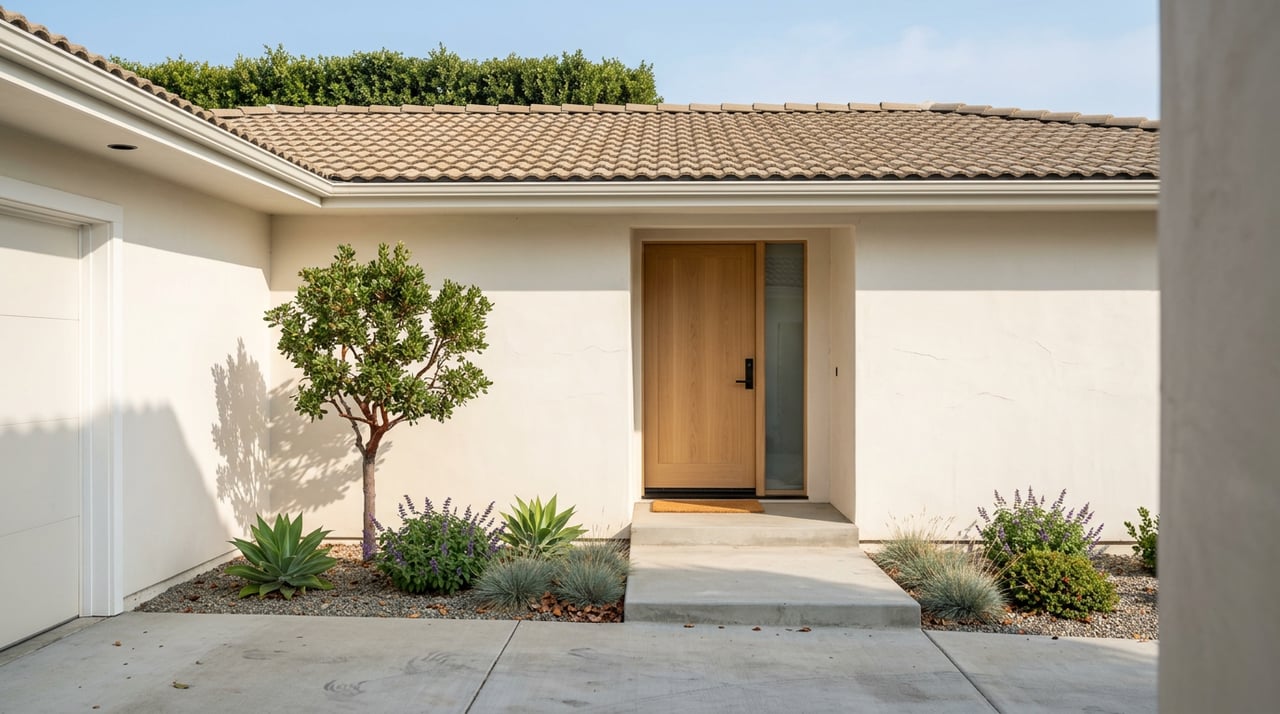
Lomita is not a one-product market. Its housing stock includes detached homes, attached homes, smaller multifamily properties, larger multifamily buildings, and mobile homes. That variety can be helpful if you are trying to balance location, budget, and property type.
The current ACS profile shows that 59% of housing units are single-unit structures, while SCAG’s housing snapshot breaks the city down more specifically: 49.4% single-family detached, 9.2% single-family attached, 5.5% in 2 to 4 unit buildings, 28.6% in 5+ unit multifamily buildings, and 7.3% mobile homes. This means your search may include more options than you would see in areas that are dominated by one housing type.
Expect an older, established housing stock
SCAG reports that 62.5% of Lomita’s housing stock was built before 1970. That is an important practical detail. Many properties may have been updated over time, but buyers should still expect to evaluate condition, systems, layout, and renovation quality carefully.
In a market like this, two homes with similar square footage can feel very different in livability and upkeep. One may be extensively renovated, while another may need meaningful updates. If you are considering Lomita as a first step toward the Peninsula, understanding that difference is key to making a smart purchase.
A mixed tenure city
Lomita also has a notable mix of owners and renters. Current ACS data shows about 54% renter-occupied housing and 45.9% owner-occupied housing. For you, that may translate into a city with a range of housing formats and a more varied residential pattern than a purely owner-occupied suburb.
Is the market still competitive?
Yes. Lomita may be relatively more attainable than nearby Peninsula cities, but it is not a bargain market in the sense of being soft or slow-moving. Redfin reports a median of 31 days on market, an average of 3 offers, 45.9% of homes selling above list price, and an average sale-to-list ratio of 102%.
That tells you two things. First, buyers still need to be prepared and realistic when a well-priced property comes to market. Second, the lower price point relative to surrounding areas has not removed competition. It has simply changed the entry point.
What everyday living may feel like
Buying strategically is not just about numbers. It is also about whether the location works for your daily routine. Lomita’s commute and mobility data suggest a city that is closely tied into the broader South Bay work-and-home network.
The current ACS profile shows a mean travel time to work of 25.7 minutes. Driving alone is still the dominant commute mode at 73%, followed by working at home at 11%, carpooling at 7%, walking at 4%, public transit at 2%, and bicycle at 1%.
SCAG reports that Lomita workers most commonly travel to Los Angeles, Torrance, Long Beach, El Segundo, Redondo Beach, and Carson. That pattern reinforces the idea that Lomita is part of a larger regional network, not an isolated pocket. If your work, family, or lifestyle already ties you to South Bay or Peninsula destinations, Lomita may fit more naturally than you expect.
Local mobility is still evolving
The City is also pursuing a Local Travel Network with wayfinding and traffic-calming elements. Most trips still happen by car, but this shows that local mobility remains an active planning topic. For buyers, that matters less as a headline and more as a sign that the city is thinking about how residents move through daily life.
Questions to ask before you buy in Lomita
If you are evaluating Lomita as a stepping stone toward the Peninsula, keep your focus on practical questions instead of just headline price.
Look closely at property condition
Because much of the housing stock is older, condition can shape both your upfront costs and your day-to-day comfort. Pay attention to updates, maintenance history, layout functionality, and how much additional work you may want to take on after closing.
Compare property types carefully
A detached home, attached home, or multifamily-style property may each support a different ownership plan. Your best fit depends on budget, space needs, maintenance tolerance, and how long you expect to stay. In Lomita, the range of inventory can be a benefit if you define your priorities early.
Think about your next move now
If your long-term goal is the Peninsula, it helps to buy with that future in mind. Consider how the location, layout, and condition of a home may support your needs over the next several years. The goal is not to predict the future perfectly, but to make a choice that keeps your options open.
Why this matters for Peninsula-minded buyers
For buyers who want to be in the Peninsula orbit, Lomita can offer something valuable: proximity without the same initial buy-in required in Rancho Palos Verdes, Rolling Hills Estates, or Palos Verdes Estates. You stay close to the markets you may ultimately want, while buying into an established South Bay community with a wide range of housing types.
Just as important, Lomita is not a placeholder in the geographic sense. It is already part of the broader local network that connects the Peninsula, Torrance, the Harbor area, and other South Bay employment centers. If your plan is to build from a realistic starting point, that makes Lomita worth serious consideration.
If you are weighing whether Lomita makes sense as your first move toward the Peninsula, the right guidance can help you compare not just prices, but property types, condition, and long-term fit. The Mackenbach Group brings deep Peninsula market knowledge and a practical, locally grounded perspective to buyers planning their next step.
FAQs
Is Lomita close to the Palos Verdes Peninsula?
- Yes. Lomita borders Rolling Hills Estates and Rancho Palos Verdes and sits within the broader South Bay area, making it a nearby option for buyers focused on the Peninsula.
Are Lomita home prices lower than Peninsula home prices?
- Based on current Census figures, Lomita’s median owner-occupied value is $831,500, which is below Torrance, Redondo Beach, Rancho Palos Verdes, Rolling Hills Estates, and Palos Verdes Estates.
What types of homes are common in Lomita?
- Lomita has a mixed housing stock that includes single-family detached homes, attached homes, smaller multifamily buildings, larger multifamily buildings, and mobile homes.
Are many Lomita homes older?
- Yes. SCAG reports that 62.5% of Lomita’s housing stock was built before 1970, so buyers should expect an established market where renovation and updating are common considerations.
Is Lomita a competitive housing market?
- Recent Redfin data suggests that it is still competitive, with a median of 31 days on market, 3 offers on average, and 45.9% of homes selling above list price.
What is commuting like from Lomita?
- Current ACS data shows a mean travel time to work of 25.7 minutes, with most residents commuting by car and many workers traveling to Los Angeles, Torrance, Long Beach, El Segundo, Redondo Beach, and Carson.