Is there a right week to list in Manhattan Beach, or does a great home sell any time of year? If you are like most sellers here, you want strong interest without a drawn-out timeline. You also want to avoid avoidable missteps like launching during a major beach event or missing the school-year window buyers watch. In this guide, you will learn the best seasonal windows, how the Sand, Tree, and Hill Sections differ, and the simple timing moves that can add real leverage to your sale. Let’s dive in.
Why timing in Manhattan Beach is different
Manhattan Beach is a high-price, low-volume market. Recent public data shows a city-level median sale price near $4.0 million as of February 2026, with only about two dozen closings that month and a median time on market around 76 days. With so few transactions, one month’s stats can swing a lot. You will get a clearer read by looking at 3 to 6 month trends and a current neighborhood CMA rather than any single data point.
Buyer profiles also shape timing. Manhattan Beach has a high median household income and a sizable share of residents under 18, which means many buyers plan around school calendars and commute patterns. You can review neutral community context in the U.S. Census QuickFacts for the city to see how these factors line up with your goals. For a quick snapshot of local demographics, see the city’s profile in U.S. Census QuickFacts.
The best months to list
Across the country, spring tends to be the strongest season for sellers. National analyses often highlight mid-April as an especially productive window, with a broader “spring surge” that can run from March into late May. While those results are national, they translate well here because weather, light, and buyer activity support strong first-week engagement.
Weekday launch matters too. Listings that go live mid-week, especially on Thursday mornings, tend to capture weekend buyer traffic and build early momentum. That does not replace pricing and presentation, but it helps your first weekend deliver more private showings and better feedback.
Target windows by your goal
- If your top priority is price: Aim for late March through mid-May. Prepare early so you can hit a Thursday launch in that window.
- If you are timing with schools: Families often want to close before late August. That usually means listing between March and May to allow for standard escrow timelines and any contingencies.
- If you need to sell off-season: You can succeed in fall or winter with precise pricing, standout staging, and a focused marketing plan. Expect fewer casual buyers but a more motivated pool.
Neighborhood timing: Sand, Tree, and Hill Sections
Each section draws different buyers and has its own pace. Adjust your calendar and marketing to match the product you are selling.
Sand Section: Sell the lifestyle, time the light
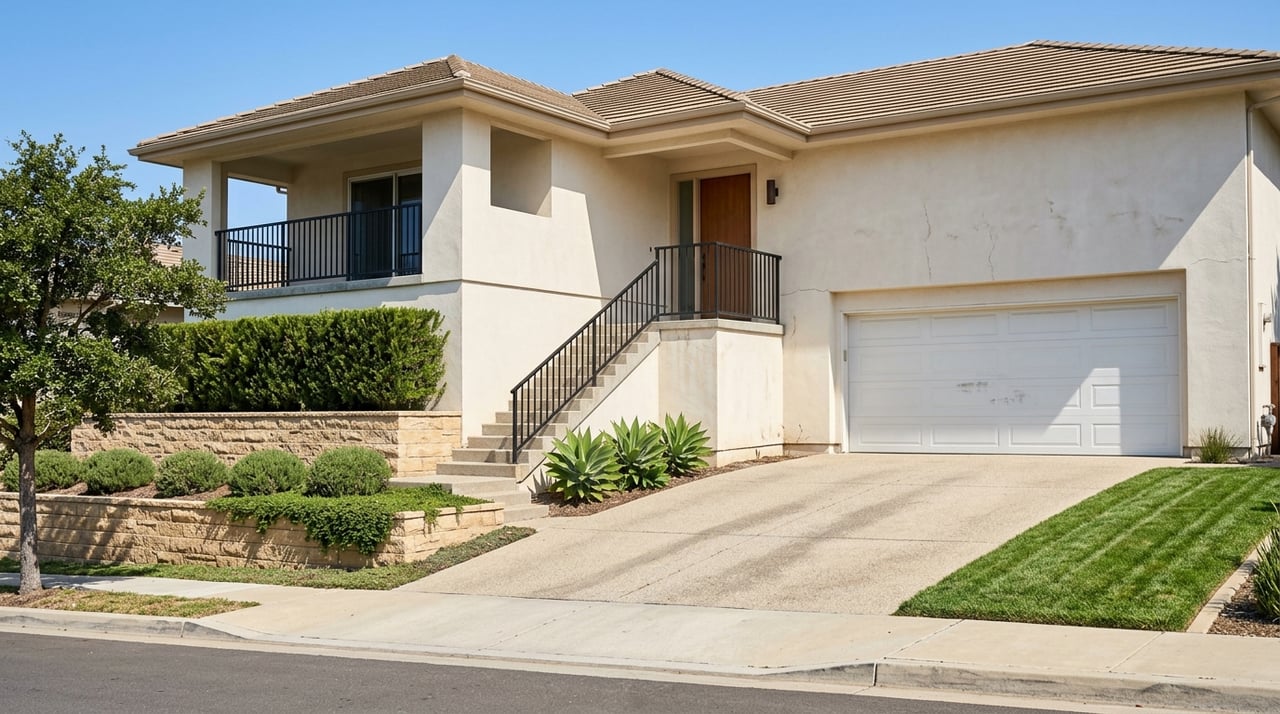
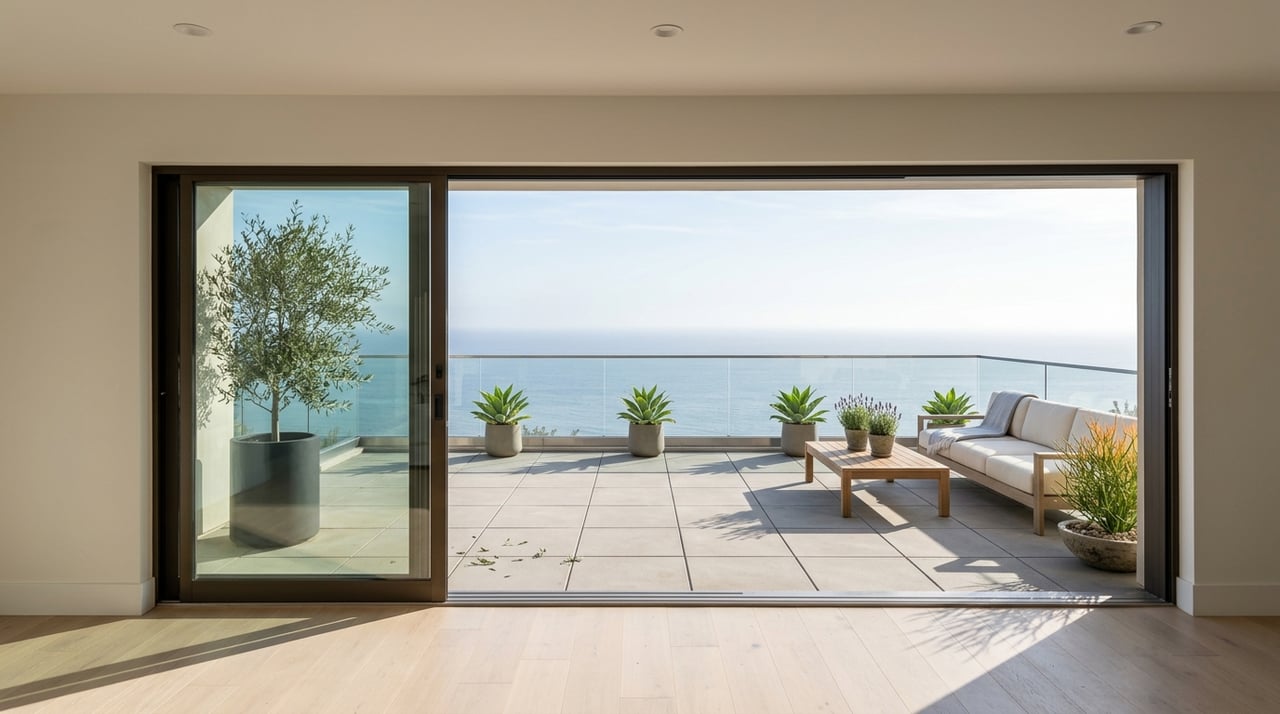
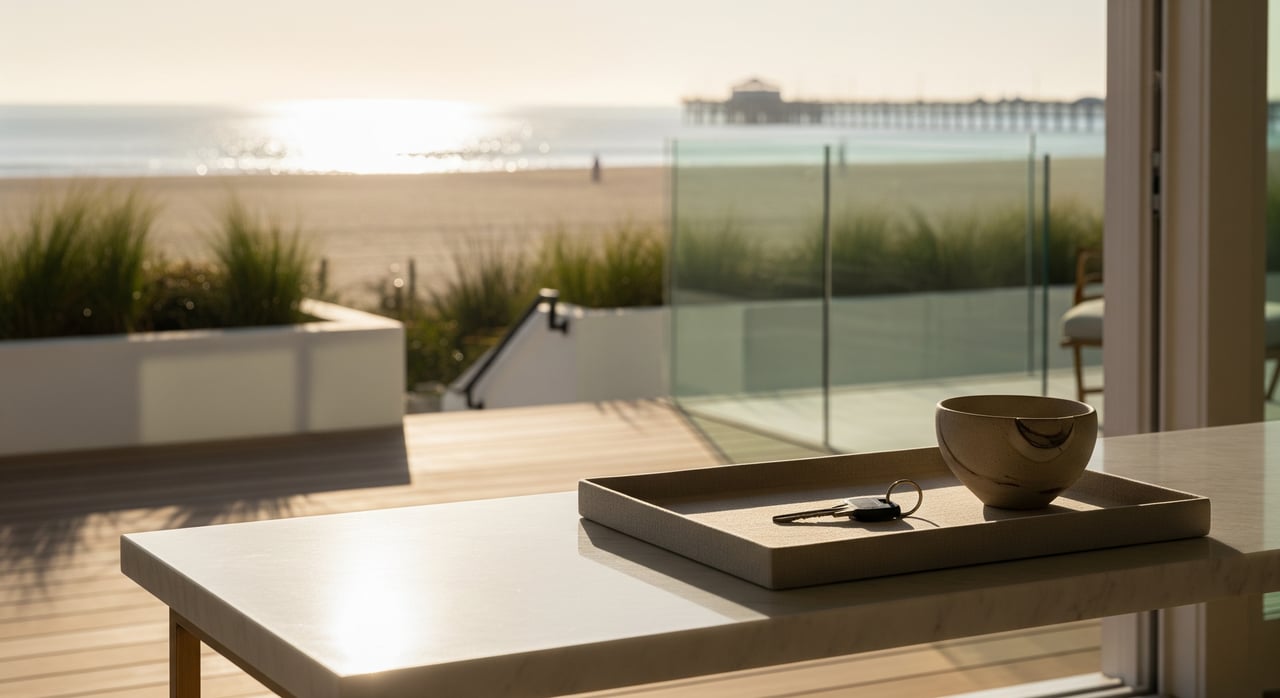
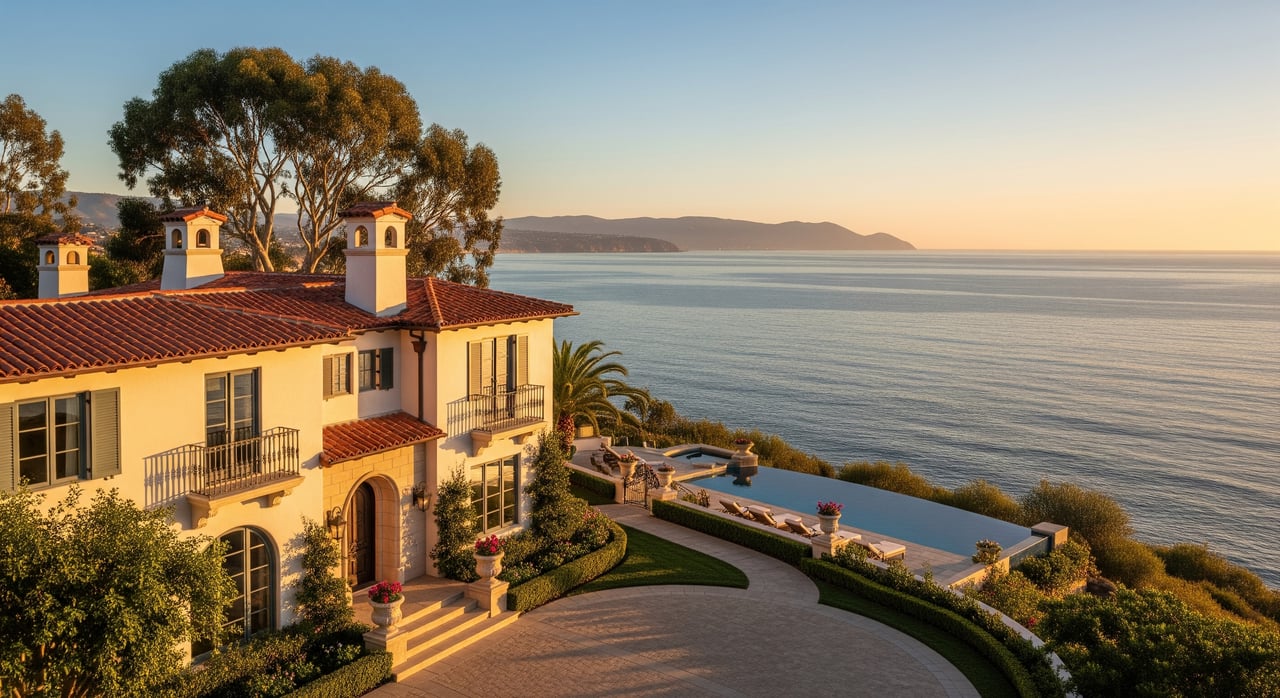
Homes closest to the beach command premium prices per square foot and attract buyers who value walkability and immediate beach access. Spring through early summer can be especially effective because long days and blue skies showcase outdoor living. Summer weekends also bring visitors who may be prospective buyers. Because many Sand Section buyers are focused on location, a dialed-in listing can perform well year-round if pricing and presentation are on point. Use event calendars to avoid first-weekend friction from crowded beach days.
Tree Section: Align with school calendars
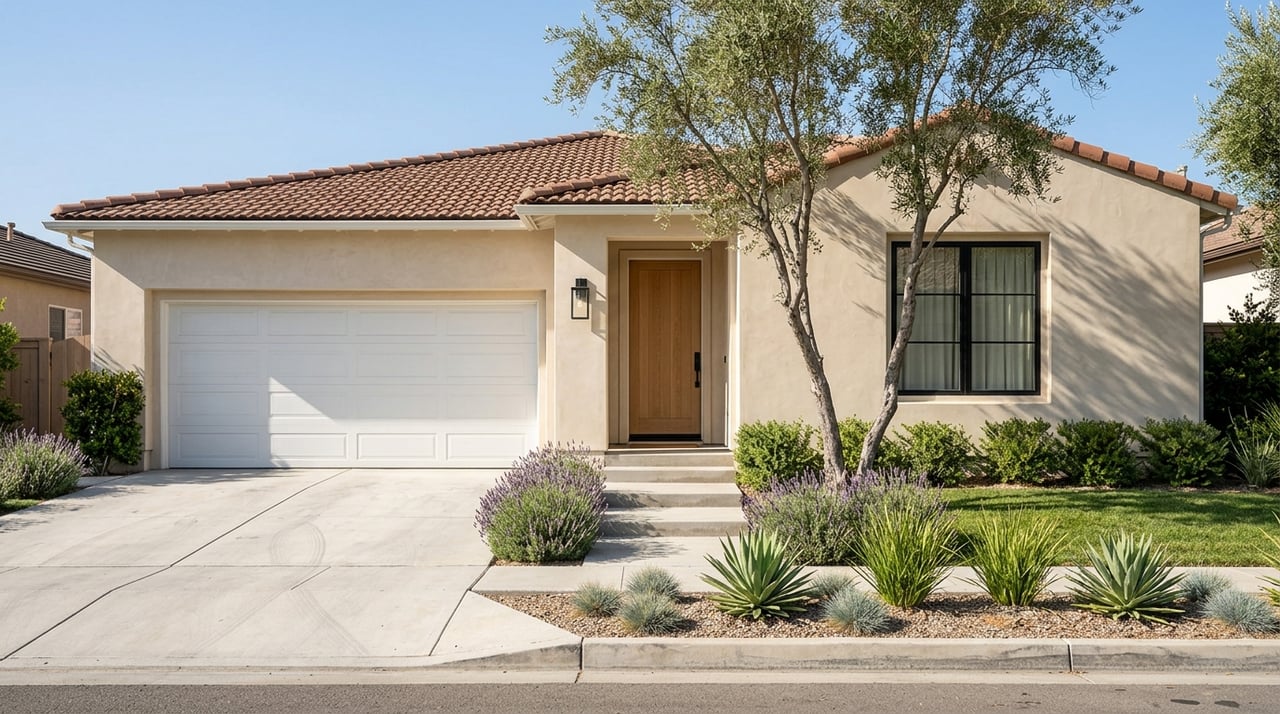
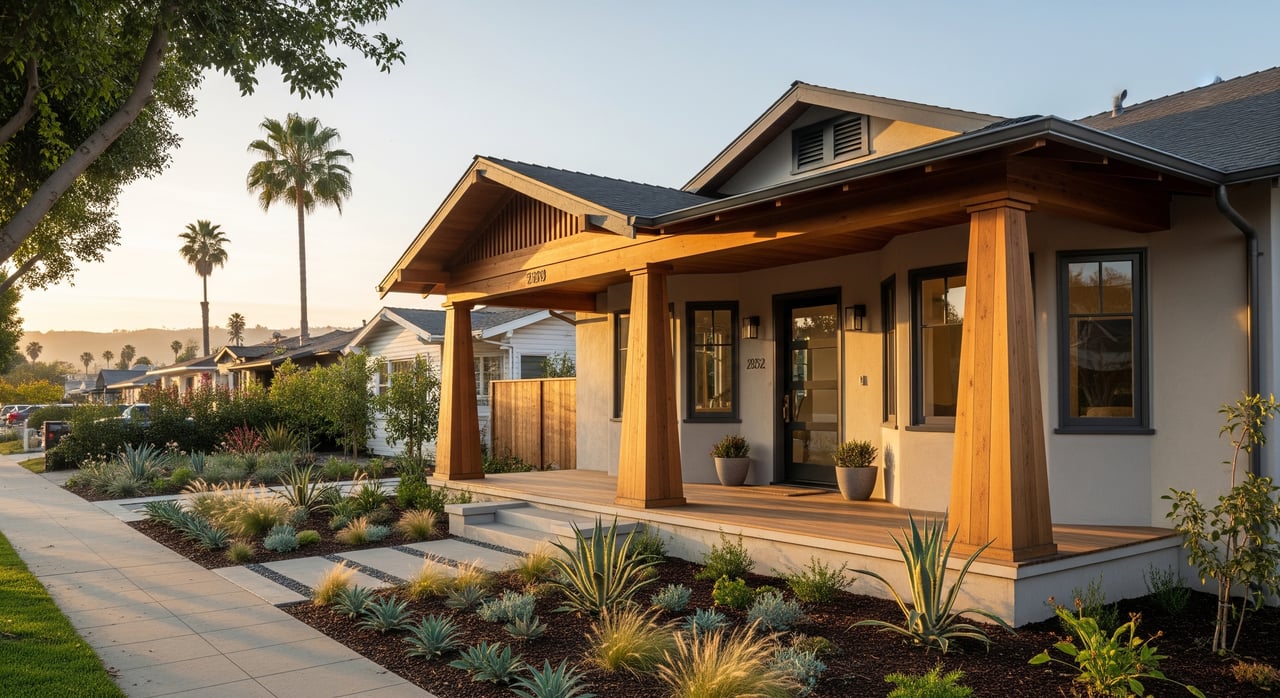
Tree Section homes often sit on slightly larger lots and draw many buyers who plan around the school year. If you want your sale to connect with that group, time your listing for spring so your closing can land in early summer. Extra weekend open houses in April through June can help you meet active buyers who are preparing for a summer move.
Hill Section: Luxury cadence over seasonality
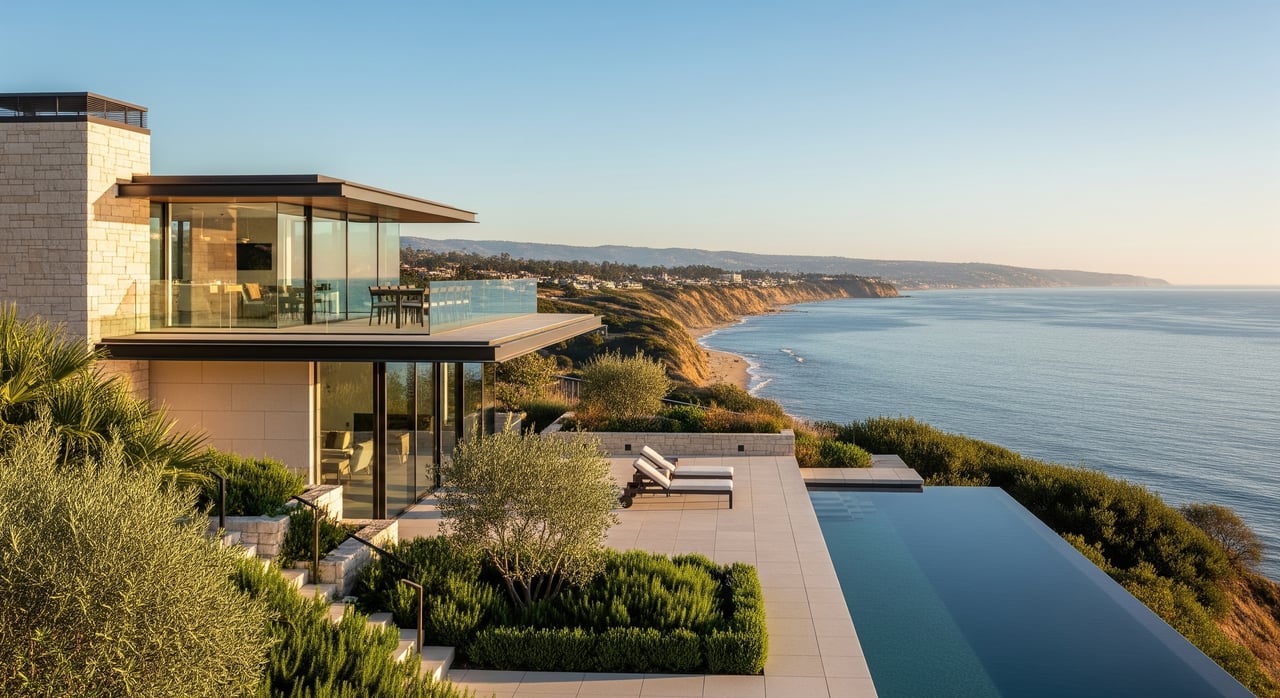
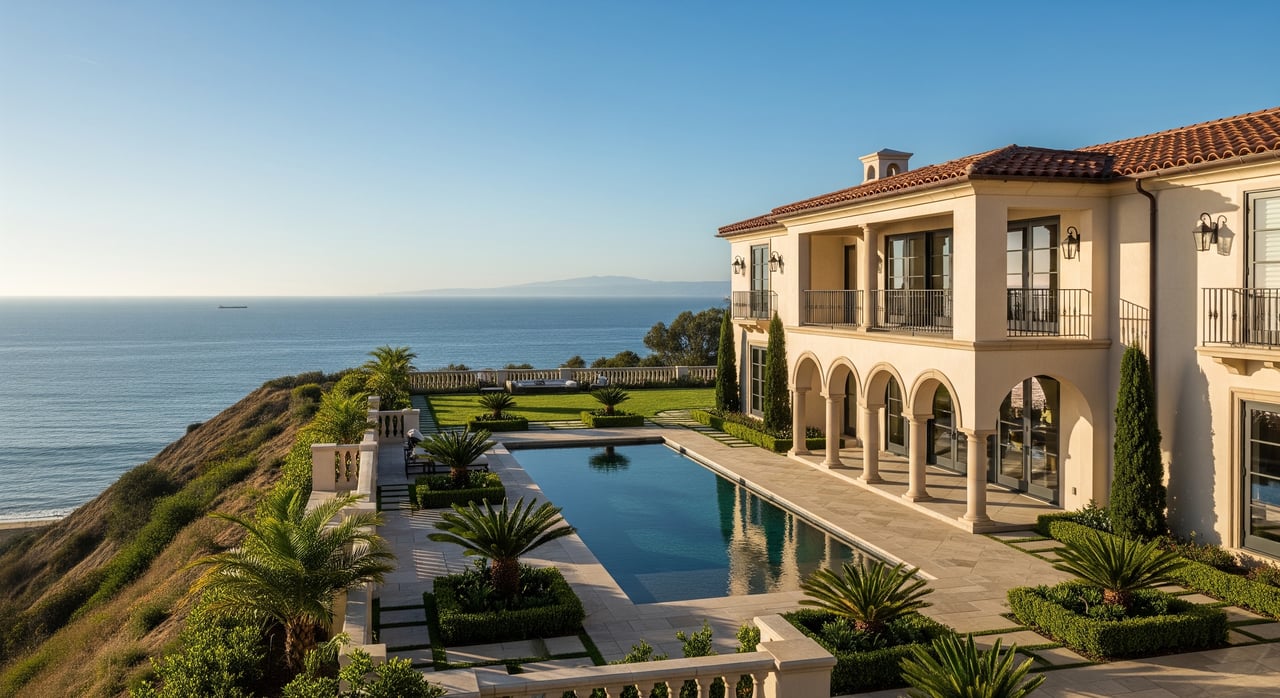
The Hill Section features larger lots, view opportunities, and wider price ranges with fewer annual sales. Seasonality is less pronounced here. A successful plan often centers on accurate pricing, high-quality visuals, targeted outreach, and patient exposure. Private showings, measured follow-up, and selective off-market conversations can be more important than hitting a specific week on the calendar.
Calendars and events to watch
MBUSD school dates that affect closings
To capture school-focused buyers, plan around the district calendar. For example, the Manhattan Beach Unified School District’s approved 2025–26 calendar shows classes ending in mid-June, spring break scheduled for April 6–10, 2026, and the new year starting in late August. If you aim to close before the first day of school, back into your listing date from there. You can review details in the MBUSD district calendar and confirm the current year’s dates.
Major events that change weekend dynamics
Large community and sporting events affect traffic, parking, and showing logistics. Two recurring examples:
- Manhattan Beach Hometown Fair. A popular fall weekend festival that draws crowds and creates local street activity. See dates at the Hometown Fair site.
- The AVP Manhattan Beach Open. A mid-August beach volleyball event that can make showings near the water more complex. Check the AVP event guide for timing.
It is smart to check the official city event listings for road closures and schedules before picking your first open house date. You can reference the City of Manhattan Beach events calendar for updates and plan accordingly.
A simple plan to hit your window
Use this neighborhood-aware, week-by-week outline to prepare without rushing.
T-60 to T-90 days: Foundation and strategy
- Order disclosures and schedule pre-list inspections to reduce surprises.
- Confirm permits and gather HOA documents if applicable.
- Request a 30 to 90 day CMA focused on recent neighborhood comps for your product and price band.
- Set your target list week within your ideal window and block out any conflicting city or beach events.
T-30 to T-45 days: Presentation and media
- Book professional photography, floor plans, and drone for view or coastal proximity.
- Schedule a staging consultation and start light repairs, paint touch-ups, and exterior refresh.
- Draft your listing copy and confirm your media assets align with your timing story, such as sunset photos for Sand Section homes or view lines for the Hill Section.
T-14 to T-21 days: Final edits and pricing
- Review the latest comps and adjust your list price strategy if needed.
- Create a clear showing plan that accounts for parking and event weekends.
- Prepare a buyer-friendly disclosure packet and highlight recent improvements.
Launch week: Maximize first-week momentum
- Go live on a Thursday morning to capture weekend traffic.
- Host the first open house that weekend and offer flexible private showings.
- Collect feedback daily and be prepared to adjust within the first 10 to 14 days.
Off-season strategy that still wins
Listing in fall or winter can work to your advantage when competition is lower. Focus on crisp visuals, warm lighting, and strong copy that spotlights what buyers can enjoy right now, such as indoor-outdoor spaces with heaters or upgraded kitchens that make entertaining easy. Tight pricing and targeted outreach replace wide seasonal demand, so make it easy for serious buyers to act.
Common pitfalls to avoid
- Overweighting one month of data in a low-volume city. Use 3 to 6 month trends and neighborhood comps.
- Ignoring the school or event calendar. Do a quick check before you pick media days and open houses.
- Launching on a weekend or late Friday. Mid-week, especially Thursday mornings, tends to work better.
- Skipping pre-list prep. A few weeks of repairs, staging, and focused media can change your result.
- Being rigid on showings in week one. Early access drives stronger offers and faster decisions.
The bottom line
The spring window in Manhattan Beach is your most reliable path to broad buyer interest, but your exact timing should match your home, section, and goals. If you want to close before school starts, work backward from late August. If you are in the Sand or Hill Sections, tailor your plan to lifestyle visuals and luxury cadence rather than a single week on the calendar. A thoughtful prep timeline, a Thursday launch, and a neighborhood-specific strategy can help you capture the attention your home deserves.
If you would like a tailored timing plan, a neighborhood CMA, and a media calendar built around your goals, reach out to the Mackenbach Group for a private consultation.
FAQs
What is the best month to list a Manhattan Beach home?
- Spring is the most dependable season, with many sellers targeting late March to mid-May for strong buyer activity and favorable first-week momentum.
How do Manhattan Beach school dates affect selling timing?
- Many buyers try to move during summer break, so listing in March through May helps you close by early August; confirm current dates on the MBUSD calendar.
Should I avoid listing during major Manhattan Beach events?
- Large events can reduce parking and complicate showings, so avoid scheduling your first open house during those weekends or provide clear showing instructions and off-hour tours.
Do Sand, Tree, and Hill Sections follow the same seasonality?
- Not exactly; Tree Section timing often tracks the school calendar, Sand Section listings benefit from spring and early summer visuals, and Hill Section luxury sales depend more on targeted outreach than seasonality.
Does listing on a Thursday really matter in Manhattan Beach?
- It helps; a Thursday morning launch captures weekend buyer traffic, which can lead to faster showings and better first-week engagement.