Wondering why so many homes in Palos Verdes Estates share that unmistakable mix of red tile, stucco, and graceful arches? If you are buying, selling, or remodeling in PVE, understanding Spanish Revival is more than a design lesson. It helps you make sense of the city’s identity, what buyers respond to, and what ownership can involve. Let’s dive in.
Why Spanish Revival matters in PVE
Spanish Revival is not just a popular look in Palos Verdes Estates. It is woven into the city’s story. According to the city, the first Spanish-style homes began appearing in the early 1920s, and landmark places like Malaga Cove Plaza and La Venta Inn helped establish the area’s Mediterranean and Spanish character early on.
That history still shapes how people experience PVE today. The city notes that Spanish Revival remains the most prevalent architectural style in Palos Verdes Estates. In other words, when you picture the classic PVE streetscape, you are often picturing this style.
There is also a planning reason behind that consistency. Palos Verdes Estates was laid out as a planned community, with 28% of the land dedicated to permanent open space. That original vision, paired with early Spanish-style architecture, created a strong sense of place that continues to influence how homes look and how the community is managed.
What Spanish Revival looks like
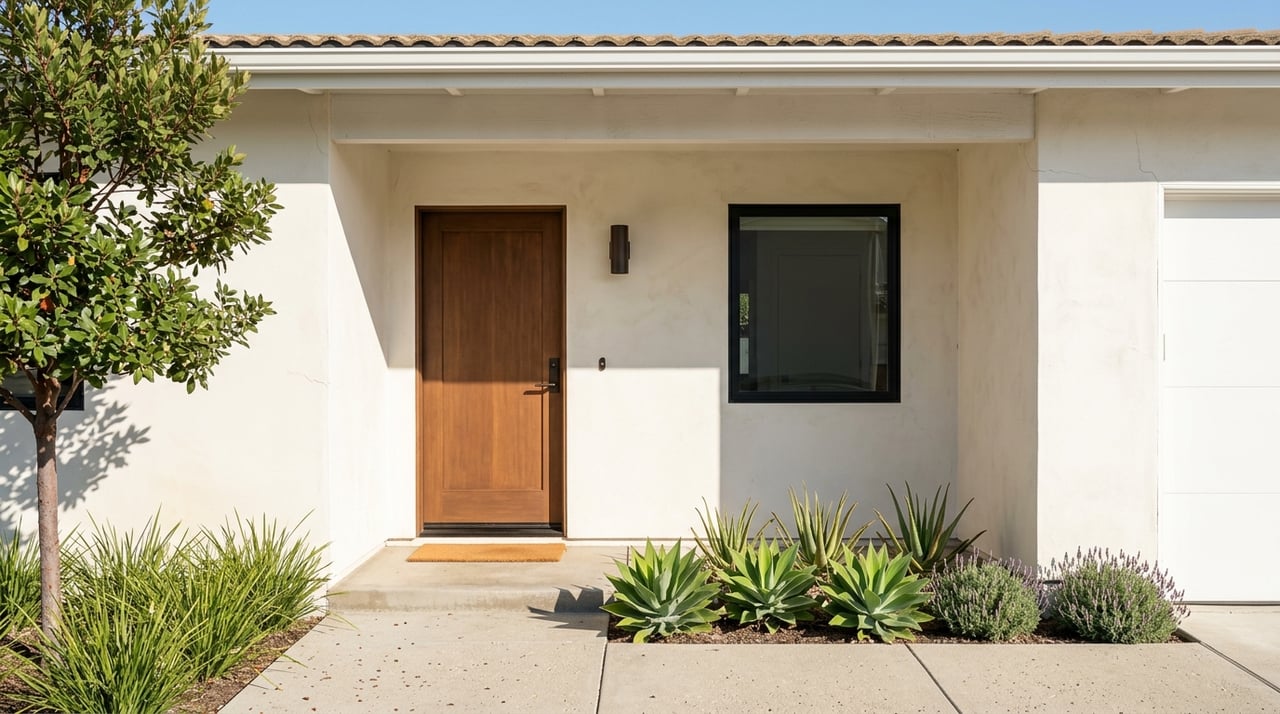
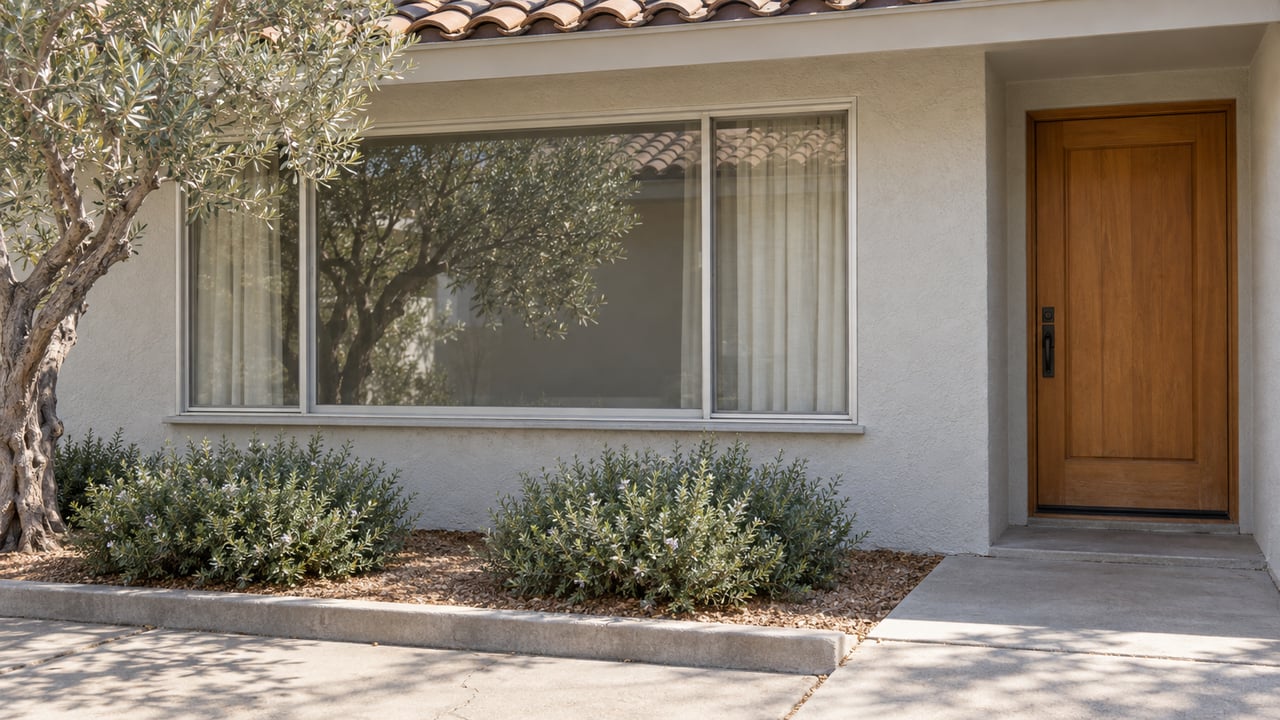
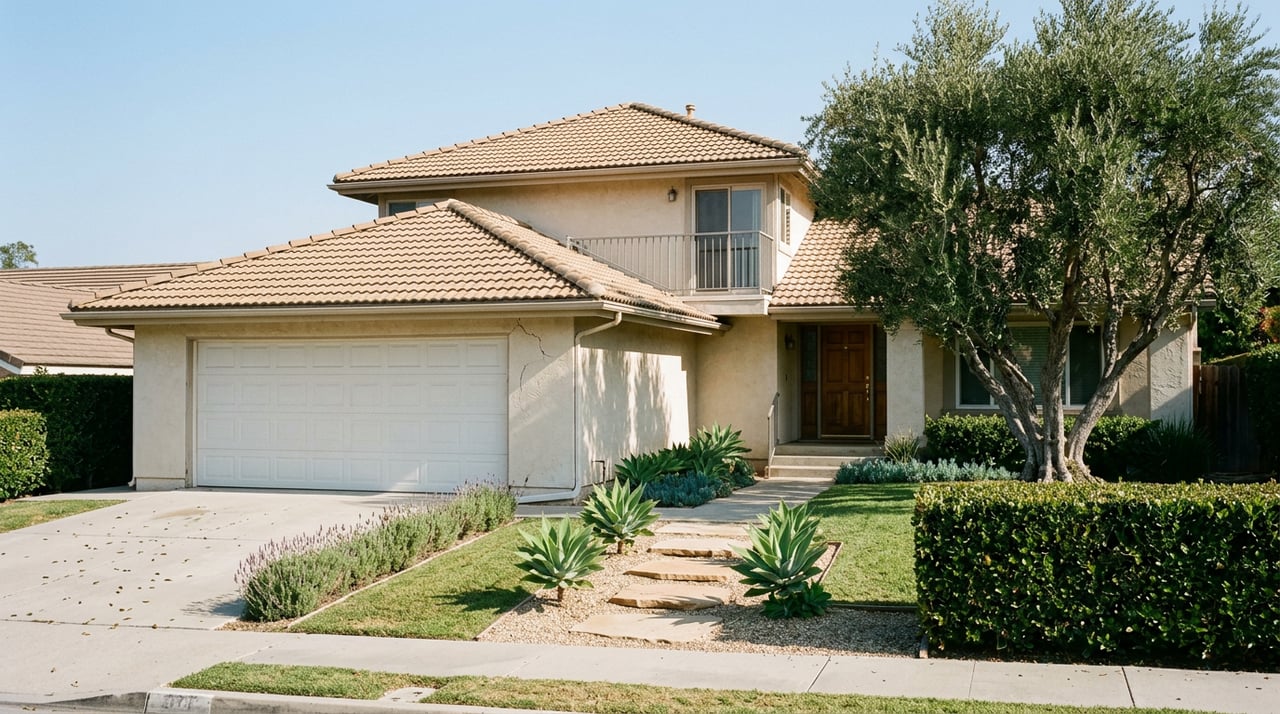
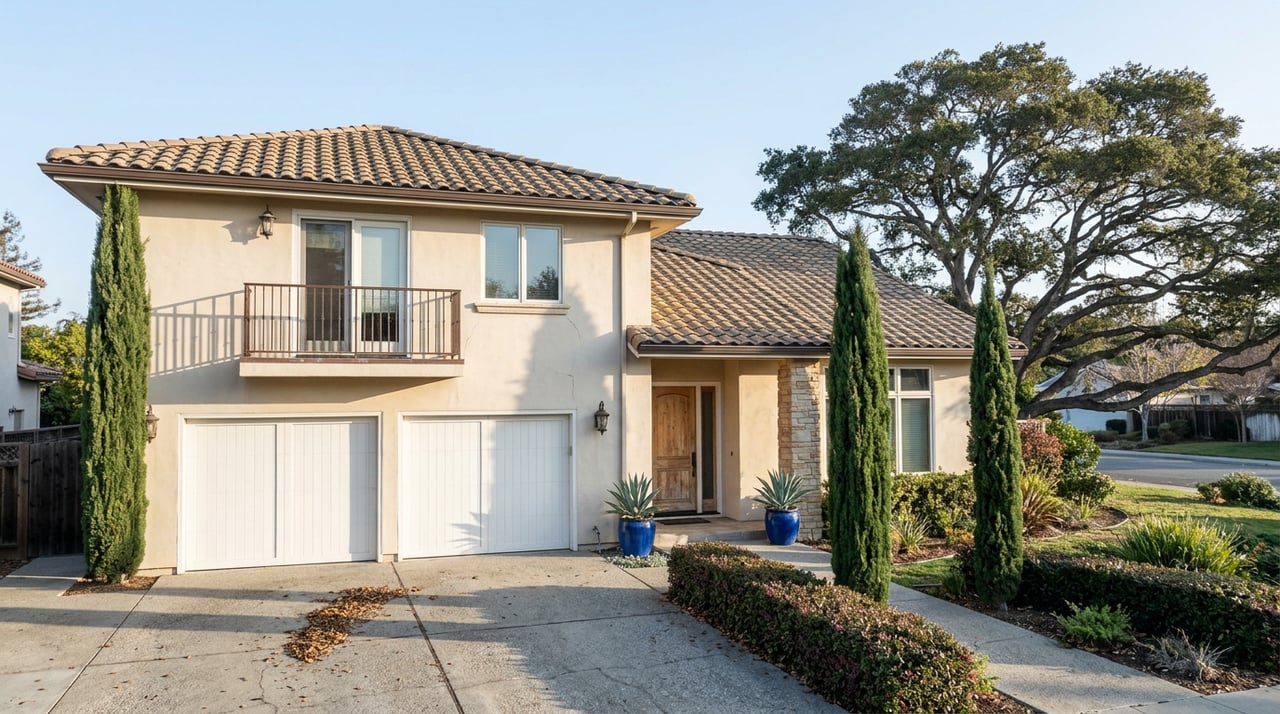
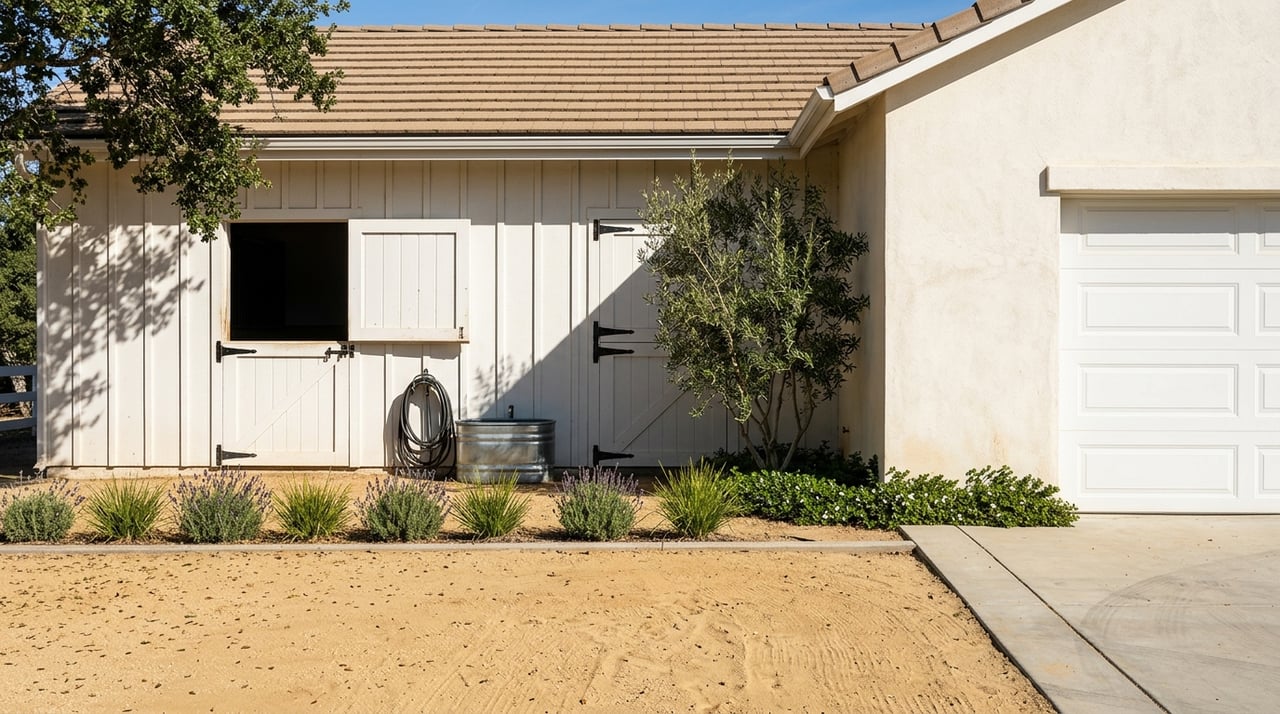
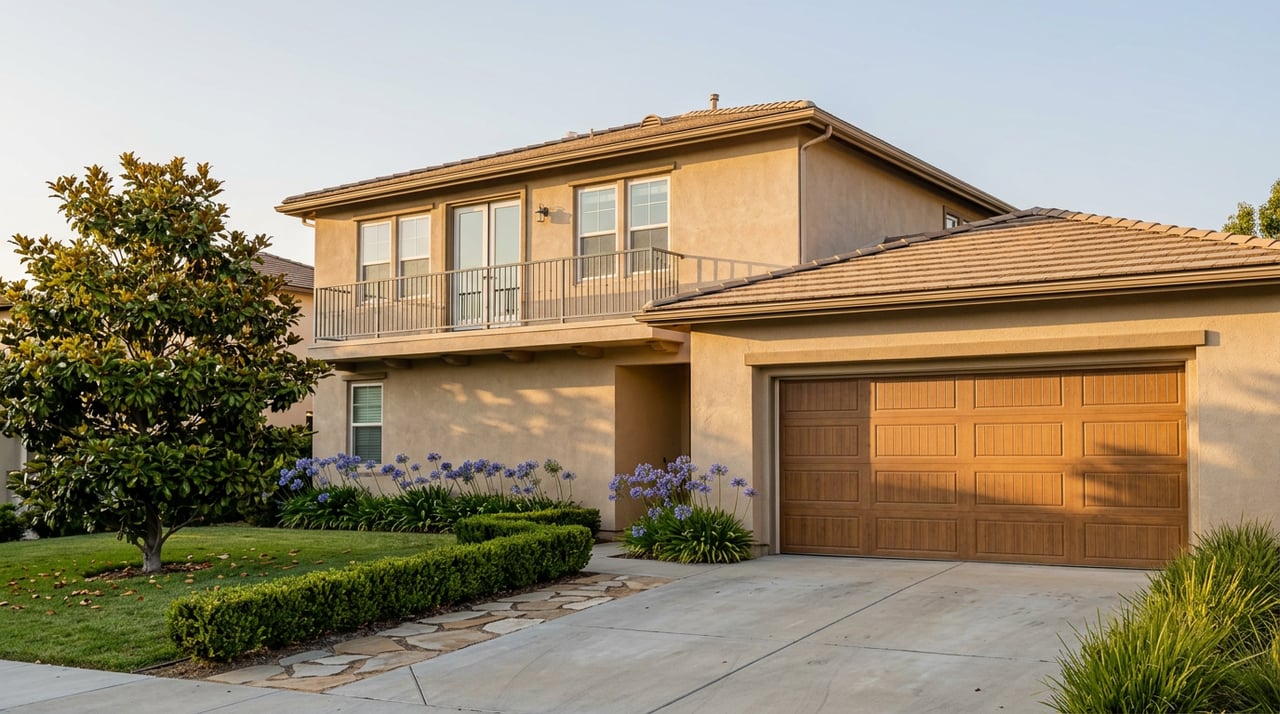
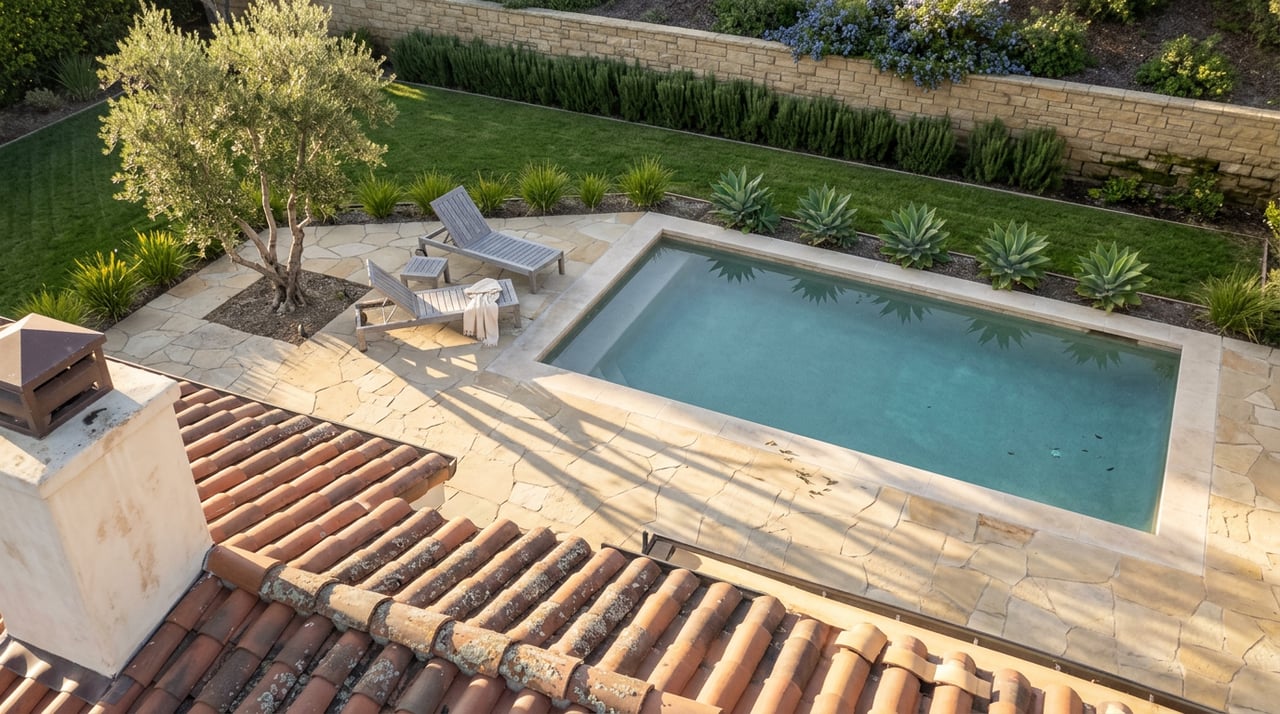
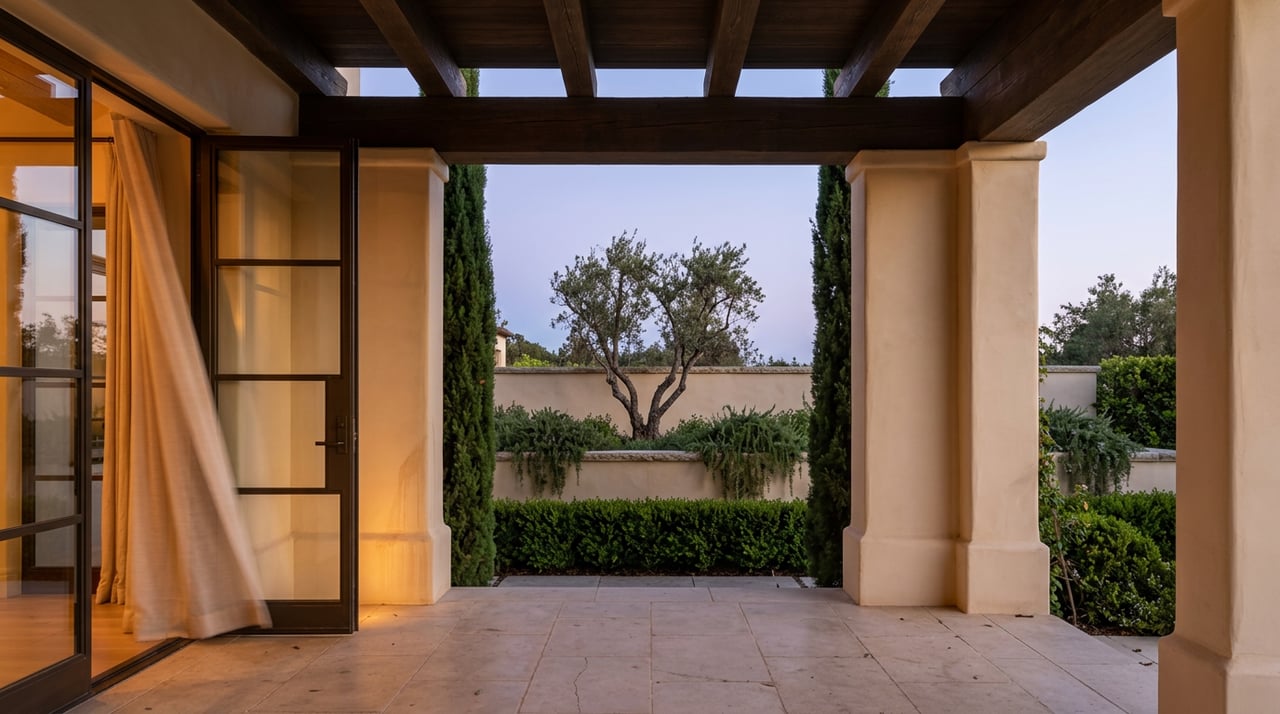
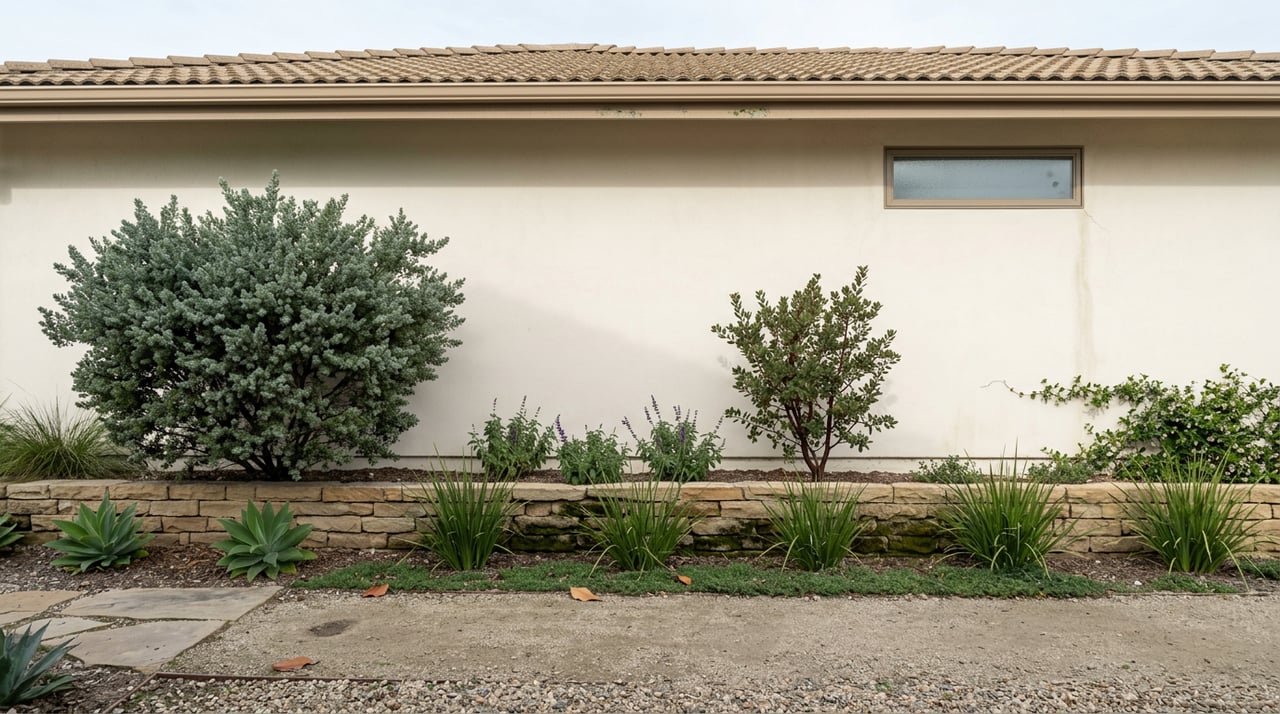
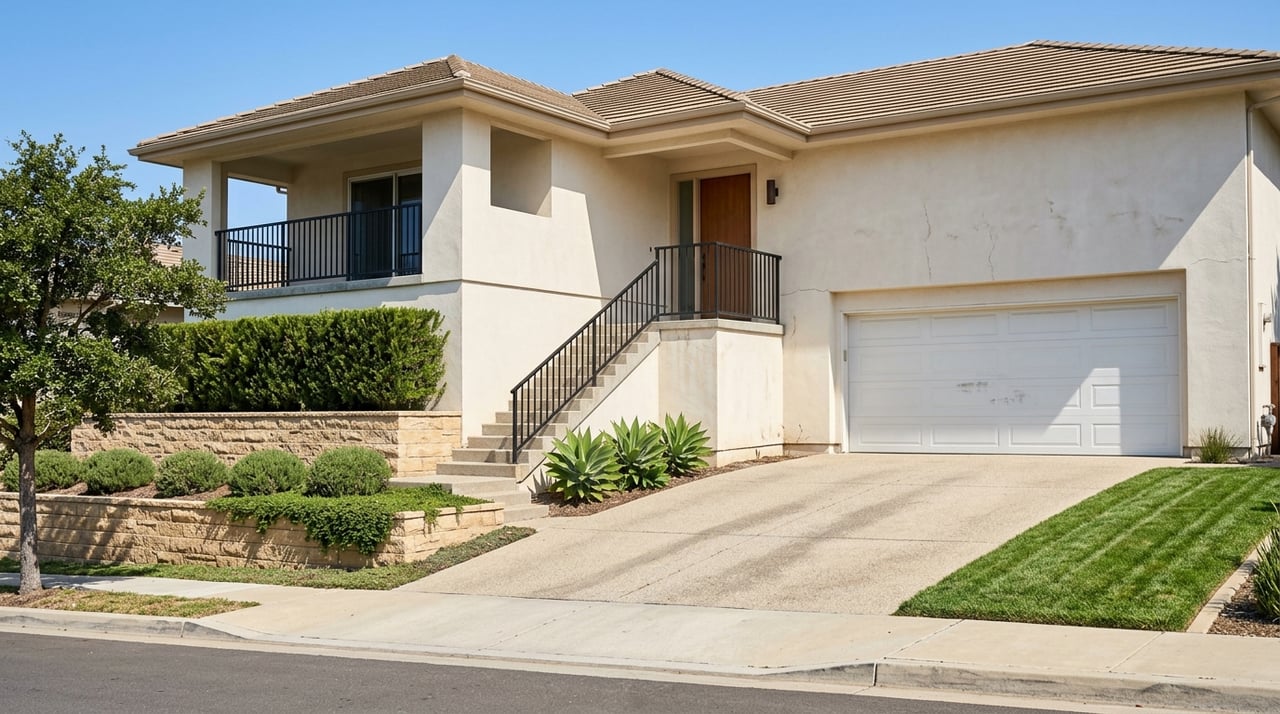
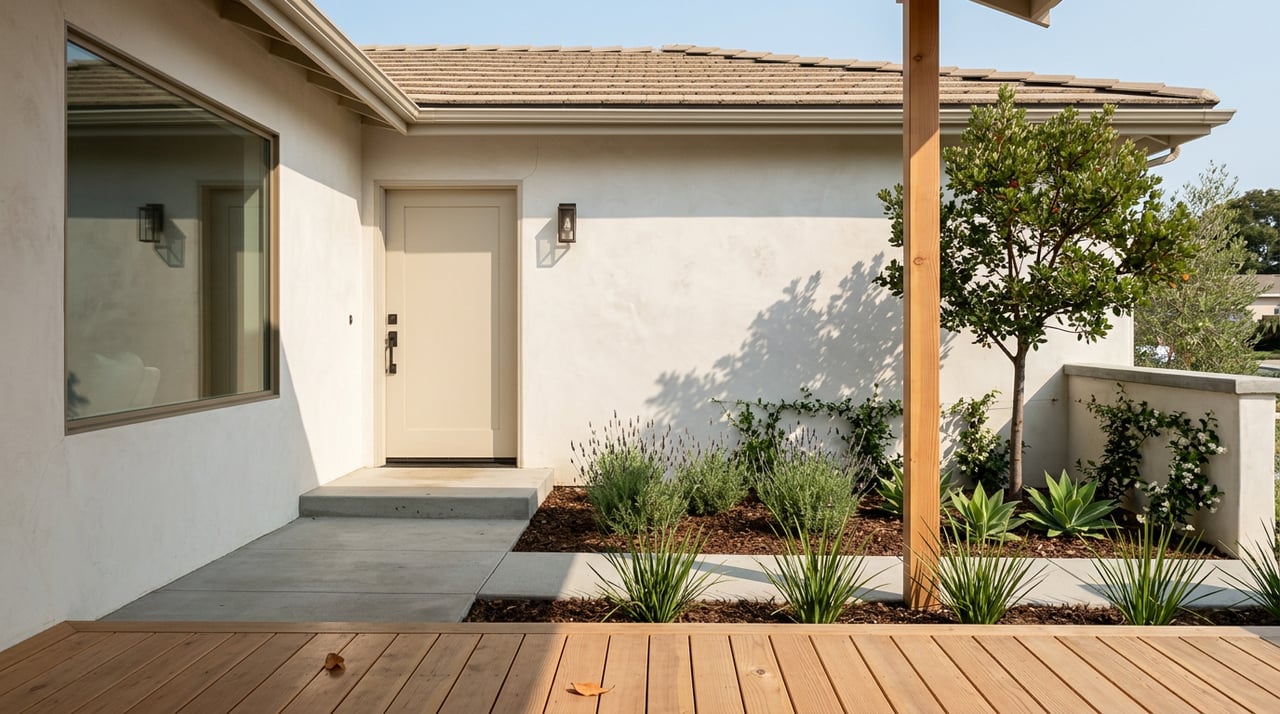
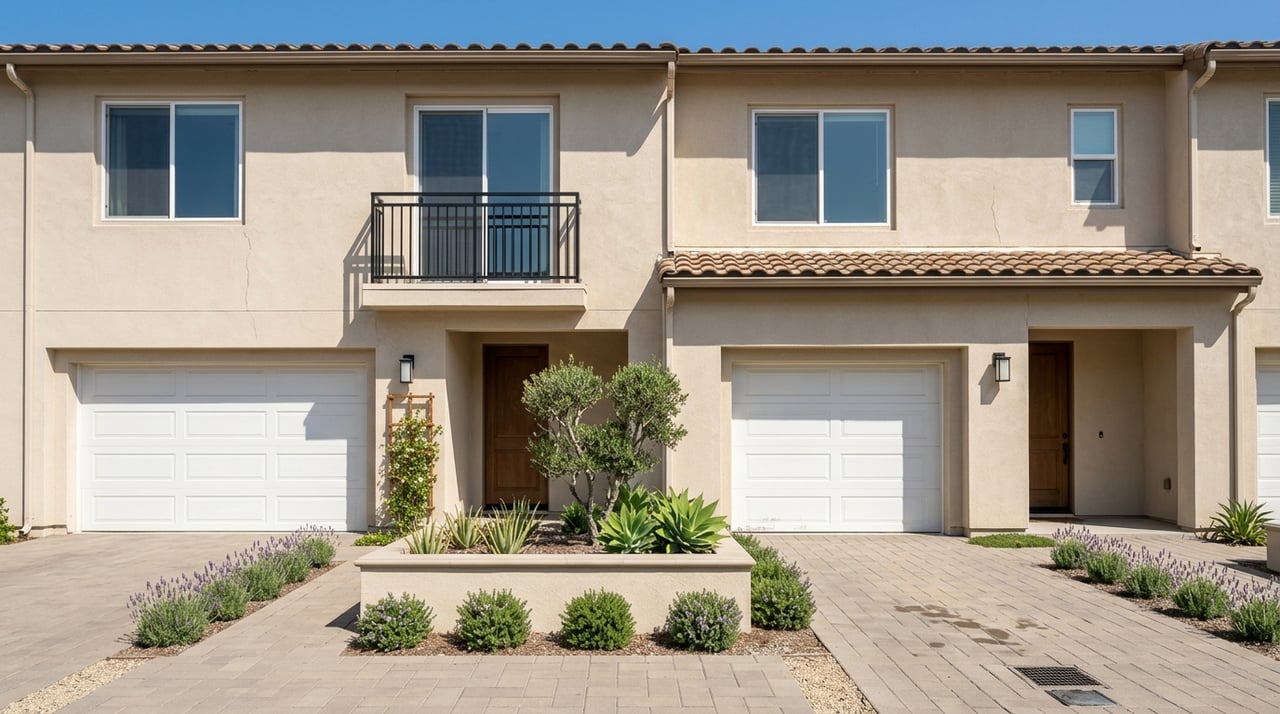
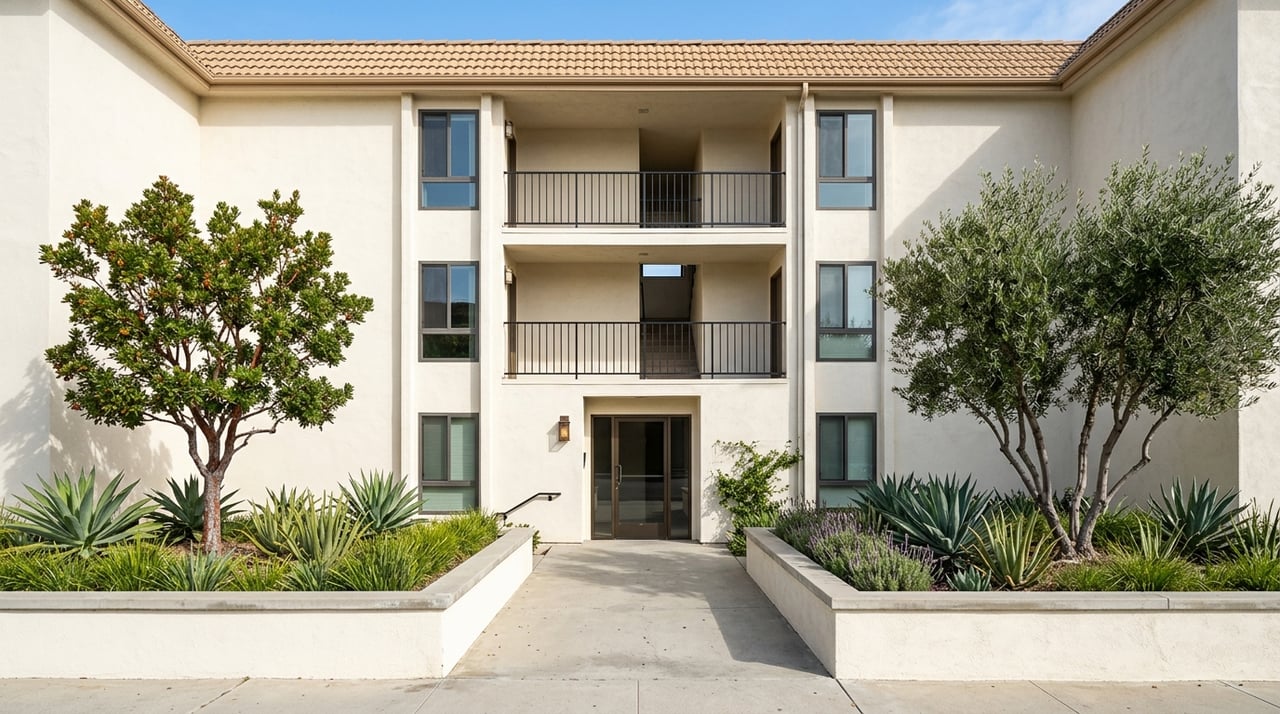
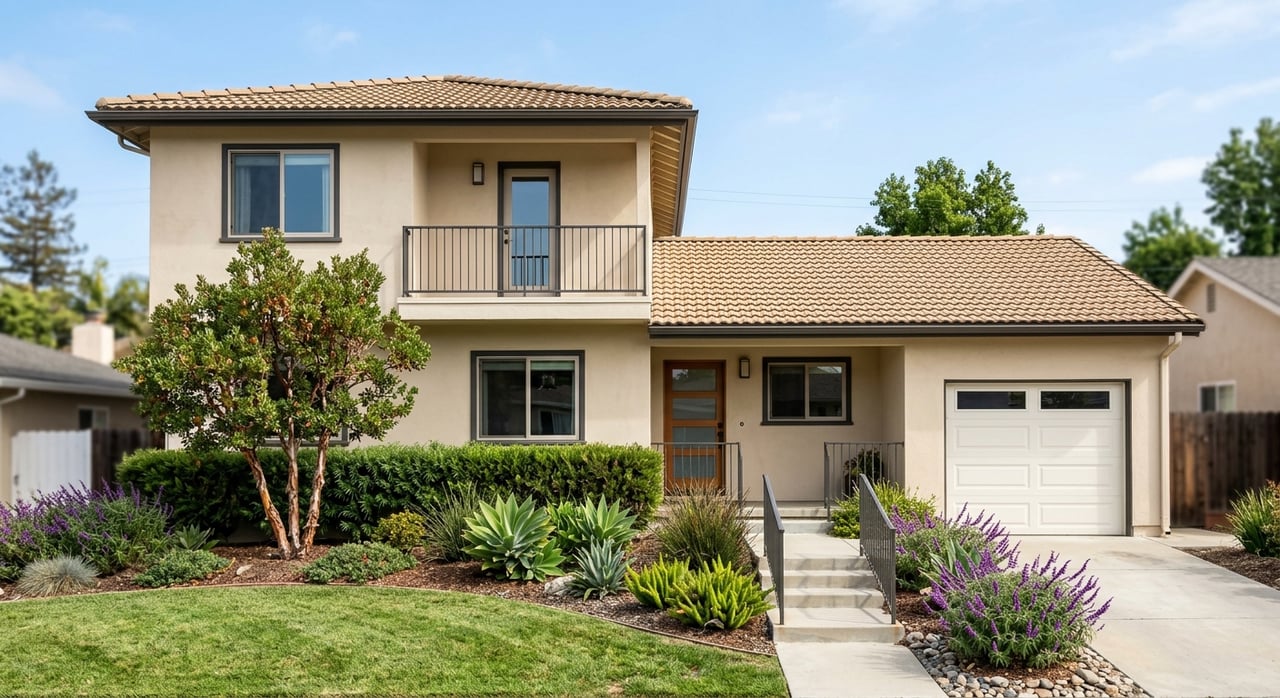
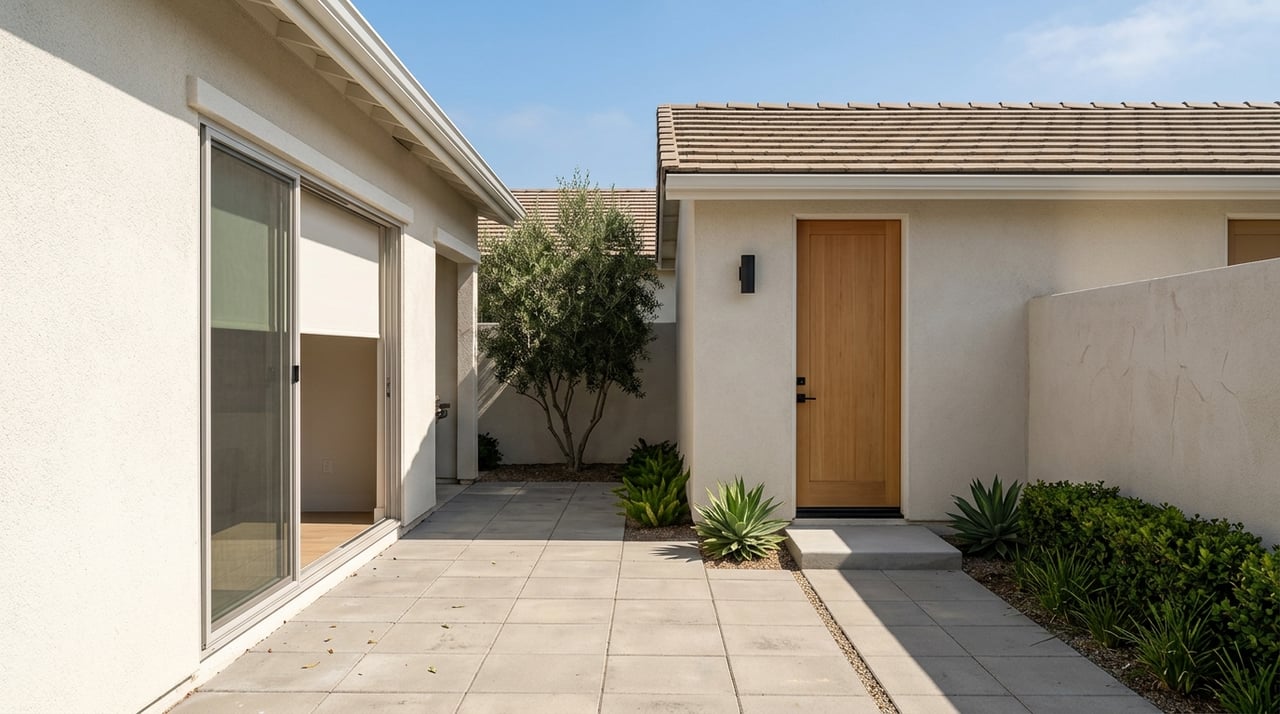
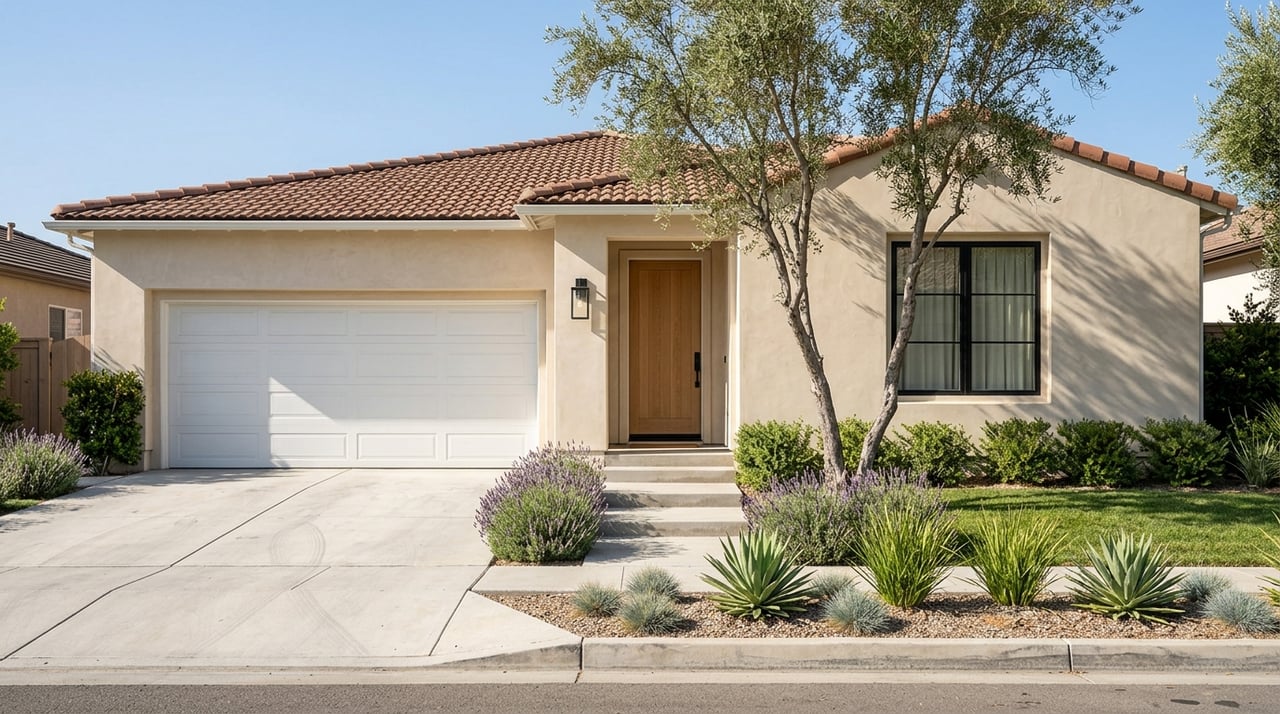
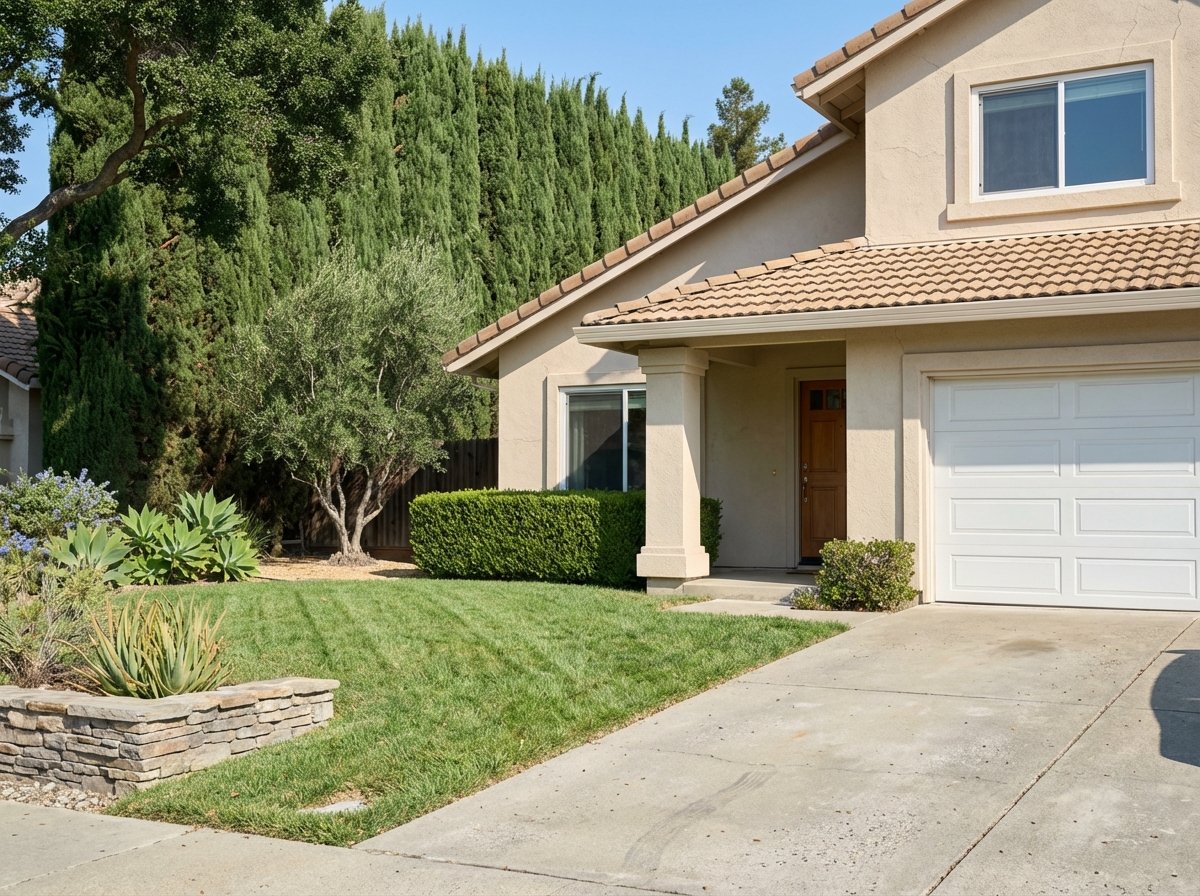
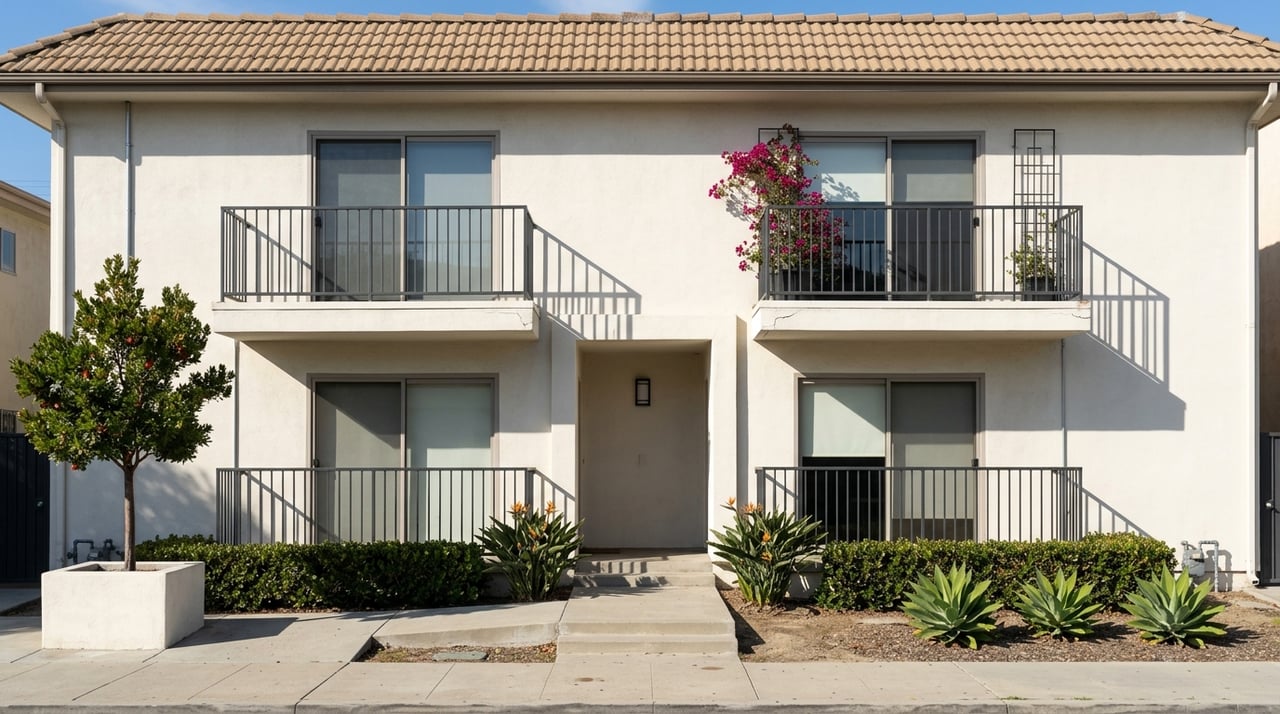
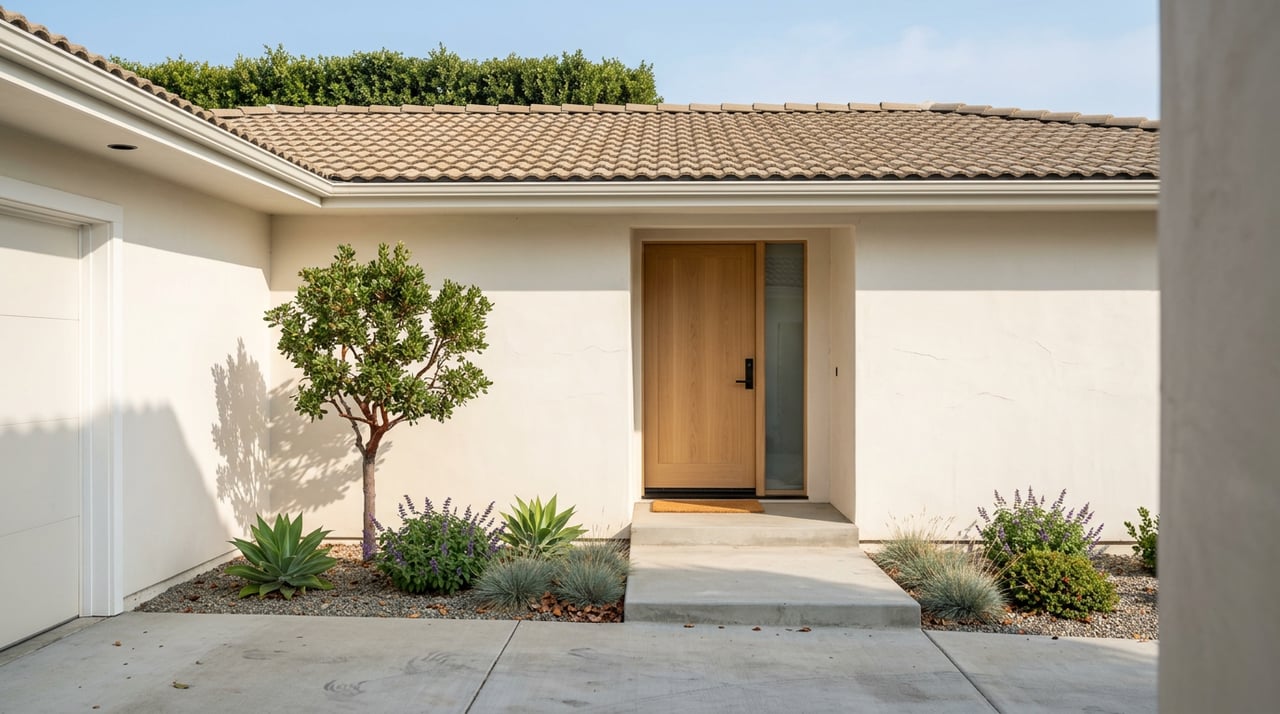
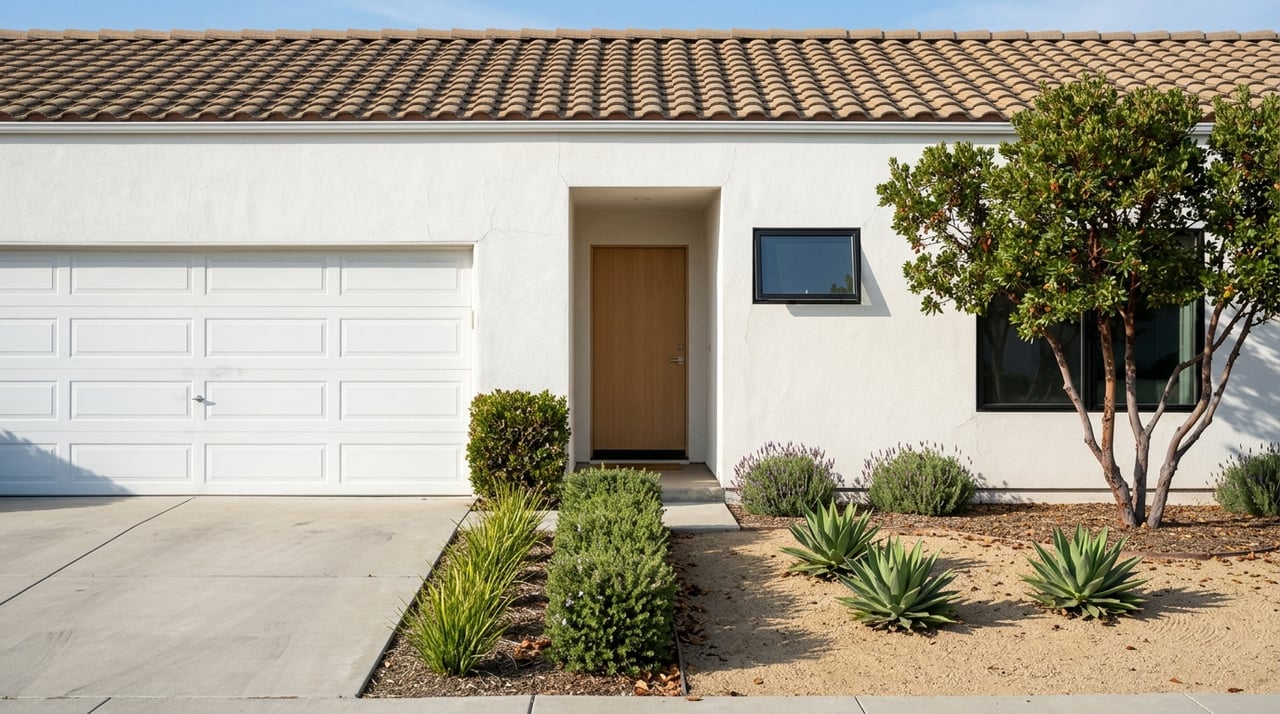
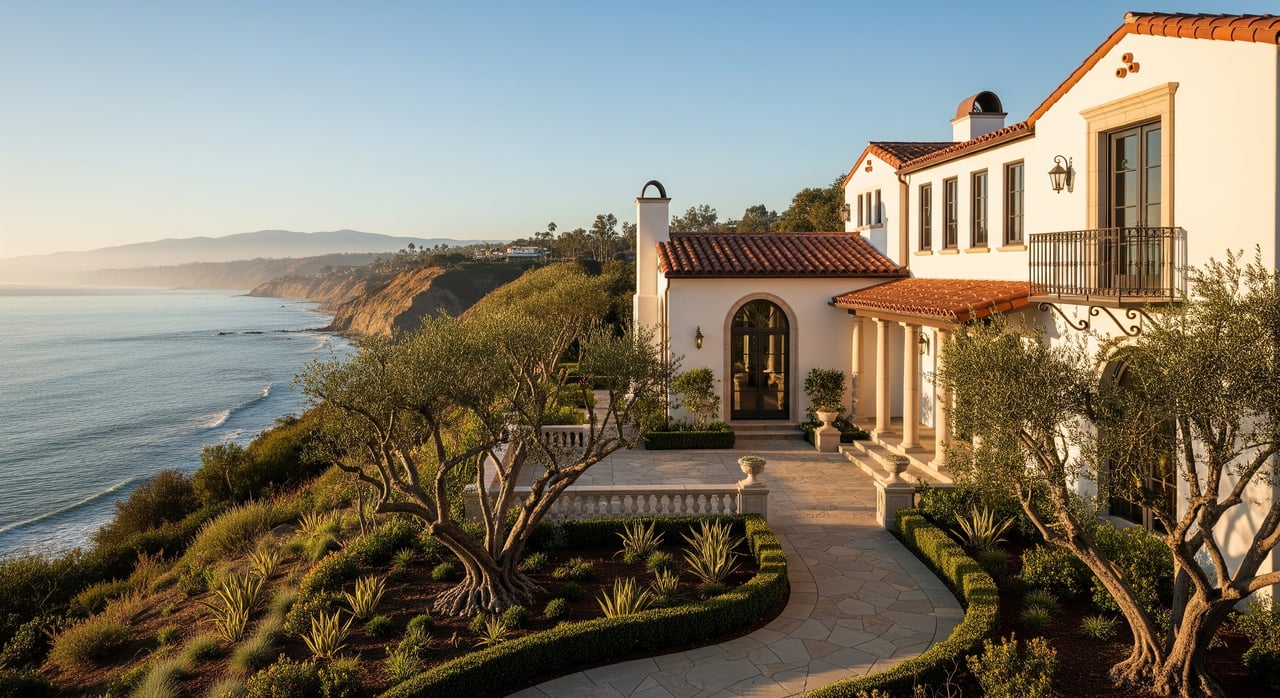
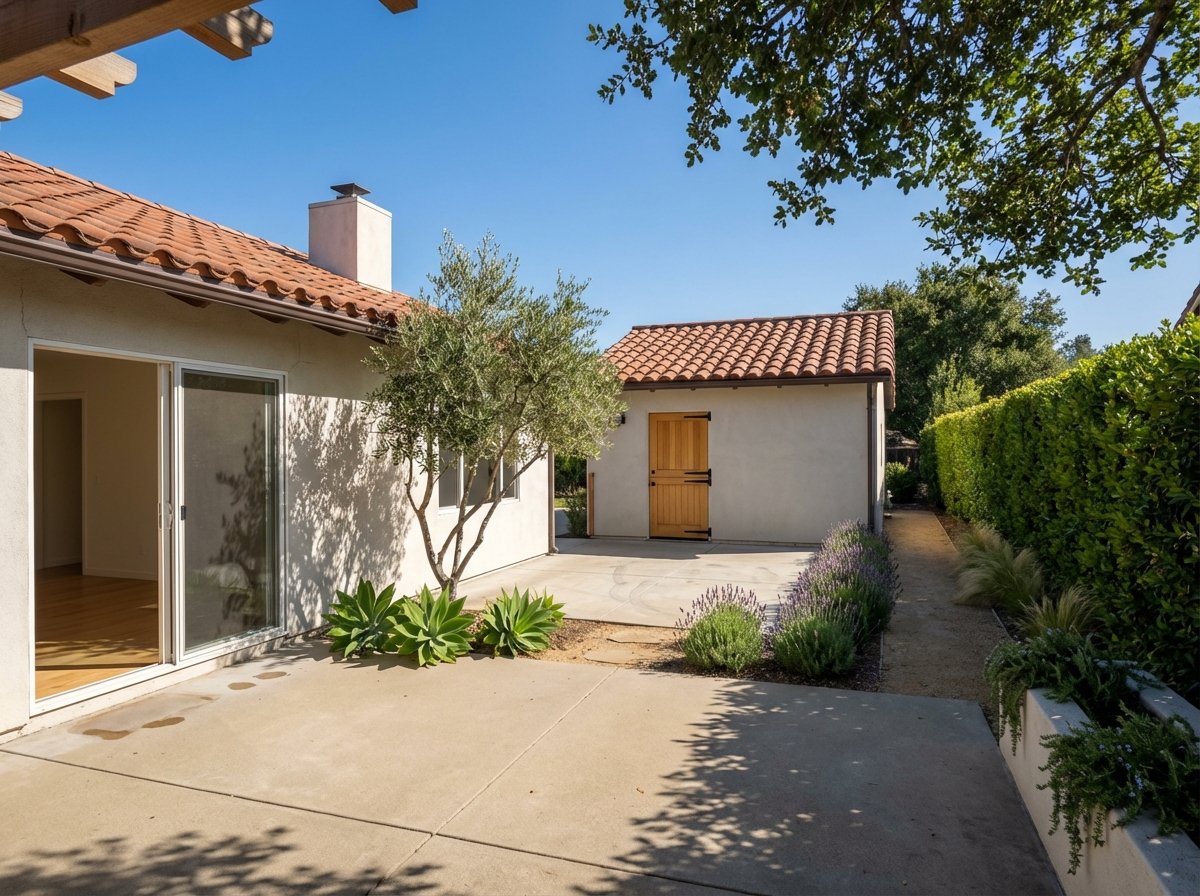
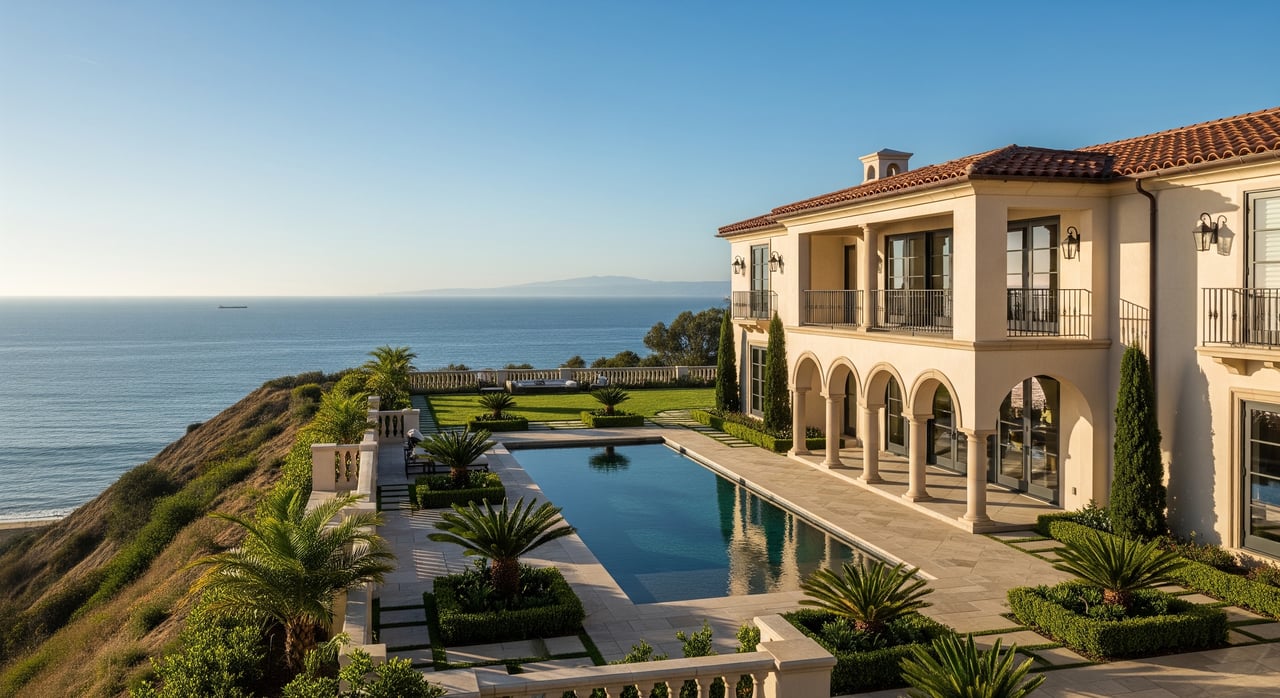
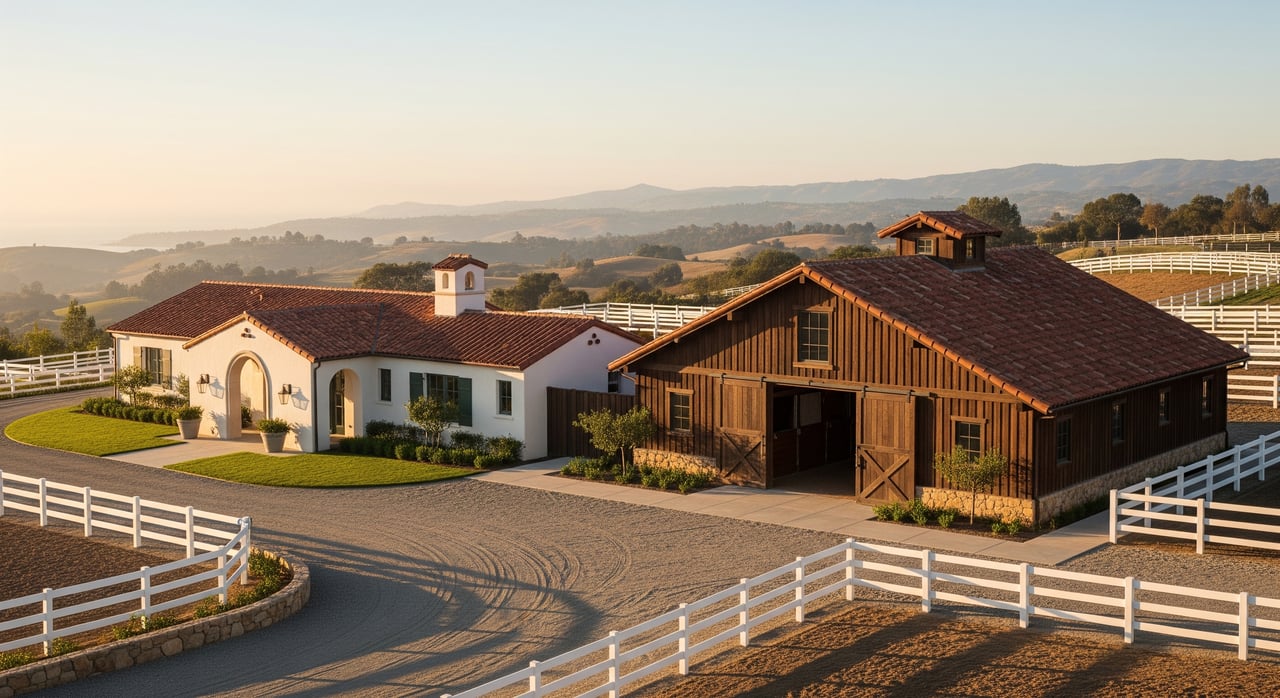
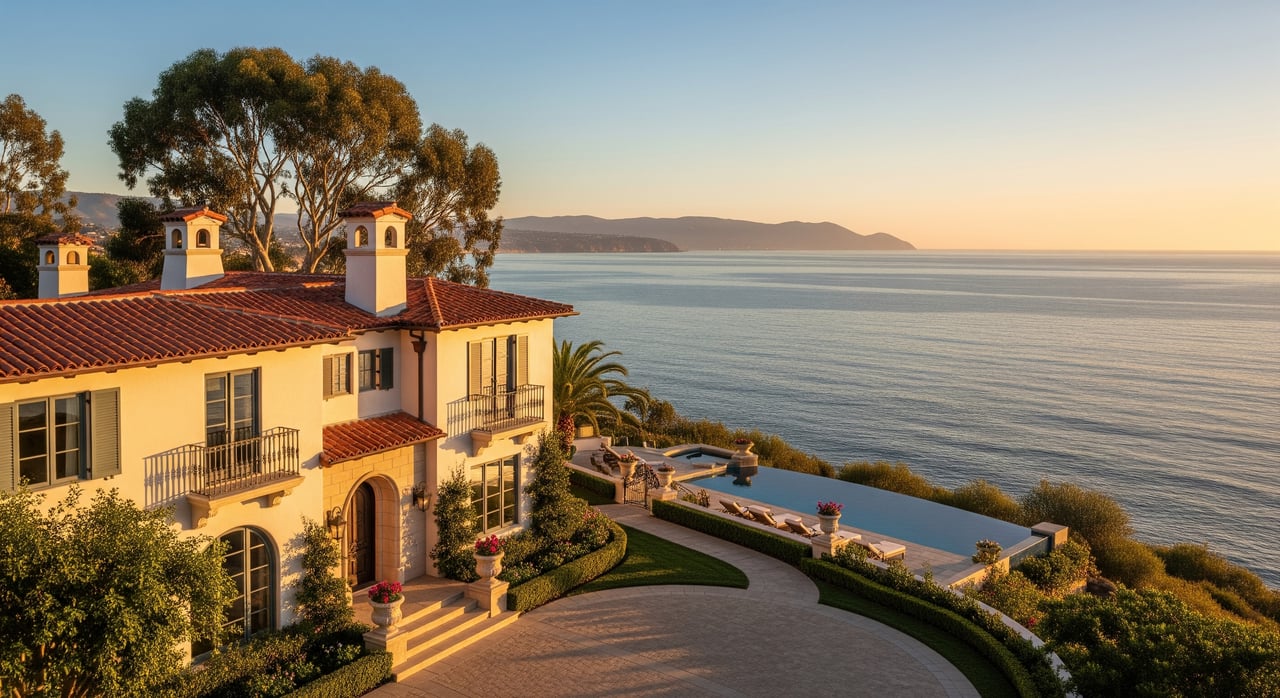
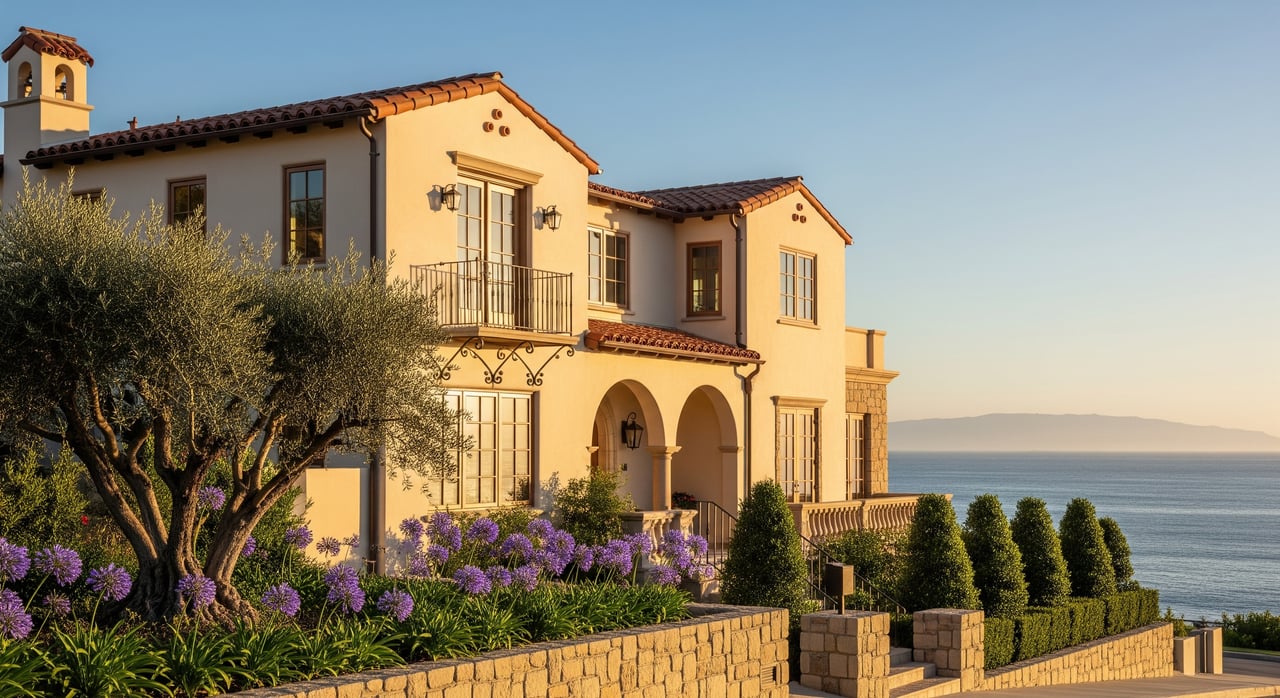
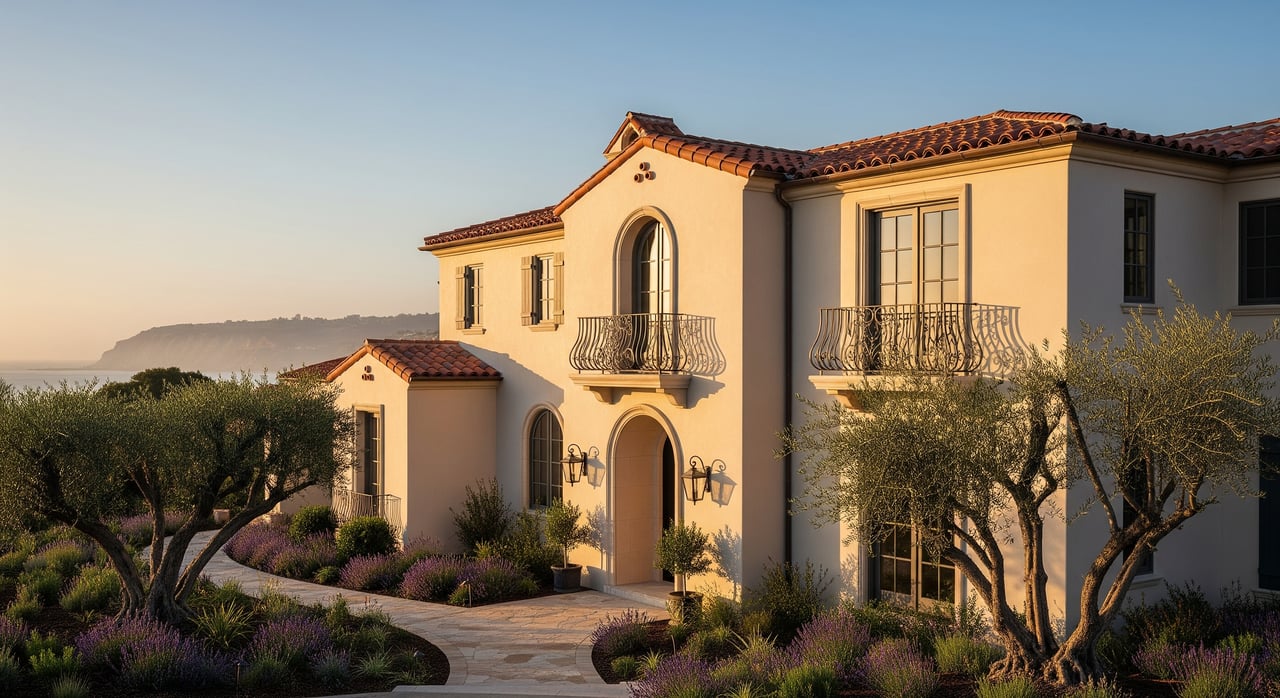
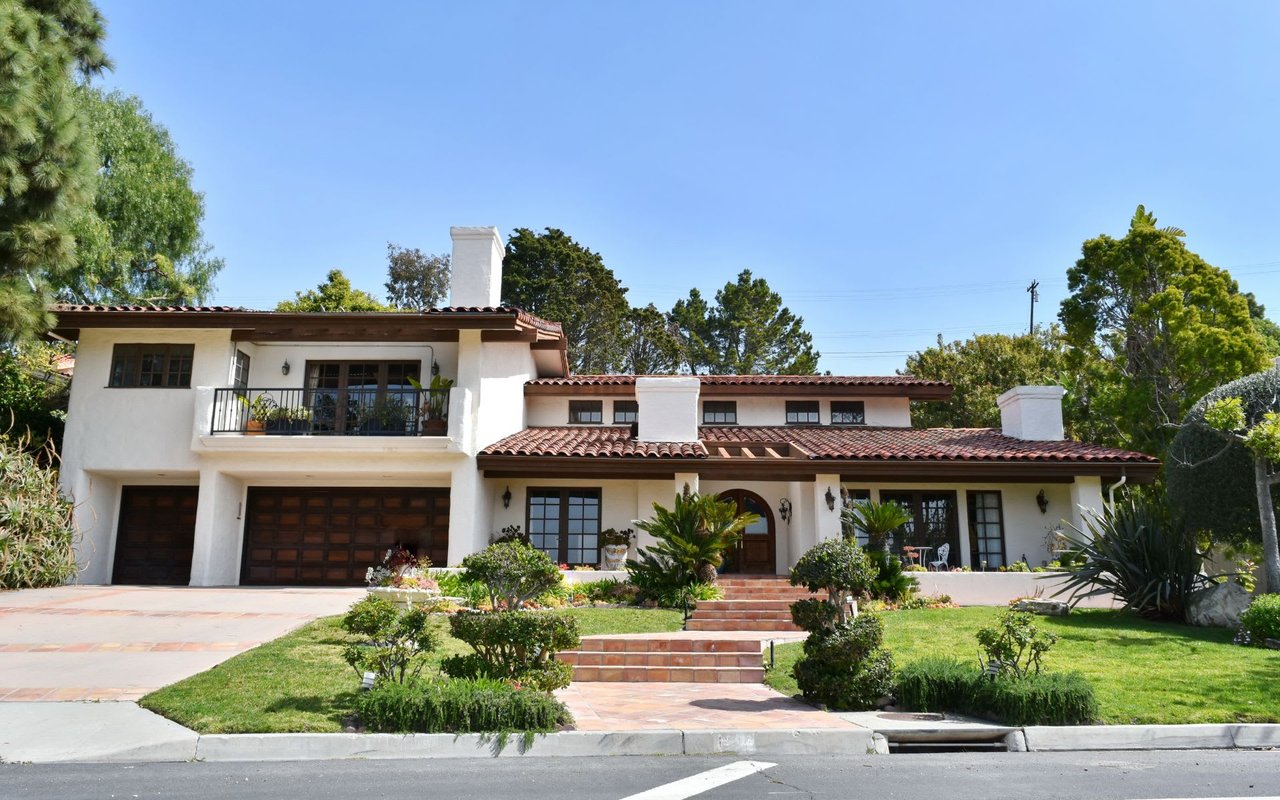
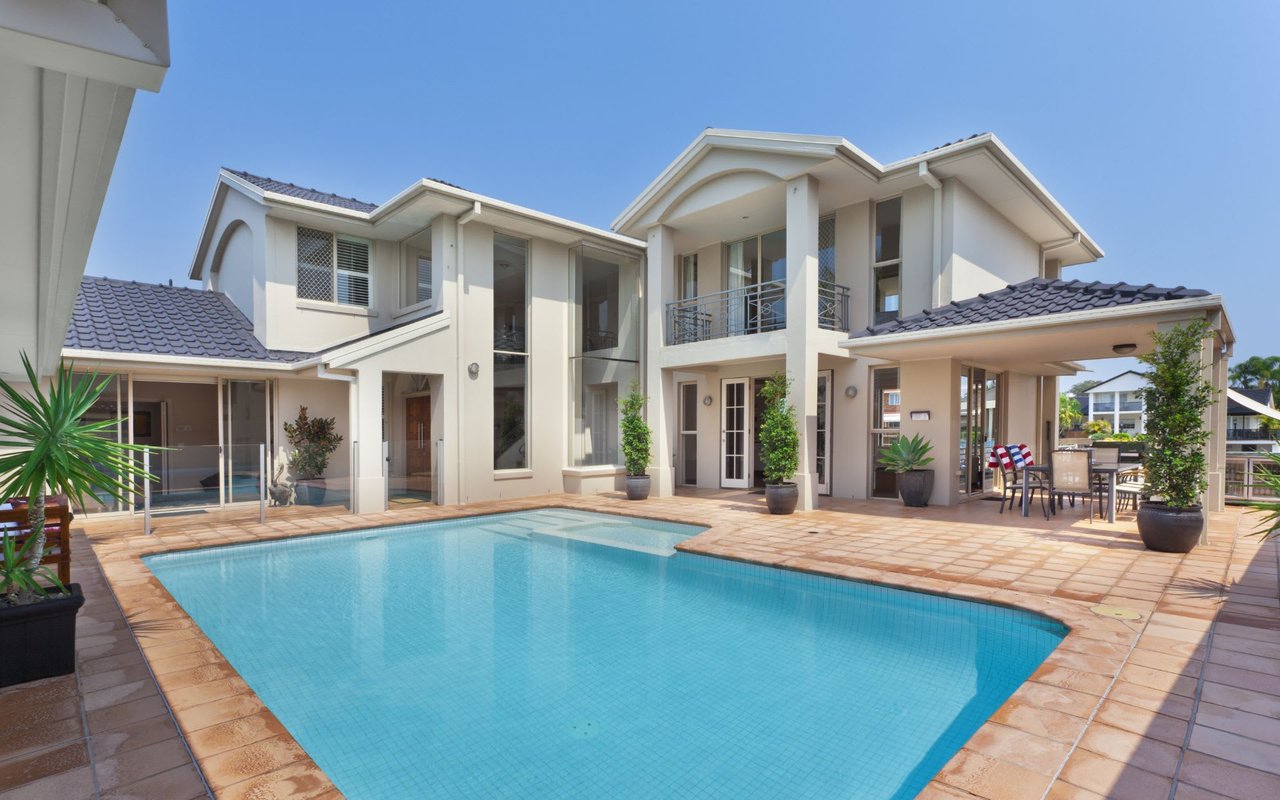
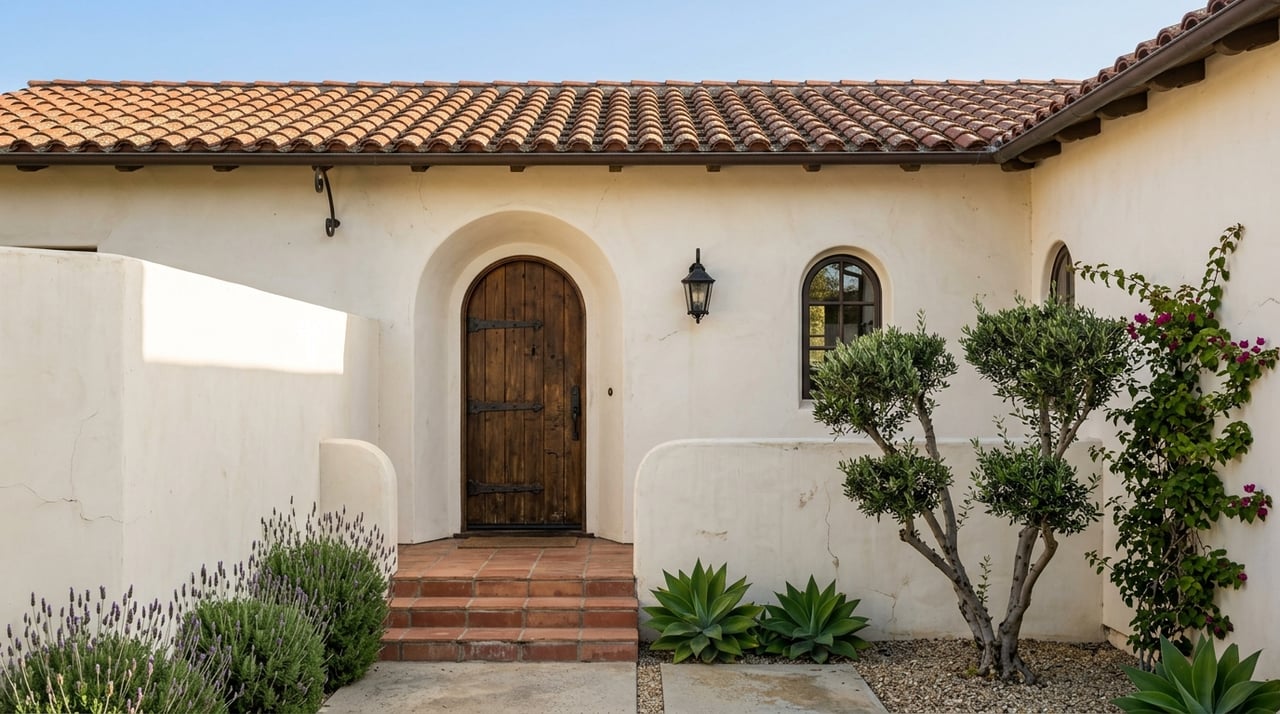
In Palos Verdes Estates, Spanish Revival usually means a specific visual vocabulary. Local guidance describes features like arched windows and arcades, smooth bull-nosed plaster, thickened walls, tile roofs, and light-toned exterior finishes such as plaster, stucco, or adobe-like materials.
You also see that language reflected in the city’s current design standards. Those standards call for low-pitched roofs, terracotta clay barrel tile or approved equivalents, natural-finish stucco, windows that are often rectangular with possible arched tops, and wrought iron balcony railings.
For many buyers, this is the look that defines PVE. The red-tile roof, light stucco exterior, and arched detailing are not random decorative choices. They are part of a long-established architectural pattern that the city and Palos Verdes Homes Association continue to preserve.
Common exterior features
Many Spanish Revival homes in PVE include features such as:
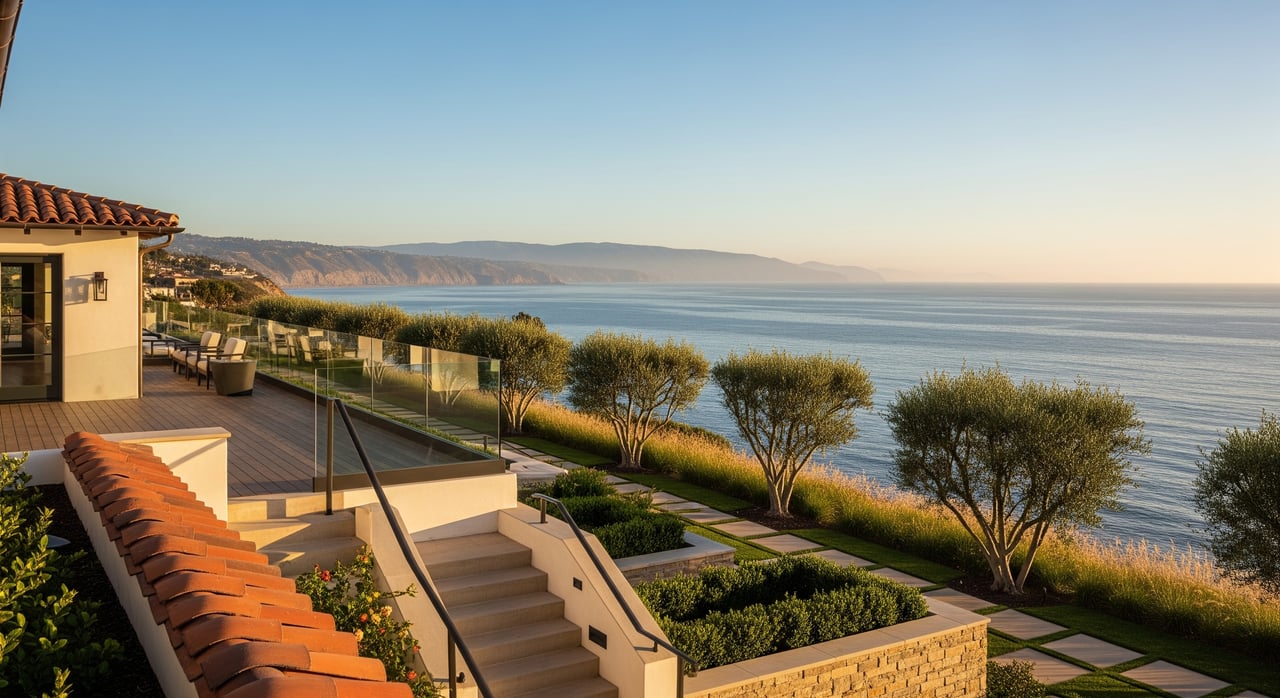
- Red or terracotta-style tile roofs
- Light stucco or plaster finishes
- Arched doors, windows, or covered walkways
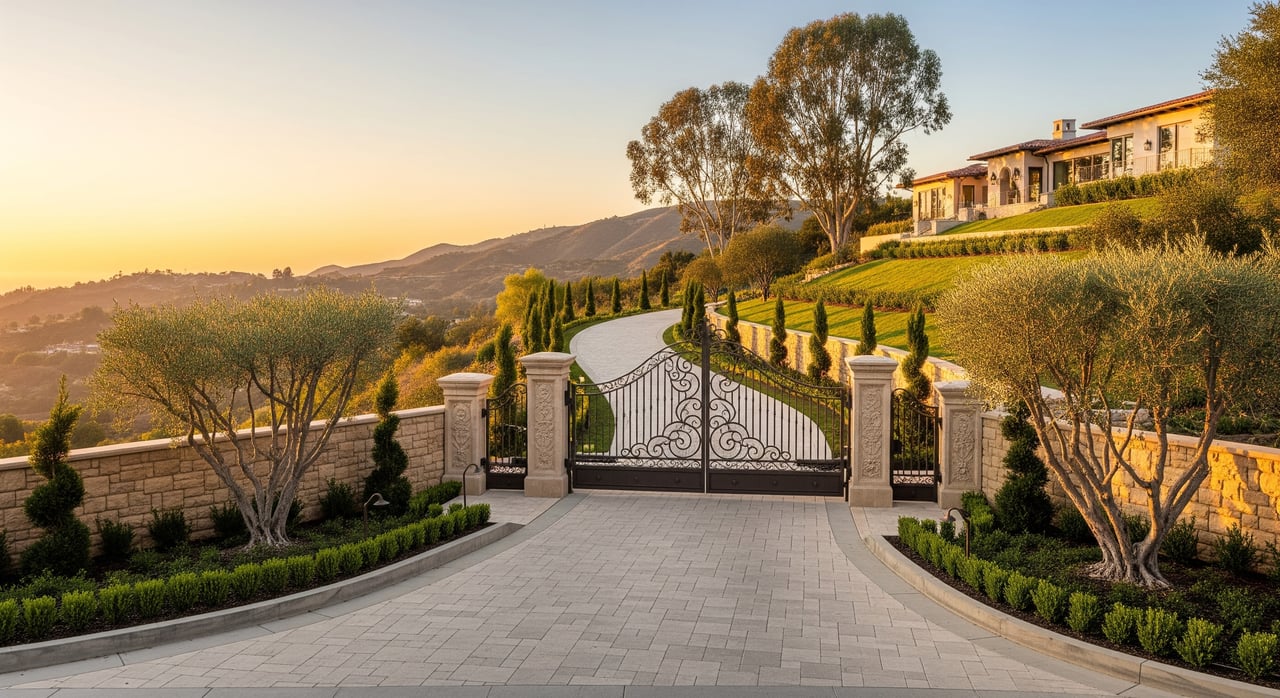
- Wrought iron details at balconies or railings
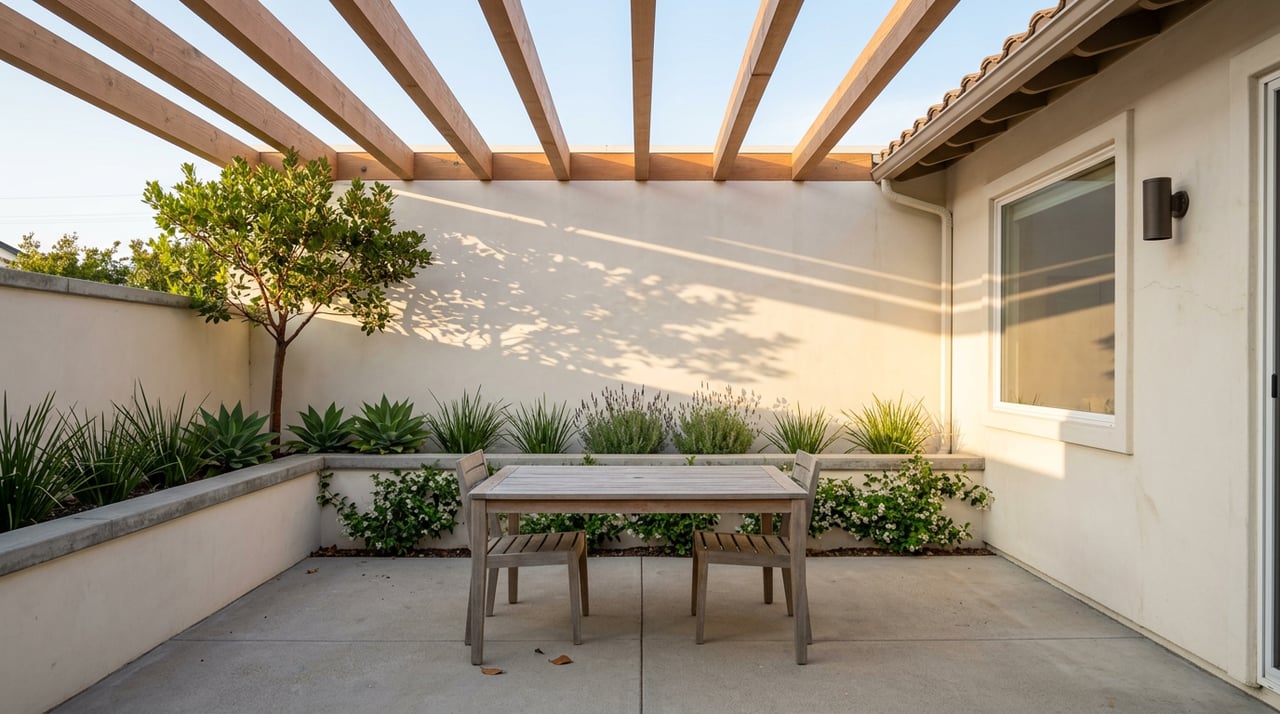
- Courtyard-inspired outdoor spaces
- Low-pitched rooflines
Not every home will have every feature. Still, these details help explain why the style feels cohesive across many parts of the city.
Spanish Revival and Spanish Colonial Revival
You may hear two similar terms used interchangeably: Spanish Revival and Spanish Colonial Revival. In Palos Verdes Estates documents, the city often uses Spanish Revival. In broader architectural history, the related term Spanish Colonial Revival is more common.
For most buyers and sellers, the distinction is not especially important. Both terms point to the same general family of architecture known for stucco walls, tile roofs, arches, courtyards, and wrought iron details. In PVE, that shared visual identity is what matters most.
Are all homes in PVE Spanish Revival?
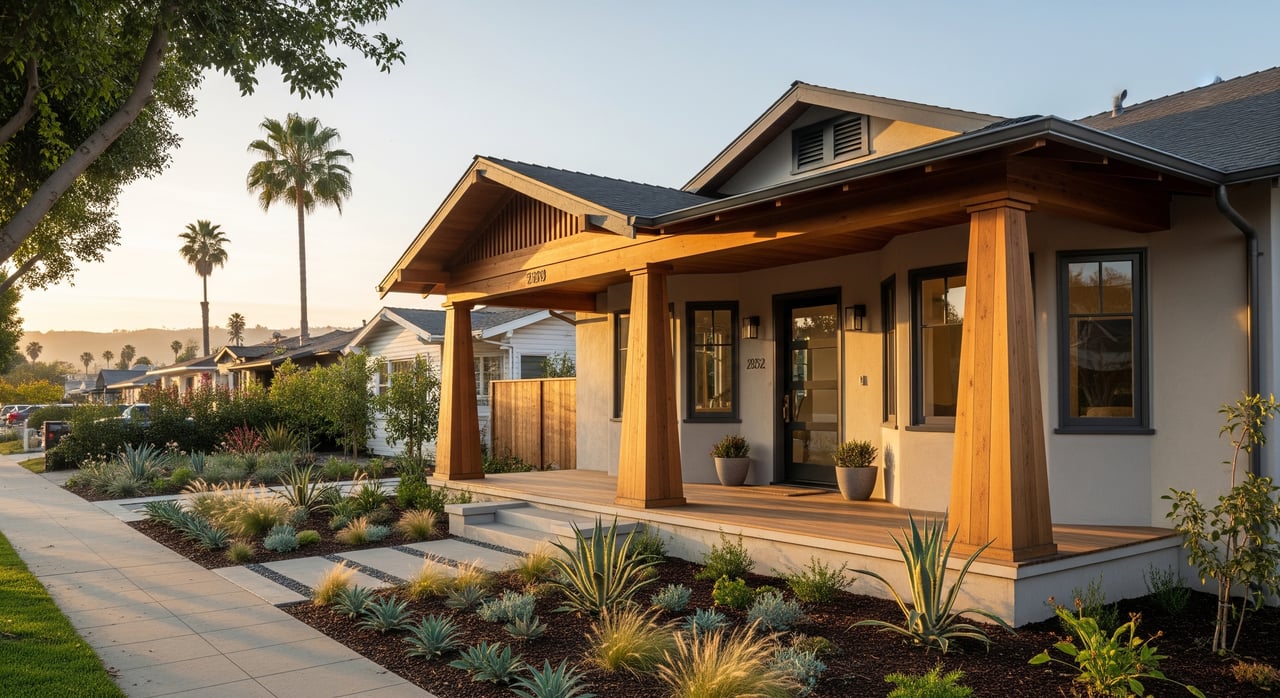
No. While Spanish Revival is the most prevalent style in Palos Verdes Estates, it is not the only one. The city states that Craftsman and Contemporary homes are also part of the local architectural mix.
That matters if you are house hunting or preparing a home for sale. Buyers may come to PVE expecting a classic Spanish-inspired look, but they will also find variety. Even so, Spanish Revival remains a defining reference point for how many people understand the city’s architectural character.
Why the style stays so consistent
One reason Spanish Revival remains so strong in PVE is that community character is actively managed. This is not a city where exterior design is left entirely to personal preference. The review framework helps preserve a consistent streetscape and protects the architectural language that has defined the area for decades.
That can be helpful for long-term value and neighborhood continuity. It also means ownership comes with responsibilities. If you own a Spanish Revival home in PVE, you are not just maintaining a property. You are participating in a broader stewardship model tied to the city’s history and appearance.
What remodeling usually involves
If you are thinking about updates, the approval process is one of the most important things to understand. In Palos Verdes Estates, review by the Palos Verdes Homes Association is required for most projects, and that review is separate from city inspections.
The PVHA handbook states that approval can be required not only for a new house or major addition, but also for landscaping changes, window replacement, and many other exterior updates. This is a key point for buyers who may assume cosmetic changes can be handled casually after closing.
Exterior items that often need approval
According to the PVHA handbook, review may apply to:
- Exterior colors
- Roofing
- Gutters and downspouts
- Windows and skylights
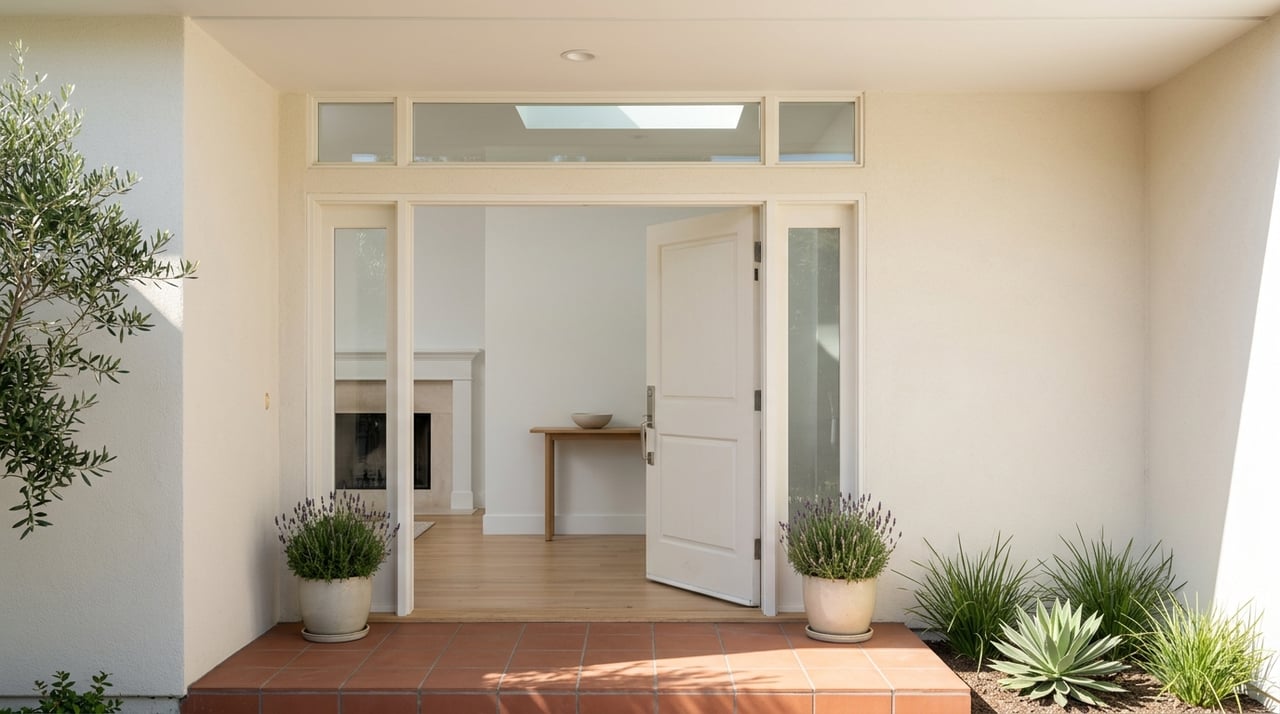
- Front doors and garage doors
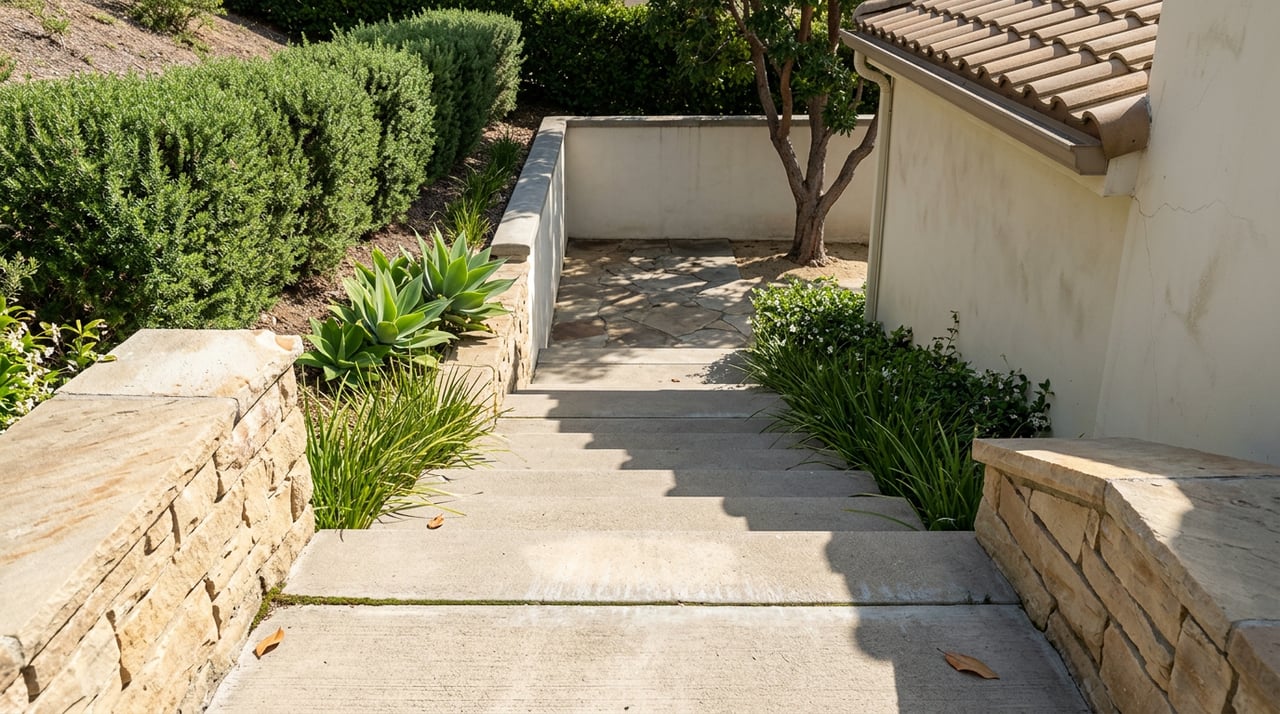
- Fences and walls
- Pools and spas
- Landscape changes
- AC condensers
- Solar panels and batteries
- Outdoor fireplaces or fire pits
The handbook also warns that deviations from approved plans can lead to fines and required corrections. That makes it especially important to understand the process before work begins.
When city review may expand
Some larger projects can trigger an additional city process called Neighborhood Compatibility review. The city says this may apply to a new structure of 1,000 square feet or more, a 1,000-square-foot addition, a second-story addition, certain second-story decks or balconies, mezzanines, or an increase in roof ridge elevation.
This review looks at factors such as neighborhood character, natural amenities, privacy, and views. It also requires a silhouette of the proposed project before the neighborhood meeting. If you are buying a home with plans to expand, this is worth knowing early.
What buyers should check in escrow
If you are buying a Spanish Revival home in PVE, one practical step stands out. The Palos Verdes Homes Association recommends a Completion and Compliance inspection during escrow.
That report compares the home’s exterior condition with approved plans and recorded deed restrictions. PVHA warns that if a buyer skips this step, they may inherit non-compliant conditions and the obligation to correct them after closing.
This is especially relevant in a market where homes may have had years of updates, repairs, or owner-made changes. A property can be beautiful and still raise compliance questions. Knowing that before closing can help you avoid surprises.
Why this matters for sellers too
If you are preparing to sell, Spanish Revival details are often part of what makes a PVE home memorable. Architectural consistency, preserved character, and recognizable design elements can support strong buyer interest.
At the same time, informed buyers often look closely at condition and compliance. If exterior work was done over time, it can be wise to understand how that work aligns with approved plans before you go to market. Clear preparation helps support a smoother transaction.
The buyer appeal of Spanish Revival homes
Spanish Revival homes continue to resonate because they offer both visual warmth and a sense of permanence. In PVE, that appeal is reinforced by the city’s early landmarks, planned-community roots, and long-running design standards.
For many buyers, these homes feel tied to the identity of the Peninsula itself. The architecture is distinctive without feeling trendy. That staying power helps explain why the style remains central to Palos Verdes Estates today.
A simple way to think about ownership
The best way to understand Spanish Revival ownership in Palos Verdes Estates is as a form of stewardship. You are buying into a home style that is deeply connected to local history, but also actively shaped by present-day standards and review processes.
That does not need to be a drawback. For many owners, it is part of the appeal. The same framework that requires care and approvals also helps preserve the look and feel that make PVE so recognizable.
If you are considering a purchase, sale, or remodel in Palos Verdes Estates, local guidance matters. The right advice can help you evaluate both the charm of a Spanish Revival home and the practical responsibilities that come with it. For tailored guidance on buying or selling in PVE, connect with the Mackenbach Group.
FAQs
What defines a Spanish Revival home in Palos Verdes Estates?
- Spanish Revival homes in PVE commonly feature light stucco or plaster finishes, red or terracotta-style tile roofs, arched windows or arcades, low-pitched rooflines, and wrought iron details.
Are all homes in Palos Verdes Estates Spanish Revival style?
- No. The city says Spanish Revival is the most prevalent style in PVE, but Craftsman and Contemporary homes are also part of the local architectural mix.
Do exterior changes to a Palos Verdes Estates home need approval?
- Often, yes. PVHA review can apply to many exterior changes, including roofs, windows, paint colors, landscaping, fences, doors, skylights, and more.
What is the Completion and Compliance inspection in Palos Verdes Estates?
- It is a PVHA-recommended inspection for buyers in escrow that compares a home’s exterior condition with approved plans and recorded deed restrictions, helping identify possible non-compliant conditions before closing.
When does a remodel in Palos Verdes Estates need Neighborhood Compatibility review?
- The city says this review may be triggered by larger projects such as a new structure of 1,000 square feet or more, a 1,000-square-foot addition, a second-story addition, certain decks or balconies, mezzanines, or a higher roof ridge.